

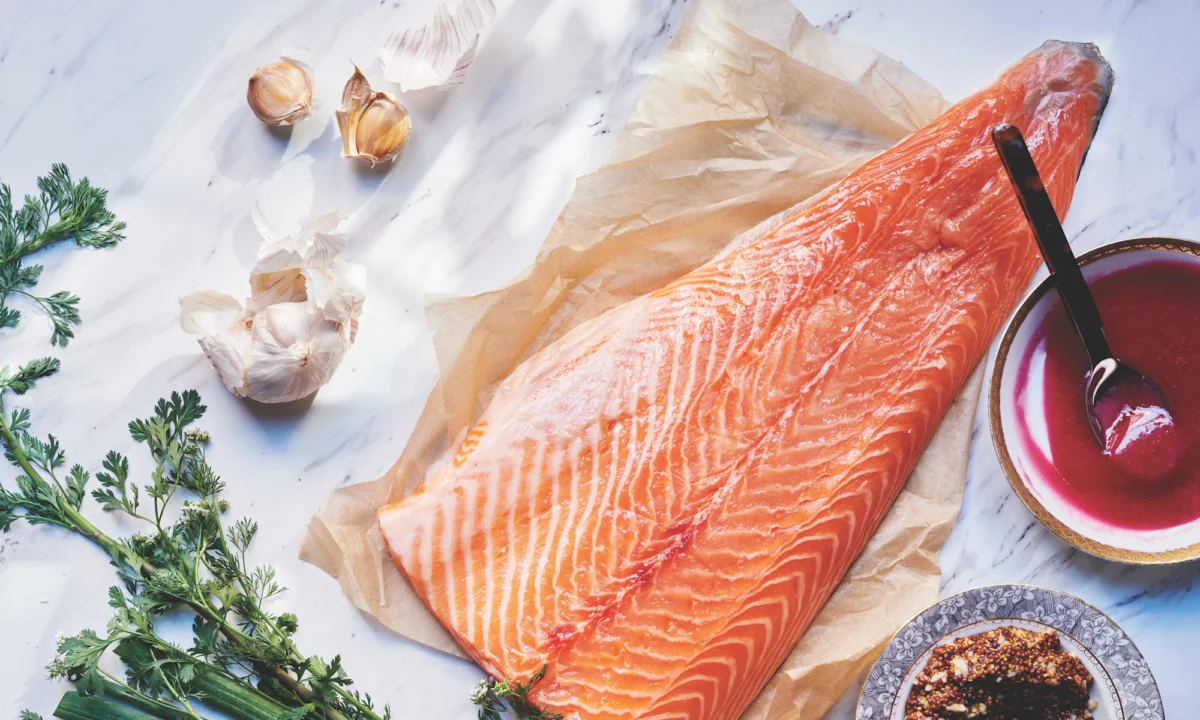
This culinary creation, Hibiscus Honey Mustard Salmon, represents a thoughtful fusion of regional culinary traditions and the potential of botanicals in everyday cooking. At its core, the recipe pays homage to the rich culinary heritage of the Carolinas, employing a mustard-based sauce that is elegantly sweetened with a uniquely infused honey. The star of this infused honey is hibiscus, a vibrant flower recognized globally for its culinary and medicinal applications. While often referred to as sorrel in Caribbean cultures, hibiscus is also noted in traditional plant medicine for its diuretic and antimicrobial properties, adding a layer of functional benefit to this flavorful dish.
The preparation of the hibiscus honey is an integral part of the dish’s appeal, requiring a commitment of approximately six to eight hours. This necessitates making the honey in advance, ideally a day prior to preparing the salmon. Once made, the recipe yields about three-quarters of a cup of this special hibiscus honey, with the surplus offering versatile applications for sweetening beverages like lemonade and iced tea. Proper storage in a cool, dark place ensures its longevity. For those facing time constraints or unable to source hibiscus, the recipe remains adaptable, functioning effectively with standard honey. This recipe, developed by Krystal Mack, is designed to serve four individuals.
The Genesis of a Culinary Fusion
The development of the Hibiscus Honey Mustard Salmon recipe is rooted in a desire to connect with and celebrate familial culinary legacies. The author, Krystal Mack, draws inspiration from her family’s roots in the Carolinas, a region with a deeply ingrained appreciation for robust, flavorful cuisine. The use of a mustard-based sauce is a direct nod to this heritage, a staple in many Southern kitchens. However, the innovation lies in the integration of hibiscus, a less conventional ingredient in this specific context, to elevate the sweetness and introduce a unique botanical dimension.
The choice of hibiscus is not merely for aesthetic or novel flavor. Its historical and cultural significance, particularly its use in traditional medicine and as a popular beverage ingredient (sorrel), adds depth to the recipe. This integration suggests a broader culinary trend of incorporating functional foods and ingredients with known health benefits into everyday meals. The diuretic properties of hibiscus can aid in fluid balance, while its antimicrobial qualities may contribute to overall well-being. By infusing honey with hibiscus, the recipe transforms a common sweetener into a functional ingredient.
The preparation timeline for the hibiscus honey, requiring a significant time investment, underscores a growing appreciation for artisanal and slow-food approaches in contemporary cooking. In an era often characterized by rapid consumption and convenience, dedicating time to create a special ingredient like hibiscus honey speaks to a desire for more mindful and rewarding culinary experiences. This process, while demanding, yields a product that is not only unique in flavor but also carries a story and a sense of accomplishment.
A Step-by-Step Culinary Journey
The creation of the Hibiscus Honey Mustard Salmon involves two primary components: the preparation of the hibiscus honey and the final assembly and cooking of the salmon dish.
Crafting the Hibiscus Honey
The process begins with the hibiscus honey. For this, dried hibiscus flowers are combined with one cup of water in a small pot. The mixture is then simmered until the liquid volume is significantly reduced, aiming for approximately one-quarter cup of concentrated hibiscus infusion. This reduction concentrates the floral notes and color of the hibiscus.
Following the simmering, a strainer is used to meticulously remove the hibiscus flowers, leaving behind a vibrant, ruby-red liquid. This liquid is then transferred to a small bowl. At this stage, honey is incorporated. The key is to stir continuously, ensuring a thorough amalgamation of the hibiscus liquid and the honey. This steady stirring helps to achieve a smooth, homogenous consistency. Once perfectly combined, the hibiscus honey is transferred into a covered storage container. When stored correctly in a cool, dark place, it can be preserved for up to one month, making it a versatile pantry staple.
Preparing the Hibiscus Honey Mustard Salmon
The recipe for the salmon itself, while not detailed in the provided excerpt, would typically involve marinating or glazing the salmon fillets with a mixture that combines the prepared hibiscus honey with mustard. Common additions to such a glaze might include Dijon mustard for its pungent kick, a touch of acidity from lemon juice or vinegar, and seasonings like garlic powder, onion powder, salt, and pepper.
The salmon fillets are then cooked using a method that complements the glaze, such as baking, broiling, or pan-searing. The heat would caramelize the hibiscus honey, creating a sticky, flavorful coating on the fish. The exact cooking time and temperature would depend on the thickness of the salmon fillets and the chosen cooking method, ensuring the fish is cooked through but still moist and flaky.
The recipe is designed to serve four, indicating that the proportions of ingredients are calibrated for a family-sized meal or a gathering of friends. The emphasis on using the surplus hibiscus honey for other applications further highlights the recipe’s efficiency and the versatility of the homemade ingredient.
Nutritional and Culinary Context
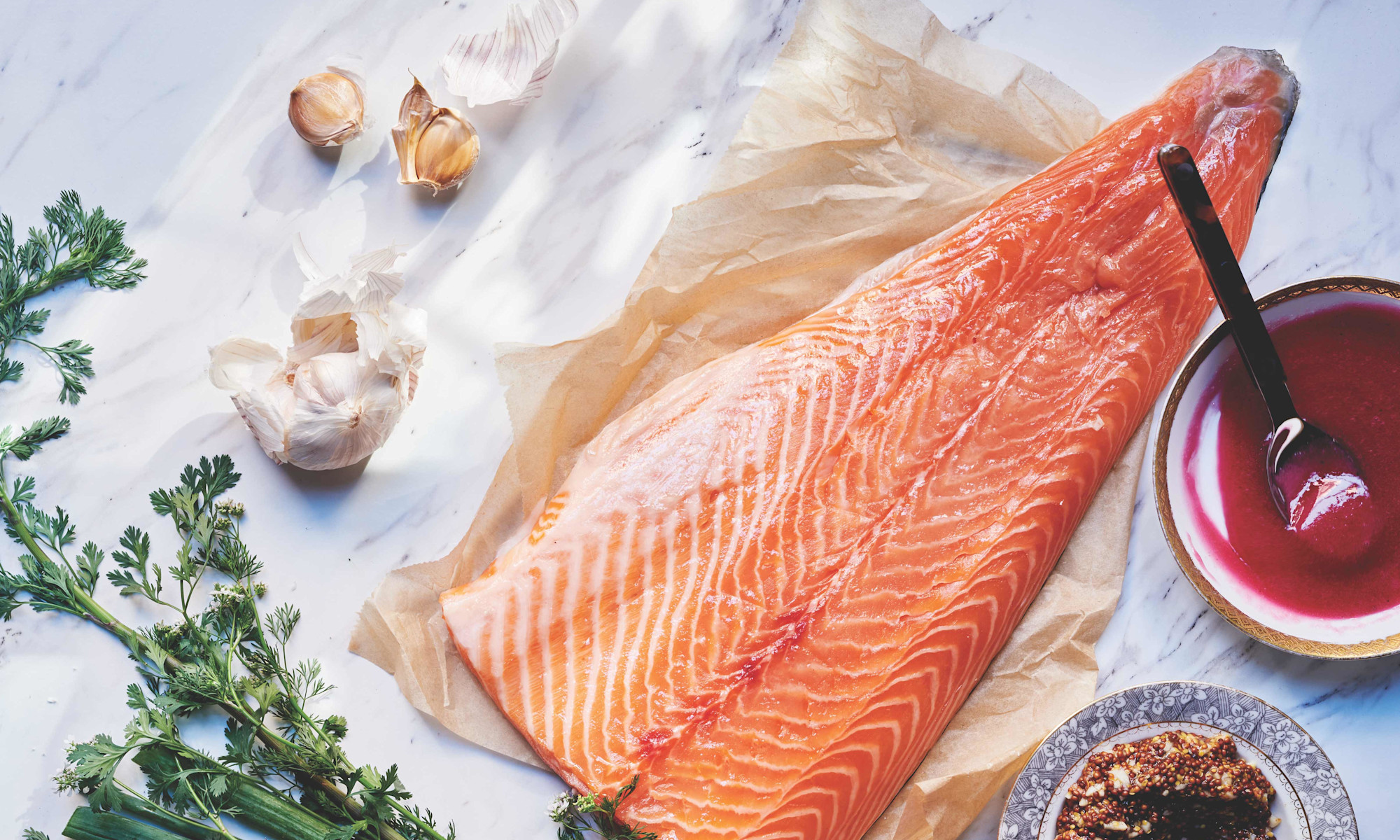
Salmon, the protein centerpiece of this dish, is widely recognized for its rich content of omega-3 fatty acids, which are essential for cardiovascular health, brain function, and reducing inflammation. According to the American Heart Association, consuming fatty fish like salmon at least twice a week can significantly lower the risk of heart disease. The preparation method, particularly if baked or broiled, can be a healthy way to consume salmon, minimizing the addition of unhealthy fats.
The inclusion of mustard in the glaze adds a layer of complexity to the flavor profile. Mustard, derived from mustard seeds, contains compounds like glucosinolates, which have been studied for their potential antioxidant and anti-inflammatory properties. Its natural spiciness can also aid digestion.
Hibiscus, as mentioned, brings its own set of potential health benefits. Research published in journals such as the Journal of Nutrition and Food & Function has explored hibiscus’s role in managing blood pressure and its antioxidant capacity due to the presence of anthocyanins, the pigments responsible for its vibrant color. While culinary use is distinct from therapeutic application, the integration of such botanicals into food can contribute to a diet rich in phytonutrients.
The honey used as a base for the infusion is a natural sweetener that provides energy. Compared to refined sugars, honey contains trace amounts of vitamins, minerals, and enzymes, though the quantity is generally small. The process of making hibiscus honey involves simmering and steeping, which could potentially preserve some of the beneficial compounds in both the hibiscus and the honey.
Broader Implications and Culinary Trends
The Hibiscus Honey Mustard Salmon recipe is more than just a single dish; it represents a confluence of several evolving trends in the culinary landscape.
1. The Rise of Functional Foods: Consumers are increasingly interested in foods that offer more than just sustenance; they are seeking ingredients that contribute to well-being. The incorporation of hibiscus, with its recognized health properties, aligns perfectly with this movement. This recipe demonstrates how to seamlessly integrate functional ingredients into familiar and appealing dishes.
2. Heritage and Innovation: There is a growing appreciation for culinary traditions, particularly those that are regional or familial. This recipe honors Carolina heritage while introducing an innovative element through the use of hibiscus. This blend of respect for the past and a forward-thinking approach is a hallmark of contemporary gastronomy.
3. DIY and Artisanal Ingredients: The emphasis on preparing the hibiscus honey from scratch reflects a broader trend towards making ingredients at home. This DIY approach not only allows for greater control over the quality and flavor of the final product but also fosters a deeper connection to the food being prepared. It speaks to a desire for authenticity and a move away from overly processed or commercially produced ingredients.
4. Flavor Exploration and Botanical Integration: Chefs and home cooks are continually seeking new and exciting flavor combinations. The use of hibiscus in a savory context, particularly in a glaze for salmon, showcases an adventurous spirit in flavor exploration. The integration of botanicals like hibiscus into mainstream cooking is becoming more common, moving beyond traditional herbalism into everyday culinary applications.
5. Health-Conscious Cooking: While delicious, the recipe also offers a healthier alternative to some traditional mustard-based glazes that might rely more heavily on refined sugars or excessive fats. The natural sweetness of honey, combined with the potential benefits of hibiscus, positions this dish as a more wholesome choice.
The success of such recipes in popular food media and among home cooks suggests a receptive audience for dishes that are both flavorful and mindful of health and heritage. It signals a culinary future where traditional roots are celebrated, and innovative ingredients are embraced to create meals that are nourishing, delicious, and deeply satisfying. The sustained interest in recipes that tell a story and offer tangible benefits beyond taste indicates a mature and thoughtful approach to food consumption. The Hibiscus Honey Mustard Salmon, in this context, stands as a prime example of this evolving culinary paradigm.

