

Arthritis, a pervasive condition affecting an estimated 50 million Americans, with osteoarthritis of the knee being the most prevalent form and a leading cause of disability, continues to be a significant public health concern. The intricate inflammatory pathways that drive the onset and progression of this debilitating disease have prompted extensive research into dietary interventions and their potential to mitigate symptoms. While various anti-inflammatory foods have been investigated, their clinical efficacy for arthritis patients remains a complex and evolving area of scientific inquiry.
Exploring Dietary Interventions for Arthritis
Recent scientific explorations have delved into the potential of certain foods to combat the inflammation associated with arthritis. Strawberries, for instance, have demonstrated an ability to reduce circulating levels of tumor necrosis factor (TNF), a key inflammatory mediator. However, the translation of this biochemical effect into tangible clinical improvement for arthritis patients has yielded mixed results. Similarly, studies involving cherry juice have shown a reduction in C-reactive protein (CRP), another marker of inflammation. Despite this biochemical effect, some research has indicated that cherry juice failed to significantly alleviate pain and other symptoms of knee osteoarthritis compared to a placebo. This highlights a crucial distinction between reducing inflammatory markers and providing meaningful symptom relief that surpasses the placebo effect. While cherries may offer benefits for other forms of arthritis, such as gout, their impact on osteoarthritis has not been consistently demonstrated.
In contrast, strawberries have shown more promising results in reducing inflammation. A randomized, double-blind, crossover trial indicated that dietary strawberries possessed significant analgesic properties, leading to a measurable decrease in pain experienced by participants. This finding is particularly noteworthy when considering the high cost and potential severe side effects associated with some pharmaceutical treatments for inflammatory conditions. For example, TNF inhibitor drugs, which target similar inflammatory pathways, can cost upwards of $40,000 annually and are associated with serious adverse events, including certain types of lymphoma. The search for safer, more accessible alternatives has thus intensified.

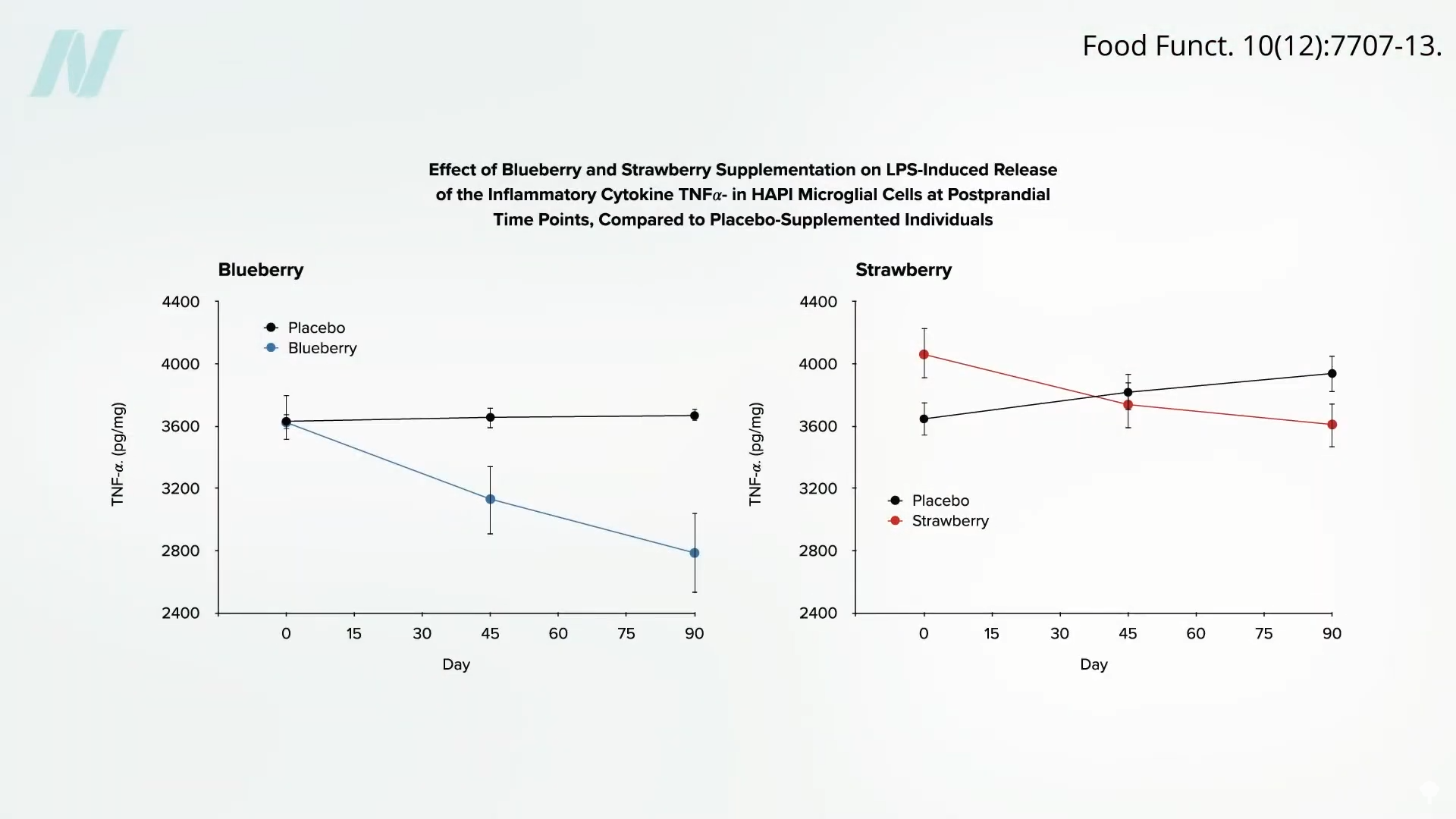
Further investigation into the anti-inflammatory effects of berries revealed that consuming the equivalent of one cup of blueberries or two cups of strawberries daily led to a significant reduction in inflammation when blood samples from these individuals were applied to cells in a laboratory setting. This effect was observed in comparison to blood from individuals who consumed placebo berries. Intriguingly, the anti-inflammatory impact of berry consumption appeared to increase over time, suggesting that sustained dietary intake may yield progressively greater benefits.
The Role of Olive Extracts and the Nuances of Olive Oil Consumption
Beyond berries, researchers have also examined the impact of olive extracts and olive oil on inflammatory markers. In one study conducted in France, cartilage samples collected from knee replacement surgeries were exposed to blood from volunteers who had consumed a potent dose of grapeseed and olive extract. This exposure resulted in a notable reduction in inflammation. While human studies specifically testing grapeseeds for arthritis are limited, an olive extract has shown promise in decreasing pain and improving daily functioning in individuals with osteoarthritis.
However, a critical distinction must be made regarding the form of olive consumption. The French study utilized freeze-dried olive vegetation water, which represents the water-soluble components remaining after oil extraction – essentially, the constituents present in an olive that are absent in pure olive oil. This finding suggests that the beneficial compounds may not be the oil itself, but rather other elements within the olive.
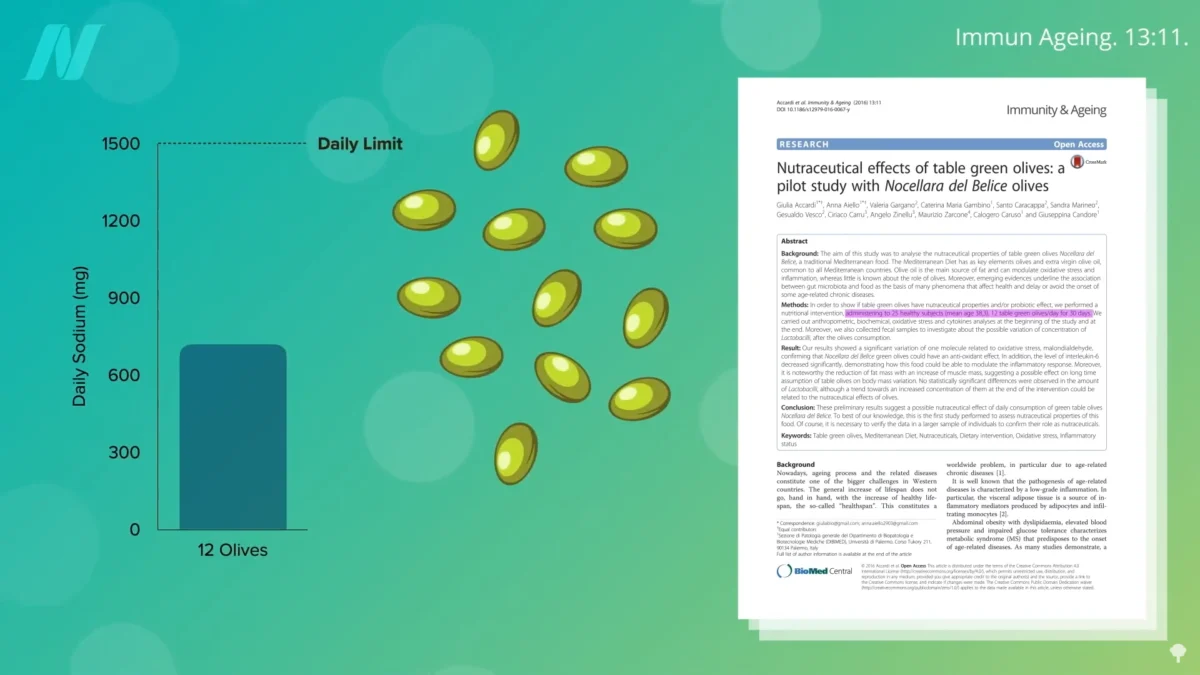
Studies on the direct consumption of olive oil for arthritis have yielded less conclusive results. While consuming actual olives, approximately a dozen large green olives daily, has been associated with a reduction in an inflammatory mediator, a systematic review and meta-analysis concluded that olive oil, on its own, does not appear to offer significant anti-inflammatory benefits when ingested. Claims of "remarkable anti-inflammatory activity" attributed to extra virgin olive oil in some research have often been based on rodent studies, which may not directly translate to human physiological responses. In human trials, extra virgin olive oil has been found to be no more effective than butter and potentially less effective than coconut oil in managing inflammation.
The high sodium content of olives also presents a potential drawback for daily consumption, as a dozen olives can account for nearly half of the recommended daily sodium intake. Furthermore, extra virgin olive oil has not demonstrated efficacy in alleviating fibromyalgia symptoms, although it has shown some benefit over canola oil in managing symptoms of inflammatory bowel disease. The absence of robust human studies directly investigating the impact of ingested olive oil on arthritis symptoms has led to further exploration of alternative application methods.
Topical Application of Olive Oil Emerges as a Promising Avenue
The question of whether olive oil can compete with arthritis drugs, particularly in the context of topical application, has been a subject of recent scientific investigation. The title of this article is directly prompted by a compelling randomized, double-blind, clinical trial that directly compared topical virgin olive oil with a gel containing an ibuprofen-type drug for osteoarthritis of the knee. In this study, a small amount of olive oil – just one gram, equivalent to less than a quarter teaspoon, applied three times daily – proved to be remarkably effective. The cost of this treatment was minimal, less than three cents per day.
The findings were significant: topical olive oil demonstrated superior efficacy to the ibuprofen-type drug in reducing pain. This outcome suggests that the anti-inflammatory and analgesic properties of olive oil may be more effectively harnessed through topical application, bypassing the digestive system and potential systemic side effects associated with oral consumption.
The study, which lasted for one month, raises intriguing questions about the potential for sustained or even enhanced benefits with longer-term topical application. Future research will be crucial in determining the long-term effectiveness and safety profile of this natural remedy.

Evidence for Topical Olive Oil in Rheumatoid Arthritis
Further research has explored the efficacy of topical olive oil for another common form of arthritis: rheumatoid arthritis. A study investigated whether olive oil could effectively control morning inflammatory pain in the fingers and knees of women diagnosed with rheumatoid arthritis. The trial employed a rigorous design, comparing the application of extra virgin olive oil to a control group that applied nothing and to a group that used an ibuprofen-type gel. The results indicated that the group treated with olive oil experienced a greater decrease in their disease activity score compared to both the no-treatment and ibuprofen-gel groups. This finding further strengthens the argument for topical olive oil as a viable and potentially superior alternative for managing inflammatory arthritis symptoms.
Implications and Future Directions
The emergence of topical olive oil as a potent and cost-effective intervention for osteoarthritis and rheumatoid arthritis carries significant implications for patient care and public health. For millions of individuals grappling with the daily pain and disability associated with these conditions, the prospect of a natural, readily available, and inexpensive treatment is highly encouraging. The comparison with conventional pharmaceutical interventions, particularly those with substantial costs and adverse effects, underscores the potential of this topical therapy to improve access to effective pain management.
The scientific evidence supporting topical olive oil’s efficacy, particularly in head-to-head comparisons with established drugs, warrants further attention from both healthcare professionals and patients. While the current studies provide a strong foundation, continued research is essential to:
- Establish Long-Term Efficacy: Understanding how the benefits of topical olive oil persist or evolve over extended periods of use is crucial for guiding clinical practice.
- Investigate Mechanisms of Action: Further research into the precise biochemical and physiological mechanisms by which topical olive oil exerts its anti-inflammatory and analgesic effects could lead to more targeted applications and potentially synergistic treatments.
- Explore Different Formulations: While virgin olive oil has shown promise, investigating standardized formulations and concentrations could optimize therapeutic outcomes and ensure product consistency.
- Assess Broader Applicability: While studies have focused on knee osteoarthritis and rheumatoid arthritis, further research could explore its effectiveness for other joint conditions and inflammatory musculoskeletal disorders.
- Conduct Comparative Effectiveness Studies: Large-scale, multi-center trials comparing topical olive oil against a wider range of conventional treatments and placebo would provide comprehensive evidence for its place in the therapeutic armamentarium.
The findings suggest a paradigm shift in how we approach arthritis management, emphasizing the power of natural compounds when applied strategically. The journey from dietary investigations to the successful topical application of olive oil highlights the ongoing evolution of evidence-based approaches to inflammatory diseases. As research progresses, topical olive oil may well emerge as a cornerstone therapy for arthritis, offering a natural, accessible, and effective solution for countless individuals seeking relief from chronic pain and inflammation.

