

A comprehensive global study, the DoYou Global Yoga Survey, has cast a revealing light on the preferences and motivations of yoga practitioners worldwide, identifying the most popular styles shaping the contemporary yoga landscape. Drawing insights from an impressive 10,982 participants across 124 countries, the survey, conducted by DoYou.com, offers an unprecedented snapshot into the global practice of yoga, underscoring its diversity and widespread appeal. The findings highlight a clear trend towards dynamic, fitness-oriented styles, while also affirming the enduring popularity of more traditional and restorative practices.
The Genesis of the Global Yoga Survey
The DoYou Global Yoga Survey was initiated by DoYou.com, a prominent online platform dedicated to yoga and wellness content, with the explicit goal of understanding the evolving dynamics of the global yoga community. While anecdotal evidence and regional surveys often point to various trends, a truly global perspective encompassing such a broad demographic had been lacking. The organizers sought to answer fundamental questions about practice habits, preferred styles, and the underlying reasons individuals integrate yoga into their lives. The survey, deployed digitally, allowed for broad participation, overcoming geographical barriers and gathering data from a vast and varied international audience. This extensive reach provides a robust foundation for identifying global trends, offering valuable insights for yoga instructors, studios, and wellness providers alike. The data collection phase spanned several months, ensuring a representative sample and allowing for a comprehensive analysis of the self-reported preferences and experiences of yoga enthusiasts.
Yoga’s Global Ascension: A Brief Chronology
The journey of yoga from ancient Indian ascetic practice to a global wellness phenomenon is a testament to its adaptable and profound benefits. Originating over 5,000 years ago in India, early forms of yoga were primarily spiritual and meditative. The classical period, marked by Patanjali’s Yoga Sutras around 200 CE, codified many of the philosophical and practical aspects. Hatha Yoga, which emerged much later around the 11th century, introduced the physical postures (asanas) and breathing techniques (pranayama) that form the basis of most modern yoga styles.
The late 19th and early 20th centuries saw the first significant introduction of yoga to the Western world, primarily through spiritual leaders like Swami Vivekananda. However, it was figures like B.K.S. Iyengar and K. Pattabhi Jois in the mid-20th century who systematically taught and popularized distinct physical styles, laying the groundwork for the diverse practices seen today. Their students, in turn, spread these teachings globally, adapting them to Western fitness culture. By the late 20th and early 21st centuries, yoga had fully entered the mainstream, fueled by increasing awareness of health and wellness, and facilitated by global communication and travel. The DoYou survey, conducted in recent times, captures the culmination of this evolution, reflecting current preferences in a highly diversified global market.
Top Yoga Styles: A Detailed Overview
The survey meticulously categorized responses, revealing a distinct hierarchy of popular yoga styles. The top contenders offer a blend of vigorous physical activity, deep stretching, and profound relaxation, catering to a spectrum of practitioner needs and goals.
1. Vinyasa Flow (57% of Respondents)
Emerging as the undisputed leader, Vinyasa Flow was cited as the primary yoga style by a commanding 57% of participants. Its popularity is largely attributed to its dynamic and fluid nature, where movements are synchronized with breath, creating a continuous "flow" from one pose to the next. Vinyasa is an umbrella term encompassing various sub-styles, including Power Yoga and Ashtanga, though when referred to broadly, it emphasizes creative sequencing and adaptability. This flexibility allows instructors to tailor classes to different levels and intentions, making it highly accessible.
Vinyasa practices are renowned for their ability to elevate heart rate, build heat in the body, and engage multiple muscle groups, aligning closely with traditional expectations of a physical workout. It offers immediate physical benefits such as improved cardiovascular health, increased strength, and enhanced flexibility. Its often less overtly spiritual focus compared to some traditional forms also broadens its appeal to those primarily seeking physical fitness and stress relief. The adaptability of Vinyasa means a session can range from a vigorous, sweat-inducing workout to a slower, more meditative flow, making it versatile for a global audience with varied fitness levels and time constraints.
2. Hatha Yoga (42% of Respondents)
Securing the second position, Hatha Yoga was chosen by 42% of respondents. Hatha is often perceived as the foundational style from which many modern practices have evolved. Characterized by its slower pace, Hatha emphasizes holding poses for longer durations, allowing practitioners to focus on proper alignment, breath control, and deep stretching. Unlike the continuous movement of Vinyasa, Hatha typically involves moving into a pose, holding it, and then releasing it before moving to the next.
This deliberate approach makes Hatha an excellent choice for beginners, as it provides ample time to understand and refine postures. It is also favored by those seeking a more meditative and introspective practice, prioritizing flexibility and mental calm over intense physical exertion. The focus on sustained holds and careful alignment contributes to improved posture, increased body awareness, and a deeper release of tension in muscles and connective tissues. Hatha yoga’s enduring appeal lies in its ability to offer both physical conditioning and a pathway to mental tranquility, making it a cornerstone of the global yoga community.
3. Restorative Yoga (29% of Respondents)
Sharing the third spot with Power Yoga, Restorative Yoga garnered 29% of the votes. This style is specifically designed to promote deep relaxation and stress reduction. Restorative sequences involve a limited number of gentle poses, which are typically held for extended periods (often 5-20 minutes) with ample support from props such as bolsters, blankets, blocks, and eye pillows. The goal is to allow the body to fully surrender and relax, facilitating a profound sense of calm and rejuvenation.
The practice targets the parasympathetic nervous system, helping to mitigate the effects of chronic stress, anxiety, and fatigue. It is particularly beneficial for individuals recovering from illness or injury, those experiencing burnout, or anyone seeking a gentle, nurturing practice. Restorative yoga sequences often include forward folds, gentle twists, and supported inversions, which are highly effective in calming the mind and body. Its growing popularity reflects a broader societal need for practices that actively combat the demands of modern life, offering a sanctuary of stillness and healing, especially as a pre-bedtime routine.
4. Power Yoga (29% of Respondents)
Also chosen by 29% of participants, Power Yoga is a direct descendant of Ashtanga and a vigorous form of Vinyasa. It maintains the continuous flow and breath-synchronization of Vinyasa but is explicitly designed to be more physically demanding. Instructors often incorporate faster transitions, more challenging poses, and longer holds to build strength and endurance.

Power Yoga appeals to practitioners who seek an intense workout, often incorporating elements of fitness training into their yoga practice. It is excellent for building core strength, increasing muscle tone, and improving stamina. While it retains the mental benefits of yoga, its primary emphasis is on the physical challenge and the transformative effects it has on the body. Classes can vary widely in intensity depending on the instructor, but all promise a significant physical exertion, making it a favorite among those who appreciate a rigorous and sweat-inducing practice.
5. Ashtanga Yoga (25% of Respondents)
A foundational and highly influential style, Ashtanga Yoga was the primary choice for 25% of respondents. It is a highly structured form of Vinyasa, characterized by a specific, prescribed sequence of poses that are performed in the exact same order every time. This consistency allows practitioners to memorize the sequence and move through it with a focus on breath (Ujjayi pranayama) and specific gazing points (drishti).
Ashtanga is known for its discipline and rigor. The primary series, often practiced in Mysore style (self-paced within a group setting), builds strength, flexibility, and mental focus. Its appeal lies in its routine and the measurable progress practitioners can observe as they master the sequence. This structured approach fosters deep concentration and a meditative state through repetition and dedication. For those who thrive on routine, enjoy a challenging physical practice, and seek a clear path for progression, Ashtanga offers a profound and transformative experience, deeply rooted in traditional teachings.
6. Yin Yoga (17% of Respondents)
Yin Yoga, selected by 17% of participants, presents a striking contrast to the dynamic "yang" styles like Vinyasa and Power Yoga. Similar to Restorative Yoga in its long holds, Yin Yoga focuses specifically on targeting the body’s connective tissues—ligaments, tendons, fascia, and joints—rather than muscles. Poses are typically floor-based and held passively for 3-5 minutes or even longer, allowing gravity and time to gently deepen the stretch.
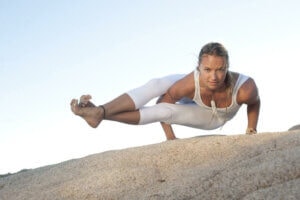
This slow, deep practice aims to increase flexibility and range of motion in the joints, particularly in the hips, pelvis, and spine. It is also deeply meditative, requiring sustained concentration and patience as practitioners sit with discomfort and observe their internal experience. Yin Yoga is considered an essential complementary practice to more active styles, helping to prevent injuries, improve joint health, and cultivate mental stillness. Its growing popularity indicates a recognition of the importance of balancing intense physical activity with practices that nourish the deeper, more subtle aspects of the body and mind.
7. Bikram/Hot Yoga (10% of Respondents)
Practiced by 10% of respondents, Bikram and other forms of Hot Yoga distinguish themselves by their heated environment, typically ranging from 35-42°C (95-108°F). Bikram Yoga specifically refers to a highly regimented series of 26 postures and two breathing exercises performed in a precise order. Generic Hot Yoga classes, while also heated, offer more variety in sequences and styles.
The elevated temperature is believed to promote deeper stretching, increase detoxification through sweating, and warm the muscles more quickly. Practitioners often report a profound sense of cleansing and an intensified physical challenge. However, proper hydration is paramount for these classes, requiring conscious effort before, during, and after practice to avoid dehydration. The appeal of Hot Yoga lies in its unique sensory experience, the perceived benefits of detoxification, and the heightened physical demands that can lead to significant improvements in flexibility and strength.
8. Iyengar Yoga (8% of Respondents)
Completing the list of top styles, Iyengar Yoga was chosen by 8% of the survey participants. As a subset of Hatha Yoga, Iyengar places immense emphasis on precision, alignment, and the meticulous use of props (such as blocks, blankets, straps, and chairs) to support and deepen poses. This method, developed by B.K.S. Iyengar, is known for its systematic approach to learning and its therapeutic applications.
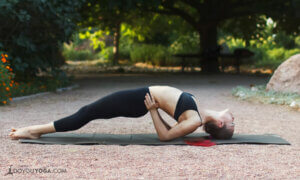
Iyengar classes involve holding poses for extended periods, with intense focus on anatomical alignment and the subtle actions within each posture. The use of props allows practitioners of all levels and physical conditions to access poses safely and effectively, providing support where needed and intensifying sensation when appropriate. This style is particularly beneficial for those recovering from injuries, individuals with chronic conditions, or anyone seeking to develop a profound understanding of their body’s mechanics and precise alignment. Its methodical nature and therapeutic benefits ensure its continued relevance within the diverse yoga community.
Broader Implications and Industry Reactions
The findings of the DoYou Global Yoga Survey offer critical insights into the contemporary wellness landscape. The dominance of Vinyasa Flow, alongside the strong showing of Hatha and Restorative styles, suggests a dual demand among practitioners: a desire for vigorous physical activity and a concurrent need for stress reduction and deep relaxation. This indicates a maturing market where individuals are seeking comprehensive benefits from their yoga practice—physical conditioning, mental clarity, and emotional well-being.
Speaking on the survey’s implications, a spokesperson for DoYou.com remarked, "The sheer volume of global participation underscores yoga’s universal appeal. The data clearly shows that while dynamic, fitness-oriented styles resonate deeply with a large segment, there’s also a significant and sustained appreciation for practices that emphasize mindfulness, stretching, and restoration. This speaks to yoga’s adaptability and its capacity to meet diverse human needs across cultures."

Wellness experts concur, noting that these trends will likely influence how yoga studios and online platforms design their offerings. "The survey results provide a clear mandate for diversity in class schedules," states Dr. Anya Sharma, a renowned wellness consultant. "Studios that offer a balanced menu—from high-energy flows to deeply calming restorative sessions—are best positioned to attract and retain a broad base of clients. It also highlights the growing integration of yoga into holistic health regimes, moving beyond just physical exercise to encompass mental and emotional well-being."
The global reach of the survey also reinforces yoga’s status as a truly international phenomenon. The fact that participants from 124 countries reported similar preferences, with variations reflecting regional adaptations, speaks to the underlying principles of yoga transcending cultural boundaries. This globalization suggests a continued expansion of the yoga industry, with an increasing demand for accessible, well-taught classes, both in-person and virtually.
In conclusion, the DoYou Global Yoga Survey serves as an invaluable barometer of the current state of yoga practice worldwide. It confirms the prevailing popularity of dynamic styles that offer a compelling physical workout, while simultaneously affirming the enduring value of traditional and therapeutic approaches focused on mindfulness and restoration. As the global wellness industry continues to evolve, these insights will undoubtedly guide the development of future yoga programs and offerings, ensuring that the ancient practice of yoga remains relevant and beneficial for millions around the globe. The survey not only highlights what people are practicing but also subtly reveals the multifaceted ways in which yoga enriches lives, offering pathways to strength, flexibility, peace, and self-discovery.

