

The quest for an optimal diet has long been a cornerstone of public health discourse, with researchers continually seeking reliable metrics to assess dietary quality and its impact on well-being. A key area of focus has been the evaluation of plant-based diets, which are frequently lauded for their nutrient density. However, simply adhering to a vegetarian or vegan lifestyle does not automatically guarantee superior health outcomes. Emerging research highlights the critical importance of the quality of plant-based foods consumed, leading to the development of sophisticated scoring systems like the phytochemical index. This index offers a novel approach to quantifying dietary health, moving beyond broad categories to focus on the biologically active compounds that underpin many of the benefits associated with whole plant foods.
Understanding Dietary Quality: Beyond Vegetarianism
The notion that vegetarian diets inherently possess a higher quality is supported by a significant body of scientific literature. Studies consistently demonstrate that plant-forward eating patterns tend to be more nutrient-dense compared to diets that include animal products. This higher nutrient intake is often correlated with improved health markers and reduced risk of chronic diseases. For example, a meta-analysis of numerous studies has indicated that vegetarians generally exhibit lower body weight and Body Mass Index (BMI) when compared to their non-vegetarian counterparts. Furthermore, research suggests that a high intake of fruits, vegetables, whole grains, and legumes can confer protective health benefits, irrespective of meat consumption.
However, the landscape of dietary health is nuanced. A vegetarian diet, while excluding meat, can still be laden with processed foods, refined grains like white rice and white bread, and added sugars and fats. These components, stripped of essential nutrients during processing, can undermine the potential health advantages of abstaining from animal products. Consequently, the simple label of "vegetarian" or "vegan" is insufficient to define a truly healthy diet. The critical question then becomes: how can we accurately measure and promote diets that maximize nutritional benefit?
The Phytochemical Index: A Measure of Plant Power
Scientists have long recognized the profound health importance of whole plant foods. These foods are rich in a diverse array of compounds, including vitamins, minerals, fiber, and phytochemicals. Phytochemicals, or phytonutrients, are biologically active substances naturally found in plants that are not essential for basic survival but play a crucial role in promoting health and preventing disease. They are believed to contribute to many of the protective effects observed in diets rich in fruits, vegetables, and whole grains.
In an effort to quantify the healthfulness of diets, researchers have explored various scoring systems. One approach involves tallying the intake of specific whole plant food groups, such as fruits, vegetables, whole grains, beans, legumes, nuts, and seeds, often measured per calorie or per weight. However, this method can be circumvented by individuals who consume large quantities of whole plant foods alongside less healthy options like donuts. To address this, more sophisticated proportional intake measures have been developed. These systems assess the proportion of a person’s diet that consists of whole plant foods, penalizing the score for the inclusion of animal-derived foods, added sugars, and unhealthy fats.

Among these proportional measures, the "phytochemical index" has emerged as a particularly elegant and insightful tool. Defined as the percentage of dietary calories derived from foods rich in phytochemicals, this index offers a straightforward yet powerful way to evaluate diet quality. A score ranging from 0 to 100 can be assigned based on this percentage, providing a clear benchmark for nutritional intake.
Scientific Validation and Health Implications
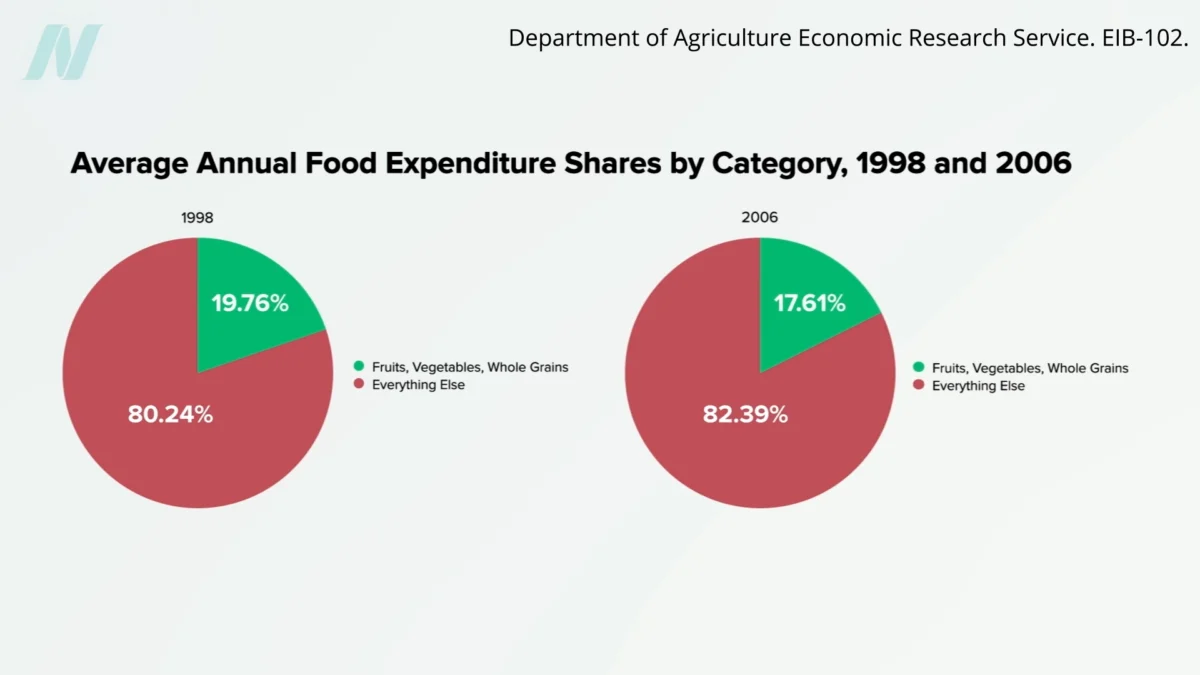
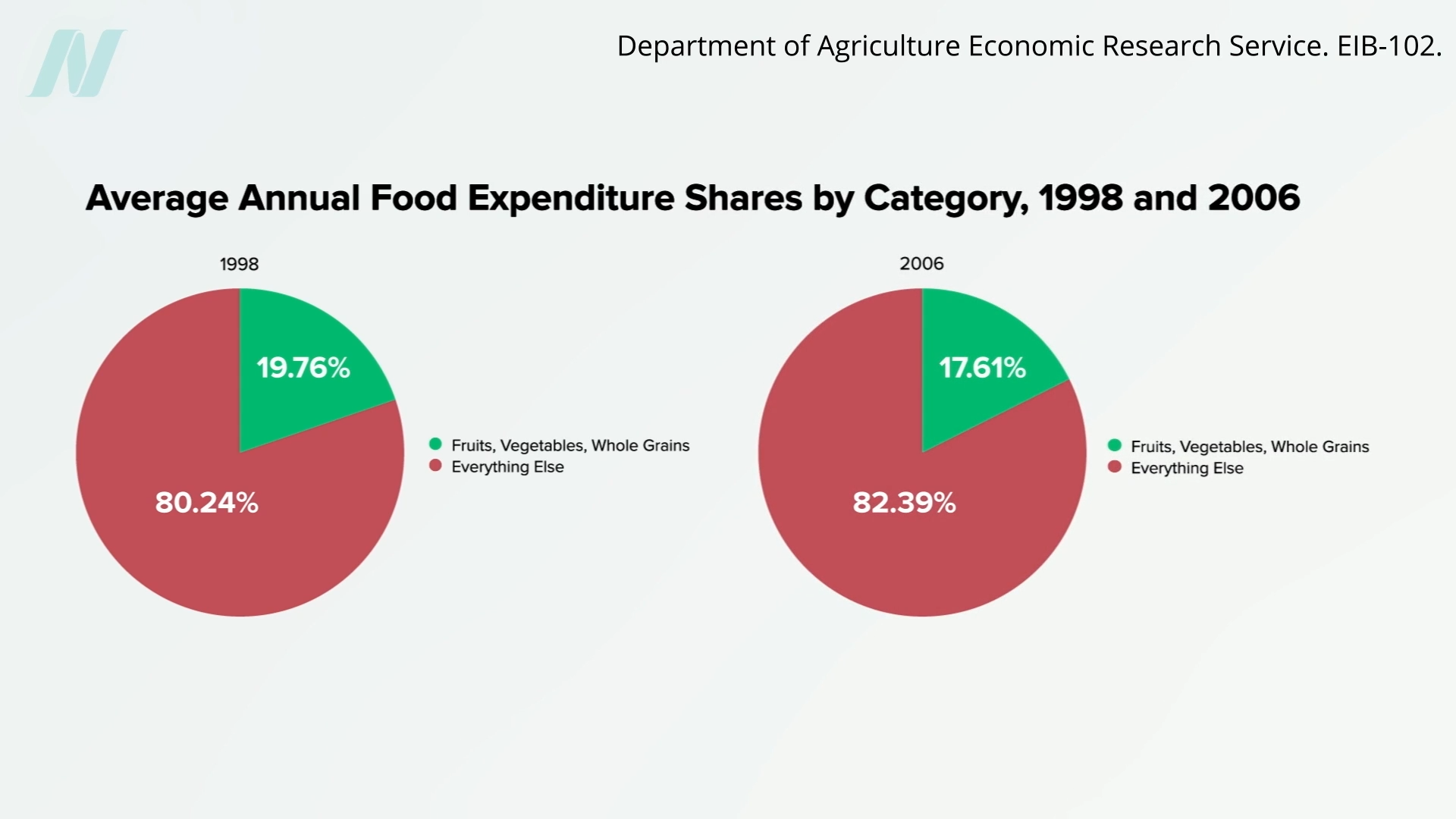
The theoretical framework for the phytochemical index suggests that a diet composed entirely of whole, unprocessed plant foods – excluding refined grains, white potatoes, hard liquors, added oils, and added sugars – could achieve a perfect score of 100. Conversely, the typical American diet, which often includes a high proportion of processed foods and animal products, may score as low as 20. This stark contrast underscores a significant public health challenge: a widespread reliance on nutrient-poor, calorie-dense foods. Data from agricultural and consumer surveys have indicated a concerning trend, with the proportion of whole plant foods in the American diet shrinking over time. In 1998, whole plant foods constituted approximately 20% of shopping baskets; more recent data suggests this figure has declined further.
The utility of the phytochemical index extends beyond theoretical assessment; it has been the subject of rigorous scientific investigation to correlate dietary patterns with tangible health outcomes. Researchers have employed this index to explore its relationship with various health indicators, yielding compelling results.
Weight Management and Body Composition
One of the most consistently observed benefits associated with higher phytochemical intake is improved weight management. Studies utilizing the phytochemical index have demonstrated a protective association with weight and BMI. For instance, researchers have tracked individuals’ weight over time, using a scale that reflects the percentage of their diet composed of whole plant foods. Even in cases where the highest-scoring individuals consumed a diet that was only about 40% whole plant foods, with the remainder comprising processed items and animal products, a substantial portion of whole plant foods was found to be instrumental in preventing weight gain and reducing body fat. This suggests that even incremental increases in whole plant food consumption can have a positive impact on body composition, dispelling the notion that drastic dietary overhauls are always necessary.
Metabolic Health and Chronic Disease Prevention
The positive effects of a high-phytochemical diet are not limited to weight management. Extensive research has linked increased intake of healthy plant foods to a reduced risk of several metabolic disorders.
- Abdominal Obesity and Triglycerides: Multiple studies have indicated that higher healthy plant intake is associated with approximately one-third fewer instances of abdominal obesity and significantly lower odds of elevated triglyceride levels. The phytochemical index has been identified as a "useful dietary target for weight loss," shifting the focus from calorie restriction to increasing the consumption of nutrient-dense, lower-calorie plant foods.
- Insulin Sensitivity and Diabetes: Individuals who consume plant-based diets, even at the same body weight and with similar amounts of abdominal fat, tend to exhibit higher insulin sensitivity. This improved insulin function is attributed, in part, to the anti-inflammatory and antioxidant compounds found in plants. The odds of hyperinsulinemia, an indicator of insulin resistance, are progressively lower with greater plant consumption. Strikingly, research has revealed a 91% lower incidence of prediabetes among individuals deriving more than half their calories from healthy plant foods.
- Metabolic Syndrome and Hypertension: Further evidence supports the role of a phytochemical-rich diet in preventing metabolic syndrome and high blood pressure. Studies have shown that individuals consuming more healthy plants experienced approximately half the odds of being diagnosed with hypertension over a three-year period.
Mental Health and Disease Risk
The benefits of a plant-forward diet may also extend to mental well-being and the prevention of certain cancers.
- Mental Health: Emerging research suggests a significant impact on mental health, with individuals consuming diets higher in healthy plant foods reporting approximately 80% less depression, two-thirds less anxiety, and 70% less psychological distress.
- Benign Breast Diseases: The phytochemical index has also been correlated with a reduced risk of benign breast conditions. Those with the highest phytochemical index scores exhibited a 70% lower likelihood of developing fibrocystic diseases, fatty necrosis, ductal ectasia, and various benign tumors.
- Breast Cancer: The association between a high intake of healthy plant foods and a lower risk of breast cancer is well-established. Studies have shown that doubling the proportion of plants in the diet compared to the standard American diet is linked to more than a 90% reduction in the odds of developing breast cancer, even after accounting for other contributing factors.
A Practical Approach to Dietary Improvement
The implications of these findings are profound. The phytochemical index provides a scientifically grounded framework for individuals and healthcare professionals to assess and improve dietary habits. While achieving a perfect score of 100 may be an aspirational goal, the research consistently demonstrates that even moderate increases in the consumption of whole plant foods can yield significant health benefits.
The concept of "all or nothing" is a misconception when it comes to healthy eating. Every step taken to incorporate more fruits, vegetables, whole grains, legumes, nuts, and seeds into one’s diet contributes to improved health outcomes. This approach empowers individuals to make sustainable dietary changes, fostering long-term well-being.
Future Directions and Clinical Utility
The clinical utility of the phytochemical index is substantial. By offering a quantifiable measure of diet quality, it can serve as a valuable tool for:
- Personalized Nutrition Advice: Healthcare providers can use the index to offer more tailored dietary recommendations, helping patients understand how to optimize their intake of nutrient-dense foods.
- Public Health Initiatives: Public health campaigns can be designed around promoting higher phytochemical intake, focusing on education about whole plant foods and their benefits.
- Research and Intervention Studies: The index provides a standardized metric for researchers to study the long-term effects of diet on various health conditions, facilitating the design of more effective intervention strategies.
While direct quantification of phytochemicals in food or tissue samples remains complex and resource-intensive, the phytochemical index offers a practical and accessible alternative for monitoring and improving dietary patterns. As research continues to unravel the intricate relationship between diet and health, the phytochemical index stands out as a promising indicator for guiding individuals toward a more vibrant and disease-resistant future.
Doctor’s Note:
Further exploration of the phytochemical index can be found in resources such as the video "Calculate Your Healthy Eating Score." For those concerned about protein intake within a plant-based framework, the video "Flashback Friday: Do Vegetarians Get Enough Protein?" offers valuable insights. The concept of gradual dietary shifts is also addressed in "Do Flexitarians Live Longer?" And for a nuanced understanding of plant-based food choices, the video "Friday Favorites: Is Vegan Food Always Healthy?" provides important context.

