

Historical Context and Native Title Success
The Kimberley’s modern identity is inextricably linked to its traditional owners. Following decades of legal advocacy and the landmark Mabo decision of 1992, the Kimberley has become a focal point for land rights in Australia. Today, approximately 70% of the region is recognized under Native Title, a legal framework that acknowledges the pre-existing rights and interests of Indigenous Australians. This demographic and legal reality has shaped the tourism industry, fostering a shift toward Indigenous-led tours and cultural preservation.
Historically, the region was one of the first areas of Australia to be settled by the ancestors of today’s Aboriginal groups. Over millennia, these groups developed complex social structures and linguistic diversity, much of which remains vibrant today despite the colonial pressures of the 19th-century pastoral and pearling booms. The transition from a purely extractive economy—focused on cattle and pearls—to a sustainable tourism model represents a significant evolution in the region’s socio-economic landscape.
1. Broome: The Gateway to the West Kimberley
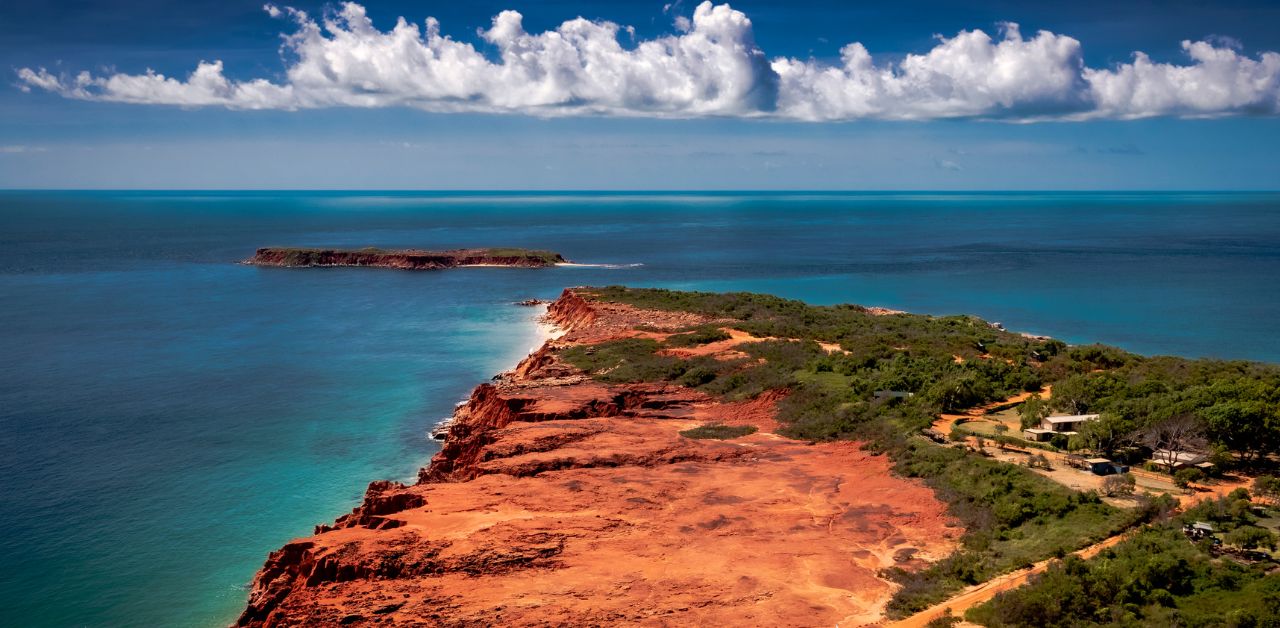
Broome serves as the primary logistical hub for the Kimberley. Originally established as a pearling port in the 1880s, the town has evolved into a multicultural center reflecting its history of Japanese, Malay, Filipino, and European migration. The pearling industry remains active through establishments like Willie Creek Pearls, but tourism is now the dominant economic driver.
Cable Beach, a 22-kilometer stretch of white sand, is Broome’s most iconic attraction. Known for its sunset camel treks and turquoise waters, it attracts thousands of visitors annually. Beyond the beach, Roebuck Bay provides a critical habitat for migratory shorebirds. The Broome Bird Observatory monitors these populations, offering data-driven insights into the health of the local ecosystem. The town’s culinary scene, featuring barramundi and local mango-infused beverages, reflects the tropical climate and maritime proximity.
2. Mitchell Falls: A Four-Tiered Natural Wonder
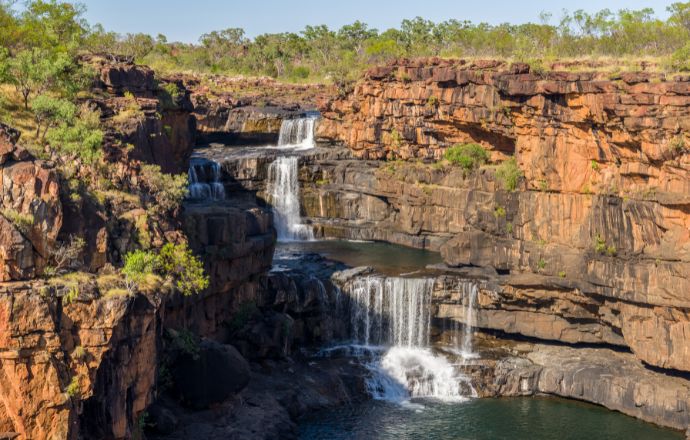
Located within the Mitchell River National Park, Mitchell Falls (known as Punamii-unpuu to the Wunambal Gaambera people) is a spectacular example of the region’s tiered river systems. The falls consist of four successive drops over sandstone ledges, creating a series of deep pools.
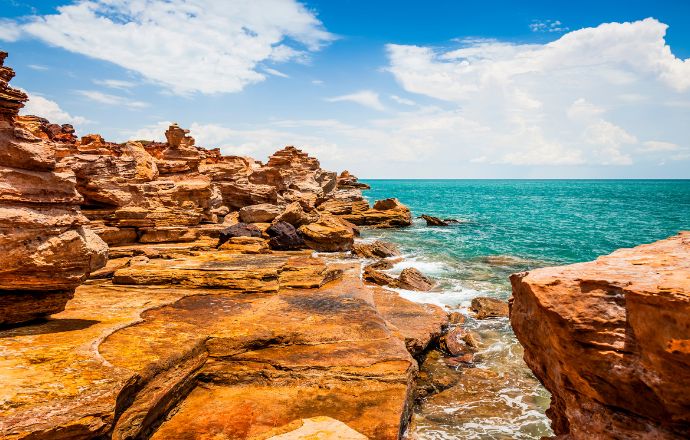
The surrounding national park is a biodiversity hotspot. Data from Western Australia’s Department of Biodiversity, Conservation and Attractions (DBCA) indicates that the park supports over 50 species of mammals and 220 species of birds. Visitors often encounter freshwater crocodiles and monitor lizards. Access to Mitchell Falls typically requires a 4WD vehicle via the Kalumburu Road or a scenic flight, highlighting the logistical challenges of Kimberley travel that contribute to its "untamed" reputation.
3. Bungle Bungle Range: UNESCO World Heritage Significance
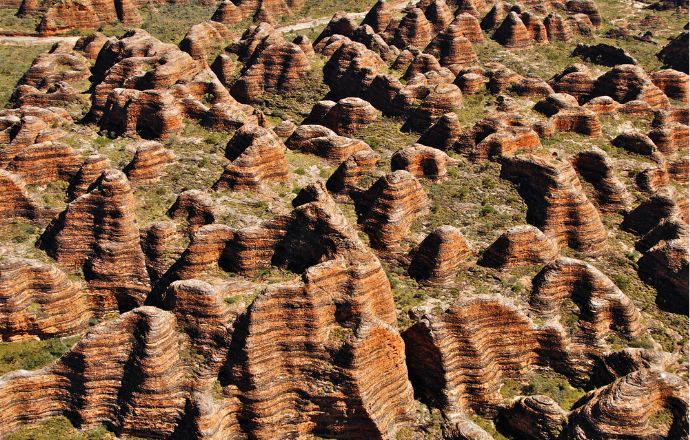
Purnululu National Park, home to the Bungle Bungle Range, was inscribed on the UNESCO World Heritage List in 2003. The range is famous for its orange-and-black striped sandstone domes, which resemble giant beehives. These formations are the result of 20 million years of erosion, with the stripes caused by alternating layers of cyanobacteria and iron oxide.
For centuries, the Bungle Bungles were known only to the local Karjaganujaru people. It was not until 1983 that the range gained international attention after a film crew documented the area. Because the terrain is exceptionally fragile and remote—spanning over 239,000 hectares—aerial tours are the preferred method of exploration to minimize the environmental footprint. Ground-based hiking trails like Echidna Chasm and Cathedral Gorge offer a closer look at the unique geology.
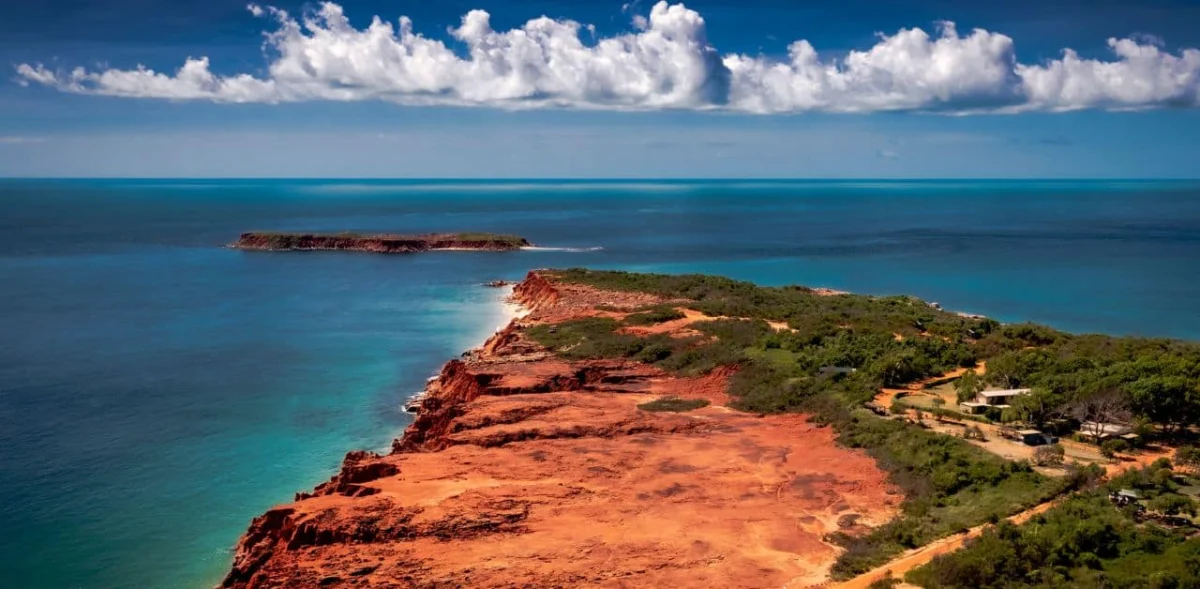
4. Lacepede Islands: An Avian Sanctuary
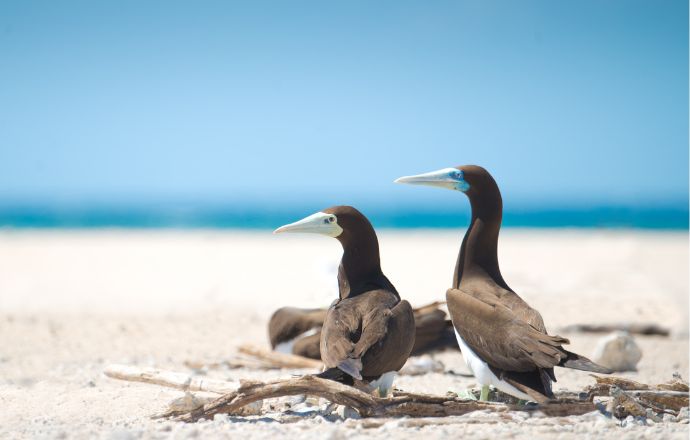
The Lacepede Islands are a chain of four low-lying coral islands located approximately 30 kilometers off the Kimberley coast. They are designated as an Important Bird Area (IBA) by BirdLife International. The islands are home to one of the world’s largest breeding colonies of Brown Boobies, with nearly 20,000 breeding pairs recorded.
In addition to their ornithological importance, the islands are a significant nesting site for Green Sea Turtles. The surrounding waters are part of a complex marine ecosystem where rare species, such as the dwarf fin whale, have been documented. Due to their status as a nature reserve, landing on the islands is strictly prohibited; however, small-ship cruises and zodiac tours allow for close-range wildlife observation without disturbing the nesting sites.
5. King George Falls: The Highest Twin Falls in Western Australia
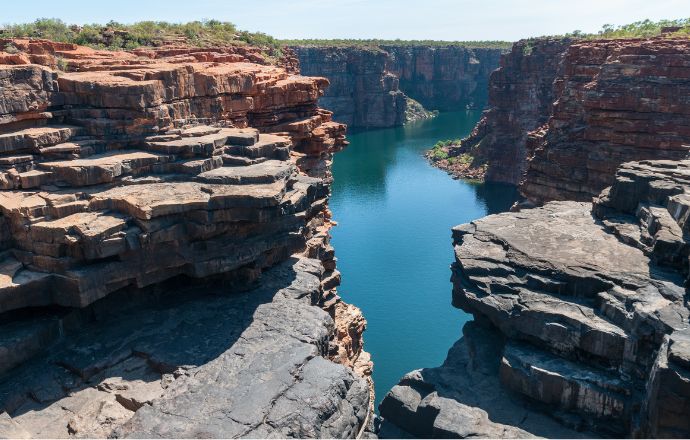
The King George River culminates in a dramatic 80-meter drop known as King George Falls. These twin waterfalls are the highest in the state and represent a significant geological landmark. The falls are particularly powerful during the wet season (December to March), though they remain a visual marvel year-round due to the sheer red sandstone cliffs that frame them.
Accessibility remains a barrier to mass tourism, as the falls are unreachable by road. This isolation has preserved the site’s pristine condition. Most visitors arrive via expedition cruise ships that navigate the King George River, providing a perspective of the ancient gorge systems. The falls gained cinematic fame as a filming location for the 2008 epic Australia, which helped boost the region’s international profile.
6. Horizontal Falls: A Unique Tidal Phenomenon
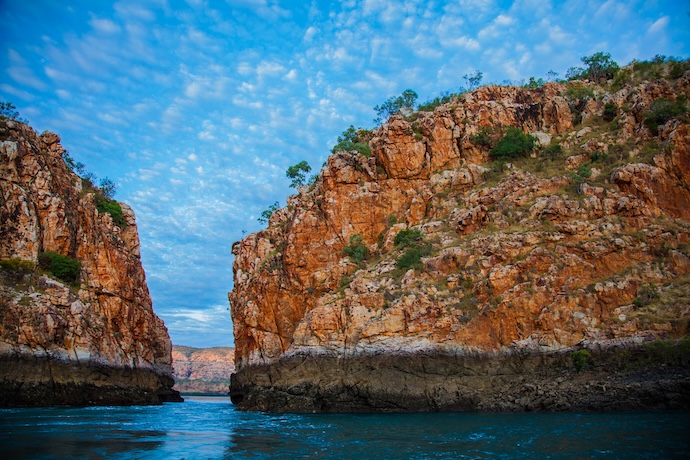
Described by David Attenborough as "one of the greatest natural wonders of the world," the Horizontal Falls in Talbot Bay are not waterfalls in the traditional sense. Instead, they are caused by massive tidal shifts—sometimes exceeding 10 meters—forcing water through two narrow mountain gaps in the McLarty Range.
This creates a "horizontal" waterfall effect as the water builds up on one side of the gap faster than it can flow through. The direction of the "falls" reverses with each change of the tide. This site serves as a prime example of the Kimberley’s extreme tidal ranges, which are among the highest in the world. Tourism operators use specially designed high-powered boats to navigate the rapids, though recent discussions between the state government and traditional owners have focused on balancing adventure tourism with cultural respect for the site.
7. El Questro Wilderness Park: An Outback Institution
El Questro encompasses 700,000 acres of diverse terrain, ranging from thermal springs to rugged rainforest pockets. Formerly a working cattle station, it has become a model for large-scale wilderness management. The park offers a variety of ecosystems, including the Pentecost River, which is a renowned spot for barramundi fishing and crocodile spotting.
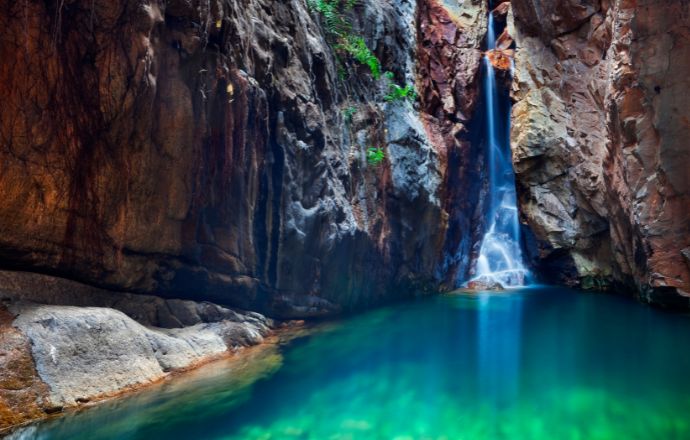
The Emma Gorge Trail is the park’s most popular hike, leading to a 65-meter waterfall and a cool pool. For those seeking relaxation, the Zebedee Thermal Springs offer permanent 32-degree Celsius water surrounded by prehistoric Livistona palms. The management of El Questro emphasizes "tread light" tourism to protect the fragile riparian zones from the impact of high visitor numbers.
8. Buccaneer Archipelago: A Thousand-Island Wilderness
The Buccaneer Archipelago consists of between 800 and 1,000 islands scattered across the Timor Sea. The geology of these islands is ancient, with rocks dating back over two billion years. The archipelago’s complex coastline creates a maze of secluded bays and white sand beaches.
The region is a haven for marine biodiversity. Scuba diving and snorkeling reveal vibrant coral reefs inhabited by reef sharks and sea snakes. The islands are also culturally significant, containing numerous Indigenous rock art sites and evidence of long-term occupation. Because the currents in the archipelago are notoriously treacherous, the area remains one of the most untouched marine environments in Australia, accessible primarily to experienced mariners and organized expedition cruises.
9. Gibb River Road: The Heart of Kimberley Adventure
The Gibb River Road is a 660-kilometer former beef cattle route that runs through the center of the Kimberley, connecting Derby and Kununurra. It is regarded as one of the world’s premier 4WD adventures. The road provides access to a string of national parks and gorges, including Windjana Gorge and Bell Gorge.
Windjana Gorge is particularly significant for its fossilized Devonian reef system, which dates back 350 million years. The gorge is also famous for its high concentration of freshwater crocodiles, which are frequently seen basking on the banks of the Lennard River. The transition of the "Gibb" from a functional industrial road to a tourist icon reflects the broader economic shifts in Western Australia toward the service and experience sectors.
10. Jar Island: A Gallery of Ancient Art
Jar Island, located in the Vansittart Bay area, is a site of immense archaeological and historical value. It is best known for its "Gwion Gwion" (or Bradshaw) rock art. These paintings, characterized by highly detailed, slender human figures adorned with tassels and ornaments, are estimated to be between 15,000 and 20,000 years old, making them some of the oldest figurative paintings in the world.
The island also provides evidence of early international contact. Shards of pottery left by Macassan traders from Indonesia indicate a long history of maritime trade involving the collection of trepang (sea cucumber). Furthermore, the presence of World War II aircraft wrecks in the vicinity adds a layer of modern history, illustrating the Kimberley’s role in regional defense.
Broader Implications and Future Outlook
The Kimberley’s rise as a global destination carries significant implications for conservation and Indigenous sovereignty. As tourism numbers increase, the Western Australian government has expanded the Great Kimberley Marine Park, which aims to protect the coastline from industrial threats while allowing for sustainable recreational use.
The economic impact is substantial; tourism in the Kimberley region contributes hundreds of millions of dollars to the state economy annually. However, the future of the region depends on a delicate balance. Climate change poses a threat to the delicate reef systems and migratory bird patterns, while the "over-tourism" of certain sites like Horizontal Falls has led to new management plans that prioritize cultural sensitivity over high-octane thrills.
In conclusion, the Kimberley is more than a collection of scenic landmarks; it is a living landscape that bridges deep geological time with a vibrant, modern Indigenous culture. For the visitor, it offers a rare opportunity to witness nature at its most primal, provided that the principles of environmental stewardship and cultural respect remain at the forefront of the travel experience.

