

The pursuit of effective hair loss treatments has long been a significant concern for individuals worldwide, leading to a vast and often unregulated market of remedies. Among the myriad of options available, only a select few have garnered approval from the U.S. Food and Drug Administration (FDA) for their proven efficacy. Two of the most prominent are finasteride, marketed as Propecia, and minoxidil, known as Rogaine. While these medications offer potential benefits for hair regrowth, a thorough understanding of their mechanisms, efficacy, and importantly, their associated risks and side effects is crucial for informed consumer decision-making. This article delves into the scientific basis of these treatments, explores their historical context, and analyzes the implications of their use, drawing upon current research and expert insights.
The Landscape of Hair Loss Treatments: From Anecdote to FDA Approval
The internet, a seemingly endless repository of information, presents consumers with an overwhelming array of purported hair loss solutions. However, a critical distinction exists between anecdotal claims and scientifically validated treatments. Many over-the-counter supplements, often marketed with compelling narratives, lack robust scientific evidence to support their hair growth claims. In contrast, FDA-approved medications like Propecia and Rogaine are backed by rigorous clinical trials and regulatory oversight.
The financial implications are also noteworthy. While some unregulated supplements can command prices exceeding $1,000 annually, FDA-approved drugs typically fall within a more accessible range of $100 to $300 per year. This cost disparity, however, should not overshadow the potential for adverse effects associated with these pharmaceuticals.
Propecia (Finasteride): Mechanism, Benefits, and Significant Risks
Propecia, the brand name for finasteride, operates by inhibiting the enzyme 5-alpha reductase. This enzyme plays a critical role in the conversion of testosterone, the primary circulating androgen in men, into dihydrotestosterone (DHT). DHT is a more potent androgen and is widely recognized as a key factor in the miniaturization of hair follicles, leading to male-pattern baldness. By reducing DHT levels, finasteride aims to slow hair loss and, in some cases, promote regrowth.
The efficacy of finasteride in treating male-pattern baldness has been demonstrated in numerous studies. Clinical trials have shown significant improvements in hair count and hair thickness for a substantial percentage of users. For instance, a pivotal study published in the Journal of the American Academy of Dermatology demonstrated that 83% of men treated with finasteride maintained or increased their hair count after two years of treatment.
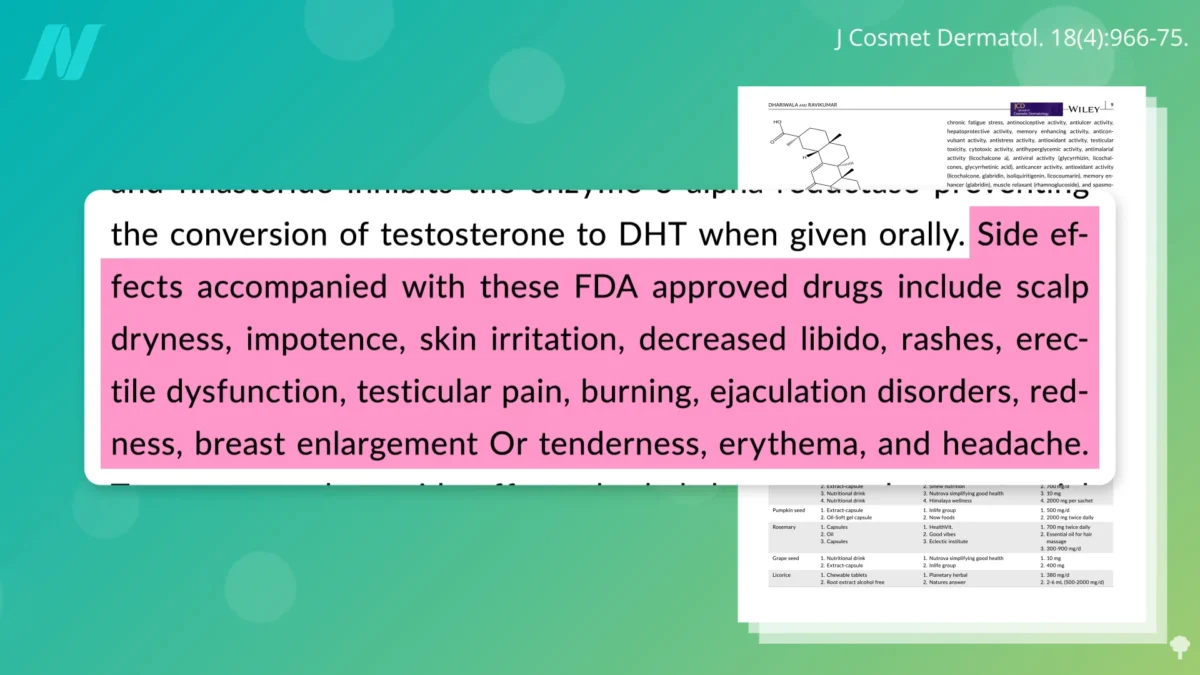
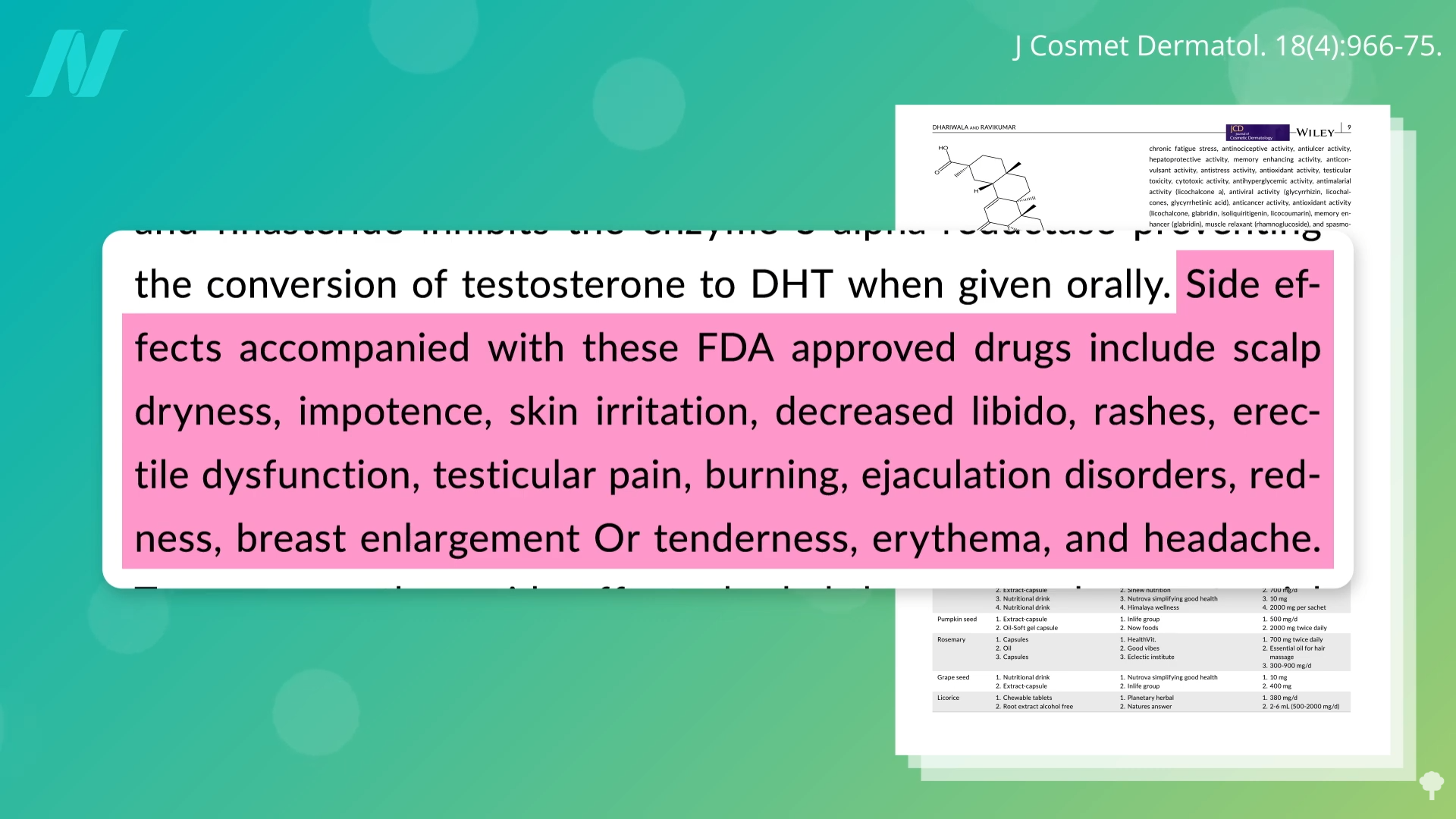
However, the therapeutic benefits of Propecia are accompanied by a spectrum of potential side effects, many of which are hormonal in nature. These can include a diminished libido, erectile dysfunction, and ejaculatory disorders. In some instances, these sexual side effects have been reported to persist even after discontinuation of the medication, a phenomenon that has garnered significant attention and concern within the medical community.
Timeline of Disclosure and Evolving Understanding of Finasteride’s Risks:
- 1990s: Finasteride is initially approved by the FDA as Proscar for benign prostatic hyperplasia (BPH).
- 1997: Finasteride is approved as Propecia for the treatment of male-pattern baldness. Initial warnings regarding sexual side effects are present but are often perceived as rare and reversible.
- 2000s: Anecdotal reports and early studies begin to highlight the possibility of persistent sexual side effects. Regulatory bodies, including the FDA, initiate reviews.
- 2011: The FDA strengthens its warnings on Propecia labels to include information about persistent sexual side effects, such as decreased libido, erectile dysfunction, and ejaculation disorders.
- 2012 onwards: Further research, including meta-analyses and observational studies, continues to investigate the prevalence and duration of these side effects. Studies examining cerebrospinal fluid (CSF) neurosteroid levels in individuals with persistent effects suggest potential alterations in brain chemistry that may underlie these long-term issues.
The potential for persistent sexual dysfunction is a critical concern. Studies have indicated that a notable percentage of users may experience these issues for six years or longer after discontinuing the drug, suggesting a possible permanent impact. The underlying mechanism for this persistence is still under investigation, but research points towards potential structural changes in brain regions responsible for sexual function and alterations in neurosteroid levels. This has led to recommendations for prescribers and patients to be fully aware of these serious long-term risks, especially considering Propecia is often used for a cosmetic purpose.
Minoxidil (Rogaine): Topical Application and Its Associated Side Effects
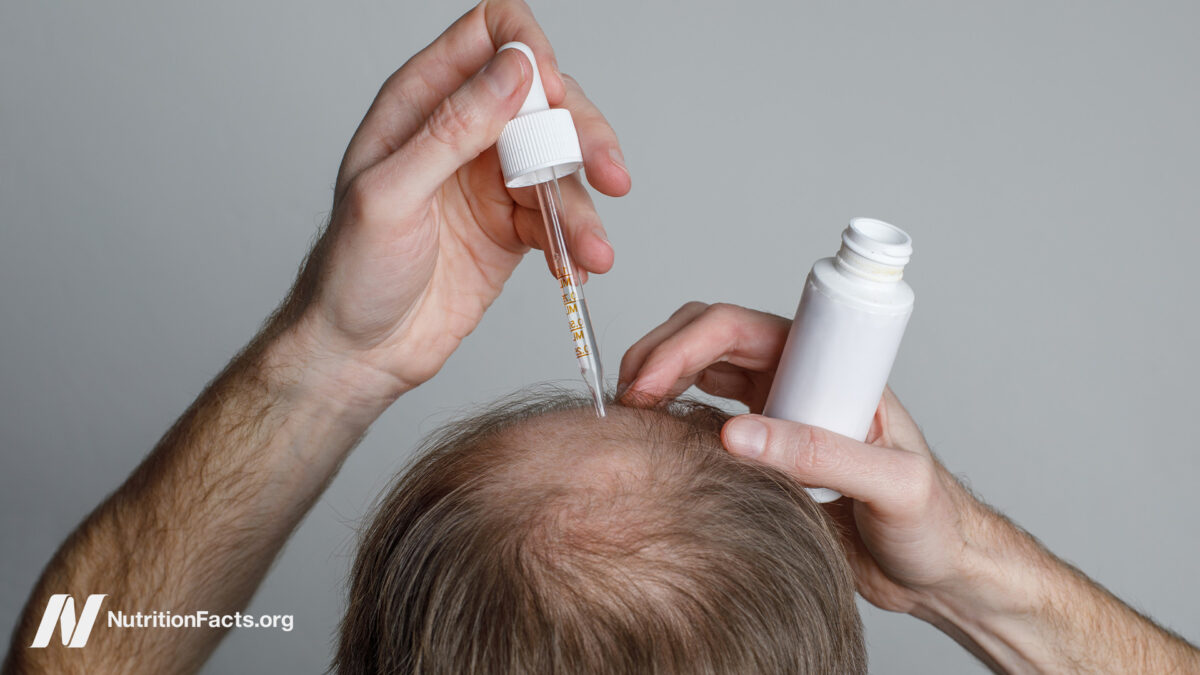
Minoxidil, marketed as Rogaine, is a topical solution or foam applied directly to the scalp. Its exact mechanism of action in promoting hair growth is not fully understood, but it is believed to work by widening blood vessels, thereby increasing blood flow to the hair follicles, and potentially prolonging the anagen (growth) phase of the hair cycle.
Rogaine is available in both over-the-counter and prescription strengths. It has demonstrated efficacy in slowing hair loss and stimulating hair regrowth in both men and women. Clinical trials have shown that a significant proportion of users experience some degree of hair regrowth with consistent application. For example, studies have reported that approximately 60% of users see some benefit after one year of consistent use of the 5% solution.
The side effects associated with topical minoxidil are generally less severe and more localized compared to finasteride. The most common side effect is scalp irritation, including itching, redness, and dryness. In some cases, users may experience unwanted hair growth in other areas of the body due to accidental spread of the medication. Systemic absorption is minimal, but in rare instances, it can lead to dizziness or rapid heartbeat.
The Broader Context: Androgens and Historical Parallels
Understanding the hormonal underpinnings of hair loss and the actions of drugs like Propecia requires a brief look at the role of androgens. As mentioned, androgens, including testosterone, are crucial for hair growth. Historical research, dating back half a century, demonstrated a clear link: castration in men halted hair loss, a testament to the power of these hormones.
This historical context also brings to light a disturbing chapter in medical history: the use of castration and sterilization for eugenic purposes in the United States. In the early 20th century, driven by misguided ideologies, individuals deemed "mentally handicapped" were forcibly sterilized or castrated under eugenics laws, some of which were upheld by the U.S. Supreme Court. This dark period highlights the profound impact of hormonal manipulation and underscores the ethical considerations surrounding interventions that alter fundamental biological processes. The fact that "retarded persons" were routinely sterilized without consent or knowledge, and that the United States was a pioneer in implementing such laws, serves as a stark reminder of the potential for scientific advancement to be misused. The observation that "The Germans are beating us at our own game" from proponents of these policies in the 1930s reveals a disturbing nationalistic fervor driving these unethical practices.
Analysis of Implications: The Trade-off Between Cosmetics and Health
The availability of FDA-approved drugs for hair loss presents individuals with a significant trade-off. On one hand, Propecia and Rogaine offer the potential to address a cosmetic concern that can have a substantial impact on self-esteem and psychological well-being. On the other hand, these treatments are not without their risks, particularly finasteride, which can lead to serious and potentially long-lasting hormonal and neurological side effects.
The fact that Propecia can affect the brain chemistry related to sexual function, as evidenced by altered neurosteroid levels in the CSF of individuals with persistent sexual dysfunction, is a critical piece of information. This suggests that the drug’s impact may extend beyond peripheral hormonal changes, raising questions about its long-term safety profile for a condition that is not life-threatening.
The medical community is increasingly emphasizing the need for a comprehensive discussion of these risks between healthcare providers and patients. The classification of hair loss treatments as largely cosmetic further intensifies this discussion, as the potential for significant side effects must be weighed against the primary goal of aesthetic improvement.
The Search for Alternatives and Future Directions
Despite the existence of Propecia and Rogaine, there remains a recognized need for alternative treatments for male and female pattern baldness. The current options, with their associated risks, highlight the ongoing quest for safer and more effective interventions. Research into novel therapeutic approaches is a continuous area of focus, with scientists exploring various avenues, including regenerative medicine, advanced pharmacological agents, and potentially, dietary and lifestyle interventions.
The question of whether diet can play a role in combating hair loss is a natural progression from the discussion of pharmaceutical interventions. Understanding the intricate relationship between nutrition and hair health is an emerging field with the potential to offer complementary or alternative strategies for individuals seeking to maintain or improve hair density and vitality. This next frontier of research promises to explore the impact of specific nutrients, dietary patterns, and the gut microbiome on hair follicle function and growth cycles, offering a potentially safer and more holistic approach to hair care.
Doctor’s Note and Related Information
This examination of hair loss treatments is part of a broader series exploring the science behind hair growth and loss. The first installment, "Do Hair Growth Supplements Work?", addressed the efficacy of non-prescription options. Future discussions will delve into the potential of dietary interventions. For those seeking information on managing antidepressant-induced sexual dysfunction, a separate resource is available, highlighting the complex interplay between medication, physiology, and well-being.
The ongoing evolution of our understanding of hair loss and its treatments underscores the importance of evidence-based medicine and informed patient decision-making. As research progresses, a clearer picture of both the benefits and risks of available therapies will continue to emerge, empowering individuals to make the best choices for their health and well-being.

