

The landscape of North American travel has undergone a significant transformation over the last decade, with recreational vehicle (RV) camping emerging as a cornerstone of the domestic tourism industry. Central to this movement is Kampgrounds of America, Inc. (KOA), the world’s largest system of open-to-the-public campgrounds. With a network comprising more than 500 locations across the United States and Canada, KOA has redefined the outdoor hospitality experience, moving beyond the rustic "roughing it" mentality to provide a structured, amenity-rich environment for millions of modern travelers. As the RV industry continues to expand, driven by a desire for autonomy and a deeper connection with nature, understanding the logistical and operational framework of KOA is essential for both novice and veteran campers.
The Historical Evolution of Kampgrounds of America
The history of KOA is inextricably linked to the post-war boom of American highway travel. Founded in 1962 by Dave Drum in Billings, Montana, the first KOA was established to provide a convenient stopping point for travelers heading to the Seattle World’s Fair. At the time, the concept of a "commercial" campground was novel; most camping took place in public parks or undeveloped land. Drum’s vision was to provide reliable amenities—hot showers, clean restrooms, and a small store—to travelers who desired the freedom of the road without sacrificing basic comforts.
By 1963, the success of the Billings location led to the formalization of the franchise model, allowing KOA to expand rapidly across North America. Over the subsequent six decades, the company has navigated various economic cycles and shifts in consumer behavior. The 1970s energy crisis forced the industry to adapt to smaller, more fuel-efficient vehicles, while the 1990s and 2000s saw the rise of the "mega-motorhome." Most recently, the COVID-19 pandemic served as a massive catalyst for the industry. According to KOA’s annual North American Camping Report, the period between 2020 and 2023 saw a record influx of first-time campers, many of whom utilized RVs as "mobile offices" or "safe bubbles" for family vacations.
The Growth of the RV Demographic
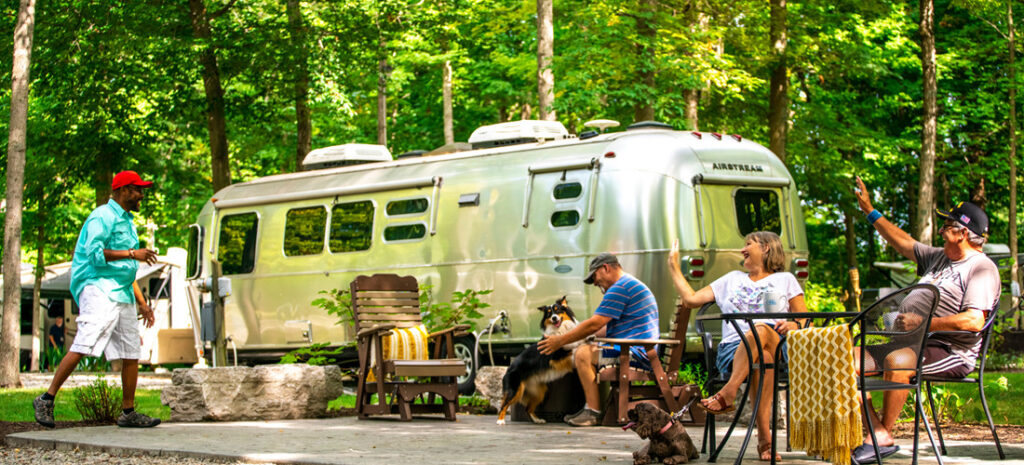
The demand for quality RV infrastructure is supported by robust industry data. The RV Industry Association (RVIA) reports that approximately 11.2 million households in the United States own an RV, a 62% increase over the last twenty years. Furthermore, the demographic profile of the average RVer is shifting. While historically associated with retirees (often referred to as "snowbirds"), the current market is seeing a surge in younger participants. Nearly one-third of all RV owners are now between the ages of 18 and 34, and these younger cohorts are increasingly prioritizing campsites that offer high-speed internet and proximity to urban centers alongside traditional outdoor activities.
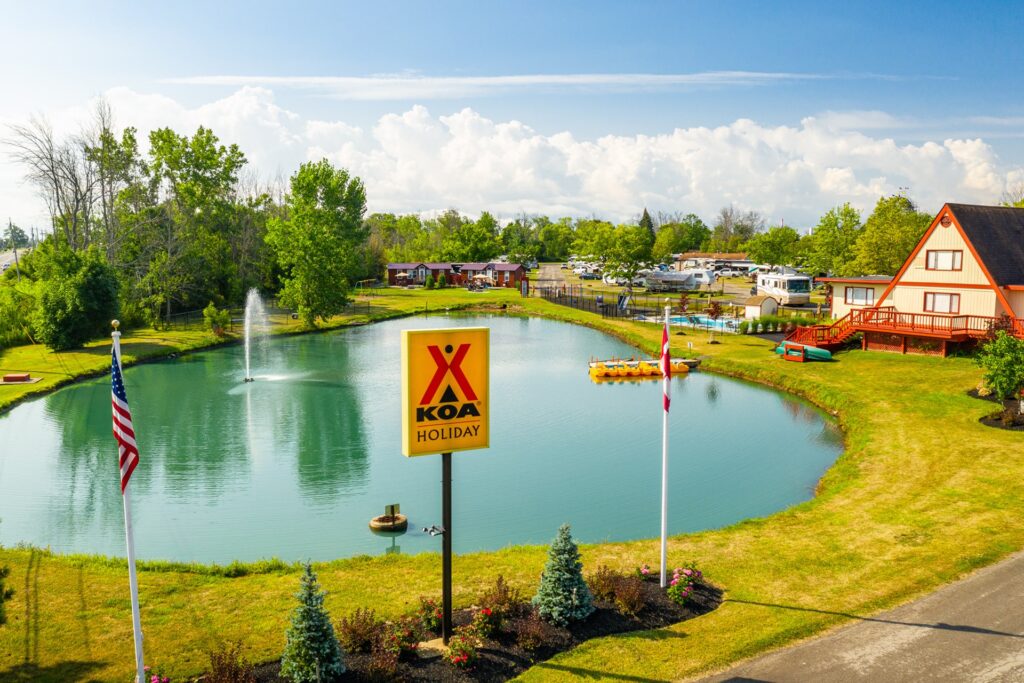
KOA has positioned itself to capture this diverse market by categorizing its locations into three distinct brands: KOA Journey, KOA Holiday, and KOA Resort. This segmentation allows travelers to align their expectations with the specific offerings of a site, whether they are seeking a quick overnight stop or a multi-week destination experience.
Strategic Segmentation: Journey, Holiday, and Resort
To maintain consistency across a massive franchise network, KOA introduced a branding system that categorizes each location based on its intended use and amenity level. This strategy ensures that the "Yellow Sign" brand promise is met regardless of the specific geography.
KOA Journey
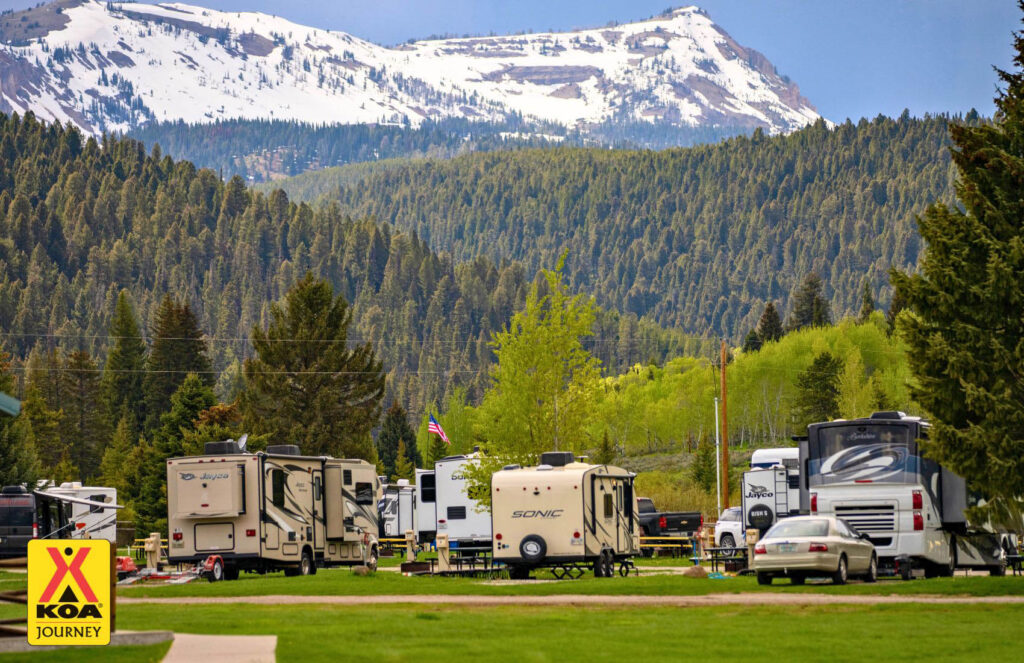
Designed for the "Cross-Country Voyager," KOA Journey locations are typically situated near major highways and thoroughfares. These campgrounds focus on convenience and efficiency. They feature well-lit environments, easy after-hours check-in procedures, and long pull-through sites that allow large rigs to enter and exit without unhooking tow vehicles. While they provide essential amenities like clean showers and laundry facilities, they are intended as high-quality waypoints rather than final destinations.
KOA Holiday
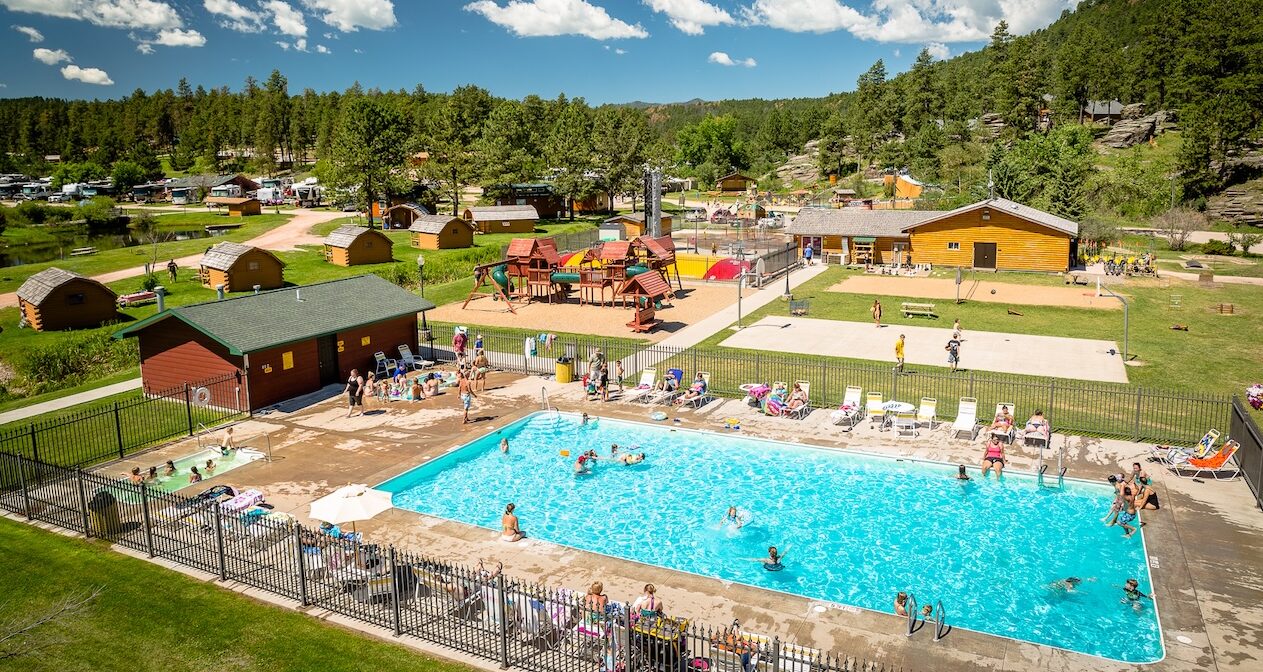
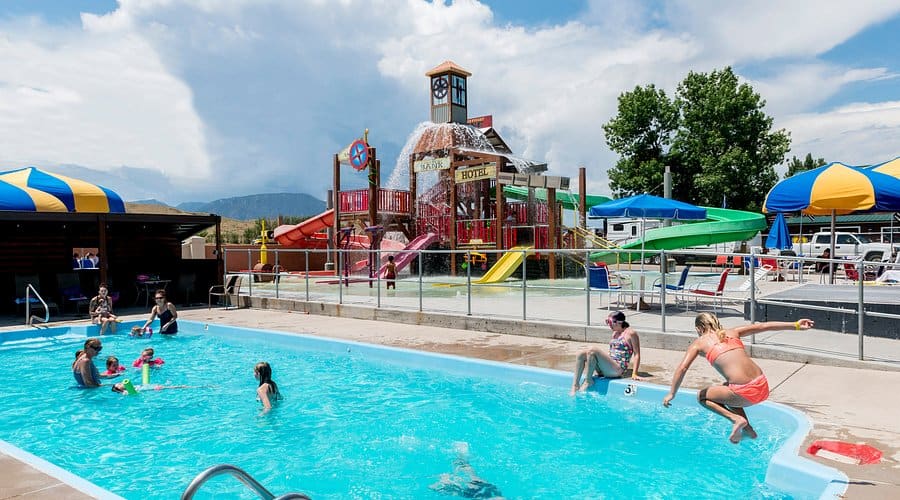
The "Weekend Warrior" and the "Family Vacationer" typically gravitate toward KOA Holiday locations. These sites serve as a base camp for exploring local attractions or enjoying the great outdoors. They offer an expanded suite of amenities, including upgraded patio sites, organized group activities, and enhanced playgrounds. The Holiday brand is designed to be a destination in its own right, often featuring swimming pools and communal fire pits that foster a neighborhood atmosphere.
KOA Resort
Representing the pinnacle of the KOA system, the KOA Resort brand is tailored for "Snowbirds" and luxury travelers. These locations offer a full-service vacation experience, often including on-site dining, resort-style pools with cabanas, fitness centers, and concierge services. KOA Resorts are characterized by their staff-led activities, which may range from outdoor cinema nights to guided nature tours. These locations are designed for extended stays, providing a high level of comfort that rivals traditional hotels.
Technical Infrastructure: Hookups and Site Logistics
A primary draw of the KOA network is its standardized approach to RV site logistics. For many RVers, the quality of "hookups"—the connections for electricity, water, and sewage—is the most critical factor in choosing a campsite. KOA offers three primary levels of service:
- Full Hookups: These sites provide 30-amp or 50-amp electrical service, a pressurized water connection, and a sewer outlet. This is the standard for modern motorhomes and fifth-wheels, allowing for the continuous use of appliances, air conditioning, and onboard plumbing.
- Partial Hookups: Typically offering water and electricity but no sewer, these sites are common for smaller trailers or pop-up campers. Most KOA locations provide a centralized "dump station" for these guests to use upon departure.
- Dry Camping/No Hookups: While less common at KOA than in National Forests, some locations offer primitive sites for van-lifers or those with robust solar power systems who prefer a more traditional camping feel.
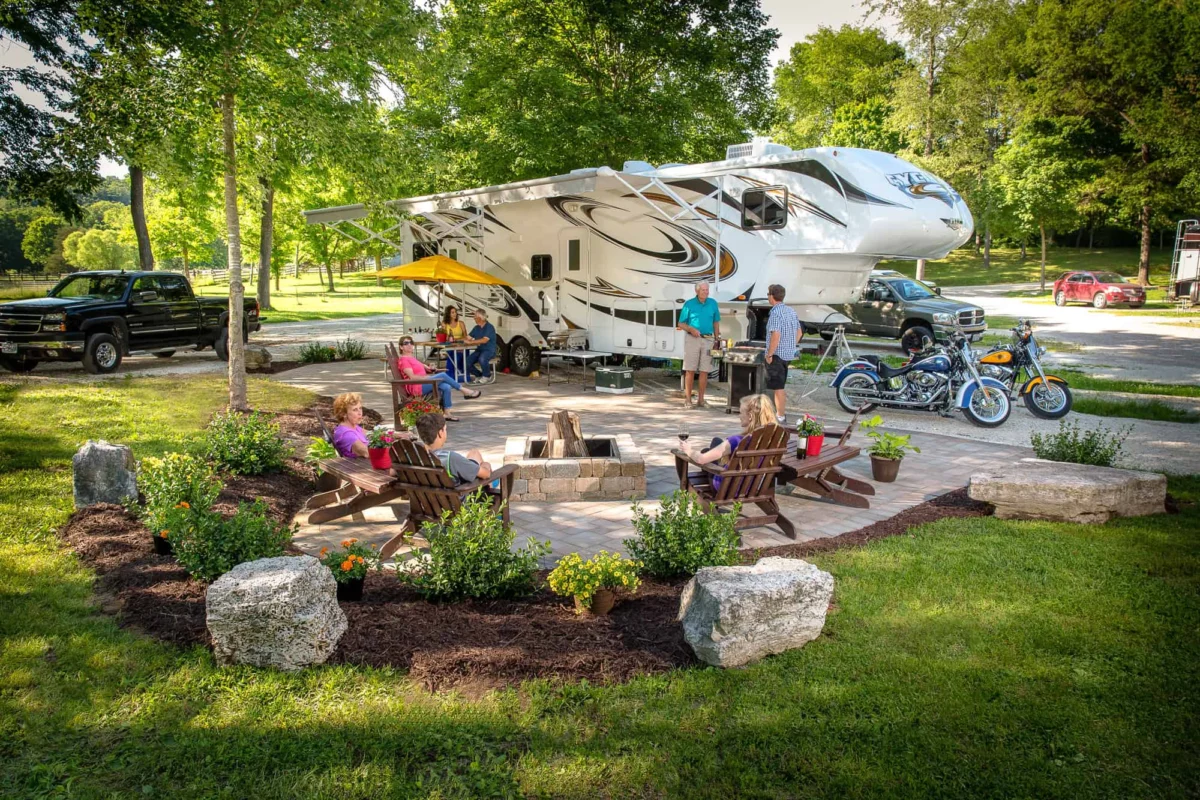
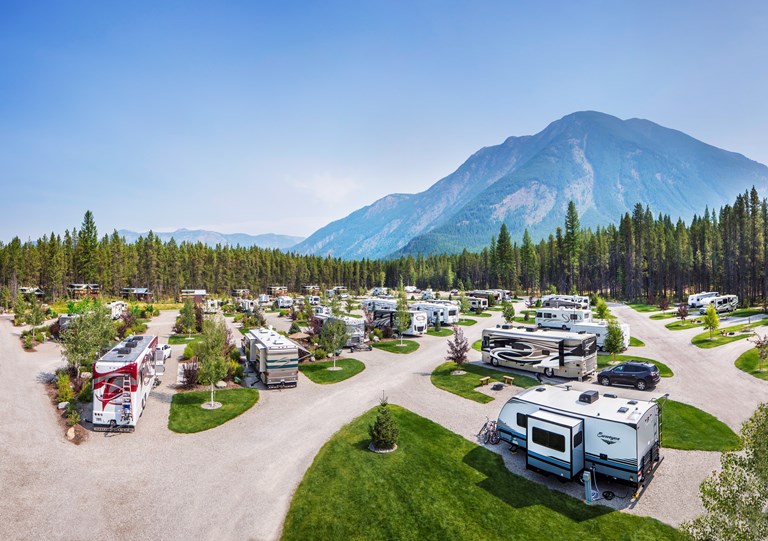
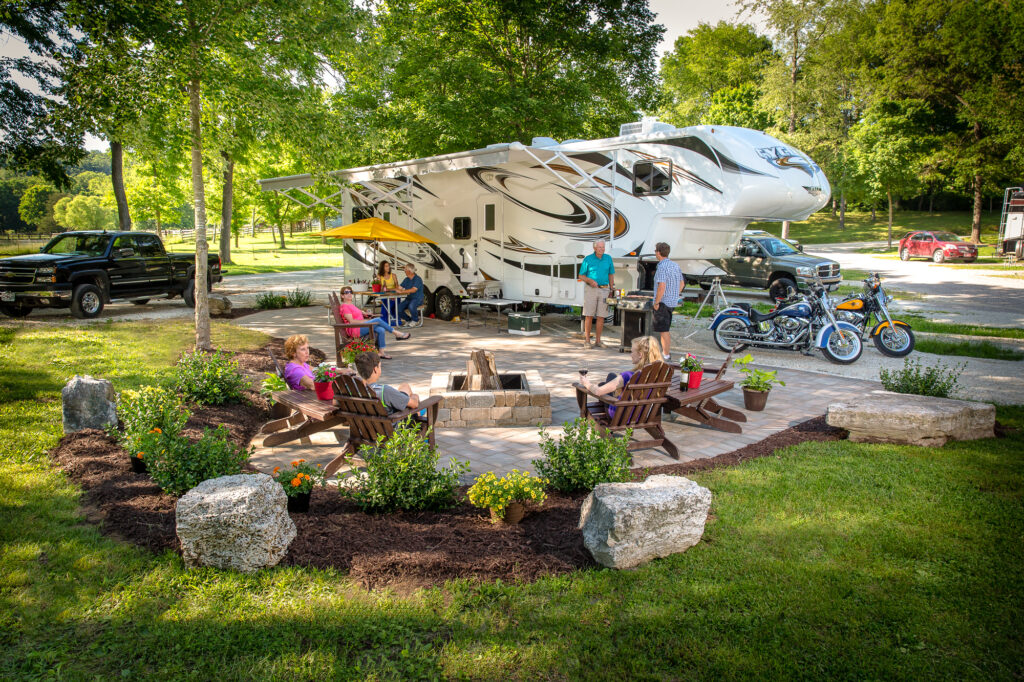
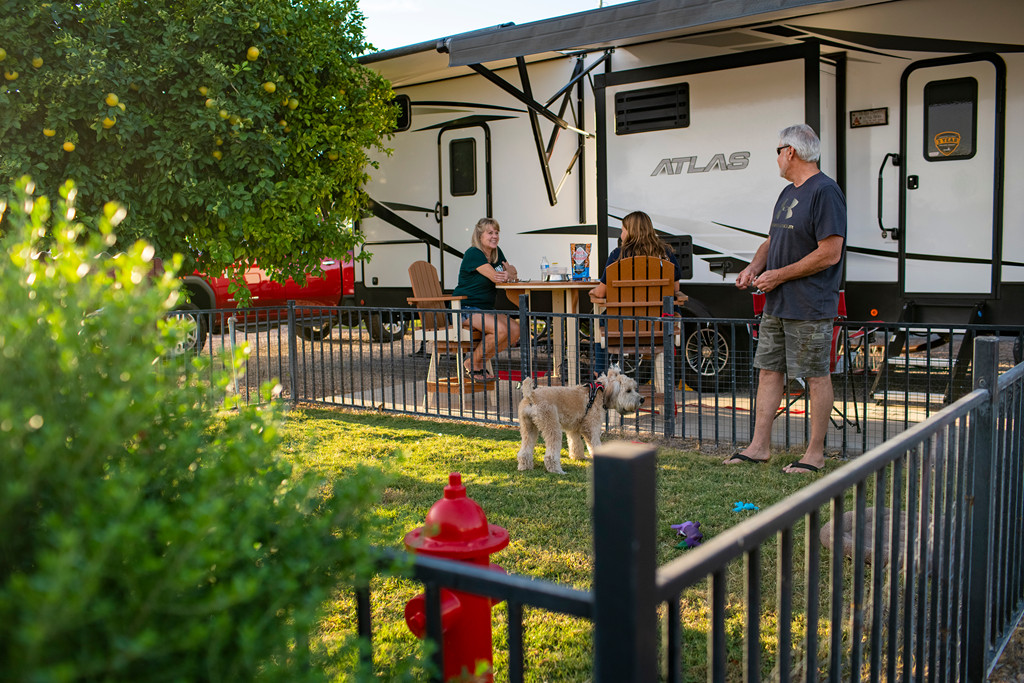
Beyond utilities, the physical layout of the site is a major consideration. Pull-through sites are highly coveted by drivers of large rigs (some of which exceed 45 feet) because they eliminate the need for complex backing maneuvers. Back-in sites, conversely, often offer more seclusion and are frequently positioned against natural features like rivers or woods. In recent years, the company has introduced KOA Patio Sites, which feature expanded hardscaped areas, high-end outdoor furniture, and dedicated fire rings, catering to the "glamping" trend within the RV community.
Economic and Health Implications of Outdoor Hospitality
The proliferation of RV camping has significant economic and psychological implications. From a financial perspective, the RV industry contributes an estimated $140 billion to the U.S. economy annually. KOA’s franchise model supports local economies by driving traffic to nearby small businesses, gas stations, and tourist attractions. Furthermore, the KOA Rewards program, which boasts millions of members, incentivizes repeat travel through a 10% discount on nightly rates and a points-based system that can be redeemed for free stays.
From a health perspective, the "nature effect" is a well-documented phenomenon. Research consistently shows that spending time in green spaces reduces cortisol levels, improves sleep quality, and boosts cognitive function. By providing a safe and accessible entry point to nature, KOA facilitates these health benefits for a population that may be intimidated by backcountry camping. The inclusion of "KampK9" dog parks at every location further enhances this by allowing travelers to bring their pets, which 43% of RVers cite as a primary motivation for their travel style.
Digital Integration and the Future of Camping
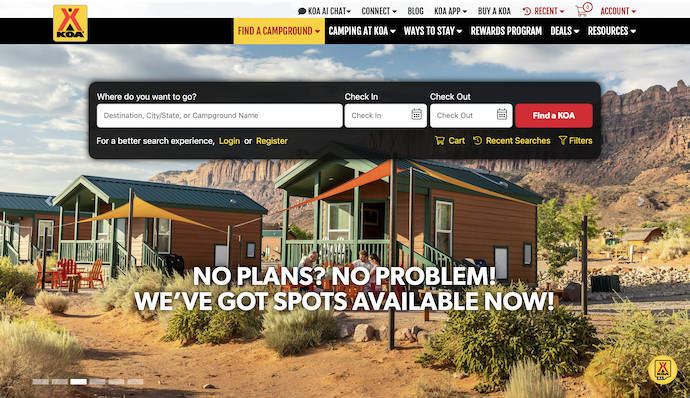
As the "work from anywhere" culture becomes permanent for many, KOA has invested heavily in digital infrastructure. The KOA app and website offer real-time availability and transparent pricing, a departure from the traditional model of calling campgrounds to inquire about space. The integration of high-speed Wi-Fi across the network has become a non-negotiable standard, as a significant portion of campers now utilize their RVs for remote work.
Looking forward, the company is also addressing the transition to electric vehicles (EVs). While most RVs are still internal combustion, the rise of electric trucks (like the Ford F-150 Lightning and Rivian R1T) used for towing has necessitated the installation of Level 2 charging stations at many campgrounds. This proactive adaptation to technological trends suggests that KOA intends to remain the market leader as the automotive industry evolves.
Professional Guidelines for an Optimized RV Experience
For travelers looking to maximize their KOA experience, industry experts and frequent campers suggest several strategic approaches. First, the "Rule of Three" is often cited: arrive at the campground by 3:00 PM, stay for at least three days to truly decompress, and stay within 300 miles of your previous location to avoid driver fatigue.
Additionally, because KOA is a franchise-based system, local staff (identifiable by their signature yellow shirts) are a primary resource for regional intelligence. These employees often possess specialized knowledge regarding local road conditions, hidden hiking trails, and the best local supply stores. Utilizing their expertise can significantly enhance the quality of a trip.
Conclusion and Broader Impact
Kampgrounds of America has successfully bridged the gap between the rugged appeal of the American wilderness and the logistical demands of modern life. By providing a tiered system of campgrounds, standardized technical hookups, and a robust digital platform, the company has lowered the barrier to entry for millions of aspiring adventurers.
As urban density increases and the pace of digital life accelerates, the role of organized campgrounds as "third places"—spaces for community and rejuvenation outside of home and work—will likely only grow in importance. KOA’s evolution from a single roadside stop in Montana to a multi-national hospitality giant reflects a broader cultural desire to reclaim the freedom of the open road without abandoning the comforts of home. For the modern traveler, KOA represents more than just a place to park an RV; it is a vital infrastructure for the pursuit of well-being in the great outdoors.

