

A comprehensive global study conducted by DoYou.com has shed significant light on the current landscape of yoga practice, revealing the most popular styles embraced by practitioners across the globe. The "DoYou Global Yoga Survey," which gathered insights from an impressive 10,000 individuals representing 124 different countries, offers a unique snapshot of prevailing preferences, motivations, and the diverse ways people engage with yoga in the 21st century. The findings underscore yoga’s widespread appeal as a versatile discipline, catering to a spectrum of physical, mental, and spiritual needs.
The survey’s primary objective was to identify emerging trends and answer critical questions about contemporary yoga practice, particularly regarding the styles most commonly adopted. The results provide valuable data for both seasoned practitioners seeking to diversify their routines and newcomers exploring the vast world of yoga. From dynamic, physically demanding flows to gentle, deeply restorative practices, the survey highlights a rich tapestry of styles that resonate with a global audience.
Understanding the Global Yoga Landscape: Survey Methodology and Scope
Launched by DoYou.com, a prominent online platform for yoga and wellness content, the "DoYou Global Yoga Survey" leveraged its extensive reach to gather a truly international dataset. The participation of 10,000 individuals from 124 countries signifies a robust and geographically diverse sample, providing high confidence in the representativeness of the findings. Participants were asked about their primary yoga style, offering direct insight into their preferred modalities. This extensive data collection allows for a unique analysis of how cultural backgrounds, lifestyle demands, and individual wellness goals influence yoga choices worldwide. The survey’s design focused on identifying practical trends, offering a data-driven perspective on a practice often perceived through anecdotal evidence.
The Top Contenders: A Detailed Look at Global Preferences
The survey meticulously categorized responses, culminating in a clear hierarchy of preferred yoga styles. The top eight styles, each with distinct characteristics and benefits, illustrate the breadth of offerings available within the yoga tradition.
1. Vinyasa Flow (57% of Respondents)
Emerging as the undisputed leader, Vinyasa Flow was cited as the primary yoga style by a commanding 57% of respondents. This widespread popularity can be attributed to its dynamic and adaptable nature. Vinyasa, which translates from Sanskrit as "to place in a special way," is characterized by its fluid, breath-synchronized movements, where poses seamlessly transition from one to the next, often resembling a dance. This continuous motion not only elevates the heart rate, providing a significant cardiovascular workout, but also builds internal heat, enhancing flexibility and detoxification.
While Vinyasa is an umbrella term that includes more structured styles like Power Yoga and Ashtanga, its broad interpretation allows for immense creativity and customization. Instructors can design diverse sequences, catering to various experience levels and thematic focuses, making it highly accessible and engaging. The emphasis on movement, physical exertion, and immediate bodily benefits—such as increased strength, flexibility, and stamina—aligns closely with modern expectations of physical exercise. Furthermore, its typically less overtly spiritual presentation makes it appealing to individuals primarily seeking fitness and stress relief without deep engagement in yogic philosophy, though mindfulness through breath is inherently present. The ability to modify flows ensures that both beginners and advanced practitioners can find challenge and reward within a Vinyasa class.
2. Hatha Yoga (42% of Respondents)
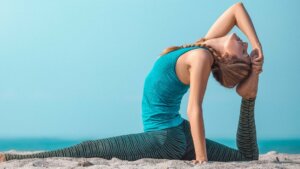
Securing the second position with 42% of the vote, Hatha Yoga stands as a foundational and broadly encompassing category within yoga. Historically, Hatha refers to any physical practice of yoga, including asanas (postures) and pranayama (breathing techniques), designed to prepare the body and mind for meditation. In contemporary Western contexts, Hatha is often framed as a slower-paced, more deliberate practice compared to the continuous flow of Vinyasa.
Hatha classes typically involve holding individual poses for longer durations, emphasizing precise alignment, stability, and deep stretching. This methodical approach allows practitioners to cultivate greater body awareness, understand the mechanics of each pose, and work deeply into muscle groups and connective tissues. Its unhurried rhythm makes Hatha an excellent entry point for beginners, providing a solid foundation in basic postures and breathing techniques. It is also highly valued by those seeking a more meditative and introspective practice, focusing on stillness and sustained engagement within poses, contributing significantly to flexibility, balance, and overall physical and mental calm.
3. Restorative Yoga (29% of Respondents)
Tied for third place with Power Yoga, Restorative Yoga garnered 29% of respondent preferences, highlighting a significant global demand for practices that emphasize deep relaxation and stress reduction. This style is characterized by its gentle, passive approach, where practitioners are supported by numerous props such as bolsters, blankets, blocks, and eye pillows. The goal is to allow the body to fully release tension and surrender into poses, which are typically held for extended periods, often five to twenty minutes or longer.
Restorative yoga works by activating the parasympathetic nervous system, responsible for the body’s "rest and digest" functions. This physiological shift helps to reduce chronic stress, alleviate anxiety, improve sleep quality, and facilitate recovery from fatigue, illness, or injury. The practice offers a profound sense of calm and rejuvenation, making it an ideal counterbalance to the stresses of modern life. It is particularly recommended for individuals experiencing burnout, chronic pain, or those simply seeking a deeply nurturing and therapeutic experience.
4. Power Yoga (29% of Respondents)
Also favored by 29% of participants, Power Yoga represents a dynamic and physically demanding evolution of Vinyasa. Originating in the West in the late 20th century, it was developed to make yoga more accessible to a fitness-oriented audience, particularly athletes, by emphasizing strength, stamina, and flexibility. While it adheres to the Vinyasa principle of linking breath with movement, Power Yoga sequences are often designed to be more challenging, incorporating longer holds, more advanced postures, and faster transitions.
Instructors in Power Yoga may introduce creative variations, focus heavily on core strength, or increase the intensity through repetitions and endurance-based sequences. The primary aim is to build physical power, tone muscles, and enhance cardiovascular fitness. It offers an intense full-body workout that can be highly effective for calorie expenditure and developing physical resilience. For those seeking a vigorous practice that pushes physical boundaries and yields tangible fitness results, Power Yoga is a compelling choice.
5. Ashtanga Yoga (25% of Respondents)
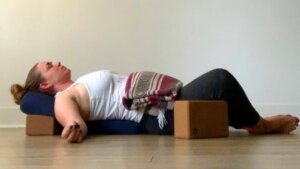
Ashtanga Yoga, practiced by 25% of respondents, is a highly structured and disciplined form of Vinyasa yoga rooted in ancient Indian traditions, popularized by K. Pattabhi Jois. What distinguishes Ashtanga is its fixed sequence of poses, known as "series." Practitioners progress through these series (Primary, Intermediate, Advanced A, B, C, D) in a prescribed order, performing the same poses in the same sequence every time.
This adherence to a consistent methodology, including specific breathing techniques (ujjayi pranayama), gazing points (drishti), and internal energy locks (bandhas), cultivates profound self-discipline, mental focus, and physical endurance. The repetitive nature of the practice allows practitioners to observe subtle changes in their bodies and minds, fostering a deep sense of introspection and measurable progress. Ashtanga is renowned for building immense strength, flexibility, and stamina, while also offering a moving meditation that calms the mind. Its rigorous and systematic approach appeals to individuals who thrive on routine, structure, and a clear path for progression in their yoga journey.
6. Yin Yoga (17% of Respondents)
Garnering 17% of responses, Yin Yoga presents a stark contrast to the more dynamic "yang" styles like Vinyasa and Ashtanga. Developed in the late 20th century, Yin Yoga draws inspiration from ancient Taoist principles and traditional Chinese medicine, focusing on the deep connective tissues of the body—fascia, ligaments, joints, and bones—rather than the muscles. Poses are typically held for much longer durations, often three to five minutes or more, with muscles relaxed.
The extended holds apply gentle stress to these connective tissues, promoting increased flexibility, joint mobility, and improved energy flow (chi or prana) throughout the body. Yin Yoga is often described as a challenging practice, not for its muscular exertion but for the mental fortitude required to remain still and present in discomfort. It encourages introspection, patience, and a deep sense of surrender. As a complementary practice, Yin Yoga is invaluable for balancing the effects of more active exercises, aiding in injury prevention, enhancing range of motion, and cultivating profound mental stillness.
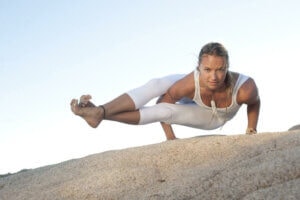
7. Bikram/Hot Yoga (10% of Respondents)
With 10% of survey participants, Bikram Yoga and its broader category, Hot Yoga, appeal to those who enjoy practicing in elevated temperatures. Bikram Yoga, specifically, is a highly regimented system developed by Bikram Choudhury, consisting of 26 postures and two breathing exercises performed in a room heated to approximately 35–42°C (95–108°F) with high humidity. This precise sequence is performed twice.
More generic Hot Yoga classes may vary in temperature and sequence, offering a broader range of Vinyasa or Hatha-inspired flows in a heated environment. The intense heat and humidity are believed to facilitate deeper stretching, promote detoxification through profuse sweating, and provide a challenging cardiovascular workout. Practitioners often report feeling deeply cleansed and invigorated after a hot yoga session. However, careful hydration before, during, and after class is paramount to prevent dehydration and ensure a safe practice. The popularity of hot yoga speaks to a desire for intense physical challenge and perceived detoxifying benefits.
8. Iyengar Yoga (8% of Respondents)
Rounding out the top eight with 8% of the vote, Iyengar Yoga is a meticulous and highly influential subset of Hatha Yoga, founded by B.K.S. Iyengar. This style is renowned for its emphasis on precision, alignment, and the extensive use of props. Unlike flow-based practices, Iyengar classes focus on holding poses for significant durations, with minute adjustments guided by the instructor to achieve perfect form.
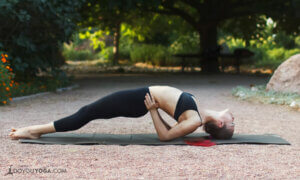
Props such as blocks, blankets, straps, chairs, and even walls are integral to Iyengar practice, allowing students of all physical abilities and limitations to access poses safely and effectively. The methodical approach cultivates acute body awareness, strengthens weak areas, and addresses postural imbalances. Iyengar Yoga is particularly valued for its therapeutic applications, often prescribed for rehabilitation from injuries and for managing various health conditions. Its intellectual rigor and systematic progression appeal to those who seek a deep understanding of anatomy, precise execution, and a practice that fosters structural integrity and long-term body health.
Industry Reactions and Implications
The findings of the DoYou Global Yoga Survey offer crucial insights for the global wellness industry, yoga studios, and individual instructors. A spokesperson for DoYou.com commented on the results, stating, "The survey unequivocally demonstrates the universal appeal and diverse applications of yoga. The overwhelming preference for Vinyasa Flow highlights a global desire for dynamic, fitness-oriented practices, while the strong showing of Hatha, Restorative, and Yin Yoga underscores the enduring need for balance, introspection, and stress relief in our fast-paced world. This data is invaluable for shaping class offerings and tailoring content to meet evolving practitioner needs."
Industry analysts suggest that the prominence of Vinyasa and Power Yoga reflects a broader trend in fitness, where individuals seek efficient workouts that deliver tangible physical results. Simultaneously, the significant adoption of slower, more restorative styles like Hatha, Restorative, and Yin points to a growing awareness of mental health, stress management, and the importance of active recovery. The structured nature of Ashtanga and Iyengar appeals to a segment of practitioners seeking discipline, precision, and a clear path for mastery.
The global nature of the survey also implies a certain homogenization of yoga preferences, with similar trends observed across continents, suggesting that the core human needs for physical well-being and mental tranquility transcend cultural boundaries. For yoga studios, these results provide a data-driven guide for curriculum development, ensuring a balanced timetable that caters to diverse preferences. For instructors, understanding these popular styles can inform their teaching methodologies and specialization paths.

The Enduring Appeal of Yoga and Its Future Trajectory
The "DoYou Global Yoga Survey" reinforces the idea that yoga is not a monolithic practice but a vast and adaptive system. Its ability to offer everything from an intense physical challenge to profound mental relaxation ensures its continued relevance in the modern world. The trends suggest a future where yoga continues to diversify, with practitioners increasingly seeking styles that precisely match their personal wellness goals, whether that’s building strength, finding stillness, or healing the body.
Ultimately, the survey’s message is one of exploration and personalization. While popular trends offer a starting point, the journey of yoga is deeply individual. Practitioners are encouraged to experiment with different styles, challenge their preconceptions, and discover the unique ways in which yoga can enrich their lives, fostering both physical vitality and inner peace. As the global community continues to embrace yoga, the insights from studies like this will be essential in navigating its dynamic evolution and ensuring its continued accessibility and benefit to all.

