

Postpartum rehabilitation is undergoing a significant paradigm shift as fitness professionals and medical practitioners move beyond traditional, limited recovery protocols toward integrated strength-based methodologies. For decades, the standard medical advice for postpartum women often concluded with a six-week "clearance" for exercise, frequently accompanied by the singular recommendation to perform Kegel exercises. However, emerging data and expert consensus suggest that a more robust, multi-faceted approach—incorporating diaphragmatic breathing, postural alignment, and progressive resistance training—is essential for long-term pelvic health and musculoskeletal integrity. This evolution in care addresses the complex physiological changes that occur during and after pregnancy, aiming to mitigate common issues such as pelvic floor dysfunction, diastasis recti, and chronic lower back pain through structured physical intervention.
The Limitations of Isolated Pelvic Floor Training
The traditional focus on Kegel exercises as the primary tool for postpartum recovery has faced increasing scrutiny from corrective exercise specialists. While pelvic floor contractions are a recognized component of rehabilitation, reliance on them in isolation can lead to suboptimal outcomes. According to clinical data, women who engage in dedicated pelvic floor training are approximately 17% less likely to report symptoms of urinary incontinence. Despite this benefit, over-reliance on Kegels can result in a "hypertonic" or overactive pelvic floor, where the muscles become chronically tense and lose their ability to relax and lengthen.
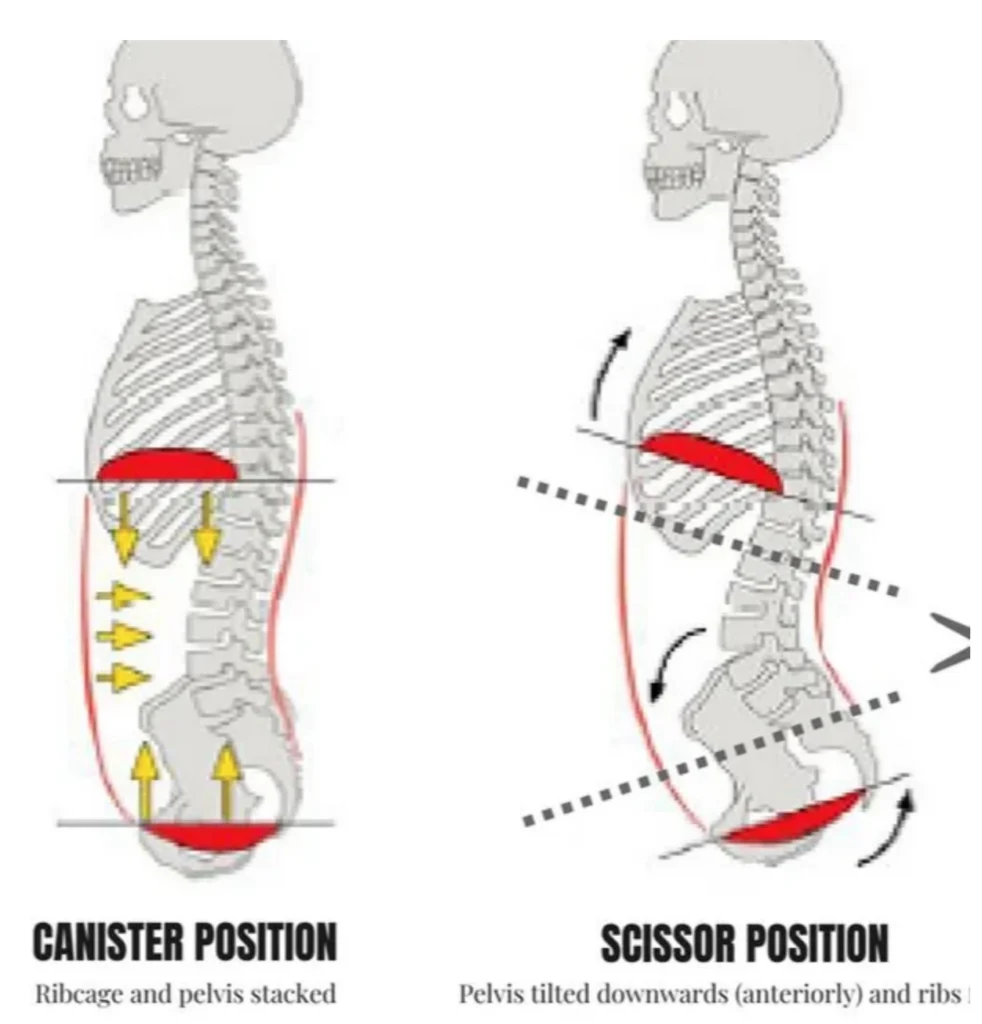
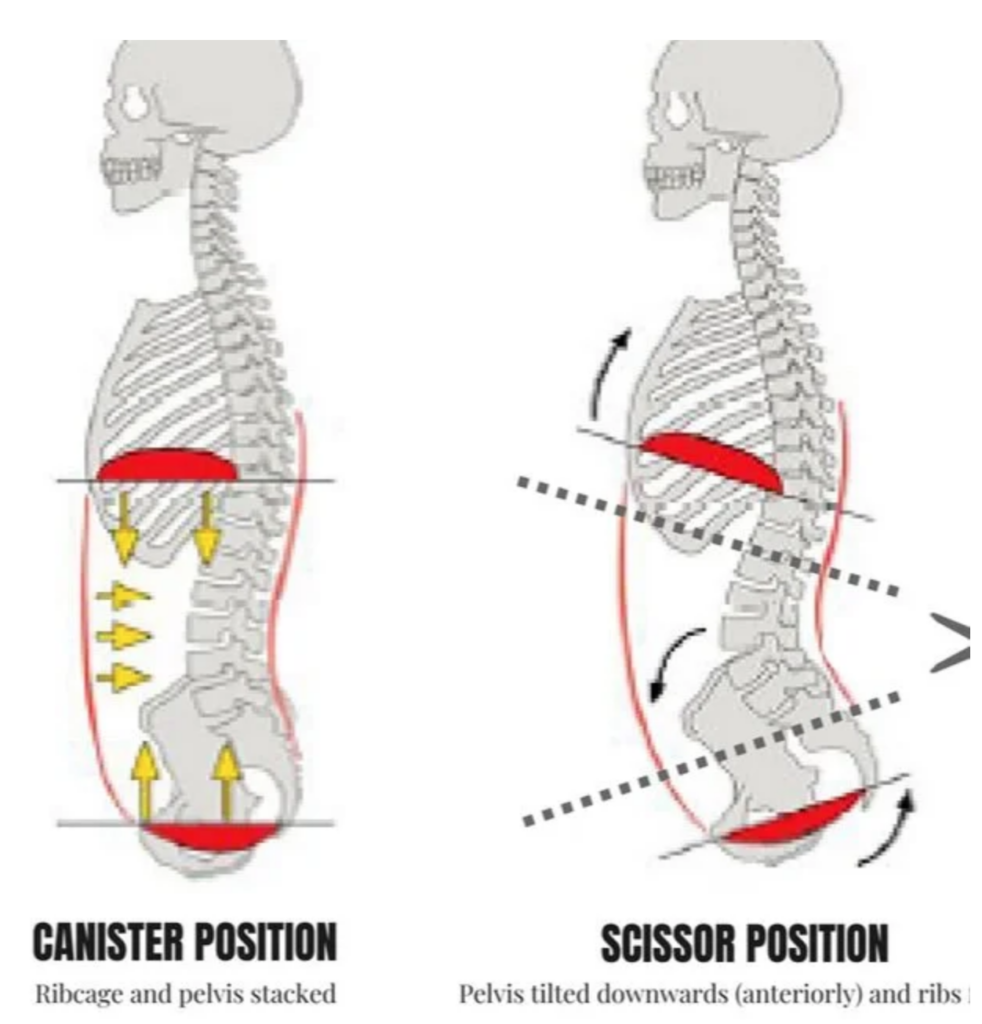
Dr. Sarah Duvall, a prominent physical therapist and creator of the Pregnancy & Postpartum Corrective Exercise Specialist program, emphasizes that the pelvic floor does not function in a vacuum. Instead, it operates as the "bottom" of a functional pressure system often referred to as the "canister." This canister is composed of the diaphragm at the top, the transverse abdominis and multifidus around the sides, and the pelvic floor at the base. When recovery efforts focus solely on the pelvic floor without addressing the rest of the canister, the system remains unbalanced, often leading to continued dysfunction despite the performance of hundreds of daily contractions.
The Canister Model and Respiratory Mechanics
Central to modern postpartum recovery is the restoration of proper respiratory mechanics and the "canister" position. During pregnancy, the growing fetus necessitates a shift in the mother’s internal organs and skeletal alignment. This often results in a "rib flare," where the ribcage tilts upward, and an anterior pelvic tilt, where the pelvis tips forward. This misalignment breaks the stacked relationship between the diaphragm and the pelvic floor, making it difficult to manage intra-abdominal pressure (IAP) effectively.

The corrective process begins with teaching "360-degree breathing." In this model, an inhale should result in a three-dimensional expansion of the lower ribcage. As the diaphragm contracts and moves downward during an inhale, it should ideally trigger a corresponding relaxation and expansion of the pelvic floor—a concept often described as the pelvic floor moving toward the "basement." Conversely, the exhale should facilitate a natural lift and contraction of the pelvic floor back to the "ground floor."
Failure to master this pressure management can lead to "bearing down," a common mistake where a woman inadvertently pushes downward on the pelvic floor during exertion. This improper pressure management is a leading contributor to pelvic organ prolapse and the persistence of diastasis recti (the separation of the abdominal muscles). By re-establishing the "stacked" position—where the ribcage is directly over the pelvis—women can more effectively distribute pressure and provide the necessary environment for connective tissues to heal.
Chronology of Postpartum Physical Reintegration
The timeline for returning to physical activity is highly individual, yet it generally follows a three-stage progression designed to ensure safety and durability.
Phase 1: Foundational Reconnection (0–12 Weeks)
The initial months postpartum are dedicated to neurological reconnection. The focus is on re-establishing the mind-muscle connection with the deep core and pelvic floor. Exercises such as the "deadbug" are utilized, not for their caloric burn, but for their ability to teach the athlete how to maintain a neutral spine and managed rib position while moving the limbs. During this phase, the emphasis is on the quality of the exhale and avoiding any "doming" or "coning" of the abdominal midline, which indicates unmanaged pressure.
Phase 2: Functional Integration (3–6 Months)
Once foundational breathing and core control are established, the focus shifts to bodyweight movements that mimic daily life. Squats, lunges, and hinges are introduced with a specific focus on "breath timing." For example, in a squat, the athlete is taught to inhale on the descent to allow the pelvic floor to expand and exhale on the ascent to utilize the natural lift of the pelvic floor to assist the movement. This phase bridges the gap between corrective exercise and traditional fitness.

Phase 3: Progressive Resistance Training (6 Months and Beyond)
The final stage involves the introduction of external loads. Strength training is viewed as the "cement" that solidifies the foundational work. Experts argue that "lifting heavy" is relative; for a mother who must frequently lift a growing child, a car seat, or groceries, strength training provides the necessary capacity to perform these tasks without injury. Exercises like the Goblet squat or kettlebell deadlift are utilized to build systemic strength while maintaining strict adherence to the breathing protocols developed in earlier phases.
Supporting Data on Postpartum Conditions
The necessity for this comprehensive approach is underscored by the prevalence of postpartum musculoskeletal issues. Research indicates that:
- Diastasis Recti: Approximately 60% of women experience diastasis recti at six weeks postpartum, and for many, the condition persists for a year or more without specific intervention.
- Urinary Incontinence: Studies suggest that 1 in 3 women experience some form of urinary incontinence postpartum.
- Lower Back Pain: Postpartum back pain affects nearly 50% of women, often stemming from the postural shifts and core weakness associated with pregnancy.
Data from the fitness industry suggests that women who return to high-impact activities (like running or jumping) without first addressing canister mechanics have a significantly higher rate of developing pelvic floor symptoms compared to those who follow a progressive strength-based reintegration plan.
Professional Perspectives and Industry Standards
The integration of strength training into postpartum care is gaining traction among elite trainers and physical therapists. Tony Gentilcore, a renowned strength coach and co-founder of Cressey Sports Performance, notes that strength training should not be viewed as a "risk" but as a preventative measure. "Postpartum is not a disease," Gentilcore asserts, arguing against the "fragility" narrative that often surrounds new mothers in the fitness space. He emphasizes that while the approach must be delicate and respectful of the physiological changes, the goal is to return the individual to high-level functioning.
Similarly, the fitness industry is seeing a rise in specialized certifications, such as the Pregnancy & Postpartum Corrective Exercise Specialist (PCES) designation. These programs aim to bridge the gap between the medical community’s 6-week clearance and the high-intensity environment of modern gyms. The goal is to provide trainers with the tools to identify "red flags"—such as heaviness in the pelvic floor, leaking, or abdominal coning—and adjust the training load accordingly.
Broader Implications for Women’s Health
The move toward comprehensive postpartum strength training has broader implications for public health. By addressing pelvic floor and core health early in the postpartum period, the medical community can potentially reduce the need for surgical interventions later in life, such as prolapse repairs or sling procedures for incontinence.
Furthermore, there is a significant psychological component to postpartum strength training. Many women report a loss of bodily autonomy and confidence following the physical rigors of childbirth. Re-engaging with strength training in a safe, structured manner allows women to regain a sense of agency and physical capability. This "repowering" of the postpartum body is increasingly recognized as a vital component of maternal mental health and overall well-being.
As the understanding of the "canister" system and pressure management continues to evolve, the standard of care for postpartum women is expected to shift further away from passive recovery. The future of postpartum health lies in an integrated model where the physical therapist and the strength coach work in tandem, ensuring that every woman has the foundational strength required to meet the demands of motherhood and beyond. The consensus is clear: recovery is not just about resting; it is about rebuilding the body’s capacity to handle the weight of the world.

