

Fifty million Americans grapple with arthritis, a debilitating condition that significantly impacts quality of life and ranks as a leading cause of disability, particularly osteoarthritis of the knee. This widespread inflammatory disease, characterized by the gradual breakdown of cartilage and underlying bone, arises from complex inflammatory pathways. For decades, researchers have explored dietary interventions and natural remedies to mitigate its effects, with varying degrees of success. While some foods, like strawberries, have demonstrated the ability to reduce circulating levels of inflammatory mediators such as tumor necrosis factor (TNF), their direct clinical translation into symptom relief for osteoarthritis has been inconsistent.
For instance, studies on cherry juice, while showing a reduction in C-reactive protein (CRP), a common marker of inflammation, failed to provide statistically significant relief from the pain and other symptoms associated with knee osteoarthritis when compared to a placebo. This highlights a critical distinction in research: a reduction in inflammatory markers does not always equate to a tangible improvement in patient experience. While cherries may offer benefits for other forms of arthritis, such as gout, their efficacy for osteoarthritis remains unproven in large-scale human trials.
In contrast, dietary interventions involving strawberries have yielded more promising results. A randomized, double-blind, crossover trial revealed that the consumption of strawberries led to a significant analgesic effect, translating into a noticeable decrease in pain for participants. This finding is particularly noteworthy when considering the high cost and potential side effects associated with pharmaceutical interventions. For example, TNF inhibitor drugs, a class of medications used to manage inflammatory conditions, can cost upwards of $40,000 annually and carry risks, including a rare but serious form of lymphoma. The accessibility and potential safety profile of dietary interventions like strawberry consumption offer a compelling alternative avenue for exploration.

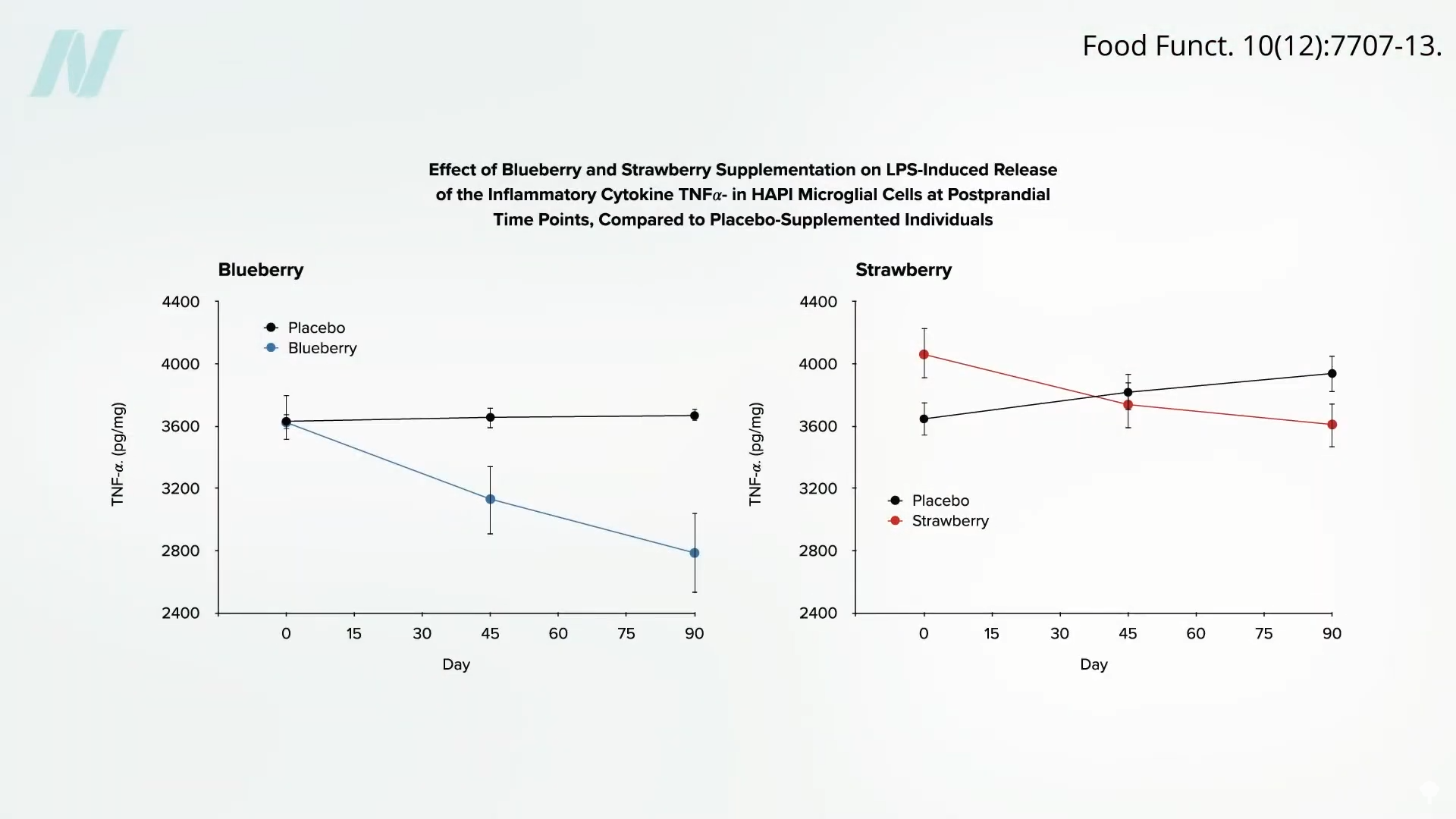
The underlying mechanism for the anti-inflammatory effects of berries is thought to be related to their rich antioxidant and polyphenol content. Research has indicated that consuming the equivalent of a cup of blueberries or two cups of strawberries daily can lead to measurable reductions in inflammation when blood samples from these individuals are tested against inflammatory cells in vitro. This suggests a systemic effect, where the body’s response to inflammation is modulated by the consumption of these fruits. Furthermore, studies suggest that the anti-inflammatory benefits of berries may increase over time with consistent consumption, indicating a potential cumulative effect.
Beyond berries, other natural compounds have been investigated for their anti-inflammatory properties. Researchers in France conducted a study using cartilage samples obtained from knee replacement surgeries. These samples were exposed to blood from volunteers who had consumed a potent grapeseed and olive extract. The findings indicated a significant reduction in inflammatory markers within the cartilage, suggesting that compounds derived from these sources possess anti-inflammatory capabilities.
While human trials specifically examining the effects of grapeseed extract on arthritis are limited, an olive extract has demonstrated a positive impact on pain reduction and functional improvement in individuals with osteoarthritis. This research initially suggested that incorporating olive oil into the diet might be beneficial. However, a closer examination of the study methodology revealed that the researchers utilized freeze-dried olive vegetation water, which comprises water-soluble components—the very elements absent in refined olive oil. This distinction is crucial, as it points to the non-oil constituents of olives as potentially possessing therapeutic properties.
Further investigations into the direct effects of olive oil consumption on arthritis have yielded mixed results. Some studies suggest that consuming whole olives may lead to a reduction in inflammatory mediators. However, a comprehensive systematic review and meta-analysis concluded that olive oil, when consumed on its own, does not appear to offer significant anti-inflammatory benefits for arthritis. Claims of "remarkable anti-inflammatory activity" attributed to extra virgin olive oil in some research often stem from studies conducted on rodents, which may not directly translate to human physiology. In human trials, extra virgin olive oil has been found to be no more effective than butter in managing inflammation and potentially less effective than coconut oil.
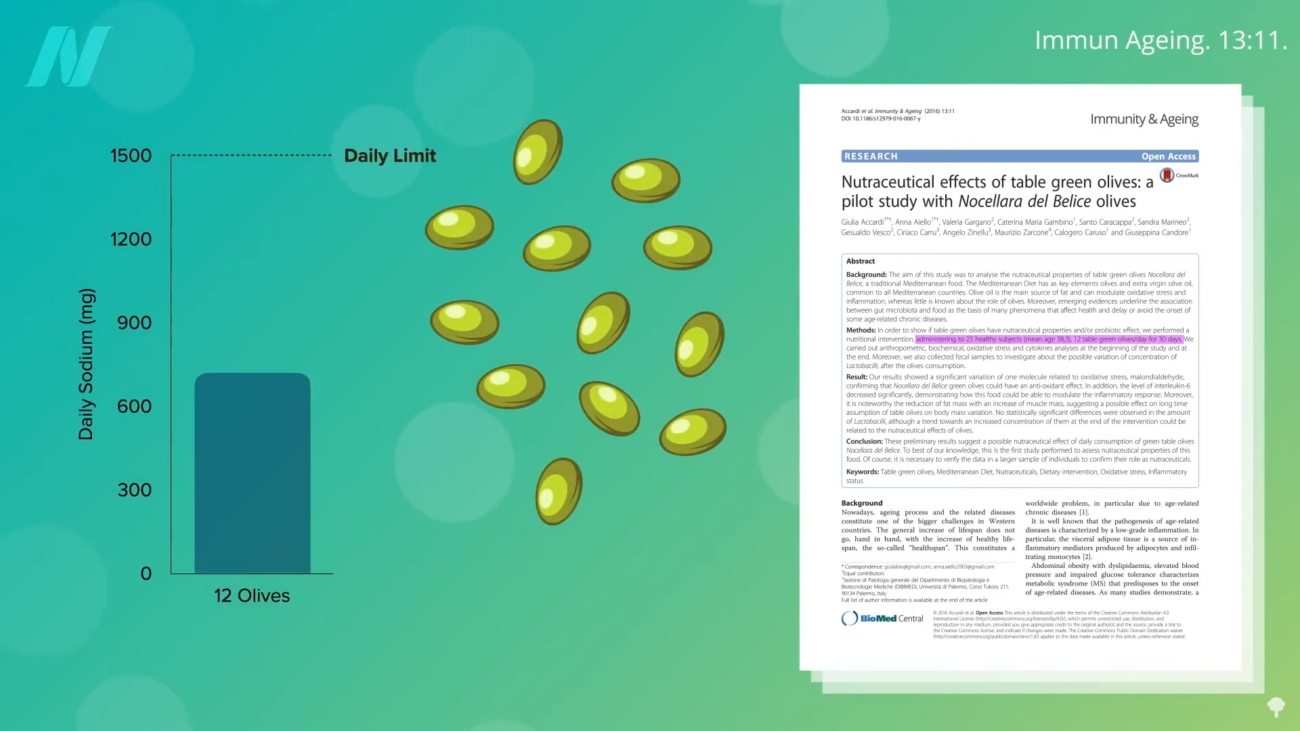
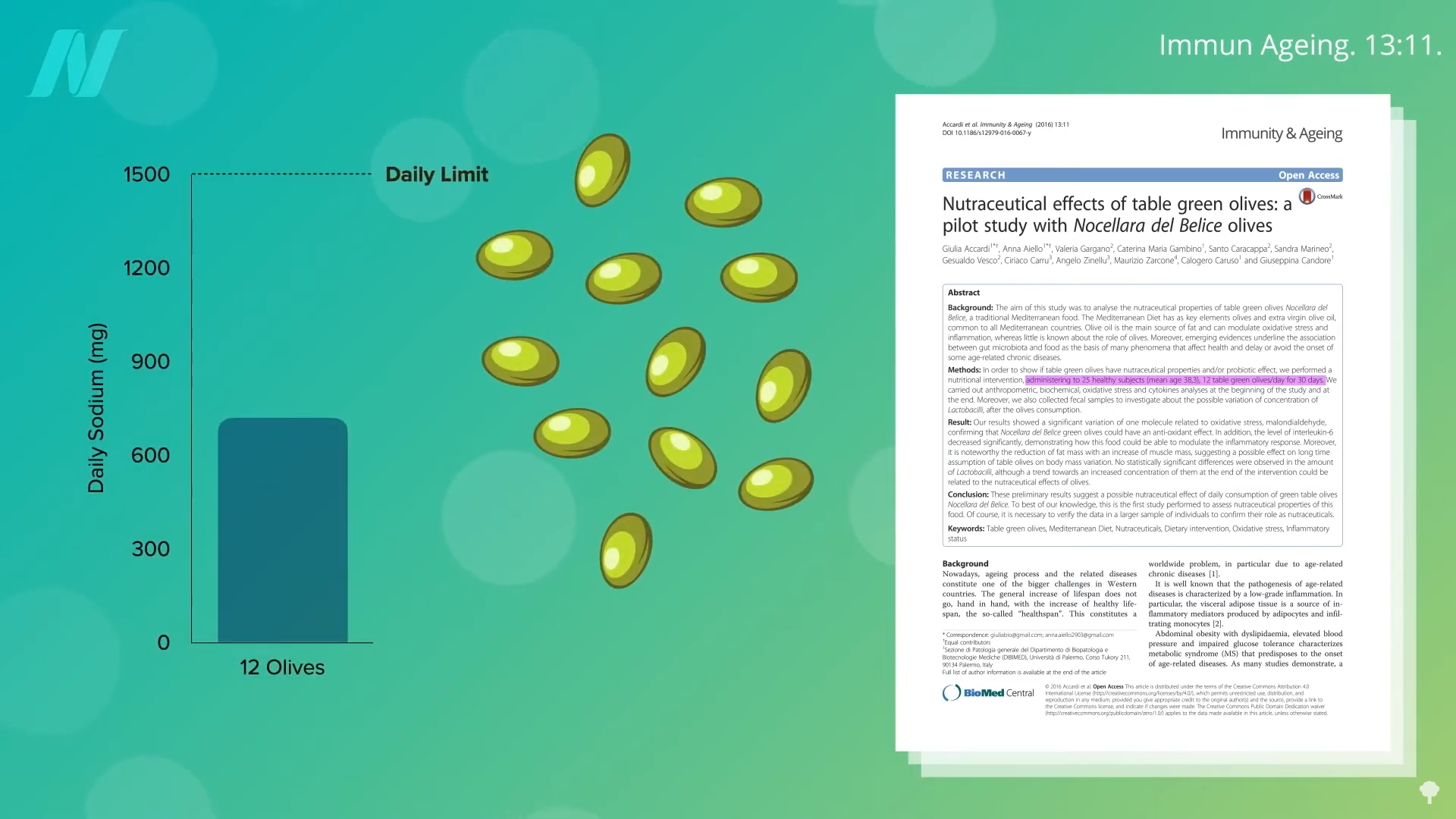
The nutritional profile of whole olives also presents a consideration. Consuming a dozen large green olives daily can account for nearly half of the recommended daily sodium intake, posing a challenge for individuals managing their sodium levels, a common recommendation for those with cardiovascular health concerns often co-occurring with arthritis.
While extra virgin olive oil has not shown consistent benefits for fibromyalgia symptoms, it has demonstrated efficacy in alleviating symptoms of inflammatory bowel disease when compared to canola oil. However, direct clinical trials investigating the impact of olive oil intake on arthritis symptoms in humans have been notably absent. This absence of robust clinical evidence for ingested olive oil raises questions about its widespread promotion as an arthritis remedy.
The Surprising Efficacy of Topical Olive Oil
Despite the inconclusive evidence for ingested olive oil, a significant development emerged from research exploring its topical application. A groundbreaking double-blind, randomized clinical trial directly pitted topical virgin olive oil against a gel containing an ibuprofen-type drug for osteoarthritis of the knee. The study involved applying a small amount of olive oil—just one gram, equivalent to less than a quarter teaspoon—three times daily. This treatment regimen, costing less than three cents per day, yielded remarkable results. Topical olive oil proved to be significantly more effective than the ibuprofen-type drug in reducing pain experienced by participants with osteoarthritis of the knee.

The trial, which lasted for one month, provided compelling evidence for the localized anti-inflammatory and analgesic properties of virgin olive oil. The significant reduction in pain observed in the olive oil group, surpassing that of the conventional drug, suggests a potent localized effect. The short duration of the study also leaves open the possibility that the benefits of topical olive oil could continue to increase with longer-term application, offering a sustained relief for sufferers.
Investigating Rheumatoid Arthritis and Morning Stiffness
Building on these findings, subsequent research explored the effectiveness of topical olive oil in managing inflammatory pain, specifically morning stiffness, in women diagnosed with rheumatoid arthritis. In a rigorous comparative study, researchers assessed the impact of applying extra virgin olive oil against a control group using no topical application and another group using the same ibuprofen-type gel. The results were striking: the group that applied extra virgin olive oil experienced a greater decrease in their disease activity score compared to both the control and the ibuprofen gel groups. This suggests that topical virgin olive oil may offer a viable alternative or complementary therapy for individuals suffering from the debilitating morning stiffness characteristic of rheumatoid arthritis.
The implications of these findings are substantial. For millions of Americans seeking relief from arthritis pain and inflammation, the prospect of a safe, affordable, and readily available topical treatment offers a beacon of hope. Unlike pharmaceutical interventions with their associated costs and potential side effects, topical olive oil presents a natural and cost-effective solution. The low cost of application, coupled with its demonstrated efficacy in clinical trials, positions it as a promising therapeutic option for both osteoarthritis and rheumatoid arthritis.
Broader Implications and Future Research
The scientific community’s ongoing exploration of natural compounds for managing chronic diseases like arthritis underscores a growing shift towards integrative and personalized medicine. While pharmaceutical advancements continue to play a crucial role, the validation of traditional remedies through rigorous scientific inquiry offers valuable insights into holistic approaches to health. The research on topical olive oil, in particular, highlights the importance of considering different routes of administration and the potential of natural compounds to offer targeted relief.
Further research is warranted to fully elucidate the mechanisms by which topical olive oil exerts its anti-inflammatory and analgesic effects. Investigating the specific bioactive compounds within virgin olive oil responsible for these benefits and exploring their interactions with inflammatory pathways at a cellular level could lead to the development of even more targeted and effective treatments. Additionally, long-term studies assessing the sustained efficacy and safety of topical olive oil application for various types of arthritis would provide a more comprehensive understanding of its therapeutic potential.
The findings also emphasize the need for critical evaluation of existing research, distinguishing between systemic and topical applications, and understanding the specific components of natural products that contribute to their health benefits. As the understanding of inflammation and its role in chronic diseases continues to evolve, the integration of evidence-based natural therapies alongside conventional medical treatments will likely become an increasingly integral part of comprehensive patient care. The humble olive, a staple of the Mediterranean diet, may hold a more significant key to pain management than previously understood, particularly when applied directly to the source of discomfort.

