

The potential link between exposure to the Bovine Leukemia Virus (BLV), commonly found in meat and dairy products, and an increased risk of human breast cancer has become a focal point of scientific inquiry. Research originating in 2015 has increasingly suggested that BLV DNA can be detected within human breast cancer tumors, prompting a closer examination of its role as a carcinogen. This growing body of evidence, replicated across multiple continents, suggests that consumption of contaminated animal products or even blood transfusions from individuals who consume these products could represent a significant, yet often overlooked, risk factor for this prevalent disease.
Early Investigations and Emerging Evidence
The initial groundbreaking research emerged in 2015 from California, where scientists identified BLV DNA integrated into the genetic material of human breast cancer tissue samples obtained from mastectomy procedures. Crucially, the virus was found at significantly higher frequencies in these cancerous tissues compared to normal breast tissue collected from individuals undergoing breast reduction surgeries. This stark contrast led researchers to estimate that as many as 37% of breast cancer cases might be attributable to exposure to BLV, with consumption of milk and meat from infected cattle identified as the primary likely routes of transmission.
The findings, published in the journal Cancer Research, immediately sparked debate and prompted a wave of replication studies. The agricultural industry, particularly the dairy and meat sectors, expressed concerns primarily centered on consumer confidence rather than directly addressing the potential health implications for consumers. However, the scientific community prioritized validating these initial observations.
Global Replication and Strengthening Associations
The crucial question became whether the California findings could be independently verified in different populations and geographical locations. The subsequent years saw a remarkable series of studies confirming the presence of BLV DNA in human breast tissues worldwide.
- Iran (2019): Researchers replicated the initial findings in women in Iran, reinforcing the association between BLV and breast cancer.
- Brazil (2019): Studies conducted in Brazil further corroborated the presence of BLV in human breast cancer samples.
- Australia (2017): In Australia, the link between BLV and breast cancer was found to be even more pronounced, suggesting a potentially stronger influence in that population.
- Texas, USA (2017): A significant study conducted in Texas provided compelling evidence. Women diagnosed with breast cancer exhibited a substantially higher likelihood of having BLV DNA in their breast tissue compared to women without the disease. The attributable risk in this cohort was calculated at an alarming 51.82%, indicating that BLV could be responsible for more than half of the breast cancer cases studied in that specific group.
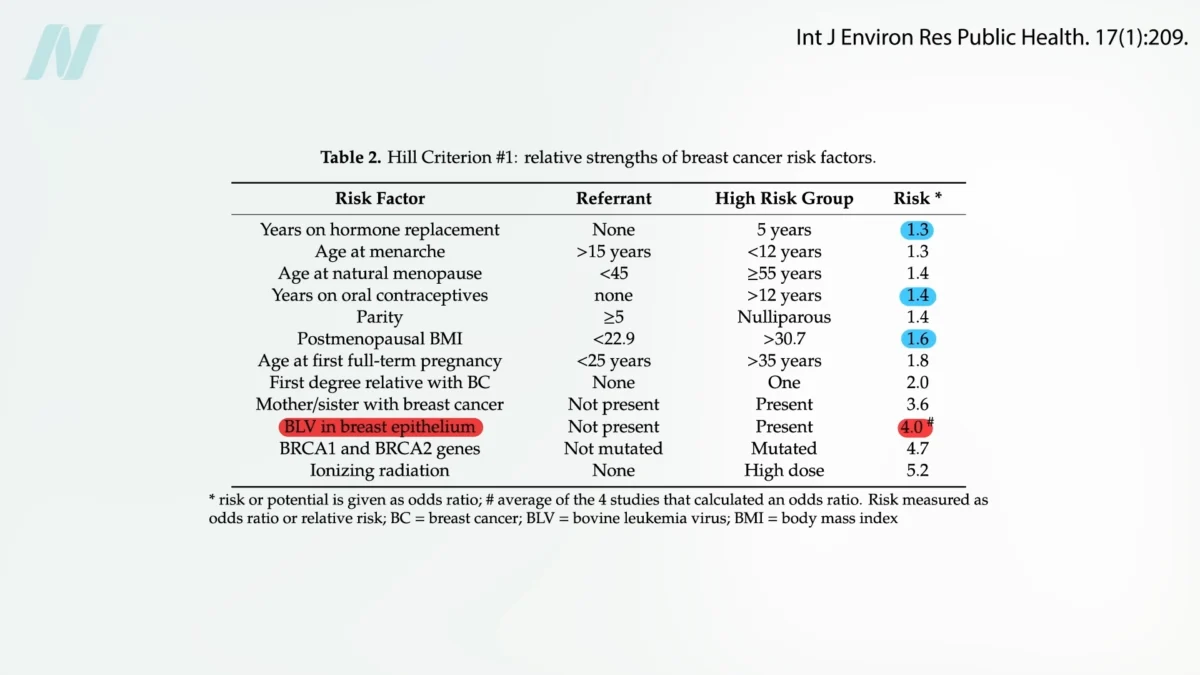
Collectively, eight studies have investigated the presence of BLV in human breast tissue. Six of these have detected the virus, leading researchers to conclude that "BLV does infect humans, and breasts can be targets of infection." Furthermore, five comparative studies examining infection rates in cancerous versus normal breast tissue consistently found that the odds of detecting BLV in tumors were, on average, four times higher than in healthy tissue.
Comparative Risk and Magnitude of Impact
To contextualize the potential impact of BLV infection, it is useful to compare its associated risk with other known breast cancer risk factors. For instance:
- Hormone Replacement Therapy (HRT): Five years of HRT can increase breast cancer risk by approximately 30%.
- Oral Contraceptives: Long-term use of birth control pills (over a dozen years) may elevate risk by up to 40%.
- Obesity: Obesity in older age can increase breast cancer risk by as much as 60%.
- Family History: Having a first-degree relative with breast cancer can double an individual’s risk.
In stark contrast, the presence of BLV infection in breast tissue has been associated with a quadrupling of risk, making it a potentially more potent risk factor than several widely recognized contributors to breast cancer development. The only risk factors identified as potentially more significant include carrying the BRCA gene mutation, famously associated with individuals like Angelina Jolie, and exposure to high doses of ionizing radiation, such as that experienced during the atomic bombings of Hiroshima and Nagasaki.
Temporal Relationship: Virus Precedes Cancer
Further research has delved into the temporal relationship between BLV infection and the onset of breast cancer. One study suggested a greater likelihood of positive BLV tests in older patients. This finding aligns logically with the presumed transmission route through dietary exposure; the cumulative effect of years of consuming potentially contaminated meat and dairy products would increase the overall lifetime risk of infection.

Crucially, researchers have discovered that BLV often appears in breast tissue before a cancer diagnosis. In some cases, the virus was detected in breast tissues three to ten years prior to the identification of cancer. This temporal sequencing strongly argues against the theory that BLV might simply be attracted to and colonize already malignant cells. Instead, the evidence suggests that the viral infection precedes and potentially contributes to the development of cancer. This finding helps explain the consistent observation that cancerous breast tissue is more likely to harbor the virus.
Implications for Blood Transfusions and Leukemia
The detection of BLV in human blood has opened another avenue of concern and potential health implications. Blood banks currently do not screen for BLV, raising the possibility of transmission through blood transfusions. This means that individuals could be exposed to the virus not only through direct consumption of meat and dairy but also indirectly through blood products from donors who have consumed contaminated animal products.
Moreover, the presence of BLV in human blood raises the specter of its potential to cause leukemia in humans, mirroring its known effects in cattle. In chimpanzees, experimental feeding with milk from BLV-infected cows led to the development of leukemia in two infant subjects, a condition previously not observed in this species. This observation strongly suggests the possibility of transmission or induction of leukemia through the ingestion of contaminated milk or via blood-borne spread to other organs. In cattle, BLV is known to cause blood cancers, although the current practice of slaughtering dairy cattle at a relatively young age for meat production might limit the manifestation of tumors in other organs.
Industry Response and Public Health Considerations
The scientific consensus points towards BLV as a significant risk factor for breast cancer, and potentially other cancers like leukemia. The implications for the dairy and cattle industries are profound. If future studies definitively establish BLV as a causative agent of breast cancer in humans, it could lead to substantial economic and regulatory repercussions.
The question of how concerned the public should be remains nuanced. While definitive proof of causation in humans is still being sought, the accumulating evidence strongly suggests a causal link. The potential for eradicating BLV from cattle populations offers a proactive approach. Notably, 21 nations have already successfully eradicated BLV from their dairy herds. In contrast, the prevalence of BLV in the United States continues to rise.
Industry stakeholders face a critical juncture: either proactively work towards eliminating BLV from their herds or implement practices that minimize its spread between animals. The transmission of BLV within agricultural settings is primarily facilitated through blood contact via contaminated equipment such as needles, dehorners, ear taggers, hoof knives, and tattooing pliers. Given the emerging scientific understanding of BLV’s role in human health, a prudent recommendation is to encourage the elimination of BLV in cattle, with a particular focus on the dairy industry.
Future Directions and Public Health Initiatives
The ongoing research into BLV and its potential impact on human health underscores the importance of interdisciplinary collaboration between veterinary science, public health, and cancer research. Public health initiatives could focus on:
- Increased Surveillance and Research: Continued investment in research to solidify the causal link between BLV and human cancers, and to understand the precise mechanisms of transmission and pathogenesis.
- Industry Collaboration: Encouraging the dairy and meat industries to adopt best practices for BLV eradication and prevention of transmission within herds. This could include voluntary testing programs and herd management strategies.
- Consumer Education: Providing clear, science-based information to consumers about potential foodborne risks and encouraging informed dietary choices.
- Blood Safety Protocols: Evaluating the necessity of implementing BLV screening for blood donations to mitigate transfusion-related transmission risks.
The hope is that by addressing the presence of BLV in livestock, significant strides can be made in reducing the global burden of breast cancer and potentially other BLV-associated diseases. This ongoing scientific exploration highlights the interconnectedness of animal and human health and the critical need for vigilance and proactive measures to safeguard public well-being. The development of animal-free meat alternatives also presents an opportunity to mitigate infectious risks associated with animal agriculture, offering a novel approach to food safety and disease prevention.

