


The history of diabetes treatment is punctuated by pivotal discoveries, but long before the advent of insulin, a seemingly simple foodstuff—oatmeal—offered a lifeline to countless individuals battling the disease. In the early 20th century, as the medical community grappled with the devastating implications of diabetes, German physician Carl von Noorden pioneered a revolutionary dietary approach centered on oatmeal. His findings, published in 1903, initially met with considerable skepticism, yet the overwhelming efficacy of his "oatmeal diet" gradually silenced critics and fundamentally altered the landscape of diabetes care for decades to come. This historical dietary intervention not only prolonged lives but also provided crucial insights into the metabolic underpinnings of diabetes that continue to resonate in contemporary nutritional science.
The genesis of von Noorden’s groundbreaking work lay in his observation of patients whose blood sugar levels could be significantly managed through dietary restrictions. However, it was his meticulous research and subsequent advocacy for a high-oatmeal regimen that truly distinguished his contributions. Von Noorden’s 1903 publication detailed a diet that strictly limited animal protein and fat, emphasizing carbohydrates, particularly from oats. This approach was a stark departure from prevailing dietary recommendations of the era, which often involved severe caloric restriction and high fat intake, a regimen that frequently proved unsustainable and ineffective for long-term diabetes management. The initial resistance to his findings stemmed from the prevailing medical paradigm, which was not yet prepared to embrace such a fundamental shift in dietary recommendations, especially one that appeared counterintuitive given the carbohydrate content of oats.
However, the tide of opinion began to turn as other physicians began to replicate and validate von Noorden’s results. Among the most influential proponents was Dr. James B. Herrick, a distinguished American physician and a leading figure in cardiology and internal medicine. Initially harboring profound doubts about the efficacy of a diet so heavily reliant on carbohydrates, Dr. Herrick began experimenting with the oatmeal regimen on his own patients. The astonishing improvements he witnessed—patients experiencing stabilized blood glucose levels and a reduced need for interventions—transformed his skepticism into fervent advocacy. By 1909, Dr. Herrick was a vocal proponent, famously proclaiming that no child or adolescent diagnosed with diabetes should be denied the potential benefits of this "oatmeal cure." This endorsement from a respected medical authority significantly bolstered the credibility of von Noorden’s work and propelled the oatmeal diet into mainstream clinical consideration.
Further validation came from Dr. Elliott P. Joslin, an American physician renowned for his pioneering work in diabetes research and treatment. As the founder of the world’s oldest and largest diabetes clinic, established in Boston in 1898, Dr. Joslin’s insights carried immense weight. He described the effects of the oatmeal diet as "sometimes magical," referring to it as an "unsolved mystery" and "one of the greatest puzzles in diabetes" of its time. While the precise mechanisms were not fully understood, early researchers observed a critical factor: the strict exclusion of animal protein was paramount. They noted that the presence of animal protein seemed to "annihilate" the favorable effects of the oatmeal-based dietary interventions. This observation, though empirical at the time, foreshadowed modern understandings of insulin resistance and the differential impact of dietary protein sources on metabolic health.
The mystery of the oatmeal diet’s success persisted for decades until the advent of modern molecular biology and nutritional science provided a clearer explanation. Today, it is understood that animal protein intake can indeed exacerbate insulin resistance, a core pathological feature of prediabetes and type 2 diabetes. Conversely, plant-based foods, including the components of a well-structured oatmeal diet, have been shown to enhance insulin sensitivity. This fundamental difference in metabolic impact underscores why the historical emphasis on plant-derived foods like oats was so profoundly effective in managing diabetes before the availability of pharmaceutical interventions.
Is Oatmeal Still Good for People with Diabetes?
More than a century after Carl von Noorden first published his findings, the scientific community has revisited and largely validated the benefits of oatmeal for individuals with diabetes. Contemporary research consistently demonstrates a strong association between the increased consumption of whole grains, including oats, and a reduced risk of developing diabetes. This correlation is not merely observational; a substantial body of evidence from randomized controlled trials (RCTs) supports the therapeutic potential of oats. These studies, numbering over a dozen, have consistently shown that incorporating oats into the diet leads to significant improvements in both short-term and long-term blood sugar control, alongside beneficial effects on cholesterol levels.
The primary driver of these health benefits is attributed to a specific type of fermentable fiber found in oats known as beta-glucan. Beta-glucan is a soluble fiber that plays a crucial role in regulating blood glucose and lipid metabolism. One of the key mechanisms through which oatmeal contributes to lower cholesterol levels involves its ability to modulate the gut microbiome—the complex ecosystem of bacteria residing in the intestines. By fostering the growth of beneficial gut bacteria, beta-glucans contribute to a healthier internal environment, which in turn positively influences metabolic processes.
What’s So Great About the Fiber in Oatmeal?

The profound impact of dietary fiber, particularly the type found in oats, cannot be overstated. Even modest amounts of fiber can yield significant health advantages. The beneficial bacteria in the gut, often referred to as the "good gut flora," ferment dietary fiber to produce short-chain fatty acids (SCFAs). These SCFAs, such as butyrate, acetate, and propionate, possess potent anti-inflammatory properties and play a critical role in maintaining gut health and regulating systemic inflammation, which is closely linked to metabolic diseases like diabetes.
Dozens of RCTs have confirmed that the specific types of fiber present in oats and legumes are instrumental in improving long-term blood sugar control in individuals diagnosed with diabetes. The underlying principle is that dietary fiber selectively promotes the growth of certain types of gut bacteria, which can then exert beneficial effects on the body’s metabolic functions, including alleviating the progression and severity of type 2 diabetes.
Oat fiber, in particular, acts as a prebiotic, meaning it specifically nourishes and stimulates the proliferation of beneficial bacteria, such as Lactobacillus and Bifidobacteria. These microbes are critical for a healthy immune system and balanced metabolism. Therefore, when a diet is rich in prebiotic fiber, as is the case with an oatmeal-centric approach, and simultaneously low in animal protein and fat, it creates an optimal internal environment for metabolic health. This combination of factors—the absence of detrimental animal protein and fat, and the abundance of prebiotic fiber—explains the historical success of oatmeal diets in clinical diabetes management.
How Soon Can You See Results?
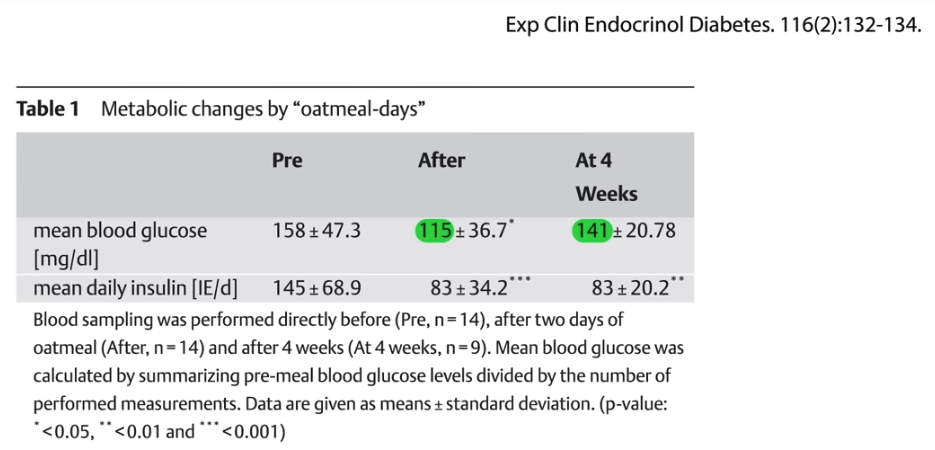
The remarkable efficacy of oatmeal-based dietary interventions is further underscored by the speed at which positive effects can manifest. Research suggests that even a few days of consuming oatmeal can yield beneficial metabolic changes that persist for approximately a month. A notable randomized, controlled, crossover trial investigated the impact of a short-term oatmeal intervention. In this study, participants experienced a dramatic reduction in insulin needs, averaging around 40%, within just two days of adopting the oatmeal diet. This reduction was observed in comparison to a control group that followed a calorie-restricted diabetic diet alone. Crucially, a key indicator of long-term blood sugar control, measured four weeks after the intervention period, still reflected the positive impact of the brief oatmeal consumption.
Subsequent studies have corroborated these findings, demonstrating that a mere two-day regimen of oatmeal can significantly decrease the required dosage of insulin and improve overall blood sugar levels, with beneficial effects extending for up to four weeks. In one compelling study, patients with uncontrolled type 2 diabetes who adhered to a two-day oatmeal diet experienced a 40% reduction in their insulin dose. This was accompanied by a near-normalization of their average blood sugar levels. Astonishingly, even after participants resumed their regular diets, researchers observed a sustained and significant reduction in insulin dosage and an amelioration of mean blood sugar levels for weeks following their dismissal from the study. This suggests a profound and lasting impact on metabolic regulation.
Further research has explored the broader implications of plant-based diets rich in fiber on the gut microbiome and metabolic health. When individuals are placed on diets abundant in oats, beans, fruits, vegetables, and nuts, there is a notable increase in the population of fiber-feeding gut bacteria. These bacteria, in turn, produce beneficial SCFAs, leading to a significant drop in fasting blood sugar levels—approximately 25% within a month. The study also revealed a direct correlation: the more fiber-feeding microbes an individual cultivated, the better their blood sugar control became. When the diversity and abundance of SCFA-producing bacteria, promoted by dietary fiber, were higher, participants exhibited more substantial improvements in their hemoglobin A1c levels, a crucial marker of long-term glycemic control.
Are There Any Downsides to Oatmeal?
While the benefits of oatmeal in diabetes management are substantial, its potent effects necessitate careful consideration and medical supervision. The primary concern arises from the potential for overmedication. If an individual with diabetes adopts an oatmeal-rich diet, their physician must be prepared to rapidly "deprescribe" their blood sugar medications. Failing to do so could lead to dangerously low blood sugar levels, a condition known as hypoglycemia, which can have severe health consequences.
Furthermore, oatmeal interventions should be approached with caution in patients who may have difficulty recognizing or reporting the symptoms of hypoglycemia. This includes individuals with certain neurological conditions or those who are particularly susceptible to rapid blood sugar fluctuations. The significant downside of implementing short-term oatmeal interventions, such as the two-day regimens studied, is that they may work "a little too well," necessitating close medical monitoring to ensure patient safety and adjust medication accordingly.
The Glycemic Index of Oatmeal
Understanding the glycemic index (GI) of different forms of oatmeal is essential for optimizing its use in diabetes management. While whole grains are generally beneficial, intact whole grains are often considered superior due to their slower digestion and more gradual impact on blood sugar.
- Oat Groats: These are the whole oat kernels with only the inedible outer husks removed. They represent the least processed form of oats.
- Steel-Cut Oats: Also known as pinhead or Irish oats, these are made by slicing oat groats into two to four pieces. Steel-cut oats are considered a low-glycemic-index food, typically scoring below 55. Their intact structure contributes to a slower release of sugars into the bloodstream.
- Rolled Oats (Old-Fashioned Oats): Oat groats can be coarsely ground into Scottish oatmeal or steamed and flattened into "old-fashioned" rolled oats. These have a slightly higher glycemic index, generally around 55, but are still considered to have a moderate impact on blood sugar.
- Instant Oats: These oats undergo more extensive processing, being steamed longer and rolled even more thinly. This processing leads to a faster digestion rate. Instant oats typically score around 79 on the glycemic index, classifying them as a high-GI food. While not as high as some highly processed breakfast cereals (which can range from the 80s to 90s), they are less ideal for optimal blood sugar management compared to steel-cut or rolled oats.
Jazzing Up Oatmeal: Culinary Adaptations for Sustained Appeal
Oatmeal, while a dietary powerhouse, can be enhanced to suit diverse palates and maintain long-term adherence. The versatility of oats allows for both sweet and savory preparations, making them a sustainable component of a diabetes-friendly diet.
A foundational approach involves creating a "BROL" (Beans, Rolled Oats, Other Legumes) base, which can then be customized with a variety of toppings. For those with a preference for sweetness, a "chocolate-covered-cherry sensation" can be crafted using ingredients like frozen dark red cherries, cocoa powder, dates, and nuts such as walnuts or pumpkin seeds. This combination provides antioxidants, healthy fats, and natural sweetness.
For individuals who prefer savory flavors, the BROL bowl can be transformed into a savory dish. Recipes incorporating sautéed greens, mushrooms, herbs, curry spices, or roasted vegetables offer a wide spectrum of taste profiles. Exploring online resources for "savory oatmeal" reveals a plethora of innovative dishes that move beyond the traditional sweet breakfast, making oatmeal a more adaptable and appealing meal option throughout the day.
Broader Impact and Future Implications
The historical significance of the oatmeal diet underscores a fundamental principle that continues to guide contemporary nutritional science: the power of whole, plant-based foods in managing chronic diseases. The journey from von Noorden’s empirical observations to modern understanding of the gut microbiome and insulin resistance highlights the enduring relevance of dietary interventions.
The implications of this historical perspective are far-reaching. It emphasizes the importance of prioritizing dietary strategies in the prevention and management of diabetes. The rediscovery and validation of the benefits of oats and other whole grains serve as a potent reminder that accessible, affordable, and effective tools for health management are often found in nature.
Furthermore, the cautionary note regarding medical supervision during aggressive dietary changes remains critically important. As the case of oatmeal demonstrates, potent dietary interventions require careful integration into a patient’s overall treatment plan, necessitating close collaboration between patients and their healthcare providers. The legacy of the oatmeal diet is not merely a historical anecdote; it is a testament to the profound and lasting impact of dietary choices on metabolic health, offering a valuable blueprint for future approaches to diabetes care.

