

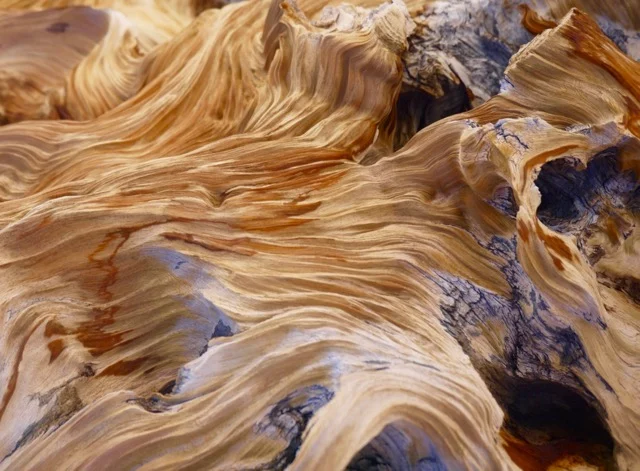
For the past eighteen months, a profound dialogue has unfolded between the world of journalism and the solitary, majestic realms inhabited by the Great Basin Bristlecone Pines, facilitated by the keen eye and thoughtful prose of writer and photographer David Malinsky. Malinsky, whose dedication to these ancient trees has earned them the affectionate moniker "Old Friends in High Places," offers a unique perspective on their enduring presence and the philosophical insights they inspire. His communications, characterized by a deep reverence for the natural world, provide a window into the transformative experiences of exploring these arboreal giants. Malinsky has extended an invitation to fellow enthusiasts and the public to engage in this ongoing conversation, encouraging them to join his listserve by contacting him directly at [email protected].
The Enduring Majesty of Bristlecone Pines
The Great Basin Bristlecone Pine (Pinus longaeva) is renowned for its extraordinary longevity, with individuals found to be among the oldest living organisms on Earth. These hardy trees, often found at high elevations in arid, windswept environments across the western United States, have adapted to survive in some of the harshest conditions imaginable. Their slow growth, gnarled forms, and resistance to disease and insect infestation contribute to their remarkable lifespan, with some specimens estimated to be over 5,000 years old. This resilience and ancient wisdom have captivated Malinsky, who sees in them more than just biological specimens, but rather "majestic tree-beings."
A Philosophy Forged in the Wilderness
Malinsky’s reflections, shared through his correspondence, transcend mere observation. They delve into the philosophical underpinnings of exploration and self-discovery, drawing parallels between the arduous journeys to reach these high-altitude trees and the internal journeys of personal growth.
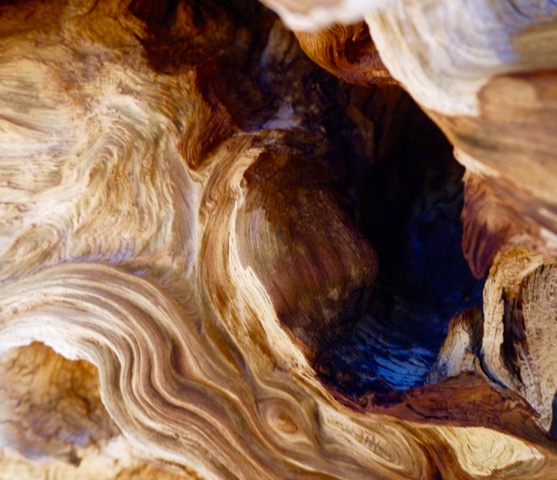
"Daring to take a path towards what may be unknowable can be among the most noble pursuits of the human spirit," Malinsky writes, suggesting that true growth often lies beyond the comfort of predetermined goals. He contrasts this with the pursuit of "known targets," which, while offering tangible achievements, also impose limitations. Using the metaphor of an arrow’s flight, he posits that a well-aimed shot, while successful in hitting its mark, is ultimately confined by its trajectory. He encourages a release from such confines, suggesting that the act of aiming and shooting is but a part of a larger self, not its entirety.
This philosophy extends to the way we perceive the world and our place within it. Malinsky advocates for an expanded awareness, urging readers to avoid narrowing their focus to a single "bullseye." He believes that by broadening our perspective, we can observe and appreciate a far greater richness of experience that might otherwise be missed. "You do not have to reduce all of this to a single place; there is room in your consciousness for all of it, if you allow it in," he asserts, promoting an inclusive and receptive mindset.
The Journey of Self: Beyond the Map
Malinsky further elaborates on the concept of embarking on journeys that lead to profound self-understanding. He suggests that the initial steps on such a path may appear to be aimed at a specific destination, a "Where." However, as one ventures further, this outward journey often transforms into an inward one, revealing a "Who." The distinction between person and place blurs, becoming interconnected.
The key indicators of being on this transformative path, according to Malinsky, are an internal sense of growth with each step and a heightened appreciation for the surrounding environment. When these sensations arise, he believes one is on the precipice of a significant discovery, one that renders traditional maps obsolete. "Your path has no end, for both you and Nature are constantly evolving," he states, emphasizing the dynamic and continuous nature of both personal and natural development. This trust in the inherent processes of nature, he argues, allows for exploration of the unknown with anticipation and joy, rather than fear.
Embracing the Unknown: The Light Within
The wisdom gleaned from the Bristlecone Pines, and from the journey of engaging with them, culminates in an understanding of how to navigate uncertainty. Malinsky suggests that cultivating trust, both in nature and in oneself, is paramount. This trust allows individuals to approach what might appear as "darkness" without apprehension. He frames these seemingly dark periods not as voids, but as "places that are currently without illumination." By venturing forward with an "open spirit," the path can lead to a realization where the individual themselves becomes the source of light, illuminating their own way forward.
Context and Significance of Bristlecone Pine Research
The study and appreciation of Great Basin Bristlecone Pines are not new. Scientific research has extensively documented their age, ecological role, and the environmental factors contributing to their survival. Dendrochronology, the science of dating tree rings, has relied heavily on Bristlecone Pines for reconstructing past climates and historical events with remarkable accuracy. For instance, studies of Bristlecone Pine ring data have provided invaluable insights into solar activity cycles and past environmental conditions stretching back millennia, contributing to fields ranging from archaeology to paleoclimatology.
The conservation efforts surrounding these ancient trees are also a significant aspect of their story. National parks and wilderness areas, such as the Ancient Bristlecone Pine Forest in California and the Great Basin National Park in Nevada, are dedicated to protecting these fragile ecosystems. These areas face challenges from climate change, increased human visitation, and potential threats from invasive species. Malinsky’s work, by fostering a deeper emotional and philosophical connection with these trees, indirectly supports these conservation endeavors by raising public awareness and appreciation.
Broader Implications for Human-Nature Connection
Malinsky’s reflections resonate with the broader field of ecopsychology, which explores the interconnectedness of human well-being and the natural environment. The insights he shares about trust, evolution, and finding light in darkness are not merely poetic observations; they offer a framework for understanding how a deeper engagement with nature can foster psychological resilience and a more profound sense of self.
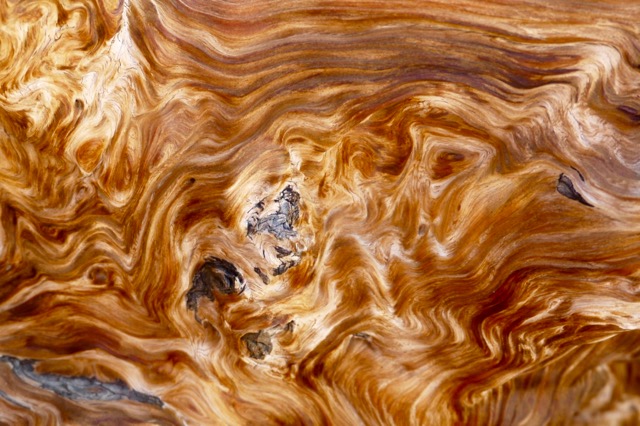
The "Old Friends in High Places" metaphor itself speaks to the potential for developing meaningful relationships with the natural world, fostering a sense of companionship and mutual respect. In an era marked by increasing urbanization and digital immersion, Malinsky’s work serves as a poignant reminder of the profound wisdom and solace that can be found in the ancient and enduring elements of our planet. The call to join his listserve suggests a desire to build a community around this shared appreciation, fostering dialogue and collective learning.
Future Directions and Continued Engagement
David Malinsky’s ongoing correspondence promises to continue offering valuable perspectives on the Great Basin Bristlecone Pines and the broader lessons they impart. His invitation to engage through his listserve signifies an active effort to cultivate a community of like-minded individuals who are inspired by the resilience and timeless wisdom of these extraordinary trees. Future communications may delve deeper into specific ecological observations, historical context of their discovery and study, or explore the varied interpretations and personal journeys inspired by their presence. The continued dialogue between Malinsky and his audience underscores the enduring power of nature to inform, inspire, and guide human understanding of both the external world and the inner self.

