

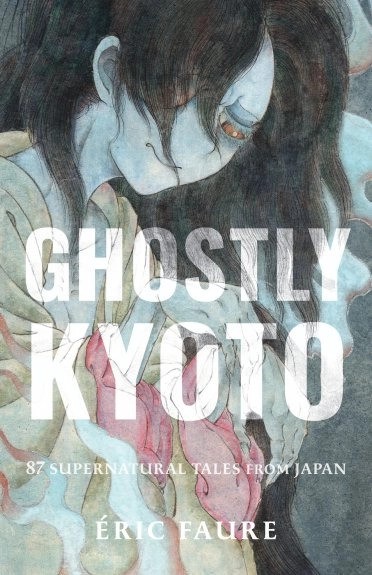
Enryaku-ji, a sprawling Buddhist temple complex nestled atop Mount Hiei northeast of Kyoto, has long been a beacon of spiritual practice and historical significance in Japan. Founded in 788 by the venerable Saicho, who later established the influential Tendai Buddhist sect, the temple grounds are a testament to centuries of devotion, comprising 150 halls meticulously organized into three distinct areas: Todo (East Pagoda), Saito (West Pagoda), and Yokawa. It is within the Yokawa area, specifically at the Yokawa Chudo Hall, a sacred space dedicated to the worship of Kannon, the bodhisattva of compassion, that a profound legend unfolded, offering a unique perspective on the Obon festival and the boundless nature of spiritual grace. This tale, recounted by Éric Faure in his work Ghostly Kyoto, speaks of a miraculous event where the very statue of Kannon revered within the hall is said to have come alive, extending its compassionate embrace to a multitude of departed souls who had gathered in the temple courtyard.
The legend unfolds during the preparations for Obon, Japan’s traditional festival of the dead, a period when it is believed that the spirits of ancestors return to the earthly realm to visit their living relatives. As monks at Yokawa Chudo meticulously cleaned their sacred space, preparing offerings before the venerated statue of Kannon, one monk’s observation sparked a profound realization that would reshape their understanding and observance of the festival. The atmosphere was one of dutiful reverence, a familiar rhythm of preparation for a deeply significant cultural and spiritual event.
"We must hurry," remarked one monk, his voice carrying a note of urgency as he polished the ceremonial objects adorning the altar. "In a few hours, Great King Enma will open the doors to the six realms of rebirth and allow the dead to return to earth." This statement, while factually accurate within the Buddhist cosmology, was about to take on a far more poignant dimension.
Another monk responded, echoing the conventional understanding of Obon: "In doing so, they will be able to visit their homes. There, their loved ones will welcome them, say prayers in their memory, and allow them to escape their condition and enter the pure land!" This sentiment captured the essence of the festival for many – a time of reunion, remembrance, and spiritual liberation for those who had passed.
However, a third monk’s quiet interjection introduced a disquieting thought, one that had evidently been weighing on his mind: "That’s true, but have you ever thought about the other dead, those who no longer have living relatives on earth? They, too, descend to earth, but they have nowhere to go and no one to intercede with the buddhas on their behalf to grant them entry into the pure land."
These words resonated deeply, sending a palpable wave of concern through the assembled monks. For the first time, they confronted the silent, often overlooked, plight of the disembodied souls who, through the passage of time or the severing of familial ties, found themselves without earthly advocates. The established rituals of Obon, while vital for many, left a significant segment of the departed in a state of potential spiritual limbo. The immensity of this oversight, the silent suffering of these forgotten souls, weighed heavily on their hearts.
"We must do something to help them!" exclaimed the monk who had initiated the discussion, his voice filled with a newfound sense of purpose. "Let’s invite them to our hall, pray for them, and ask Kannon to take them to the pure land." This impromptu call to action, born from empathy and a profound interpretation of Buddhist compassion, galvanized the monks. Moved by their comrade’s initiative, they immediately turned their attention from their mundane tasks to a more urgent spiritual undertaking. They gathered before the statue of Kannon, their voices rising in unison as they recited prayers, not merely for their own departed loved ones, but for all souls in need of solace and liberation.
The Divine Intervention
Simultaneously, as the monks at Yokawa Chudo offered their prayers, the cosmic gates were indeed opened. Great King Enma, the formidable guardian of the underworld in Buddhist lore, unfurled the pathways to the six realms of existence, permitting the denizens of these realms to traverse back to the earthly plane. For those fortunate enough to have living relatives, the return was a homecoming, a chance to be remembered and to receive blessings that would guide them towards spiritual peace.
Yet, for the solitary souls, the ones without family to welcome them, their descent was marked by a profound aimlessness. They journeyed towards earth, their spiritual essence adrift, with no anchor to guide them. It was at this critical juncture, midway through their spectral journey, that a miraculous event began to unfold. A gentle, harmonious voice, imbued with an ethereal quality, began to call out to them, not with commands, but with a benevolent summons, directing them towards a specific mountain – Mount Hiei, and specifically, to the Yokawa Chudo Hall.
Back at the temple, the monks’ fervent prayers reached a crescendo. It was then that an event of unparalleled wonder transpired. The serene, unmoving statue of Kannon, the embodiment of divine compassion, stirred. Its eyes, until then carved stone, opened. The monks watched in stunned silence as the Kannon statue descended from its pedestal, its sacred form moving with an grace that defied its material composition. It emerged from the hall and paused in the courtyard, its hands making intricate, seemingly incantatory gestures, and it uttered soft, resonant sounds whose meaning remained veiled to the human ear, yet clearly held profound spiritual import.
A Spectacle of Redemption
The immediate aftermath of Kannon’s awakening was astonishing. The very earth beneath the courtyard began to tremble and then parted, revealing a chasm from which emerged an immense multitude of departed souls. This was not a single stream of spirits, but a complex procession, meticulously ordered according to their former existences and karmic destinies. Leading the vanguard were the souls from the realm of hell, their forms bearing the palpable marks of their suffering. Following them were the inhabitants of the realm of hungry ghosts, their gaunt figures a testament to their eternal, unfulfilled yearning for sustenance. Next came the spirits from the realm of beasts, their movements reflecting the primal struggles of their earthly lives. Then, the realm of fighting demigods, their expressions etched with the futility of their ceaseless conflicts. Finally, the souls from the celestial realms, who, despite their seemingly blissful existence, carried an aura of impending impermanence.
The gathered souls, a vast congregation of the departed, congregated around the divine form of Kannon. In a profound display of gratitude, they offered flowers, burned fragrant incense, and performed dances that vividly illustrated their former states of being. The souls from hell reenacted their horrific torments, a stark reminder of the consequences of negative karma. The hungry ghosts mimed their perpetual, agonizing quest for nourishment. The beasts conveyed the burdens of their existence, the perpetual cycle of predator and prey. The fighting demigods depicted the ceaseless, destructive nature of their battles. Even the celestial beings, in their luminous dance, evoked the inevitable decline of their divine forms, a subtle acknowledgment of the impermanence that pervades all existence within samsara.
As the first rays of dawn pierced the horizon, bathing the courtyard in the gentle light of a new day, a transformative process began. Each soul, bathed in this sacred luminescence, was enveloped in a radiant glow. Gradually, their forms began to fade, not into oblivion, but into a higher state of being. For the awestruck monks who had borne witness to this extraordinary spectacle, there was no room for doubt. These were not souls returning to their former realms of suffering or impermanence. Kannon, in her boundless compassion, had personally intervened, guiding them towards the ultimate liberation, the eternal peace of the Pure Land.
Historical Context and Buddhist Cosmology
This legend of Kannon’s intervention at Yokawa Chudo Hall offers a powerful narrative within the broader context of Buddhist beliefs surrounding death, rebirth, and compassion. Obon, as a festival, is deeply rooted in the belief of samsara, the cyclical nature of existence driven by karma and rebirth. The opening of the gates to the six realms by Great King Enma is a symbolic representation of this cycle, where souls are temporarily released to interact with the living and potentially find a path towards liberation.
The six realms, as described in Buddhist cosmology, are:
- The Realm of Hell (Naraka): A state of intense suffering, a consequence of severe negative karma.
- The Realm of Hungry Ghosts (Preta): Characterized by insatiable hunger and thirst, a result of greed and attachment.
- The Realm of Animals (Tiryagyoni): Defined by instinct, fear, and the struggle for survival, stemming from ignorance.
- The Realm of Fighting Demigods (Asura): A realm of constant conflict and jealousy, driven by anger and pride.
- The Realm of Humans (Manusya): A realm of mixed suffering and happiness, offering the unique opportunity for spiritual enlightenment.
- The Realm of Devas (Gods/Celestial Beings): Realms of pleasure and long life, but ultimately impermanent and subject to eventual rebirth in lower realms.
The legend highlights a crucial aspect of Buddhist practice: the importance of intercessory prayer and compassionate action. The monks’ realization that souls without living relatives might be overlooked underscores the Buddhist principle of bodhicitta, the aspiration to achieve enlightenment for the benefit of all sentient beings. Kannon, as the Bodhisattva of Compassion, embodies this ideal, actively working to alleviate suffering and guide beings towards liberation.
The act of the Kannon statue coming to life is a potent metaphor for the immanent nature of the divine and the power of sincere devotion. It suggests that compassion is not merely an abstract concept but a dynamic, active force that can manifest in extraordinary ways when called upon by earnest hearts. The visual depiction of the souls dancing their respective conditions serves as a powerful, albeit grim, reminder of the realities of karmic consequence and the suffering inherent in the cycle of rebirth.
Broader Implications and Cultural Resonance
The legend of Kannon’s intervention at Yokawa Chudo Hall, while specific to this temple and its traditions, resonates with broader themes present in Japanese culture and Buddhist practice worldwide. It underscores the profound respect for ancestors and the spiritual significance of remembrance. Furthermore, it emphasizes the Mahayana Buddhist ideal of universal salvation, where no being is left behind in the quest for enlightenment.
The story offers a unique perspective on the Obon festival, extending its scope beyond familial connections to embrace a universal sense of interconnectedness with all beings, living and dead. It challenges the conventional understanding of spiritual benefit, suggesting that even those who appear forgotten or lost can be touched by compassion and guided towards a better future.
The legend’s enduring appeal lies in its message of hope and redemption. It assures believers that even in the face of immense suffering and apparent abandonment, the light of compassion can reach the darkest corners. The miraculous intervention of Kannon at Yokawa Chudo Hall serves as a powerful testament to the boundless efficacy of prayer, devotion, and the transformative power of selfless compassion, offering solace and inspiration to countless individuals seeking spiritual guidance and peace for themselves and for all beings. The tale, passed down through generations, continues to inspire reflection on the nature of existence, the consequences of karma, and the ultimate triumph of compassion.

