

A recent analysis of scientific literature, commissioned by the meat industry itself, has concluded that meat consumption is associated with an increased risk of several serious health conditions, including cancer, heart disease, diabetes, and premature death. However, the recommendations stemming from this research have sparked significant controversy, as they largely advocate for maintaining current levels of red and processed meat consumption, a stance that appears to directly contradict the presented evidence and established public health advice.
The Controversial Study and its Methodology
The core of the controversy lies in a series of papers published in the esteemed Annals of Internal Medicine. These papers, while acknowledging the links between meat intake and adverse health outcomes, employed a stringent methodology that significantly narrowed the scope of evidence considered. The research team utilized the GRADE (Grading of Recommendations Assessment, Development, and Evaluation) criteria, a framework primarily designed for evaluating evidence from drug trials. This approach led to the exclusion of a substantial body of observational and lower-quality randomized studies, which proponents argue are more appropriate for assessing dietary and lifestyle factors.
Critics contend that the strict application of GRADE criteria, which prioritizes high-quality randomized controlled trials (RCTs), is ill-suited for nutritional science. RCTs for dietary interventions are often complex, expensive, and ethically challenging to conduct with placebo controls over extended periods. As a result, the GRADE framework, when applied to diet, tends to classify most available evidence as "low" or "very low" quality. This selective application of evidence, according to nutrition experts, has the potential to undermine recommendations on a wide range of health-related behaviors, including fruit and vegetable intake, physical activity, and exposure to environmental toxins.
Findings Contradicting Recommendations
Despite the methodological choices, the study’s own findings indicated a clear association between meat intake and increased health risks. Even after filtering out a significant portion of available data, the researchers identified a link between meat consumption and a higher risk of cancer. Furthermore, the analysis revealed that diets lower in red and processed meats could potentially decrease the risk of premature death, cardiometabolic diseases (such as heart disease and type 2 diabetes), and cancer mortality.
However, in a move that has bewildered public health advocates and nutritionists, the study’s authors ultimately recommended that individuals "continue current unprocessed red meat consumption" and "continue current processed meat consumption." This conclusion has been widely interpreted as a dismissal of the identified health risks, effectively suggesting that the enjoyment of meat consumption outweighs the potential for serious health consequences.
The Role of "Taste Cost" and Consumer Preferences
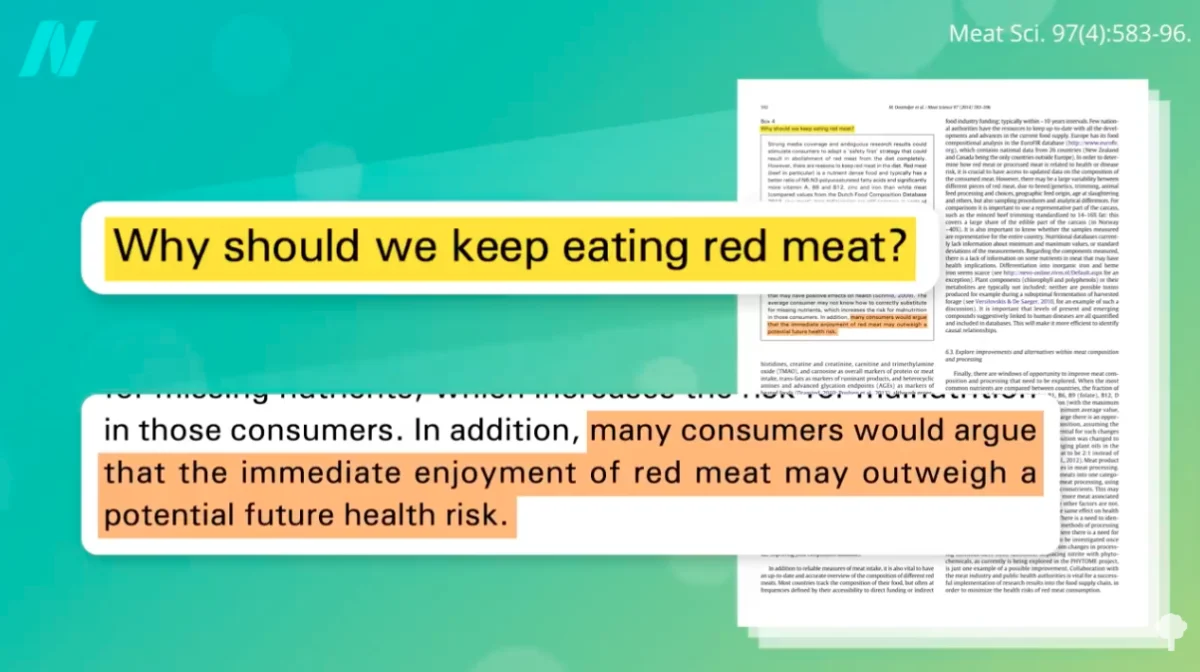
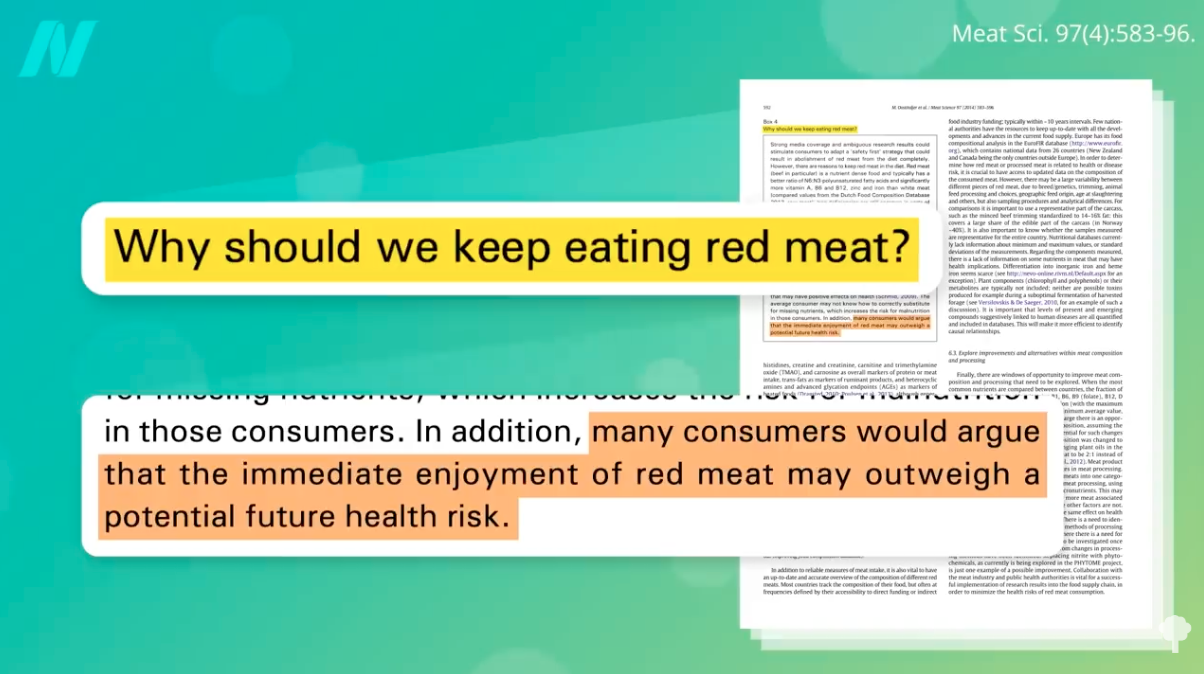
The rationale provided for these seemingly contradictory recommendations centers on the concept of "taste cost" and consumer preferences. The panel, which included researchers with reported ties to the meat industry, argued that the immediate enjoyment derived from eating meat is a significant factor for consumers. They posited that for the majority of people, the health benefits of reducing meat consumption—such as lowering the risk of major diseases—do not sufficiently outweigh the perceived undesirable effects, which include foregoing pleasurable food experiences.
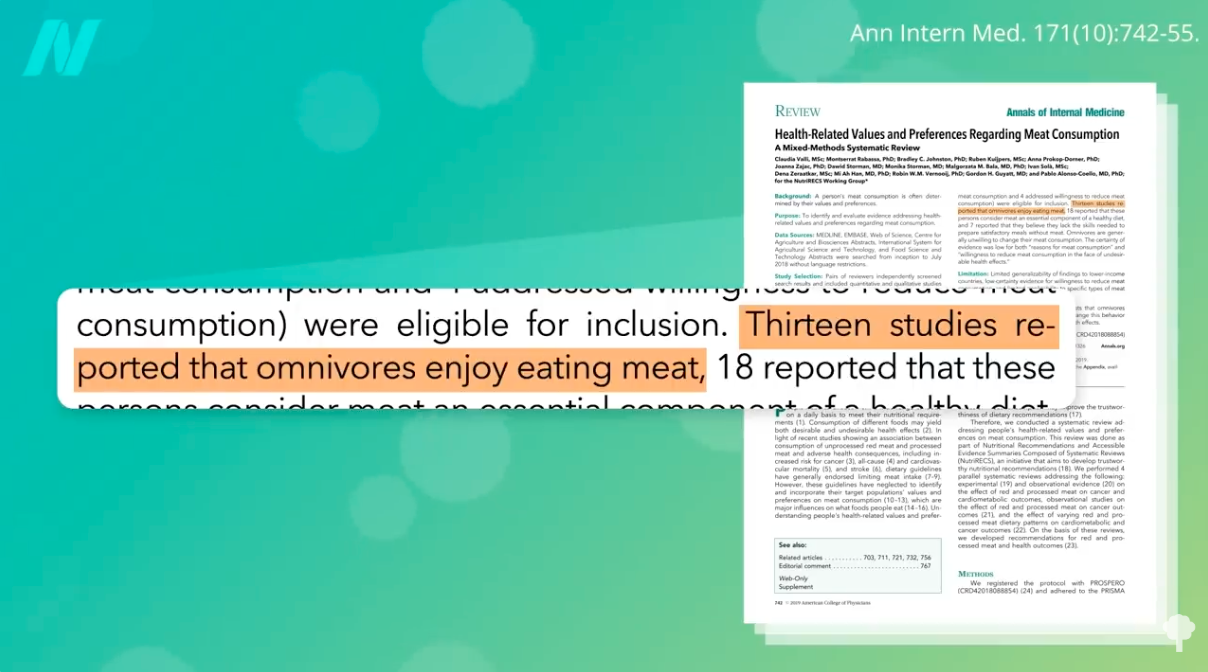
This perspective suggests a shift in the prioritization of health guidelines, moving towards recommendations that are more aligned with existing consumer habits and preferences, even if those habits carry documented health risks. The panel specifically criticized existing dietary guidelines that advise limiting meat intake, stating that these guidelines have "paid little or no attention to the reasons people eat meat." In contrast, their own systematic review of preferences regarding meat consumption found that individuals who eat meat generally "enjoy eating meat."
Industry Funding and Potential Bias
Further scrutiny has been directed at the funding and composition of the panel responsible for these recommendations. The group, known as NutriRECS, has been noted for receiving "generous support" from organizations that benefit financially from the meat industry. This has raised concerns about potential conflicts of interest and the possibility that industry funding may have influenced the interpretation of evidence and the subsequent recommendations. The panel’s previous work, which included a paper criticizing sugar guidelines and was funded by the soda and candy industries, further fuels these concerns about their approach to nutritional advice.
The argument that consumer preference for taste should supersede established health recommendations has drawn sharp criticism. Experts have drawn parallels to other risky behaviors, such as smoking or neglecting to wear motorcycle helmets, where personal enjoyment or preference conflicts with scientific evidence of harm. The question arises: should public health advice be dictated by consumer habits rather than by the best available scientific data on disease prevention?
Expert Reactions and Broader Implications
The publication of these findings and recommendations has triggered widespread debate and criticism from the scientific and public health communities. Many experts have expressed alarm at the potential impact of these guidelines on public health. Dr. David Katz, director of Yale’s Prevention Research Center, articulated a common sentiment, stating, "Guidelines opposing the very data on which they purport to be based are not science; they are anti-science." He further drew a parallel, suggesting that by this logic, one could argue for "no need to quit smoking for good health" or "no need to exercise for good health."
The implications of these recommendations are far-reaching. If widely adopted or perceived as authoritative, they could undermine decades of public health messaging aimed at reducing the consumption of red and processed meats due to their proven links to chronic diseases. This could potentially lead to an increase in the incidence of diet-related illnesses, placing a greater burden on healthcare systems and diminishing the quality of life for many individuals.
The Annals of Internal Medicine itself released a press statement accompanying the publications, asserting that there is "no need to reduce red or processed meat consumption for good health." This bold claim, made in conjunction with research that acknowledged health risks, has been a focal point of the controversy. Critics argue that this framing oversimplifies a complex issue and potentially misleads the public.
Understanding Relative Risk
It is important for the public to understand the implications of relative risk numbers presented in health studies. While a study might indicate a certain percentage increase in risk, understanding the baseline risk and the actual number of cases attributed to a specific factor is crucial for informed decision-making. For instance, understanding "How Much Cancer Does Processed Meat Cause?" provides a more nuanced perspective than simply citing a percentage increase in relative risk.
This series of controversial studies and their subsequent recommendations is part of a larger discussion about how industries can influence dietary and health guidelines. The underlying issue often revolves around the balance between scientific evidence and economic interests, as well as the methodologies employed to translate scientific findings into actionable public health advice. The meat industry’s involvement in commissioning and influencing research on its own products raises critical questions about transparency, objectivity, and the potential for bias in the formation of nutritional guidance.
A Pattern of Industry Influence
This situation is not an isolated incident. The article highlights a pattern where industry-funded panels have produced guidelines that align with the interests of the industries providing financial support. The NutriRECS panel’s prior work on sugar guidelines, funded by the sugar industry, serves as a precedent for this concern. The core objective of such panels, as stated by NutriRECS, is to produce guidelines based on "preferences of patients." However, critics argue that this approach risks prioritizing immediate gratification and consumer comfort over long-term health and well-being, potentially paving the way for recommendations that endorse less healthy choices, such as high-sugar foods, under the guise of respecting consumer preferences.
The broader scientific community continues to grapple with how to best communicate complex health information to the public, especially when faced with conflicting messages influenced by commercial interests. The debate surrounding these meat consumption guidelines underscores the critical need for independent, transparent, and evidence-based nutritional advice that prioritizes public health above all else. The lingering question remains: when faced with scientific evidence of harm, should recommendations be guided by data or by the perceived "taste cost" of healthier choices? The implications of this question extend beyond meat consumption, touching upon a wide array of lifestyle and dietary choices that profoundly impact global health.

