

August 13, 2026 – A novel metric, the "micromort," is gaining traction as a vital tool for enhancing public understanding of risk, particularly in the context of medical procedures and everyday activities. Developed to translate abstract probabilities into relatable units, a micromort represents a one-in-a-million chance of death. This seemingly small unit offers a powerful lens through which to compare the relative dangers of diverse events, from routine surgeries to adventurous hobbies.
The impetus behind the widespread adoption of the micromort concept stems from a persistent challenge in risk communication: the public’s difficulty in grasping small numerical probabilities. For instance, surgical procedures, which carry a mortality risk typically around 0.5%, are often met with patient comparisons to everyday dangers like crossing the street. This highlights a significant disconnect in the perceived magnitude of risk. Dr. Michael Greger, a proponent of the micromort system, notes that patients often struggle to internalize the actual statistical differences, leading to potential underestimation or overestimation of dangers.
The Genesis and Mechanics of the Micromort
The micromort, first formally proposed and popularized in the late 20th century, emerged as a solution to this communication gap. A single micromort (mM) is defined as a one-in-a-million probability of death. To illustrate its scale, the odds of flipping a coin and getting heads 20 consecutive times are roughly equivalent to one micromort. Similarly, the chance of being dealt a royal flush in a standard game of poker is also in the ballpark of a micromort. While these analogies provide an initial grasp, the true power of the micromort lies in its ability to serve as a universal currency for comparing disparate risks.

For example, the act of driving 100 miles in the United States is statistically associated with approximately one micromort. This simple equation allows for direct comparisons: scuba diving, with a risk of about five micromorts per dive, is thus as dangerous as driving 500 miles. This framework enables individuals to contextualize the risks associated with medical interventions against the backdrop of their daily lives and recreational pursuits.
Navigating Medical Risks with Micromorts
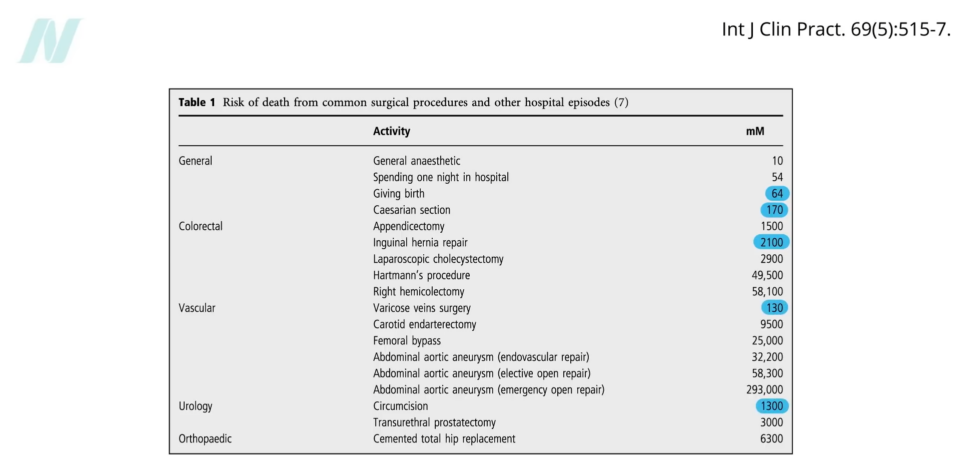
The application of micromorts becomes particularly relevant when examining the safety of medical procedures. Undergoing general anesthesia, for instance, carries an approximate 1-in-100,000 chance of not waking up, which translates to ten micromorts. This risk is comparable to that of an expert skydiving attempt. However, the complexity of surgical outcomes means that different procedures carry vastly different risk profiles.
A Cesarean section, for instance, is statistically more than twice as risky as a natural birth. Even seemingly minor interventions like a hernia repair can carry a mortality risk equivalent to performing 200 skydives. These comparisons, when presented using the micromort metric, offer patients a clearer understanding of the potential dangers involved, facilitating more informed decision-making.
Everyday Activities and Their Hidden Dangers
Beyond medical procedures, the micromort framework sheds light on the inherent risks associated with common activities. The risk associated with giving birth, for example, is equivalent to driving from New York to Los Angeles and back. This comparison helps to underscore that even seemingly natural biological processes carry statistically significant risks.
The data also reveals surprising disparities in risk among recreational activities. Horseback riding, for instance, has been found to be approximately four times deadlier than rock climbing when analyzed per unit of exposure. Conversely, undertaking chemotherapy and radiation for head and neck cancer presents a significantly higher risk profile, being more dangerous than rock climbing for 500 years, driving 5 million miles, or skydiving 5,000 times.
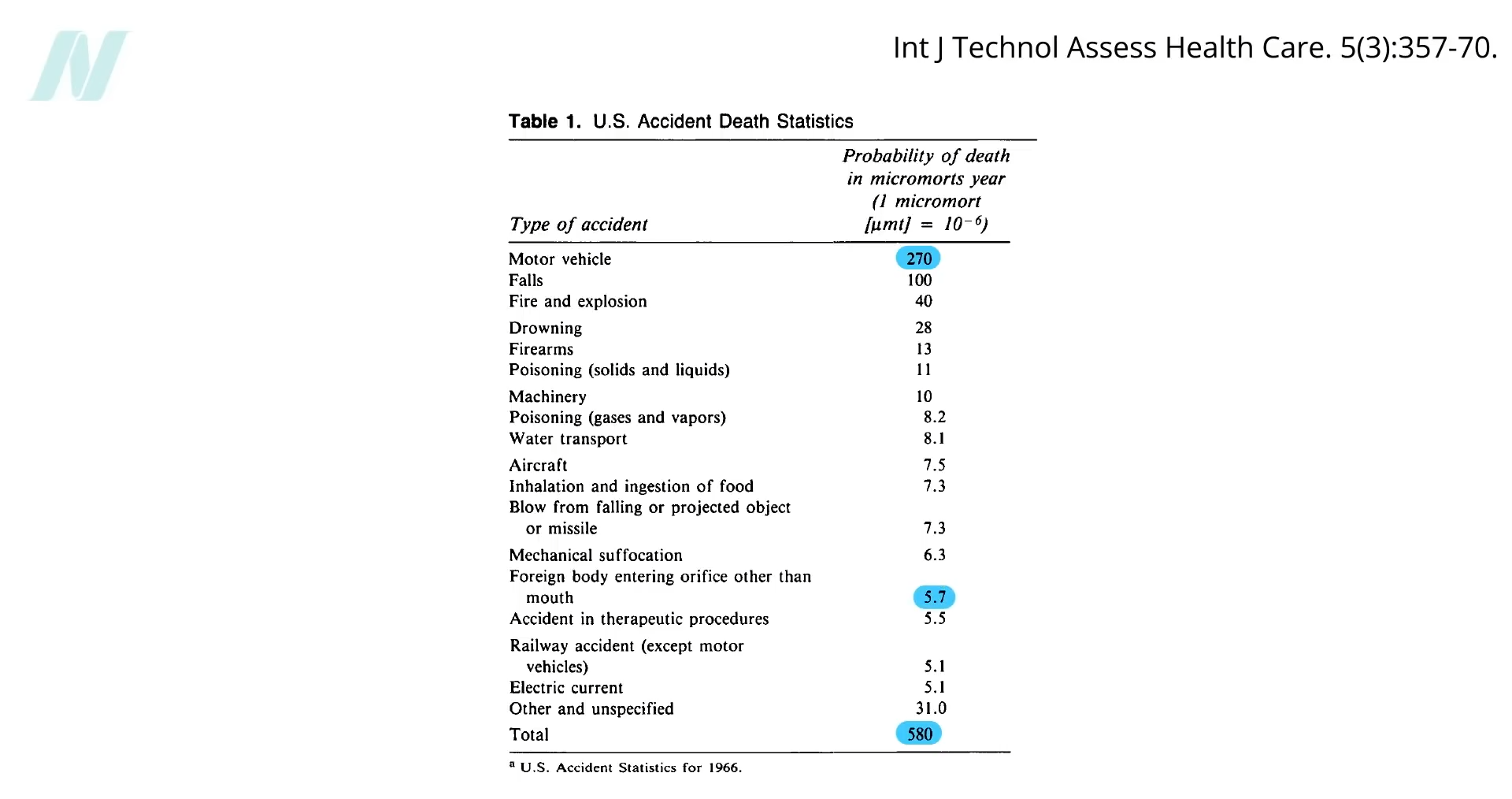
Accidental deaths, a category often overlooked in public health discussions, also become more quantifiable through micromorts. On average, individuals face a daily risk of approximately one micromort from accidental causes. Car crashes account for roughly half of this risk, based on U.S. averages. Other hazards contribute to this daily risk, including accidents involving foreign bodies entering orifices other than the mouth, which carry an annual risk of about 1 in 200,000 for Americans.
Comparative Risk Analysis: Travel, Sports, and Lifestyle Choices
The micromort system allows for a nuanced comparison of risks across various modes of transportation and lifestyle choices. While trains and planes present a similar risk profile over equivalent distances, riding a motorcycle is approximately 50 times deadlier than traveling in a car. Cycling, while often promoted for its health benefits, carries a near-term risk that is about 10 times greater than driving.
More extreme pursuits also find their place within this risk calculus. Climbing Mount Everest is estimated to be about 30 times riskier than coal mining or base jumping, highlighting the extreme dangers associated with high-altitude mountaineering.
Contextualizing Medical Device Risks
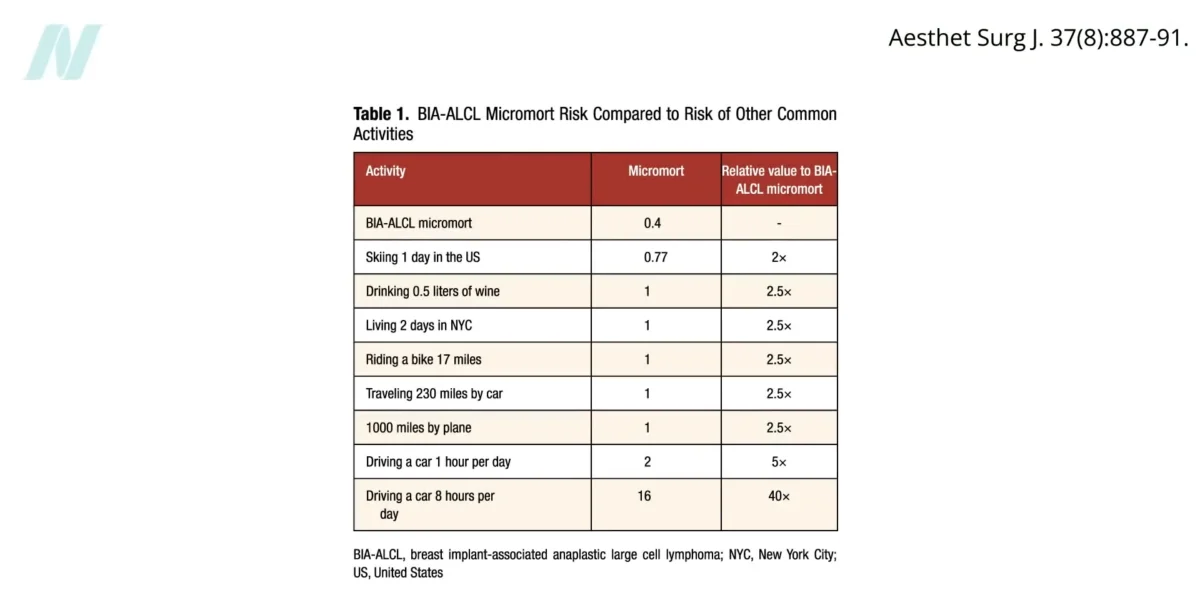
The micromort metric also proves invaluable in contextualizing the risks associated with medical devices. Certain types of breast implants, for example, have been linked to a rare form of cancer known as breast implant-associated lymphoma. While this prospect is understandably alarming for millions of women, the micromort analysis can provide a crucial perspective. The risk of dying from this specific implant-related cancer is, statistically, less than the risk associated with a single day of skiing. This comparison does not diminish the seriousness of the potential complication but helps to place it within a broader framework of risks that individuals willingly accept in other aspects of their lives.
Broader Implications and the Role of Prevention
The widespread application of micromorts in public discourse has significant implications for health policy and individual behavior. By making risks more tangible, the micromort system can empower individuals to make more informed choices about their health, lifestyle, and medical treatments. It also serves as a potent reminder of the importance of preventive measures.
The article touches upon the broader context of medical interventions themselves, noting that physicians are, in a sense, a leading cause of death due to the inherent risks associated with medical procedures. This perspective underscores the critical need for continuous improvement in medical safety protocols and a greater emphasis on preventive healthcare strategies. Understanding the risks associated with interventions, even when necessary, highlights the value of avoiding such interventions through healthy lifestyle choices whenever possible.
The development and dissemination of the micromort concept represent a significant step forward in risk communication. By translating abstract probabilities into relatable units, this metric empowers individuals with a clearer understanding of the dangers they face, fostering more informed decision-making across a spectrum of activities, from everyday travel to life-altering medical procedures. The ongoing challenge lies in ensuring this information is effectively communicated and understood by the general public, thereby contributing to improved health outcomes and a more risk-aware society.

