

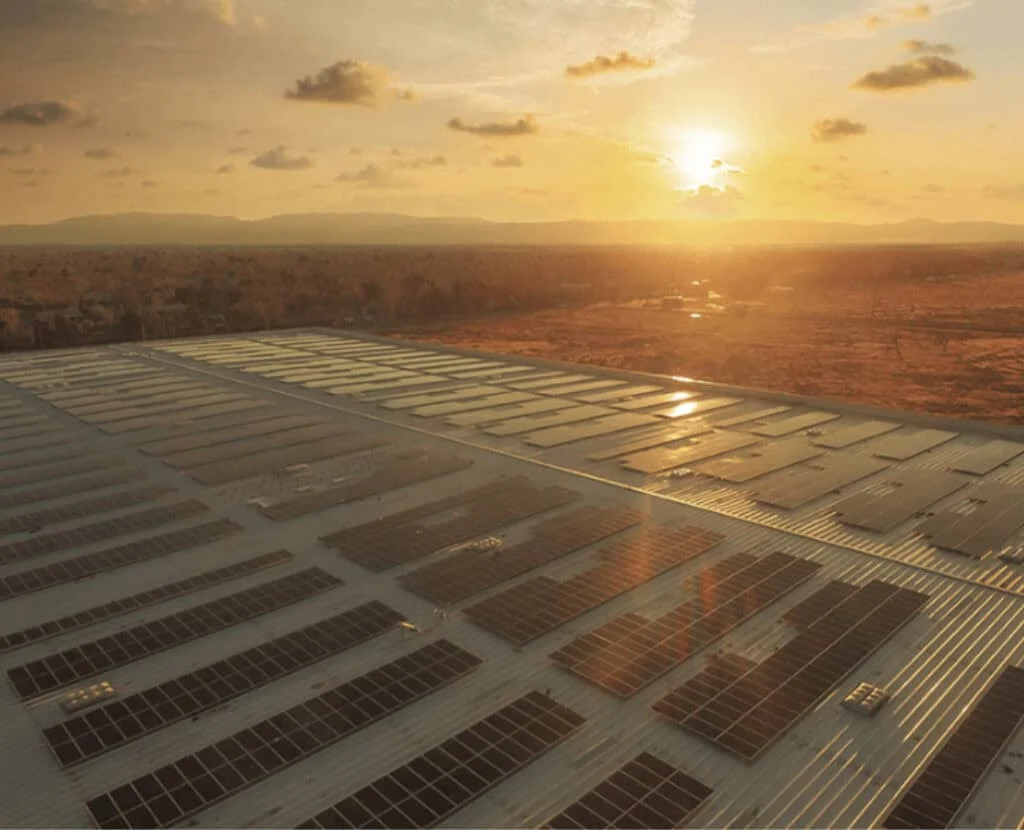
The Australian energy landscape is undergoing a profound transformation, marked by a rapid shift from centralized fossil fuel generation to a decentralized, renewable-heavy grid. According to the latest data from the Department of Climate Change, Energy, the Environment and Water (DCCEEW), renewable electricity generation across the continent has more than doubled over the last decade. This momentum is further underscored by the Clean Energy Council’s 2026 Clean Energy Report, which reveals that over 40% of Australia’s total electricity is now derived from renewable sources, including solar, wind, hydro, and biomass. This shift is not merely a result of environmental policy but is increasingly driven by the economic reality that renewable energy has transitioned from a niche environmental choice to a primary strategy for household cost management.
As electricity prices continue to fluctuate due to global market pressures and the retirement of aging coal-fired power stations, millions of Australian households are seeking energy independence. The proliferation of clean energy brands has made solar and storage solutions more accessible than ever. For residents and businesses alike, the selection of high-quality components is critical to ensuring long-term returns on investment. Five specific brands—VoltX Energy, Tesla Energy, SunPower, Fronius, and BYD—have emerged as pivotal players in this transition, offering the technology and reliability required to navigate Australia’s unique climate and energy market.
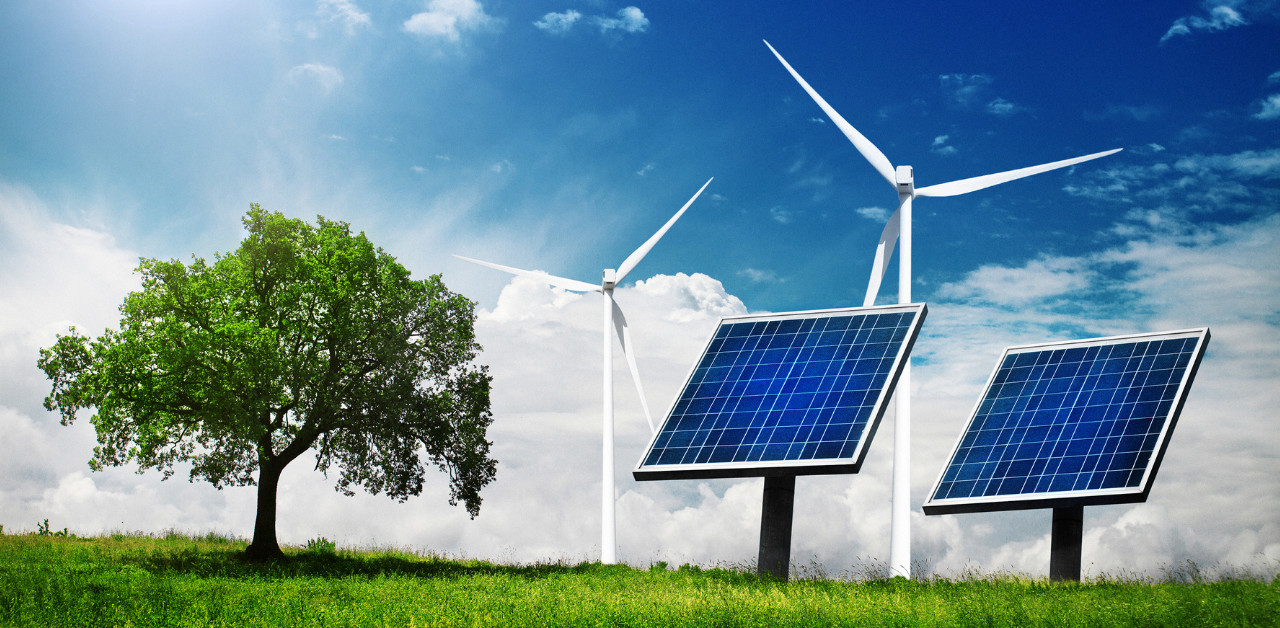
The Evolution of Australia’s Renewable Energy Sector
The journey toward a renewable-dominated grid in Australia has followed a distinct chronology. In the early 2010s, the market was characterized by high entry costs and a heavy reliance on government feed-in tariffs to make solar viable. However, as global manufacturing scales increased, the cost of photovoltaic (PV) modules plummeted. By 2020, Australia had achieved the highest uptake of rooftop solar per capita in the world.
The mid-2020s have introduced a new phase: the "Battery Age." While solar panels generate power during the day, the mismatch between peak generation and peak evening demand created the "duck curve" effect on the grid. This led to a surge in demand for home energy storage systems. Today, the focus has shifted toward integrated home energy management systems (HEMS) that allow consumers to store, manage, and even trade their energy through Virtual Power Plants (VPPs). The brands currently leading the market are those that have successfully integrated hardware with sophisticated software, allowing for seamless grid interaction and optimized self-consumption.
VoltX Energy: Localized Innovation for the Australasian Market
VoltX Energy has carved out a significant niche by focusing specifically on the needs of the Australian and New Zealand markets. Unlike global conglomerates that produce one-size-fits-all solutions, VoltX has built a reputation for designing high-performance home battery systems that account for the harsh environmental conditions of the Southern Hemisphere.
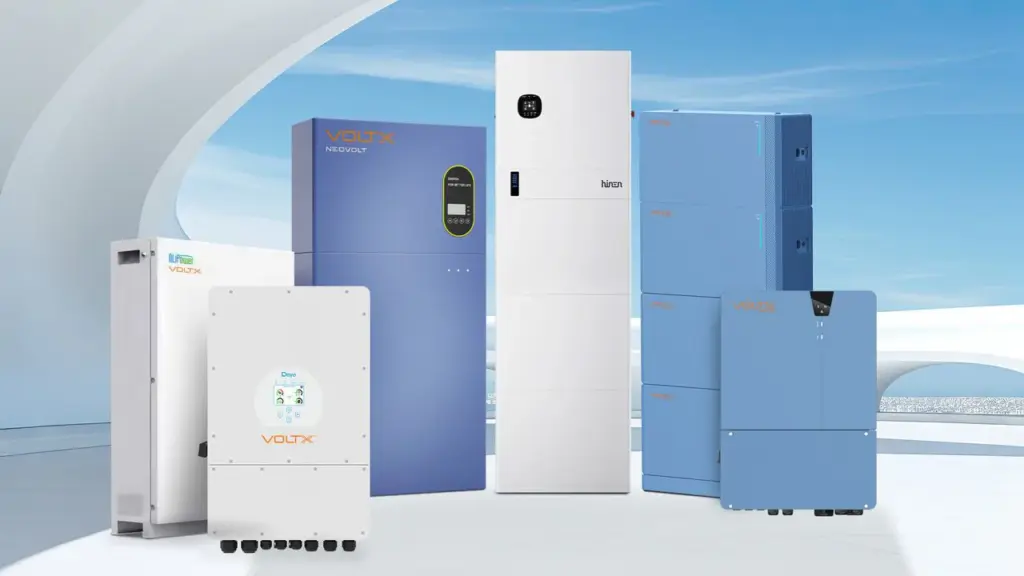
Their product range spans from entry-level storage units to advanced energy management systems. One of the primary advantages of the VoltX ecosystem is its modularity and compatibility. Their batteries are designed to integrate with a wide variety of existing solar panel setups, providing a cost-effective pathway for homeowners to add storage without needing to replace their entire solar infrastructure. By offering locally backed technical support, VoltX addresses a common concern among Australian consumers regarding the longevity and serviceability of high-tech energy investments.
Tesla Energy: Setting the Standard for Integrated Ecosystems
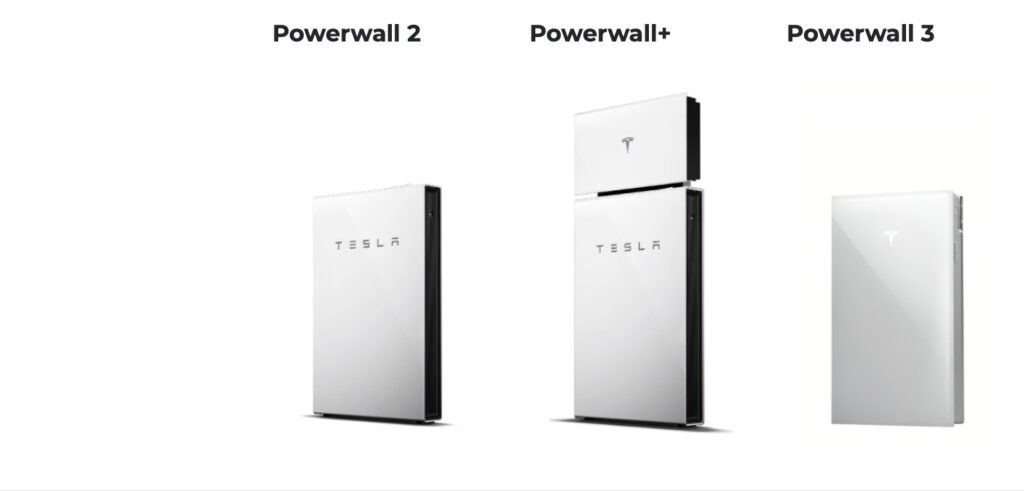
Tesla remains the most recognizable name in the global clean energy space, and its influence in Australia is substantial. The Tesla Powerwall has become synonymous with home energy storage, known for its sleek industrial design and industry-leading software integration. The introduction of the Powerwall 3 has further streamlined the installation process by combining a solar inverter and a high-capacity battery into a single unit.
Tesla’s strength lies in its ecosystem. Homeowners who utilize Tesla’s solar solutions, battery storage, and electric vehicle (EV) charging stations can manage their entire energy profile through a single mobile application. This level of integration allows for advanced features like "Storm Watch," which automatically prioritizes energy storage when severe weather is detected, and participation in Tesla’s own Virtual Power Plant, which pays users to support the grid during periods of peak demand. While Tesla products often command a premium price, their high energy density and robust thermal management systems make them a top choice for those prioritizing long-term reliability.
SunPower: High-Efficiency Solutions for Limited Spaces
In the solar panel segment, SunPower (specifically through its Maxeon cell technology) continues to lead the industry in efficiency and durability. As Australian urban centers see an increase in medium-density housing, maximizing energy output from limited roof space has become a priority. SunPower’s panels deliver significantly higher energy yields per square meter compared to conventional solar technology.
The technical foundation of SunPower’s success is the Maxeon cell, which features a solid copper foundation that prevents the cracking and corrosion often seen in standard panels. This durability is backed by some of the longest warranties in the sector, often reaching up to 40 years. For the Australian consumer, this translates to a "set and forget" investment that remains productive long after the initial payback period has been reached. While the upfront cost is higher, the total lifecycle cost of energy (LCOE) is often lower due to the panels’ superior degradation rates.
Fronius: The Technical Core of the Solar System
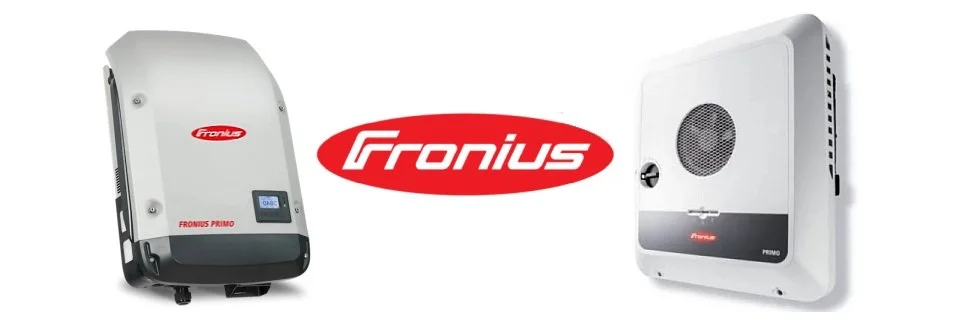
While panels and batteries receive most of the public attention, the inverter is the critical component that converts direct current (DC) from panels into usable alternating current (AC) for the home. Austrian manufacturer Fronius is widely regarded as the gold standard for solar inverters. Their products are favored by professional installers for their reliability, ease of service, and sophisticated monitoring capabilities.
The Fronius Primo and Symo series are staples in the Australian market, known for their "SnapINverter" design which allows for easy maintenance. Beyond hardware, the Fronius Solar.web platform provides homeowners with granular data on their energy production and consumption habits. This data-driven approach is essential for households looking to transition to a fully electric lifestyle, as it identifies the best times to run high-energy appliances or charge an electric vehicle. Fronius inverters are also designed to be "future-proof," with open interfaces that allow for easy integration with third-party components and smart home systems.
BYD: Scalability and Safety through LFP Chemistry
Build Your Dreams (BYD) has leveraged its position as one of the world’s largest manufacturers of rechargeable batteries to dominate the mid-range energy storage market. Their Battery-Box range is particularly popular in Australia due to its modular design. This allows a household to start with a modest 5kWh or 10kWh system and add additional battery modules as their energy needs or budget grow.
BYD utilizes Lithium Iron Phosphate (LFP) chemistry, which is widely considered safer and more stable than the Nickel Manganese Cobalt (NMC) chemistry used in some other lithium batteries. LFP batteries have a higher thermal runaway threshold and a longer cycle life, making them ideal for the high-temperature environments often found in Australian garages and utility rooms. By offering a high-performance product at a more accessible price point than some Western competitors, BYD has played a crucial role in democratizing energy storage for the average Australian household.
Economic and Policy Implications
The rapid adoption of these technologies is supported by a robust framework of federal and state incentives. The Small-scale Renewable Energy Scheme (SRES) continues to provide an upfront discount on solar installations through the creation of Small-scale Technology Certificates (STCs). Additionally, various state governments, such as those in New South Wales and Victoria, have introduced battery rebate programs or interest-free loans to accelerate the rollout of home storage.
Analysis from the International Energy Agency (IEA) suggests that the global shift toward renewables is accelerating faster than any previous energy transition. In Australia, this is manifesting as a move toward grid decentralization. As more households adopt brands like Tesla and BYD, the "Big Battery" of interconnected home storage units is beginning to rival the capacity of traditional power plants. This has significant implications for grid stability, as these distributed assets can be called upon to provide frequency control and ancillary services (FCAS) to the Australian Energy Market Operator (AEMO).
Future Outlook: The Path to 82% Renewables
The Australian government has set an ambitious target of reaching 82% renewable energy in the national electricity market by 2030. Achieving this goal will require a continued surge in private investment into home solar and storage. The brands mentioned above are not just selling products; they are providing the infrastructure for a fundamental shift in how society interacts with energy.
As the technology matures, the industry is expected to move toward "Energy as a Service" (EaaS) models, where consumers no longer worry about the technicalities of their systems but instead pay for a guaranteed energy outcome. For now, the focus remains on hardware quality and software intelligence. By selecting reputable brands with strong local presences, Australian consumers are securing their energy future against a backdrop of rising costs and environmental necessity. The transition is no longer a prospect for the future; it is a live economic shift occurring across rooftops from Perth to Brisbane.

