

In an era defined by demanding schedules and the persistent pursuit of optimal health, the efficiency of physical activity has become a paramount concern for individuals aiming to elevate their fitness levels. Scientific inquiry increasingly points towards compound exercises as a highly effective methodology for achieving significant physiological adaptations, offering a robust solution for those with limited time. This approach, characterized by its multi-joint and multi-muscle engagement, stands in contrast to traditional isolation movements, presenting a compelling case for its integration into contemporary fitness regimens.
Defining Compound Movements: A Physiological Perspective
Compound exercises are fundamentally movements that involve the coordinated action of multiple joints and muscle groups simultaneously. Unlike isolation exercises, which concentrate on a single muscle group or joint (e.g., a bicep curl targeting only the biceps), compound movements recruit several primary and synergistic muscles across different joints. This multi-faceted engagement is a cornerstone of their pronounced efficacy. For instance, a squat engages the hips, knees, and ankles, simultaneously activating major muscle groups such as the quadriceps, hamstrings, glutes, and core musculature. Other prominent examples include push-ups, deadlifts, overhead presses, and lunges, each demanding a complex interplay of various body parts.

The physiological rationale behind compound exercises lies in their ability to mimic natural human movement patterns. Most daily activities and athletic endeavors do not isolate individual muscles but rather involve integrated, coordinated actions. Lifting a box, climbing stairs, or throwing a ball all require the synchronous effort of numerous muscles. By training these integrated patterns, compound exercises enhance neuromuscular coordination, improve intermuscular and intramuscular communication, and develop a more functionally robust body. This comprehensive muscle recruitment not only leads to greater strength gains but also fosters improved balance, stability, and overall athletic performance.
The Scientific Foundation of Enhanced Efficiency
The assertion that compound exercises are significantly more efficient than their isolation counterparts is supported by a growing body of scientific evidence. Research indicates that the multi-joint nature of these movements leads to a higher metabolic demand during and after exercise.
- Metabolic Demands and Caloric Expenditure: When multiple large muscle groups are activated concurrently, the body requires a greater energy output to fuel these actions. This results in a higher caloric expenditure during the workout itself compared to an equivalent duration of isolation exercises. The sheer volume of muscle tissue being worked necessitates more oxygen and nutrients, thereby intensifying the metabolic rate.
- Excess Post-exercise Oxygen Consumption (EPOC): A critical factor contributing to the superior efficiency of compound movements is their impact on EPOC, commonly known as the "afterburn effect." EPOC refers to the elevated rate of oxygen intake following strenuous activity, as the body works to restore itself to pre-exercise levels. This recovery process, which includes replenishing ATP stores, re-oxygenating blood, repairing muscle tissue, and normalizing body temperature, continues to burn calories for hours after the workout has concluded. Compound exercises, due to their higher intensity and greater physiological stress, elicit a more pronounced and prolonged EPOC response than isolation exercises, further contributing to overall energy expenditure.
- Hormonal Response and Muscle Hypertrophy: The extensive muscle activation involved in compound movements also triggers a more significant anabolic hormonal response. Studies have shown that compound exercises, particularly those involving large muscle groups like squats and deadlifts, can lead to increased production of key anabolic hormones such as growth hormone and testosterone. These hormones are crucial for muscle protein synthesis, facilitating muscle hypertrophy (growth) and repair. A greater muscle mass, in turn, contributes to a higher basal metabolic rate, meaning the body burns more calories even at rest, aiding in long-term weight management.
- The "3.5x Efficiency" Claim: Contextualizing Research Findings: The claim that compound exercises can be "3.5 times more efficient" than regular workouts or isolation exercises, while a strong statement, generally refers to the cumulative benefits across various metrics. This efficiency is typically measured in terms of caloric expenditure per unit of time, the magnitude of hormonal response, and the development of functional strength relative to the investment of time. For individuals with limited time, this means a shorter, well-structured compound exercise routine can yield results comparable to, or even superior to, longer sessions involving numerous isolation movements. The holistic nature of these exercises allows for a greater return on investment in terms of physiological adaptation and fitness outcomes.
Beyond Efficiency: Unpacking Comprehensive Benefits
While efficiency is a primary driver for the adoption of compound exercises, their advantages extend far beyond time savings, encompassing a broad spectrum of health and performance benefits.
- Functional Strength and Real-World Application: The most immediate and tangible benefit of compound training is the development of functional strength. By training movements rather than individual muscles, individuals improve their capacity to perform daily tasks with greater ease and safety. This translates directly into enhanced quality of life, whether it’s lifting groceries, playing with children, or navigating uneven terrain. For athletes, functional strength gained from compound movements directly translates to improved performance in their specific sports.
- Improved Balance and Stability: Many compound exercises, especially unilateral movements like lunges or single-leg bridges, challenge and improve balance and core stability. The constant engagement of stabilizer muscles throughout these movements helps to strengthen the core and enhance proprioception (the body’s sense of its position in space), reducing the risk of falls and injuries.
- Enhanced Cardiovascular Health: The high metabolic demand of compound exercises can significantly elevate heart rate and improve cardiovascular conditioning. When performed in a circuit training format with minimal rest between sets, compound movements can provide a robust cardiovascular workout akin to traditional aerobic exercise, contributing to improved heart health, endurance, and stamina.
- Time Economy and Adherence: For many, the biggest barrier to consistent exercise is a lack of time. The ability to achieve comprehensive fitness results in shorter workout sessions makes compound exercises particularly appealing. This time economy can significantly boost adherence to an exercise program, as individuals are more likely to stick with a routine they can realistically fit into their busy lives.
- Injury Prevention and Musculoskeletal Health: By strengthening multiple muscle groups and improving joint stability, compound exercises contribute significantly to injury prevention. They help create a balanced and resilient musculoskeletal system, which is crucial for protecting joints and ligaments from strain. Furthermore, exercises like squats and deadlifts, when performed with proper form, can strengthen the muscles supporting the spine, alleviating and preventing back pain, a common ailment in modern society.
Key Compound Exercises: Foundational Movements for Holistic Development
The beauty of compound exercises is that many can be performed with minimal to no equipment, making them accessible to a wide audience. Incorporating these foundational movements is key to a comprehensive, efficient fitness regimen.
- Squats: The Lower Body Powerhouse: The air squat, requiring no equipment, is a fundamental movement that targets the quadriceps, hamstrings, glutes, and core. It involves lowering the hips from a standing position and then standing back up, mimicking the act of sitting down and standing. Proper form emphasizes keeping the chest up, core engaged, and weight distributed through the heels. Squats are crucial for developing lower body strength, improving mobility, and enhancing overall athletic power. For an added challenge, descending until the thighs are parallel to the ground maximizes muscle recruitment.
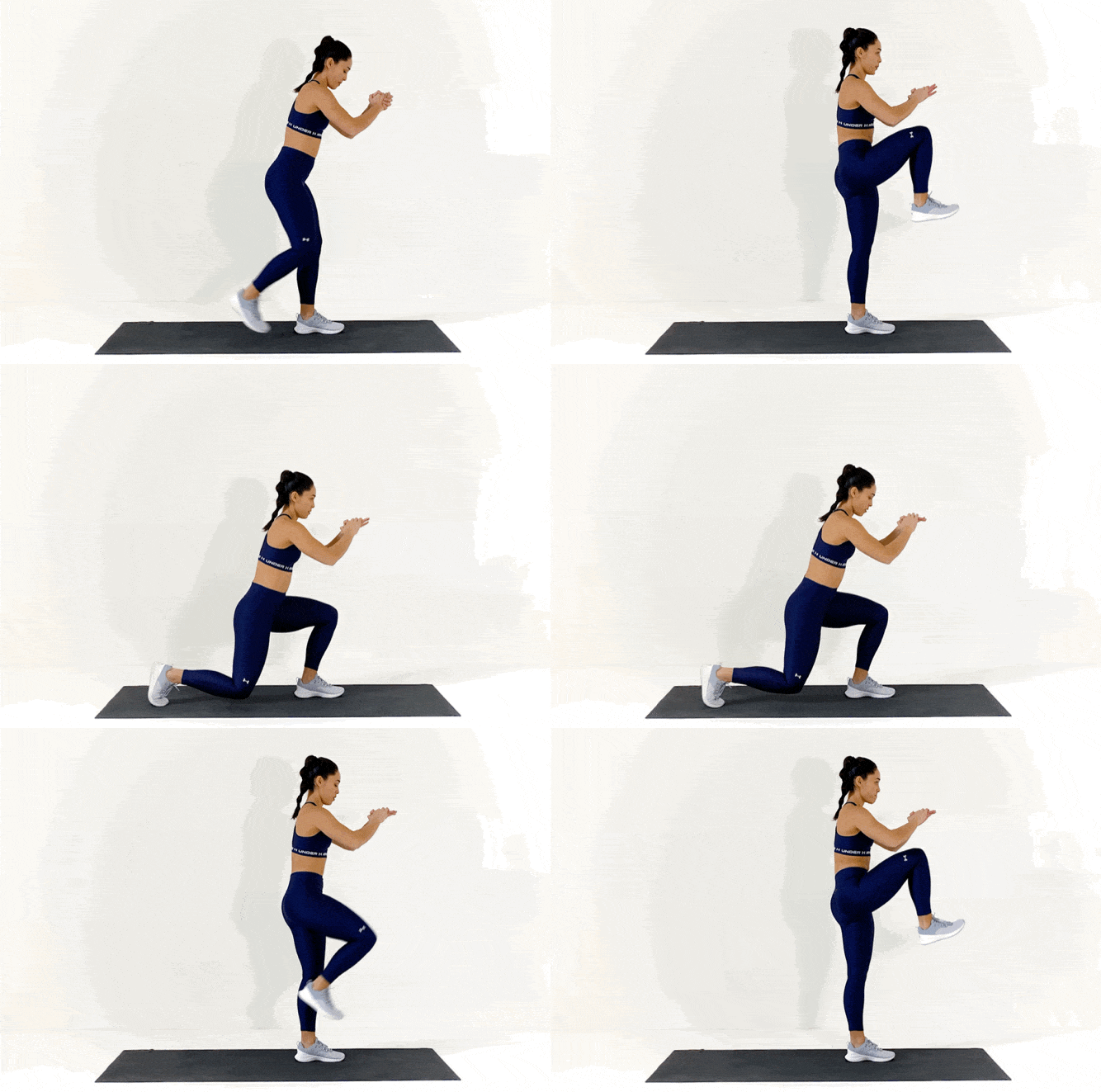
- Lunges: Unilateral Strength and Balance: The reverse lunge with a knee drive is an excellent example of a unilateral (one-sided) compound exercise. It engages the quadriceps, hamstrings, glutes, and calf muscles of the working leg, while simultaneously challenging core stability and balance. Starting with a step backward into a lunge, the movement culminates in driving the back knee forward and up towards the chest. This dynamic movement not only builds strength but also improves coordination and prepares the body for real-world movements that often involve single-leg stability. Adding dumbbells can increase the intensity.
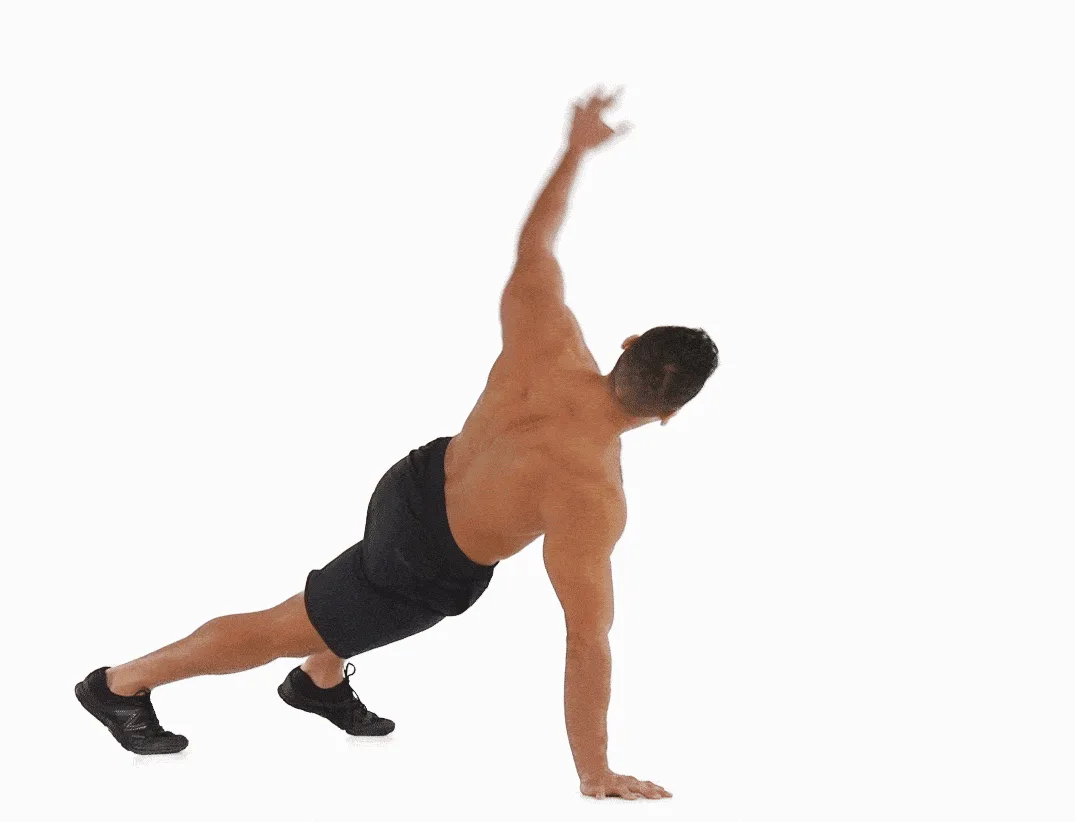
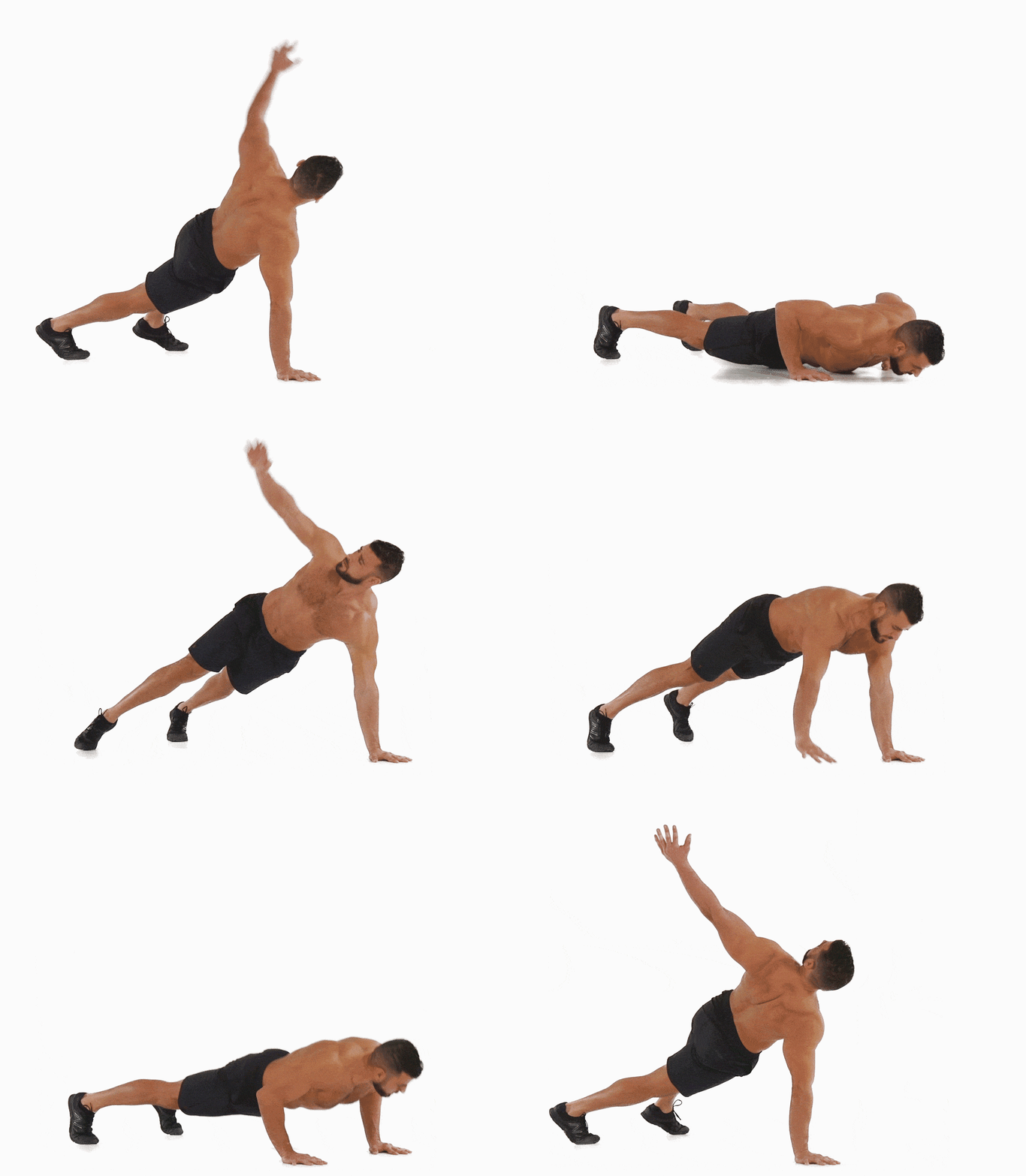
- Push-Ups: Upper Body and Core Integration: The push-up is a quintessential bodyweight compound exercise that primarily strengthens the chest, shoulders, and triceps, while also heavily engaging the core and lower back for stabilization. Starting in a plank position, the body lowers towards the ground by bending the elbows, then pushes back up. Variations, such as the "push-up and rotate" described in the original article, add an extra dimension by incorporating a rotational element that further challenges core obliques and shoulder stability, providing a comprehensive upper body and core workout.
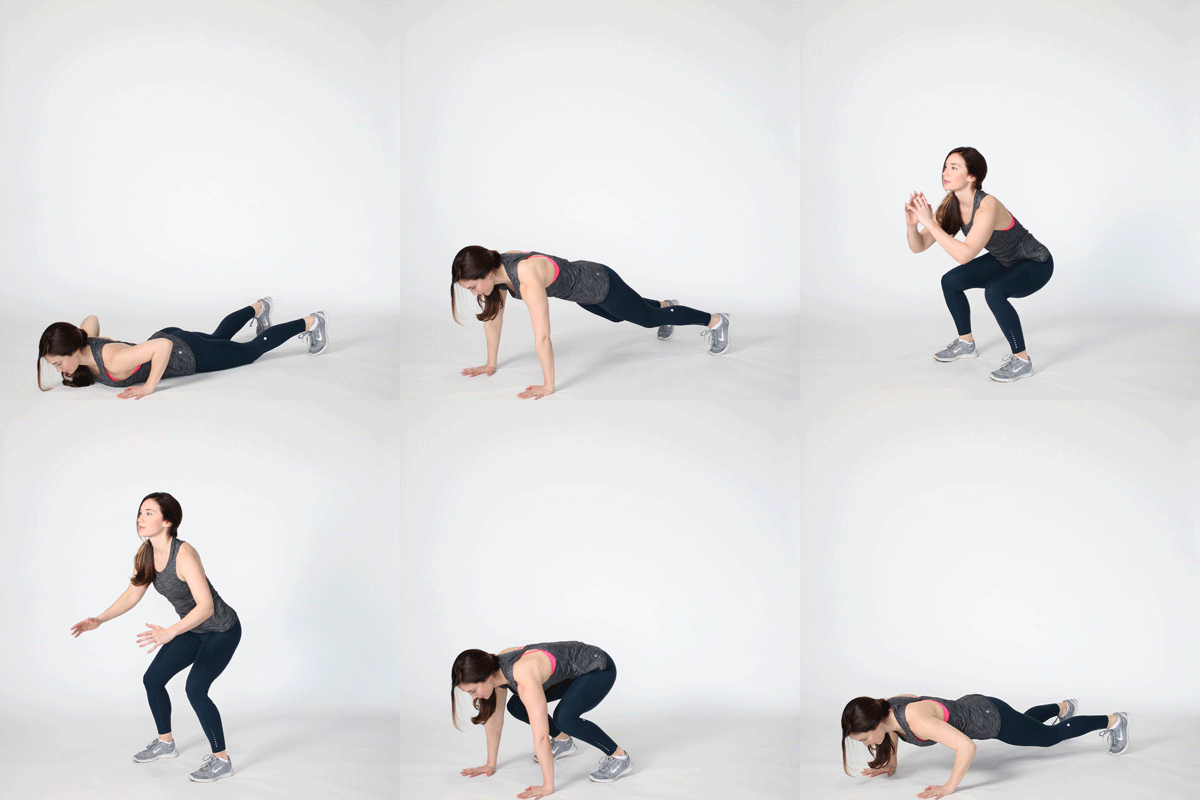
- Burpees: The Ultimate Full-Body Calisthenic Challenge: Often hailed as one of the most comprehensive bodyweight exercises, the burpee is a multi-stage compound movement that combines a squat, a push-up, and a jump. It rapidly elevates the heart rate, making it a potent exercise for both strength and cardiovascular conditioning. The sequence typically involves starting from standing, dropping into a squat, kicking the feet back into a plank position, performing a push-up, jumping the feet back to the squat position, and finally exploding into a jump with hands overhead. This full-body engagement makes burpees highly effective for calorie expenditure and developing explosive power.
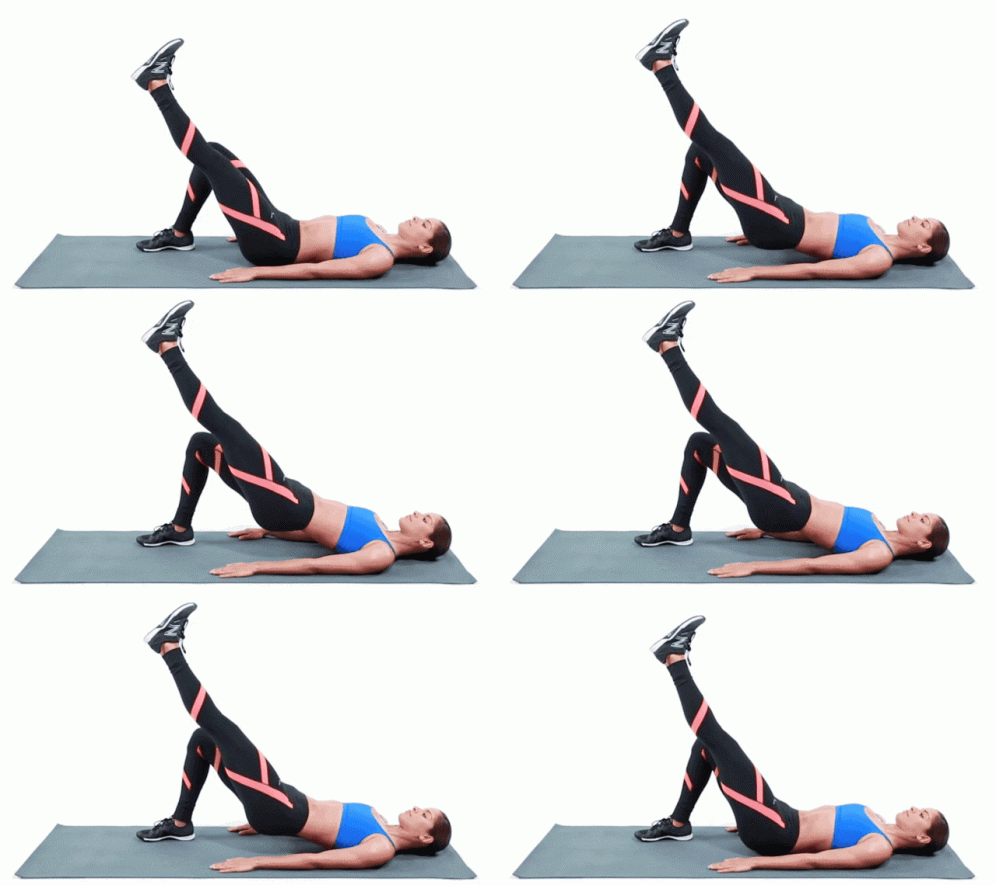
- Single-Leg Bridges: Targeting the Posterior Chain and Core: This exercise, performed lying on the back with one leg extended, is exceptional for isolating and strengthening the glutes and hamstrings while also engaging the core. The movement involves lifting the hips off the ground, forming a straight line from shoulders to knee, then slowly lowering back down. It is particularly beneficial for improving hip extension, addressing muscle imbalances, and enhancing posterior chain strength, which is vital for posture and preventing lower back pain.
Integrating Compound Exercises into a Fitness Regimen
The strategic integration of compound exercises into a fitness regimen is crucial for maximizing their benefits.
- Program Design: Full-Body Workouts and Circuit Training: Given their efficiency, compound movements are ideally suited for full-body workout routines, allowing for comprehensive muscle stimulation in each session. Circuit training, where multiple compound exercises are performed consecutively with minimal rest, further amplifies cardiovascular benefits and caloric expenditure, creating a highly effective and time-efficient workout.
- Progressive Overload with Bodyweight and Minimal Equipment: The principle of progressive overload—gradually increasing the demands placed on the body—is essential for continued progress. With bodyweight compound exercises, this can be achieved by increasing repetitions, sets, reducing rest periods, improving technique, or incorporating more challenging variations (e.g., single-arm push-ups, pistol squats). When equipment is available, adding resistance (dumbbells, resistance bands) further facilitates progressive overload.
- The Role of Warm-ups and Cool-downs: A proper warm-up, consisting of light cardio and dynamic stretches, prepares the muscles and joints for the strenuous demands of compound movements, reducing the risk of injury. Similarly, a cool-down with static stretching helps to improve flexibility and aid in muscle recovery.
Expert Perspectives and Public Health Recommendations
Leading exercise physiologists and certified personal trainers consistently advocate for the inclusion of compound exercises in fitness programs across all levels. Dr. Emily Andrews, a prominent figure in exercise science, emphasizes that "compound movements are the bedrock of functional strength and athletic development. They train the body as a cohesive unit, which is how we move in everyday life." Public health organizations also increasingly recommend multi-joint, multi-muscle activities as part of their guidelines for physical activity, recognizing their holistic benefits for cardiovascular health, bone density, and metabolic well-being. The implications for addressing sedentary lifestyles are significant; by offering an effective and time-efficient path to fitness, compound exercises can lower barriers to participation and contribute to improved population-level health outcomes.
Prioritizing Safety and Proper Form
Despite their numerous benefits, the complexity of compound movements necessitates a strong emphasis on safety and proper technique. Improper form can not only diminish the effectiveness of the exercise but also significantly increase the risk of injury.
- Importance of Professional Guidance: For individuals new to compound exercises or those seeking to refine their technique, working with an experienced personal trainer or fitness professional is highly recommended. A qualified instructor can observe form, provide immediate feedback, correct improper movements, and offer modifications or progressions tailored to individual capabilities. This personalized guidance is invaluable in establishing a strong foundation and preventing potential issues before they arise.
- Mastering Technique Before Increasing Intensity: The adage "form over weight" (or "form over reps" for bodyweight) is particularly pertinent here. It is critical to master the correct movement pattern with light or no resistance before attempting to increase the number of repetitions, sets, or the level of resistance. Focusing on controlled, deliberate movements ensures that the target muscles are properly engaged and that unnecessary strain is not placed on joints or connective tissues.
- Listening to Your Body: Avoiding Overtraining and Injury: Paying attention to the body’s signals is paramount. While some muscle soreness (DOMS – Delayed Onset Muscle Soreness) is normal after challenging workouts, sharp pain, persistent discomfort, or unusual fatigue are indicators that adjustments may be needed. Adequate rest, proper nutrition, and hydration are also crucial for recovery and injury prevention. Over-training can lead to plateaus, burnout, and increased susceptibility to injury.
- Specific Considerations for Back Pain Management: For individuals with pre-existing conditions such as back pain, specific compound exercises can be highly beneficial when performed correctly. Squats and bodyweight deadlifts, for example, can strengthen the core and posterior chain muscles that support the spine. However, it is imperative to approach these exercises with caution, potentially starting with very limited range of motion or modified versions, and always under the guidance of a healthcare professional or a trainer experienced in working with such conditions. The goal is to build strength and stability without exacerbating existing issues.
Addressing Common Questions on Compound Training
Compound exercises are versatile tools applicable to various fitness goals, as frequently highlighted in discussions around exercise methodology.
- Compound Exercises for Weight Loss: When the objective is weight loss, strength training, particularly with compound exercises, is often considered more effective than solely relying on cardio. As previously discussed, compound movements burn more calories during the workout due to greater muscle recruitment and elevate the metabolic rate for extended periods post-exercise (EPOC). Furthermore, building muscle mass through compound training increases the body’s resting metabolic rate, meaning more calories are burned even when at rest. This dual mechanism makes them a powerful ally in sustainable weight management.
- Targeting Leg Development: For comprehensive leg development, compound exercises are indispensable. Squats are foundational, engaging the quadriceps, hamstrings, glutes, and calves. Lunges, whether forward, reverse, or lateral, provide unilateral training, addressing muscle imbalances and enhancing functional leg strength. Step-ups are another excellent choice, working the glutes and quads while improving power. Integrating these multi-joint leg movements ensures balanced muscle growth, strength, and mobility across the entire lower body.
- Managing Back Pain Through Compound Movements: Certain compound exercises, when executed with meticulous form and appropriate progression, can significantly alleviate and prevent back pain by strengthening the musculature that supports the spine. Bodyweight squats strengthen the core and lower back. Deadlifts (even bodyweight or light-weight variants) are exceptional for fortifying the entire posterior chain, including the glutes, hamstrings, and erector spinae muscles, which are critical for spinal stability. Barbell rows, if weights are available, effectively target the upper back muscles, improving posture and reducing strain. However, individuals with back pain must prioritize professional consultation to ensure exercises are appropriate for their specific condition.
Conclusion: The Enduring Value of Integrated Movement
The evidence unequivocally supports the profound benefits of compound exercises as a cornerstone of an effective and efficient fitness strategy. From maximizing caloric expenditure and enhancing metabolic health to building functional strength and improving overall musculoskeletal integrity, these multi-joint movements offer a holistic approach to physical well-being. In a world where time is a precious commodity, the ability to achieve comprehensive fitness outcomes with greater efficiency represents a significant advantage. By embracing the principles of compound training, individuals can unlock a potent pathway to sustainable fitness, leading to a stronger, more resilient, and healthier existence.

