

The burgeoning field of precision medicine, heralded as a revolutionary approach to healthcare, is facing mounting scrutiny, with critics arguing that its promises may be overblown and primarily serve the interests of powerful corporations and industries. Simultaneously, direct-to-consumer (DTC) genetic testing, once a niche offering, has become widely accessible, promising insights into ancestry, health, and even love. However, a growing body of evidence suggests that many of these tests lack rigorous validation, potentially rendering their results useless or, worse, dangerously misleading.
The Allure and Accessibility of Genetic Information
In just two decades, the cost of full human genome sequencing has plummeted from an astronomical $100 million to roughly $1,000, a price point that has democratized access to one’s genetic blueprint. For even less, around $100, consumers can opt for partial DNA sequencing. Companies like 23andMe have made genetic testing "only a click away," marketing a range of services from tracing ancestral roots to assessing predispositions to various health conditions. This accessibility has fueled a significant public demand for such tests, creating a booming market.
However, this rapid expansion has outpaced the establishment of robust regulatory frameworks and scientific validation processes. A significant concern is that many available tests have not undergone the necessary scientific scrutiny to confirm their accuracy and reliability. This oversight means consumers may be purchasing information that is fundamentally flawed, leading to potential misinterpretations of their genetic makeup.
Alarming Rates of Inaccuracy in Consumer Genetic Tests
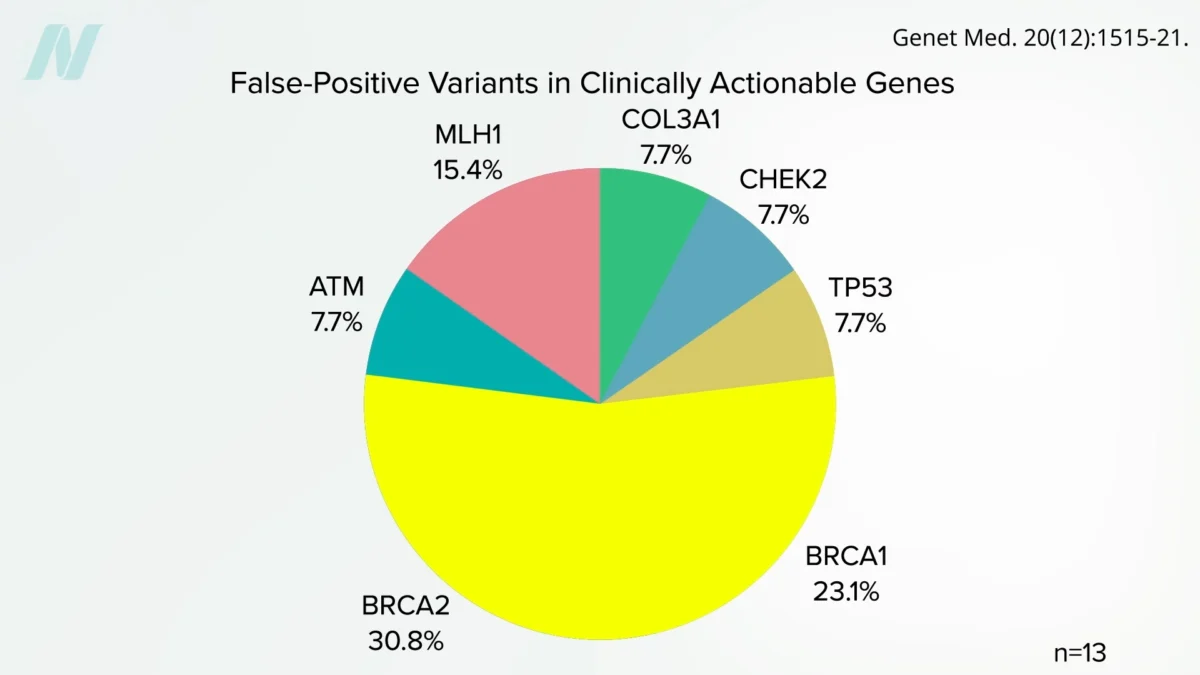
Research has begun to highlight a disturbing trend: an "alarmingly high false-positive rate" in DTC genetic tests. Studies have revealed instances where individuals were informed they carried high-risk genes, only for subsequent, more rigorous testing to prove these results incorrect. One particularly concerning statistic indicates that this occurs as often as 40% of the time, especially in relation to the BRCA breast cancer gene, famously discussed by Angelina Jolie.
Beyond outright false positives, a further complication arises when correctly identified genetic variants are misclassified as high-risk when, in reality, they pose no elevated threat. This misclassification can be driven by commercial incentives. Companies may benefit from generating alarming results, as this can reinforce the perceived value of the test and encourage consumers to purchase additional, often expensive, follow-up services.
The implications of these inaccuracies are far-reaching and potentially severe. Unnecessary stress and anxiety can plague individuals who receive erroneous high-risk diagnoses. In some cases, this can lead to drastic and unwarranted medical interventions. The hypothetical scenario of undergoing a preventive double mastectomy based on a false BRCA mutation diagnosis underscores the gravity of these potential missteps.
Precision Medicine: A Promise Unfulfilled?
The concept of precision medicine, which aims to tailor medical treatment to the individual characteristics of each patient, including their genetic makeup, has been a cornerstone of recent healthcare initiatives. Genome-wide association studies (GWAS) have identified thousands of common genetic variants associated with the risk of complex diseases. Yet, a critical analysis reveals that these discoveries have not significantly enhanced our predictive capabilities beyond traditional risk factors.
Type 2 Diabetes: A Case Study in Genetic Limitations
The example of type 2 diabetes illustrates this point effectively. While researchers have identified approximately 50 genes linked to an increased risk of developing the disease, the collective impact of these genetic factors often pales in comparison to lifestyle influences. A study found that individuals with obesity and the lowest genetic risk for diabetes were still nearly five times more likely to develop the disease than normal-weight individuals with the highest genetic risk.
This finding suggests that genetic predisposition, as currently understood, can send misleading signals. An obese individual with a low genetic risk score might develop a false sense of security, potentially delaying crucial lifestyle changes. Conversely, a genetically predisposed individual of normal weight might be unnecessarily alarmed. Crucially, current knowledge of genetic susceptibility to type 2 diabetes "has no implications for decisions about who should be targeted for intensive lifestyle interventions." The overarching message remains clear: excessive body fat, irrespective of genetic background, necessitates weight reduction to mitigate diabetes risk.
Personalized Nutrition: Overhyped or Under-validated?
The notion of personalized nutrition, where dietary recommendations are tailored to an individual’s unique biological responses, has also gained traction. A widely cited study purported to demonstrate that personalized dietary interventions could significantly improve blood sugar responses, leading some commentators to question the universal applicability of general dietary guidelines. However, a closer examination of the study’s findings reveals a more nuanced reality. The research did not, in fact, show substantial interpersonal variation in blood sugar responses, nor did it establish the superiority of the personalized model over existing methods for detecting high blood sugar levels. The conclusion drawn was that personalized nutrition advice did not demonstrably outperform standard dietary advice in managing post-meal blood sugar spikes.

The Limited Impact of Genetic Risk Counseling on Behavior Change
Even the prospect of using personalized genetic risk counseling to motivate individuals towards disease prevention, particularly for conditions like diabetes, has yielded disappointing results. Despite the push to "regain credibility" by touting knowledge of individual genetic risk profiles as a motivator for disease prevention efforts, available evidence fails to support this claim. Studies, including one that randomized individuals to receive genetic tests costing hundreds or thousands of dollars to profile their risk for numerous diseases, showed no measurable changes in diet or lifestyle, even in the short term. Companies like Navigenics, which aimed to empower individuals with personal genetic insights for health improvement, found their efforts were not translating into tangible behavioral shifts.
Similarly, randomizing individuals to receive personalized nutrition insights, such as genetically informed advice on increasing green vegetable intake or reducing cholesterol, did not lead to significant dietary changes at six months or even three months compared to control groups. Consequently, no significant differences were observed in key biomarkers like weight, belly fat, or cholesterol.
A Systemic Issue: The Medical-Industrial Complex and Vested Interests
When all the available research is synthesized, a consistent pattern emerges: there is a lack of significant evidence demonstrating that informing individuals about their DNA-based risk estimates, whether for lung cancer, dietary needs, or physical activity levels, leads to sustained behavioral change. This directly contradicts the stated rationale behind major governmental pushes for precision medicine, such as the 2015 presidential initiative, which aimed to empower individuals to take a more proactive role in their health.
The emphasis on "personal empowerment" within the precision medicine narrative, while attractive from a marketing perspective, is argued by some critics to be less about genuine empowerment and more about fostering reliance on authority. Furthermore, the "personal" aspect is often called into question, given the relatively small contributions of known genetic factors compared to the overwhelming influence of lifestyle and environmental factors on our health.
The persistent emphasis on patient empowerment as a "cardinal virtue" is, according to some analyses, a strategic maneuver to generate political and public support for an "increasingly industrialized medical-industrial and scientific complex." This complex involves trillions of dollars globally, suggesting that financial incentives may play a significant role in shaping the direction and promotion of medical technologies.
The Threat to Corporate Profits and the Dominance of Clinical Care
This perspective posits that the current system operates not out of malice but as a consequence of deeply entrenched economic structures. "Healthy living directly threatens many powerful corporations," as reducing the incidence of lifestyle-related diseases would inevitably decrease the demand for doctors, drugs, and other medical interventions.
Despite this reality, the United States continues to allocate its healthcare spending overwhelmingly towards clinical care, focusing on treating the consequences of unhealthy lifestyles rather than prioritizing preventive measures. This approach has led to a situation where the U.S. spends more on healthcare than comparable nations yet achieves worse health outcomes, including lower life expectancy and higher disease burdens.
A Call for a Return to Basics
The promises of "overrated ‘precision medicine’" are increasingly viewed as serving vested interests, justifying exorbitant healthcare expenditures within a finance-based medical system. While the U.S. healthcare system boasts advanced technology and "whiz-bang" capabilities, these innovations are ultimately insufficient to address the fundamental health challenges.
The solution, as articulated by some health experts, lies in a return to the basics: emphasizing healthy lifestyle choices. This includes dietary improvements, such as increased consumption of vegetables like broccoli, and regular physical activity, such as taking the stairs. The focus, they argue, should not be on the precise percentage of lifetime risk for a grave disease, as a sensible lifestyle offers the healthiest path forward, regardless of individual genetic predispositions.
A Note on Related Video Content
The video discussed in the original article, "Should You Get Personalized Genetic Risk Testing?", and a related video, "Friday Favorites: How Useful Is Personalized Nutrition?", offer further insights into these complex issues. These resources delve deeper into the scientific evidence and implications of personalized health approaches.

