

A critical window of opportunity exists in the aftermath of consuming an unhealthy meal, during which sufficient physical activity can significantly mitigate the immediate damage to arterial function. This crucial insight emerges from a series of scientific investigations aimed at understanding the short-term cardiovascular consequences of dietary indiscretions, particularly those involving high-fat and high-sodium foods.
The Immediate Impact of High-Fat Meals on Arterial Function
Previous research, including studies published in peer-reviewed journals, has demonstrated that a single meal rich in saturated fat can impair artery function. While earlier findings often focused on peripheral arterial responses, such as those measured in the arm, a growing body of evidence highlights a more concerning impact on blood flow to the heart muscle itself.
One pivotal study randomized male participants into two groups. The first consumed a high-fat meal, characterized by over 60% of its caloric content derived from fat, with half of that fat being saturated and containing cholesterol equivalent to more than one egg. The control group received a low-fat meal, predominantly composed of carbohydrates, with less than 10% fat and a cholesterol content 50 times lower.
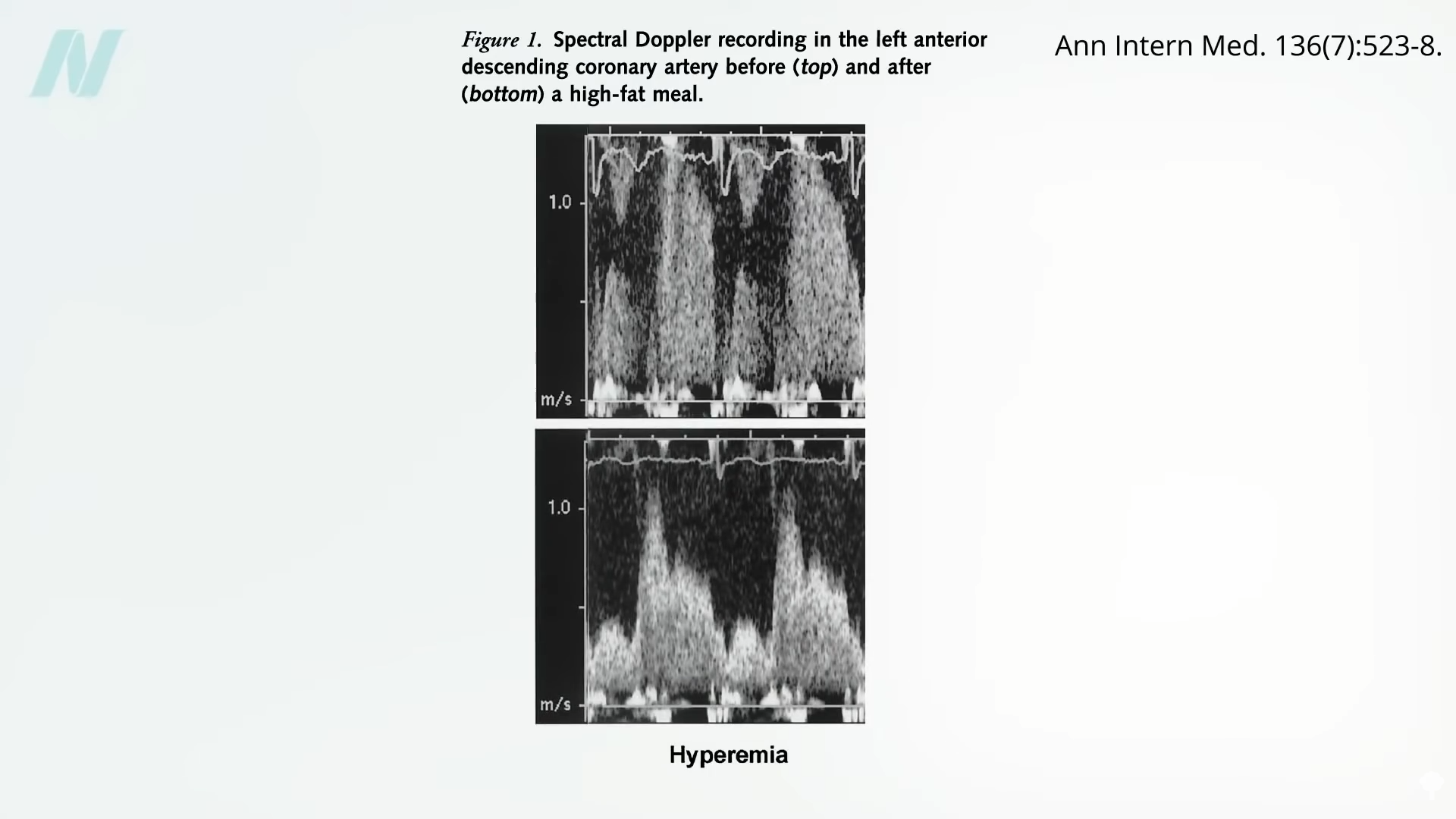
The research employed advanced Doppler ultrasonography to visualize and measure blood flow within the left anterior descending coronary artery, often referred to as the "widow-maker" due to its critical role in supplying blood to a significant portion of the heart. Before the high-fat meal, the Doppler recording displayed a robust signal, indicating healthy blood flow. However, within hours of consumption, this signal dramatically diminished, reflecting a constriction and reduced capacity of the artery. Images captured five hours post-meal starkly illustrate this impairment, with the Doppler signal significantly squeezed.
This reduction in the "coronary flow reserve" is a critical finding. Coronary flow reserve refers to the ability of the coronary arteries to dilate and increase blood flow to the heart muscle in response to increased demand or in cases of partial blockage. When this reserve capacity is compromised, the heart’s ability to compensate for existing or developing arterial blockages is severely undermined. The research indicated that this crucial reserve was clamped down within hours of consuming the fatty meal, directly impacting the heart’s compensatory mechanisms. This effect was not observed in participants who consumed the low-fat meal, even when the caloric intake was identical, underscoring the specific detrimental impact of fat content.
Visualizing the Impact: The Retina as a Microcosm
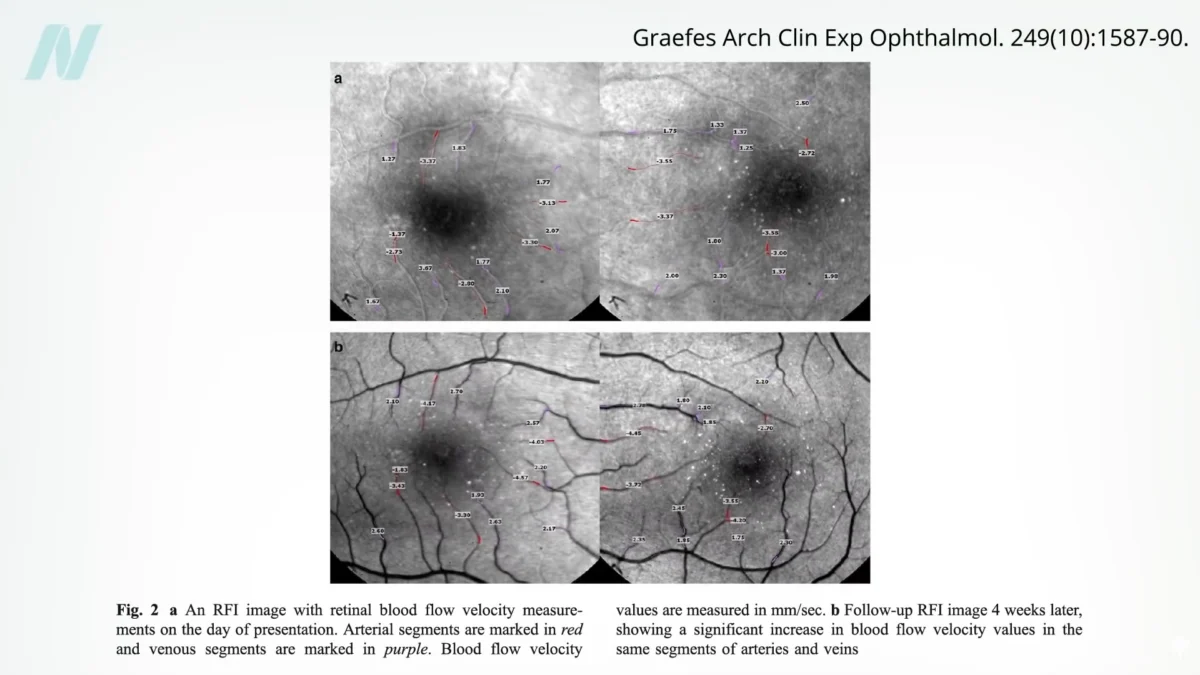
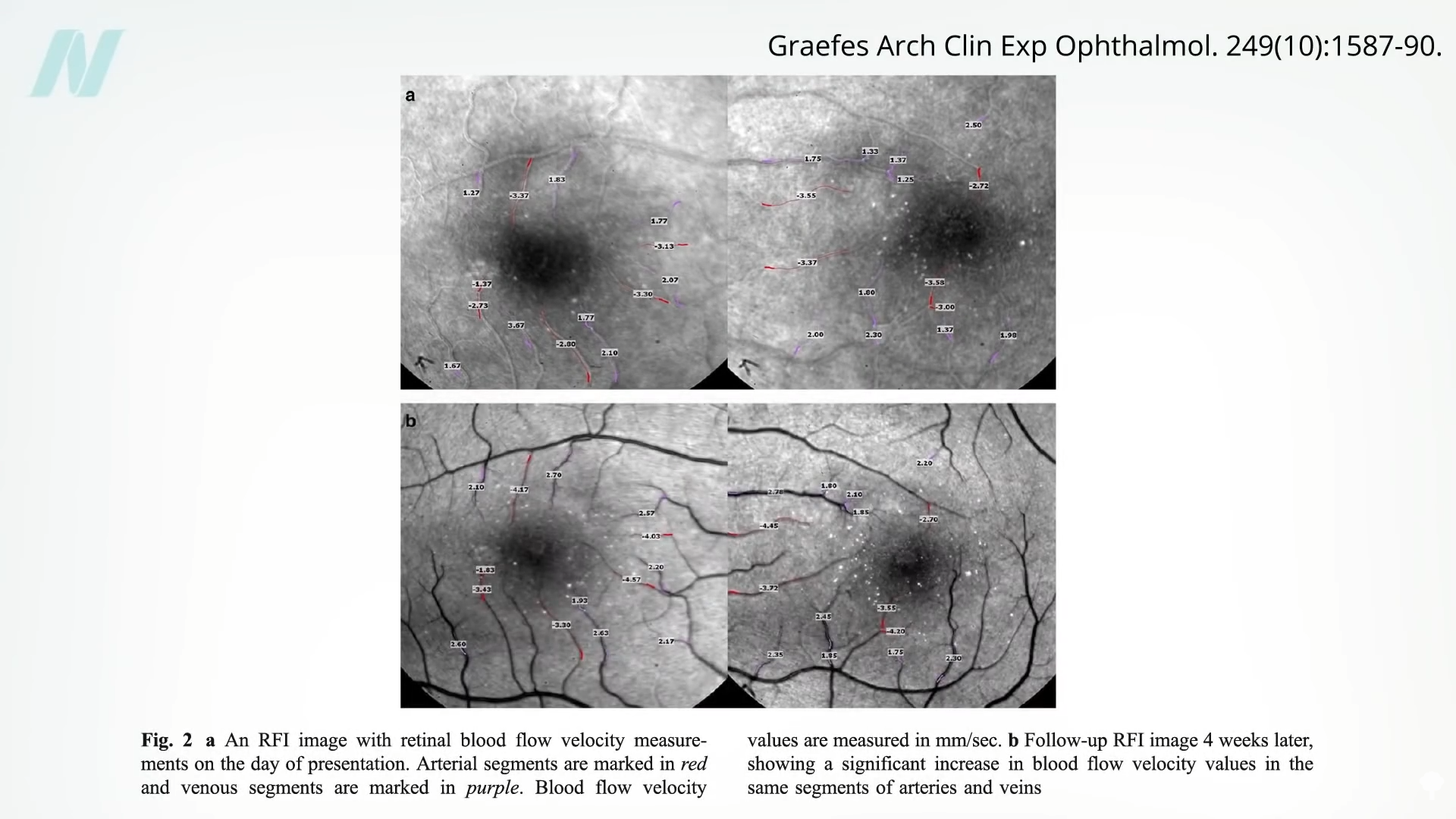
The deleterious effects of high-fat meals are not confined to the heart’s arteries. In more extreme cases, the impact can be observed in the smaller blood vessels of the retina, the light-sensitive tissue at the back of the eye. Before-and-after imaging of a participant’s retina following a high-fat meal vividly illustrates this phenomenon.
Initial images often reveal milky-colored blood vessels, a visual representation of increased lipid (fat) content in the bloodstream. This condition, known as lipemia, can make the blood appear opaque, akin to a milkshake. Subsequent imaging, often after a period of low-fat diet adherence and/or medical intervention to clear the bloodstream, shows a marked improvement, with the blood vessels returning to a clearer appearance. This visual correlation emphasizes how dietary fat directly affects the circulatory system throughout the body.

The Protective Role of Exercise: A Time-Sensitive Intervention
The question then arises: can physical activity offer a counterbalance to the immediate negative effects of such meals? Substantial evidence suggests that acute exercise, performed in the post-meal period, can be an effective strategy for clearing some of the elevated fat from the bloodstream. This postprandial lipemia, or fatty blood after a meal, is a known contributor to increased cardiovascular disease risk due to inflammation and impaired endothelial function.
However, the beneficial effects of acute exercise appear to be transient. Studies indicate that the window of opportunity for exercise to exert a significant positive impact is relatively short-lived. A period of inactivity lasting several days can completely negate any previously gained benefits, irrespective of an individual’s overall fitness level.
The optimal time window for exercise intervention appears to be between 18 hours prior to the meal and approximately 90 minutes after its consumption. Within this timeframe, engaging in moderate-intensity exercise for about an hour has been shown to be effective.
Breaking Down the Exercise Regimen: Stair Climbing and its Benefits
Further research has explored more practical and accessible exercise interventions. One study demonstrated that a mere 20 minutes of stair climbing, broken into five-minute intervals every hour for four hours following a substantial fast-food breakfast (including hash browns, eggs, pancakes, sausage, and a milkshake), significantly attenuated the negative effects on artery function.
In this study, participants who remained sedentary after their high-fat breakfast experienced a significant decrease in arterial function. Conversely, those who engaged in the hourly stair-climbing regimen showed no such impairment. This finding suggests that intermittent bursts of physical activity throughout the postprandial period can counteract the detrimental effects not only of prolonged sitting but also of consuming a high-fat meal. The researchers concluded that stair climbing, due to its accessibility, could be incorporated as a lifestyle strategy to protect vascular function.
The Synergistic Impact of Sodium and Fat
It is crucial to note that the detrimental effects observed are not solely attributable to high fat content. The typical composition of fast-food meals also includes alarmingly high levels of sodium. For instance, a single fast-food breakfast, as described above, can contain over 2,000 milligrams of sodium, far exceeding the American Heart Association’s recommended daily limit of 1,500 milligrams.
Even meals with a reduced salt content, approximately one-third less than typical fast-food offerings, have been shown to impair artery function within an hour of consumption, independent of any significant increase in blood pressure. This indicates that sodium exerts its vascular effects through mechanisms beyond its direct impact on blood pressure.
Sodium Sensitivity and Arterial Health: A Broader Concern
The relationship between sodium intake and blood pressure is well-documented, with some individuals exhibiting "salt sensitivity," experiencing a pronounced blood pressure increase with higher salt intake, while others are considered "salt-resistant." However, the notion that salt resistance might render individuals immune to the negative cardiovascular effects of high sodium is a misconception.
Research indicates that high dietary sodium intake impairs artery function regardless of an individual’s blood pressure response. The transition from a low-salt to a high-salt diet consistently leads to impaired vascular function, irrespective of whether blood pressure is significantly elevated. This underscores the pervasive negative impact of excessive sodium on the entire circulatory system.
The "Real Villain": Sodium’s Influence Beyond Blood Pressure
While the salt industry has, at times, funded research that questions the benefits of sodium reduction, the overwhelming scientific consensus points to sodium as a significant cardiovascular risk factor. Beyond its role in blood pressure regulation, dietary salt has been shown to influence arterial stiffness, endothelial function, and inflammatory pathways. The evidence strongly suggests that high sodium intake, rather than the reduction of sodium, is the primary driver of these detrimental effects.
Broader Implications for Public Health and Individual Choices
The findings from these studies carry significant implications for public health messaging and individual dietary choices. The immediate and measurable impact of unhealthy meals on arterial function highlights the importance of mindful eating and the potential for timely interventions.
Timeline of Impact and Intervention
- Pre-meal Window: Approximately 18 hours before a meal, engaging in regular physical activity can prime the body for better post-meal recovery.
- Immediate Post-Meal: Within 90 minutes of consuming an unhealthy meal, engaging in moderate-intensity exercise is most effective in mitigating immediate arterial damage.
- Extended Post-Meal: Even shorter, intermittent bouts of exercise (e.g., 5-minute intervals every hour) can offer significant protection for up to four hours.
- Long-Term Impact: Consistent healthy eating habits and regular physical activity are essential for sustained cardiovascular health, as the benefits of acute exercise are transient and can be negated by prolonged inactivity.
Supporting Data and Analytical Insights
The scientific literature provides a robust foundation for these conclusions. Studies utilizing Doppler ultrasonography, retinal imaging, and biochemical markers of inflammation and lipid metabolism offer objective evidence of the physiological changes that occur following the consumption of unhealthy foods. The consistent demonstration of impaired coronary flow reserve, reduced endothelial function, and increased blood lipid levels paints a clear picture of the short-term cardiovascular burden imposed by poor dietary choices.
The analysis of these findings suggests that the cumulative effect of frequent high-fat and high-sodium meals can significantly accelerate the development of atherosclerosis, the underlying cause of heart disease and stroke. The immediate impairment of arterial function, even in healthy individuals, serves as a warning sign of the long-term risks associated with habitual consumption of such foods.
Official Responses and Public Health Initiatives
While specific official responses from governmental health bodies to these particular studies were not detailed in the provided text, the general public health discourse aligns with the findings. Organizations like the American Heart Association continuously advocate for reduced sodium intake and emphasize the importance of a balanced diet rich in fruits, vegetables, and whole grains, while limiting processed and high-fat foods. The consistent messaging around the detrimental effects of saturated fat and sodium on cardiovascular health reflects a broad consensus within the medical and scientific communities.
Broader Impact and Implications
The implications of this research extend beyond individual dietary choices. They inform public health strategies, dietary guidelines, and potentially even food labeling regulations. Understanding the time-sensitive nature of exercise’s protective effects could lead to more targeted public health campaigns, encouraging physical activity in specific post-meal windows.
Furthermore, the findings challenge the notion that occasional indulgences have no immediate consequence. The research clearly demonstrates that even a single unhealthy meal can trigger a cascade of negative physiological events that compromise cardiovascular health. This underscores the need for a holistic approach to health that integrates both diet and exercise as complementary pillars of well-being. The message is clear: while exercise can offer a valuable buffer against the immediate damage of unhealthy eating, the most effective strategy remains the consistent adoption of a heart-healthy diet.
This article is part of a three-part series exploring saturated fat and artery health. The preceding article, "How a Single Meal Can Cripple Your Arteries and Lungs," delved into broader impacts, while the upcoming piece, "Protect Your Arteries from Saturated Fat with These Foods," will focus on dietary recommendations. For those seeking further evidence on the link between salt and blood pressure, resources such as "The Evidence That Salt Raises Blood Pressure" are available.

