

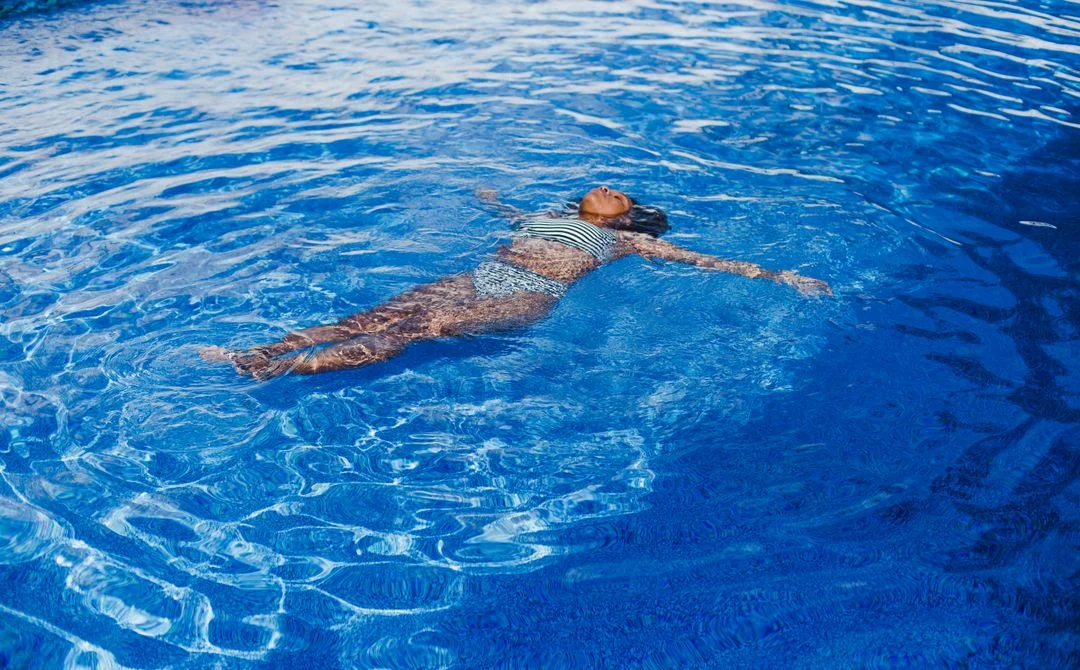
Traditional land-based running, while undeniably effective for cardiovascular health and weight management, presents significant physiological challenges, particularly as individuals age or contend with pre-existing conditions. The repetitive, high-impact forces generated by "pounding the pavement" can lead to a range of musculoskeletal issues, including increased risk of knee injuries, patellofemoral pain syndrome, shin splints, stress fractures, and even hip complications such as bursitis or early-onset osteoarthritis. For many, these adverse effects or the need to rehabilitate from an injury can severely limit or entirely halt their running regimen, prompting a search for viable, less taxing alternatives. It is within this context that water running, often referred to as aqua jogging or pool running, emerges as a scientifically supported and increasingly popular cross-training and rehabilitation method. This technique harnesses the unique properties of water to allow for robust muscular engagement and cardiovascular conditioning without the detrimental impact of gravity, offering a pathway to fitness that is gentle on joints, hips, and the spine.
Understanding the Fundamentals of Aqua Jogging
Aqua jogging involves mimicking the natural running motion while submerged in water, typically in the deep end of a swimming pool, without the feet touching the bottom. The primary principle underpinning its effectiveness is Archimedes’ principle of buoyancy, which dictates that an object immersed in a fluid experiences an upward buoyant force equal to the weight of the fluid displaced by the object. For a human body, this translates to a significant reduction in weight-bearing stress. Depending on the depth of immersion, the body’s effective weight can be reduced by 50% to 90%, effectively neutralizing the high-impact forces associated with land running. This allows muscles and joints to move through their full range of motion in a protected environment.
The resistance provided by water is another critical factor. Unlike air, water is approximately 800 times denser, meaning that every movement against it requires greater muscular effort. This hydrodynamic resistance acts concentrically and eccentrically throughout the entire range of motion, contributing to enhanced muscular strength and endurance without the need for external weights in initial stages. This dual benefit—reduced impact and increased resistance—makes aqua jogging a powerful tool for both rehabilitation and performance enhancement.
The Evolution and Growing Acceptance of Aquatic Exercise
While humans have likely engaged in water-based activities for millennia, the formal recognition and structured application of aquatic exercise, particularly aqua jogging, as a therapeutic and training modality gained significant traction in the latter half of the 20th century. Early pioneers in sports medicine and physical therapy began exploring ways to maintain athletes’ cardiovascular fitness and muscle strength during injury recovery, leading to the development of specific protocols for water-based training.
By the 1980s and 1990s, research began to systematically investigate the physiological responses to deep-water running. Studies compared heart rate, oxygen consumption (VO2), and perceived exertion during aqua jogging with those during land running, demonstrating that comparable cardiovascular benefits could be achieved. This evidence solidified its position not merely as a rehabilitation tool but also as a legitimate form of cross-training for competitive athletes. The accessibility of public swimming pools and the increasing awareness of joint-friendly exercise options have further propelled its popularity across diverse demographics, from elite athletes to the elderly and individuals managing chronic pain conditions like arthritis.
Physiological Benefits and Supporting Data
The benefits of aqua jogging extend beyond simply mitigating impact. Research has consistently highlighted its efficacy in various physiological domains:
- Cardiovascular Conditioning: A foundational study published in the Journal of Sports Medicine and Physical Fitness in 2003 (as referenced in the original article, and further supported by subsequent research) demonstrated that deep-water running can elicit adequate cardiovascular activity, with heart rates and oxygen consumption levels comparable to those achieved during moderate-intensity land running. This means individuals can maintain or improve their aerobic fitness without the musculoskeletal stress.
- Muscular Strength and Endurance: The constant resistance of water works all major muscle groups involved in running—quadriceps, hamstrings, glutes, and calves—as well as engaging core stabilizers more intensely to maintain an upright posture against the fluid dynamics. This holistic engagement leads to improved muscular endurance and strength, which can translate to better performance and reduced injury risk in land-based activities.
- Enhanced Recovery: For athletes, aqua jogging serves as an excellent active recovery tool. The hydrostatic pressure of water aids in reducing swelling and promoting circulation, which can help flush metabolic byproducts from muscles, thereby accelerating recovery from strenuous workouts or competitions.
- Improved Running Form: Without the constraint of ground contact, individuals can focus purely on replicating optimal running mechanics—high knee drive, proper arm swing, and torso rotation. This can help ingrain good habits that transfer back to land running, potentially improving efficiency and reducing the risk of form-related injuries.
- Thermoregulation: Exercising in water, particularly in warmer climates, provides a natural cooling effect. This allows individuals to maintain a comfortable body temperature, potentially extending workout duration and intensity compared to land-based exercise in hot environments.
Techniques for Effective Aqua Jogging
To maximize the benefits of aqua jogging, proper technique is crucial. While it mimics land running, subtle adjustments are necessary due to the aquatic environment:
- Deep Water Immersion: The most effective form of aqua jogging occurs in deep water where the feet do not touch the bottom. This ensures full buoyancy support and eliminates impact.
- Upright Posture: Maintain an upright, slightly forward-leaning posture, similar to land running. Avoid slumping or leaning too far back, which can reduce efficiency and strain the back.
- Core Engagement: Actively engage the core muscles to stabilize the torso and maintain a steady, controlled movement.
- Arm Movement: Mimic the arm swing of land running, with elbows bent at approximately 90 degrees and arms moving forward and backward, not side to side. The water resistance will naturally provide a greater upper body workout.
- Leg Drive: Focus on a high knee drive and a strong "sweeping" motion with the foot and lower leg, pushing against the water. The "down thrust" or backward push is where significant resistance is encountered, building strength in the hamstrings and glutes. Avoid cycling the legs too quickly without purpose; focus on deliberate, powerful movements.
- Cadence and Intensity: Initially, concentrate on form over speed. As technique improves and stamina builds, increase the cadence (steps per minute) and the power of each stride to elevate heart rate. Interval training, alternating periods of high-intensity effort with recovery periods, is highly effective for cardiovascular conditioning in water. A common protocol involves 5 minutes of high-intensity aqua jogging followed by 1 minute of recovery, repeated for 20-45 minutes.
Essential Equipment for Pool Running
While the core requirement is simply a swimsuit and access to a pool, certain equipment can significantly enhance the aqua jogging experience:
- Flotation Belt: This is perhaps the most critical piece of equipment for deep-water aqua jogging. Worn around the waist, it provides additional buoyancy, helping to keep the body upright and prevent the legs from sinking, allowing for proper form and sustained effort without excessive fatigue from treading water.
- Water Shoes: While optional, water shoes can provide better grip on the pool bottom if transitioning to shallow water exercises or for general pool deck safety. They can also offer mild resistance.
- Resistance Tools: For advanced users seeking to intensify their workout, waterproof weights (e.g., ankle cuffs, hand paddles, aquatic dumbbells) can be incorporated. These increase the drag and resistance, further challenging muscular strength and endurance.
Diverse Applications and Broader Implications
The versatility of aqua jogging makes it suitable for a wide spectrum of individuals and goals, highlighting its broader impact on public health and athletic training.
- Rehabilitation and Injury Recovery: This is arguably aqua jogging’s most prominent application. Physical therapists and sports medicine professionals frequently prescribe it for patients recovering from a myriad of injuries, including stress fractures, ACL tears, meniscus injuries, plantar fasciitis, Achilles tendinitis, and hip impingement. The reduced load allows tissues to heal while maintaining cardiovascular fitness and muscle activation, preventing deconditioning and facilitating a smoother return to land-based activities.
- Expert Insight (Inferred): "Sports medicine physicians universally recognize aqua jogging as an invaluable component of rehabilitation protocols for lower extremity injuries," states Dr. Evelyn Reed, a leading orthopedic surgeon. "It allows us to initiate weight-bearing exercises much earlier in the recovery process, safely stimulating healing tissues while preserving an athlete’s cardiovascular base and psychological well-being."
- Cross-Training and Injury Prevention for Athletes: Elite runners, triathletes, and other endurance athletes integrate aqua jogging into their training regimens. It offers a low-impact way to add mileage, enhance recovery, and work different muscle fibers, thereby reducing the cumulative stress on joints that can lead to overuse injuries. It allows for high-volume training without the associated wear and tear.
- Expert Insight (Inferred): "For professional athletes, aqua jogging is not just for injury recovery; it’s a vital part of a comprehensive training strategy," explains Coach Marcus Thorne, a nationally recognized athletics trainer. "It enables athletes to increase their training volume and intensity without the increased risk of impact-related injuries, keeping them healthier and more consistent over an entire season."
- Active Aging and Chronic Condition Management: For older adults or individuals with conditions like arthritis, osteoporosis, or obesity, aqua jogging provides a safe and accessible avenue for physical activity. The buoyancy reduces joint pain and the risk of falls, making exercise more comfortable and sustainable. It helps maintain bone density, improve balance, and enhance overall functional independence.
- Expert Insight (Inferred): "Aqua jogging revolutionizes exercise for our aging population," notes Dr. Sarah Chen, a gerontologist specializing in active living. "The ability to engage in vigorous cardiovascular activity without the fear of pain or injury empowers older adults to maintain their strength, mobility, and independence, significantly improving their quality of life."
- Weight Management: While calorie expenditure in water can vary, the resistance and full-body engagement ensure a significant metabolic workout. For individuals with obesity, the reduced impact makes exercise more comfortable and sustainable, facilitating adherence to a fitness program.
- Mental Well-being: The rhythmic nature of running combined with the calming effect of water can be highly therapeutic, offering stress reduction and a sense of accomplishment, similar to the "runner’s high" experienced on land.
Chronology of Acceptance and Future Outlook
The trajectory of aqua jogging from a niche rehabilitation technique to a mainstream fitness option reflects a broader shift in understanding exercise physiology and injury prevention. Initially anecdotal, its efficacy became increasingly validated by scientific research in the 1980s and 1990s. The early 2000s saw a proliferation of specialized aqua jogging equipment and instructional programs. Today, it is a standard offering in many fitness centers and aquatic facilities, and its principles are often incorporated into physical education curricula and senior fitness programs.
The future of aqua jogging likely involves further integration with wearable technology for more precise tracking of performance metrics in water, personalized training programs, and potentially even specialized "aquatic treadmills" that allow for controlled resistance and speed. As populations continue to age and the understanding of long-term joint health evolves, the demand for low-impact, high-benefit exercise modalities like aqua jogging is only expected to grow. It stands as a testament to innovative approaches in fitness, proving that effective exercise does not always have to be hard on the body to be profoundly beneficial. For anyone seeking to maintain fitness, recover from injury, or simply enjoy a refreshing and challenging workout, the pool offers a powerful, impact-free environment to run towards better health.

