

In the immediate aftermath of a catastrophic climate event that has unleashed devastating flash floods and glacial lake outburst floods (GLOFs) across Nepal and Tibet, Buddhist communities and organizations, both regionally and internationally, are swiftly mobilizing to provide crucial aid and support to the affected populations. The scale of the disaster, which struck with little warning, has left a trail of destruction, claiming hundreds of lives, displacing thousands, and obliterating vital infrastructure in its wake.
The Cataclysmic Event: A Timeline of Destruction
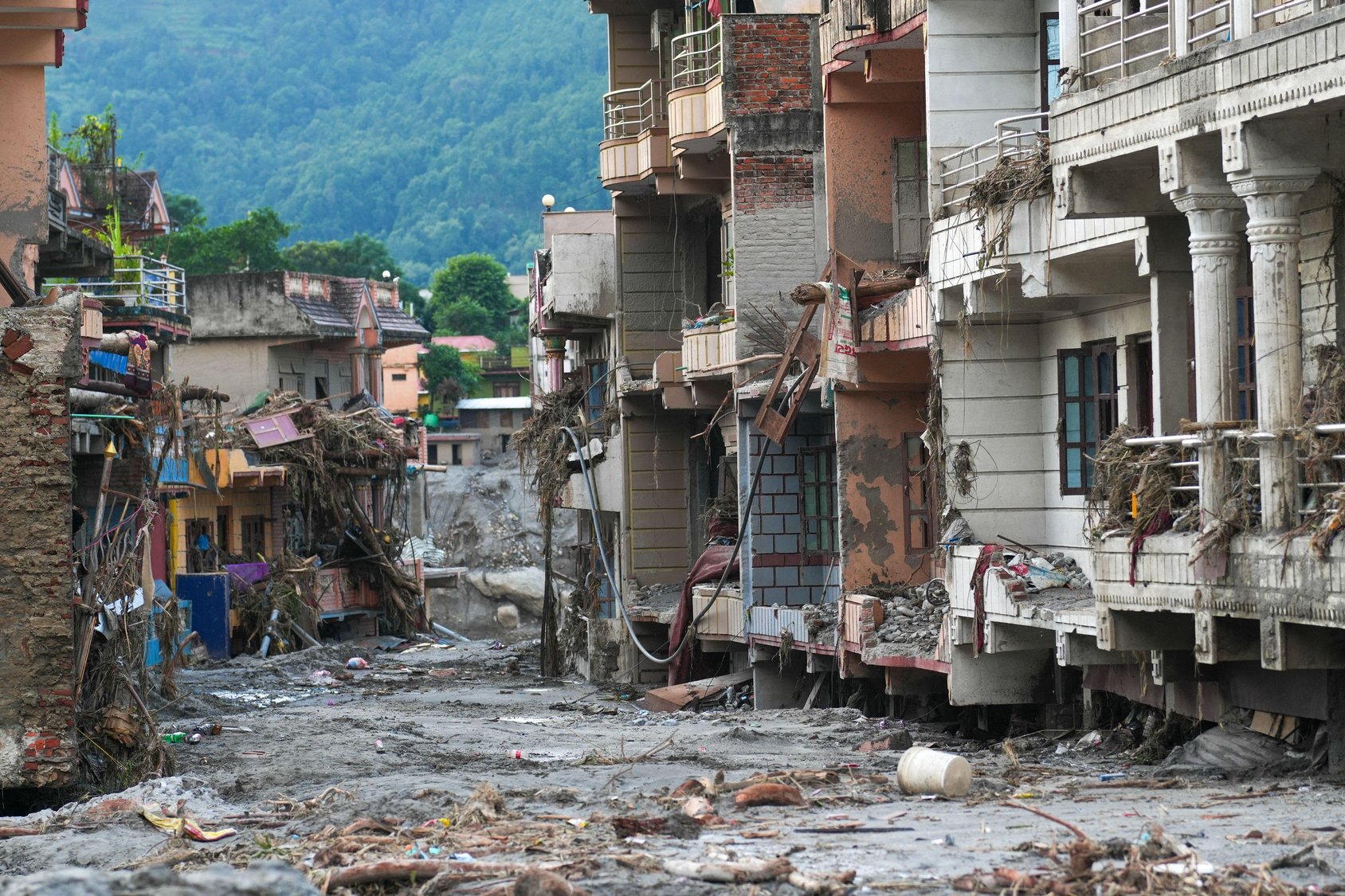
The crisis began on the morning of Wednesday, August 26, 2026, when a significant glacial collapse occurred within Nepal’s Langtang National Park. This event, located approximately seventy-five miles north of Kathmandu, triggered a massive flash flood and a destructive debris avalanche. According to the U.S. Geological Survey, the torrent of water, mud, and ice surged downstream with terrifying speed, traversing more than fifty miles and annihilating everything in its path. The sheer force of the GLOF overwhelmed natural barriers, transforming serene valleys into scenes of utter devastation.
The initial impact was felt most acutely in communities situated along the river systems. The Langtang Valley, a region popular with trekkers and home to a vibrant local population, was particularly hard-hit. Subsequent reports indicated the floodwaters and debris continued their destructive journey, impacting downstream communities and reaching into parts of Tibet.
As of September 7, 2026, the human toll has been staggering. In Nepal, the confirmed death toll has risen to 1,222 individuals, with an alarming number of nearly 5,000 people still unaccounted for. The grim reality of missing persons means that the final count is likely to increase. On the Tibetan side of the border, Chinese state media has reported a death toll of 21, with over 540 people missing, underscoring the transboundary nature of this disaster.
The Spiritual Heartlands Engulfed
The affected regions hold profound spiritual significance for multiple traditions. The Kathmandu Valley, a UNESCO World Heritage site, is not only the cultural and political center of Nepal but also a sacred nexus for Buddhism, Hinduism, Jainism, Sikhism, and Tibetan Bon. These lands are frequented by pilgrims from across the globe, many of whom were en route to revered sites such as Mount Kailash, a sacred peak in Tibet. Tragically, some of these pilgrims are among the missing, adding a layer of spiritual anguish to the unfolding humanitarian crisis.
In Kathmandu, the capital, a palpable sense of grief and desperation pervades. Families are clinging to the faint hope of finding loved ones, with many pinning photographs and descriptions of the missing in public spaces. The sheer number of fatalities has necessitated mass burial ceremonies, a somber testament to the disaster’s magnitude. In some instances, where bodies could not be recovered, straw effigies have been used in funeral rites, a poignant symbol of the profound loss experienced by the community.
Buddhist Organizations Step Forward: Compassion in Action
In the face of such widespread devastation, Buddhist groups, guided by principles of compassion (karuṇā) and altruism (muditā), have immediately begun to rally resources and personnel. These organizations, deeply embedded within the affected communities and possessing extensive networks, are playing a critical role in the initial relief efforts and are preparing for the long road to recovery.
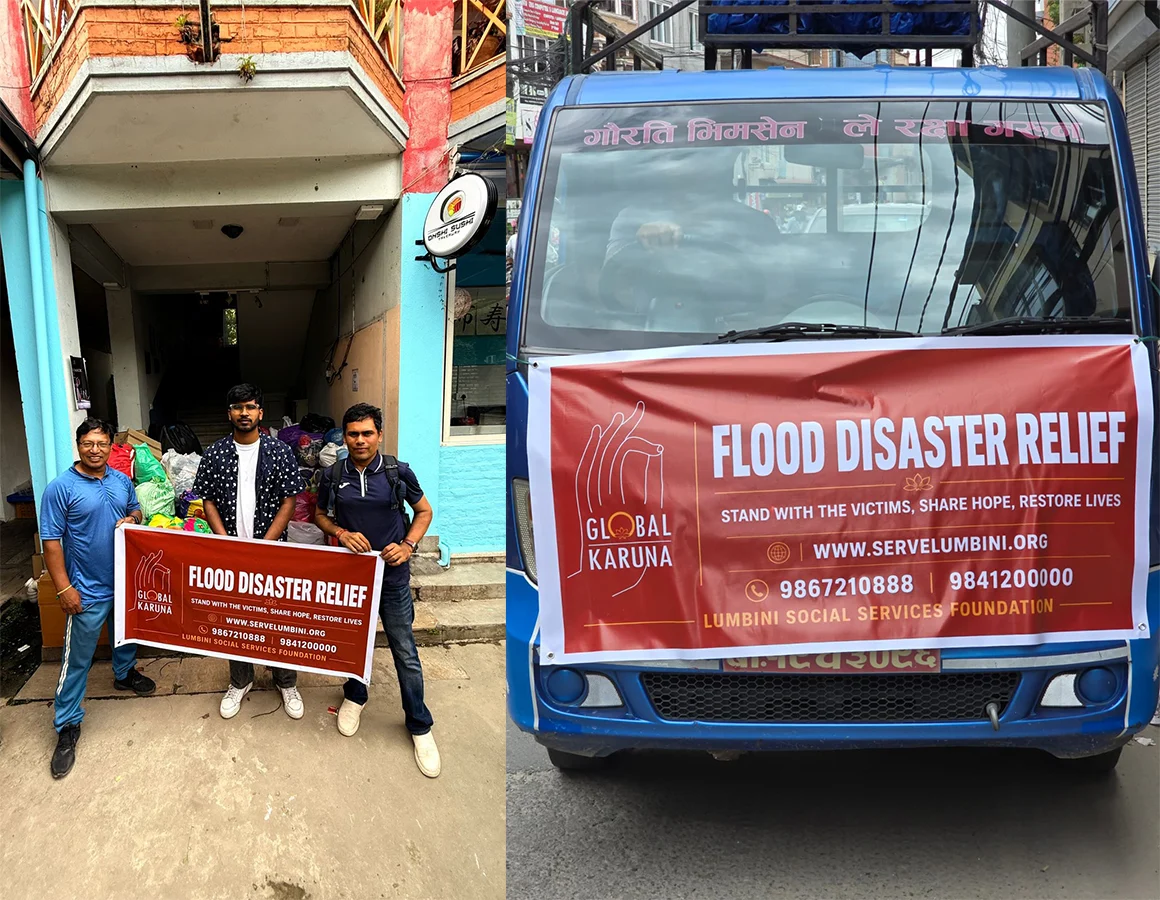
Rockey Tripathi, a dedicated volunteer in Nepal affiliated with the Bodhi Institute and numerous other organizations based in Lumbini, the birthplace of the Buddha, shared his harrowing experiences in a recent correspondence with Tricycle. Tripathi, who had previously assisted with relief efforts following the devastating 2015 Nepal earthquake and during the COVID-19 pandemic, immediately joined the response in Galchi, Dhading District, an area severely impacted by the floods.
"Yes, we are doing the first response, but it’s just very difficult to access the flooded area due to road blockages and also constant threat of landslides," Tripathi reported, highlighting the perilous conditions faced by rescue workers. Despite these immense challenges, Tripathi and his fellow volunteers from Lumbini have been actively involved in distributing essential aid to those displaced and affected by the floods.
The Bodhi Institute, known for its commitment to humanitarian work in the Lumbini region, is at the forefront of these immediate relief operations. Their volunteers are working tirelessly to reach isolated communities, assess needs, and deliver critical supplies such as food, clean water, shelter materials, and basic medical provisions. The organization’s deep roots in the local community provide them with invaluable insight into the most pressing needs and the most effective ways to deliver assistance.
Rebuilding and Supporting Vulnerable Populations
Beyond the immediate emergency response, Tripathi outlined plans for the next phase of recovery. "We are preparing to go and rebuild, clean and tidy the houses for flood victims (for) as many requests that need helping hands," he stated. This commitment extends to providing additional support and supplies for individuals residing in temporary government housing, with a particular focus on the needs of children, women, and girls, who are often the most vulnerable in disaster situations.
Tripathi’s brother, Venerable Metteyya Sakyaputta, a prominent monk in Lumbini, is actively involved in supporting local women through training programs and has established the Peace Grove Nunnery, which provides sanctuary and education for young nuns. This familial commitment to community welfare underscores the broader Buddhist ethos of service and empowerment that is now being channeled into disaster relief.
International Support and Donation Channels
Recognizing the overwhelming scale of the disaster, international Buddhist communities and their allies are also extending their support. Tripathi emphasized the importance of coordinated aid and suggested specific avenues for those wishing to contribute. He recommended donating through Anatta World Health, a U.S. nonprofit organization with a strong track record in humanitarian assistance, or the Canadian Engaged Buddhist Organization, both of which are actively supporting relief efforts on the ground.
Furthermore, Tricycle has received recommendations from its readership and network of friends for additional reputable organizations that are providing vital assistance. These include Adhikaar, a women-led community and workers organization based in New York that serves the Nepali-speaking diaspora. Adhikaar has been instrumental in compiling a comprehensive list of emotional support resources, including contact information for chaplains and community organizations, and has hosted community gatherings to foster solidarity and provide a platform for sharing information. They have also launched a database to help locate missing and found individuals, a critical resource for families anxiously searching for their loved ones, including foreign nationals who may have been in the affected areas.
The engagement of these diverse organizations highlights a global network of compassion, demonstrating the interconnectedness of communities in times of crisis. Buddhist principles of interdependence and universal responsibility are being translated into tangible actions, offering hope and practical assistance to those who have lost so much.
Broader Implications and the Climate Crisis
The devastating floods in Nepal and Tibet serve as a stark and urgent reminder of the escalating climate crisis and its disproportionate impact on vulnerable regions. The frequency and intensity of extreme weather events, such as GLOFs and flash floods, are directly linked to rising global temperatures and the melting of glaciers, particularly in high-altitude regions like the Himalayas. These events not only cause immediate humanitarian suffering but also threaten long-term environmental stability, economic development, and cultural heritage.
The destruction of glacial ice, a vital source of freshwater for millions, has profound implications for water security and agricultural practices in the downstream regions. The displacement of communities and the loss of livelihoods create long-term social and economic challenges. Furthermore, the damage to historical and cultural sites, including those of religious significance, represents an irreplaceable loss for humanity.
The response of Buddhist organizations underscores the critical role of civil society in disaster relief, particularly in regions where governmental capacity may be strained. Their deep understanding of local contexts, combined with a spiritual commitment to service, makes them invaluable partners in the recovery process. However, this event also amplifies the urgent need for global action to mitigate climate change, invest in adaptation strategies, and provide robust support for communities on the front lines of climate impacts. The resilience and compassion shown by these Buddhist groups offer a beacon of hope, but the ultimate solution lies in addressing the root causes of this escalating environmental crisis.

