

The modern human diet, a stark departure from our evolutionary heritage, is increasingly recognized as a significant contributor to widespread health crises. Among the myriad dietary culprits, excessive sodium intake—commonly known as high salt intake—stands out as the leading modifiable risk factor for mortality globally. Scientific estimates indicate that this pervasive dietary habit contributes to millions of deaths annually, primarily through its detrimental effects on blood pressure regulation and its strong association with an increased risk of stroke, heart attack, and kidney damage. Hypertension, or high blood pressure, continues to be a formidable public health challenge, often termed the "silent and invisible killer" due to its asymptomatic nature, yet it remains one of the most potent independent predictors of several leading causes of death.
Our ancestral diets were characterized by a high intake of potassium and a low intake of sodium, a balance that has been dramatically inverted in contemporary dietary patterns. This reversal is a direct consequence of a significant shift away from traditional, plant-based diets rich in potassium-containing foods such as fruits, leafy greens, roots, and tubers. Instead, the modern diet is dominated by processed foods, which are often laden with sodium and stripped of their natural potassium content. Consequently, potassium is now classified as a "nutrient of public health concern," with an overwhelming majority of the U.S. population failing to meet the recommended minimum daily intake. Low potassium intake, in isolation, has been implicated in the development of high blood pressure and cardiovascular disease. Despite a growing body of evidence, including multiple meta-analyses confirming that elevated potassium intake appears to reduce stroke risk, the recommendation to increase consumption of potassium-rich foods like fruits and vegetables for better blood pressure control is infrequently advised by healthcare professionals.
The protective effects of potassium extend beyond blood pressure regulation. Research suggests a reduction in stroke risk that is independent of blood pressure modulation, pointing to other beneficial mechanisms such as inhibiting clot formation, reducing arterial stiffness, and mitigating the generation of free radicals. Conversely, high sodium intake is linked to a 20% increased risk of premature death, while higher potassium intake is associated with a comparable 20% reduction in this risk. Given that sodium is predominantly found in less nutritious processed foods and potassium is abundant in nutrient-dense plant-based foods like beans and greens, the correlation between low sodium and high potassium intake might serve as an indicator of an overall healthier dietary pattern characterized by greater consumption of plant foods and reduced intake of processed "junk" food.
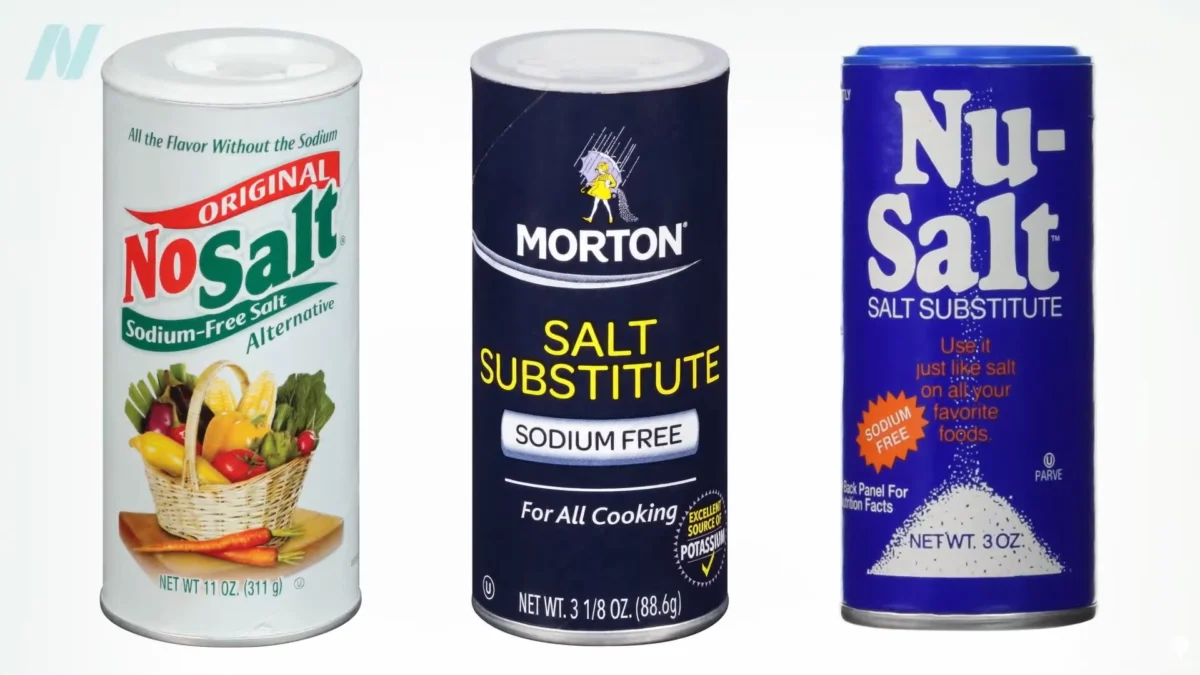
The causal relationship between sodium and adverse health outcomes is well-established. Randomized controlled trials (RCTs) unequivocally demonstrate that sodium reduction leads to a decrease in blood pressure. Similarly, RCTs have shown that supplementing with potassium can also effectively lower blood pressure. This has led to an exploration of potassium chloride as a potential alternative to sodium chloride for seasoning food. Potassium chloride is the primary ingredient in many zero-sodium salt substitutes, a topic that has garnered significant scientific and public health interest.
The Rise of Salt Substitutes: A Promising Avenue
Potassium chloride is recognized as a naturally occurring mineral salt, processed and obtained through methods similar to those used for standard sodium salt. In a dietary landscape where sodium consumption is excessive and potassium intake is insufficient, potassium chloride presents itself as a potentially beneficial "win-win" solution. While whole, unprocessed plant foods remain the ideal source for increasing potassium intake due to their rich array of accompanying nutrients, the development and efficacy of potassium chloride-based salt substitutes have become a focal point of research.
Currently, a body of evidence comprising at least ten studies, encompassing eleven randomized controlled trials, indicates that the simple act of substituting a portion of regular salt with potassium chloride can lead to significant reductions in blood pressure among individuals with hypertension. These findings suggest that salt substitutes may also play a role in the prevention of hypertension. While the ability of salt substitutes to lower blood pressure is established, ongoing research aims to determine their impact on the incidence of hypertension and, more crucially, on disease endpoints such as stroke and overall mortality.
Landmark Trials Illuminate the Impact of Salt Substitution
A pivotal randomized controlled trial investigated the effects of replacing standard salt with a salt substitute containing potassium chloride. In this study, households were provided with a salt mixture that was one-quarter potassium chloride. At this concentration, the majority of participants either could not discern a taste difference or even expressed a preference for the potassium-enriched salt. The findings were remarkable: the use of this quarter-potassium chloride salt substitute was associated with a halving of the risk of developing hypertension.
Further research delved into the long-term effects on cardiovascular mortality. In a study conducted over approximately two and a half years at a veterans’ retirement home, five kitchens were randomized. Meals in these kitchens were prepared using either regular salt or, unbeknownst to the cooks and residents, a 50/50 blend of potassium chloride and sodium chloride. Participants in the kitchens using the half-potassium blend experienced a reduction in cardiovascular disease mortality by approximately 40% and lived, on average, nearly a year longer. The life expectancy difference observed at age 70 was described as being "equivalent to that which would have naturally occurred in 14 [years]," suggesting that the simple switch to a half-potassium salt blend effectively conferred a more youthful risk profile concerning mortality.
More recently, a large-scale randomized controlled trial in China, involving over 20,000 participants across 600 villages over a five-year period, provided further compelling evidence. Participants were assigned to receive either a salt substitute composed of one-quarter potassium chloride or regular salt. The results demonstrated that the salt substitute not only reduced the incidence of strokes and other cardiovascular events but also significantly lowered the risk of death from all causes.
Contextualizing the Chinese Study and the Global Health Imperative
The setting of China for this extensive trial was particularly advantageous. In China, up to 75% of the population’s sodium intake originates from salt added during home cooking or dining. In contrast, a substantial portion of sodium in the American diet is derived from pre-packaged meats and processed foods. This highlights the potential for food manufacturers to play a critical role by transitioning to potassium chloride-based alternatives. The question remains: why has this widespread adoption not occurred, and why have salt substitutes not been more enthusiastically embraced by the public, given their demonstrated efficacy and palatability?
A review from the Mayo Clinic, titled "Achieving the Benefits of a High-Potassium, Paleolithic Diet, Without the Toxicity," underscores the potential of these dietary strategies. A commentary posed the pertinent question, "Is Salt Substitution Ready for Prime Time?" While the benefits appear substantial, attention is also turning to potential risks. Concerns have been raised regarding the "inclusion of potentially fatal salt substitutes in the food supply," a notion that necessitates a thorough examination of safety profiles, which will be addressed in subsequent discussions.
The Sodium-Potassium Balance: An Evolutionary Perspective
Human physiology evolved over millennia on a diet that was naturally rich in potassium and remarkably low in sodium. This dietary pattern, prevalent in hunter-gatherer societies and early agricultural communities, provided a crucial balance that supported optimal cardiovascular function. The typical ratio of potassium to sodium in these ancestral diets is estimated to have been around 10:1. In stark contrast, modern Western diets often exhibit a reversed ratio, with sodium intake significantly exceeding potassium intake, sometimes by as much as 3:1 or even 4:1.
This dramatic shift is primarily attributed to the industrialization of food production and the widespread availability of highly processed foods. These products are frequently engineered for palatability and shelf-life through the addition of large quantities of sodium chloride (table salt). Simultaneously, the processing methods often strip away the natural potassium content found in whole foods. The consequences of this dietary imbalance are profound and far-reaching, contributing to the epidemic of chronic diseases that plague contemporary society.
Understanding the Mechanisms of Harm and Benefit
The detrimental effects of high sodium intake on cardiovascular health are multifaceted. Excess sodium leads to increased blood volume, which in turn elevates blood pressure. It also promotes arterial stiffness, a condition that further exacerbates hypertension and increases the risk of cardiovascular events. Furthermore, high sodium intake can impair kidney function, as the kidneys struggle to excrete the excess sodium and fluid.
Conversely, potassium plays a vital role in regulating blood pressure by counteracting the effects of sodium. It helps the body excrete excess sodium, relaxes blood vessel walls, and plays a crucial role in maintaining the electrical stability of the heart muscle. Adequate potassium intake is essential for proper fluid balance and nerve function. The synergistic relationship between sodium and potassium in maintaining cellular and systemic equilibrium is a cornerstone of human health. When this balance is disrupted, the body’s regulatory systems are compromised, leading to a cascade of adverse health consequences.
Broader Public Health Implications and Future Directions
The evidence supporting the benefits of reducing sodium intake and increasing potassium intake is robust and continues to grow. The widespread adoption of salt substitutes, such as those based on potassium chloride, represents a tangible strategy for public health interventions. Such interventions could be implemented at various levels, from individual dietary choices to national food policies and food industry reformulations.
The success of large-scale trials in China suggests that population-wide strategies can yield significant public health benefits. The potential to reduce stroke incidence, cardiovascular events, and overall mortality through simple dietary modifications like salt substitution is immense. However, challenges remain in overcoming consumer inertia, industry resistance, and ensuring equitable access to healthier food options.
The ongoing scientific inquiry into salt substitution highlights the dynamic nature of nutritional science. While the benefits of potassium chloride are increasingly evident, a comprehensive understanding of its safety profile, particularly for individuals with certain medical conditions such as kidney disease or those taking specific medications, is crucial. Future research will likely focus on refining recommendations, exploring optimal substitution levels, and addressing potential contraindications to ensure the safe and effective widespread implementation of these promising dietary strategies. The journey towards a healthier population hinges on translating this scientific knowledge into actionable public health initiatives and empowering individuals to make informed dietary choices that align with their evolutionary heritage and contemporary health needs.
Doctor’s Note: This article is the second in a three-part series exploring the complex relationship between salt and potassium. The first part, "The Mineral Intake Recommendations Only 1 in 6,000 U.S. Adults Meet," is available for review. The series concludes with "Are Potassium Chloride Salt Substitutes Safe and Effective?" Additionally, the evidence supporting the impact of salt on blood pressure is detailed in "The Evidence That Salt Raises Blood Pressure."

