

Healthy kidneys are essential for the efficient excretion of potassium from the body. For individuals uncertain about their risk factors, consulting a physician for a kidney function assessment is strongly advised. Evolutionary evidence suggests that optimal dietary potassium intake likely significantly surpasses current and even recommended levels. This dietary shift is attributed to the replacement of potassium-rich whole plant foods – such as fruits, vegetables, leafy greens, roots, and tubers – with calorie-dense, processed junk foods laden with unhealthy fats and sugars. These processed alternatives are not only devoid of vital fiber but also critically low in potassium.
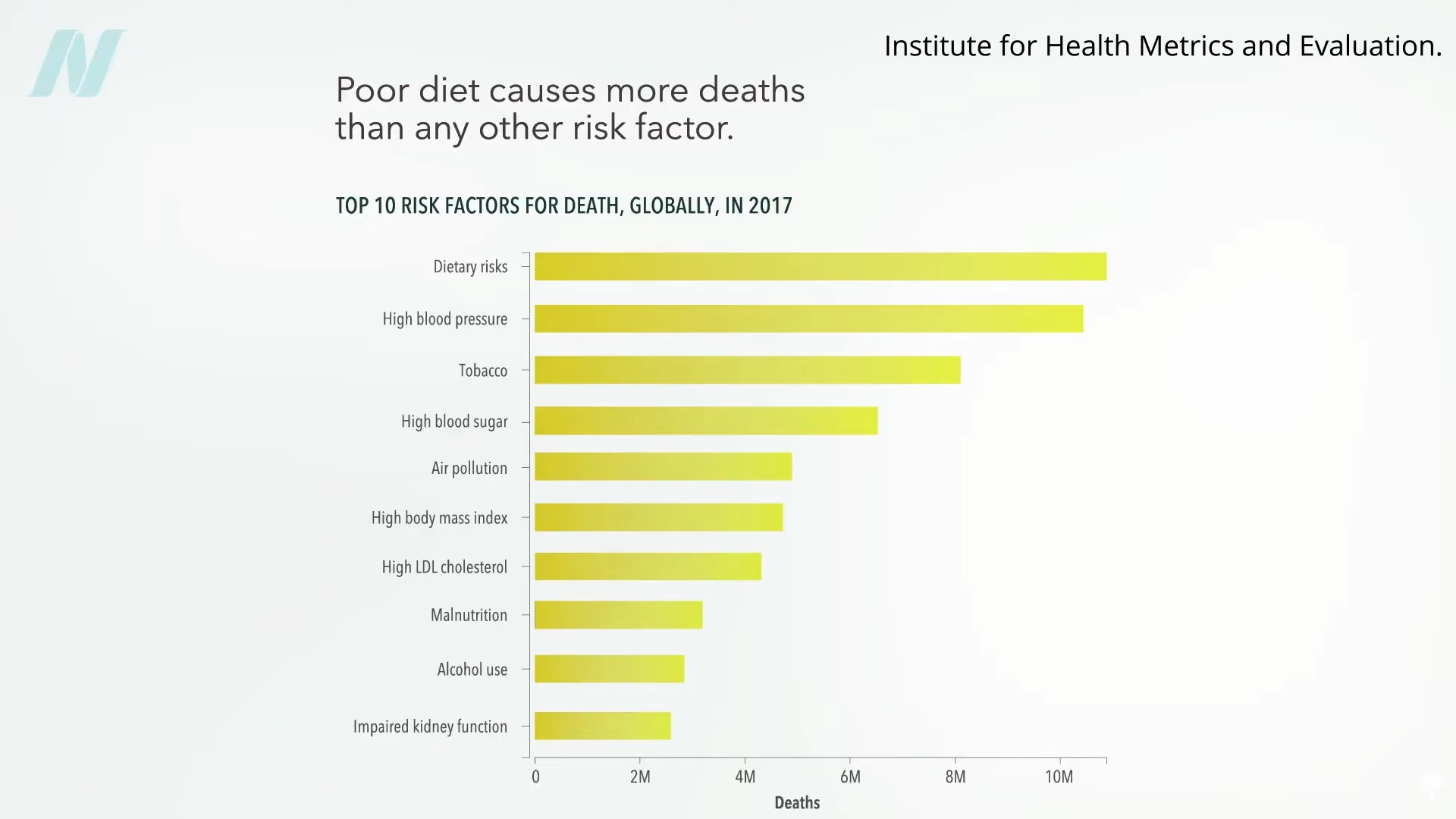
In stark contrast, traditional, predominantly plant-based diets naturally featured high potassium and low sodium intake. This dietary pattern is particularly relevant in the context of global health, where high blood pressure has emerged as the second leading cause of death worldwide, claiming over 10 million lives annually. Unhealthy diets rank even higher as a global risk factor for mortality, underscoring the critical link between diet and longevity.
Restoring the Balance: Potassium-Rich Foods and Blood Pressure Management
The crucial balance between potassium and sodium in the diet plays a pivotal role in cardiovascular health. An imbalance, characterized by excessive sodium and insufficient potassium, is a significant contributor to hypertension, a condition that affects billions globally. Fortunately, dietary adjustments can effectively address this imbalance. Increasing the consumption of whole, unprocessed plant foods, such as leafy greens and beans, is a powerful strategy. These foods are naturally abundant in potassium, a mineral known for its blood pressure-lowering properties.
The modern Western diet, however, often presents a stark contrast to this optimal nutritional profile. High levels of sodium, primarily from processed foods and added salt, coupled with a deficiency in potassium, create a perfect storm for cardiovascular issues. This dietary paradox is a key driver behind the global epidemic of hypertension.
Salt Substitutes: A Potential Solution for Potassium Deficiency
Given the widespread issue of low potassium intake and high sodium consumption, the use of salt substitutes has gained attention as a potential intervention. Potassium chloride is the most prevalent salt substitute, offering a direct swap of sodium for potassium. Research has substantiated the efficacy of this approach.
A comprehensive meta-analysis of numerous randomized controlled trials has demonstrated that replacing sodium chloride with potassium chloride effectively lowers blood pressure. Notably, even substitutes containing less than 30% potassium chloride yielded significant results. For many individuals, this percentage is low enough that the taste difference between regular salt and potassium chloride salt is imperceptible, suggesting a palatable solution for blood pressure management.
The U.S. Food and Drug Administration (FDA) generally regards potassium chloride as safe (GRAS). The primary concern for healthy individuals lies in the potential for a bitter or metallic taste, particularly when used exclusively or in high concentrations. Individual palates vary, and the acceptability of potassium chloride can depend on the specific food being seasoned. Some foods may accommodate the flavor profile well, while others may become unpalatable. Anecdotal evidence suggests that with consistent use, palates can adapt, and the perceived taste differences may diminish. The experience of transitioning away from sodium chloride and then reintroducing potassium chloride highlights the subjective nature of taste perception and the potential for adaptation.

The Kidney’s Role: Regulating Potassium Levels
The body’s ability to manage potassium intake is largely dependent on the kidneys. In healthy individuals, the kidneys efficiently excrete excess potassium through urine, preventing potentially harmful levels from accumulating in the bloodstream. This regulatory mechanism is robust, even with significantly increased potassium intake from food sources.
Historical dietary patterns for humans involved substantially higher potassium consumption, estimated to be around 15,000 mg per day, primarily from a rich variety of plant foods. This evolutionary context suggests that the human body is well-equipped to handle considerable potassium loads. Studies have shown that even long-term potassium supplementation at doses up to 3,000 mg per day has not resulted in adverse effects. Furthermore, healthy kidneys can maintain normal blood potassium levels even when intake reaches approximately 15,000 mg daily.
The normal range for blood potassium levels is typically between 3.5 and 5.0 millimoles per liter (mmol/L). Levels approaching 6 mmol/L are considered concerning. However, even with potassium supplementation, such as the approximately 2,000 mg daily dose used in salt substitute trials, blood potassium levels typically increase by a modest 0.14 mmol/L. This suggests that for most individuals, even with supplementation, blood potassium remains well within safe parameters.
Extreme Scenarios and Historical Concerns
While generally safe, there are extreme scenarios where excessive potassium intake can pose risks. A notable case involved an individual who consumed up to 20 bananas daily for years, leading to a significant increase in blood potassium. Similarly, consuming excessive amounts of potassium-rich foods, such as 10 pounds of carrots daily, which is practically achievable only through juicing, has been linked to potential health issues.
Historically, there have been concerns regarding the use of salt substitutes. A 1940s report highlighted instances of lithium poisoning due to the use of lithium chloride as a salt substitute. Modern salt substitutes predominantly use potassium chloride, which carries different risk profiles. While rare, cases of fatal potassium chloride overdose have been reported, typically involving the ingestion of a tablespoon or more. However, it is crucial to contextualize this risk: even significantly smaller amounts of regular salt, if ingested rapidly, can be lethal. Ingesting salt water was even a documented method of suicide in ancient China, underscoring the inherent dangers of acute, excessive salt consumption, regardless of its composition.
Addressing the Risks: Kidney Function and Dietary Guidance
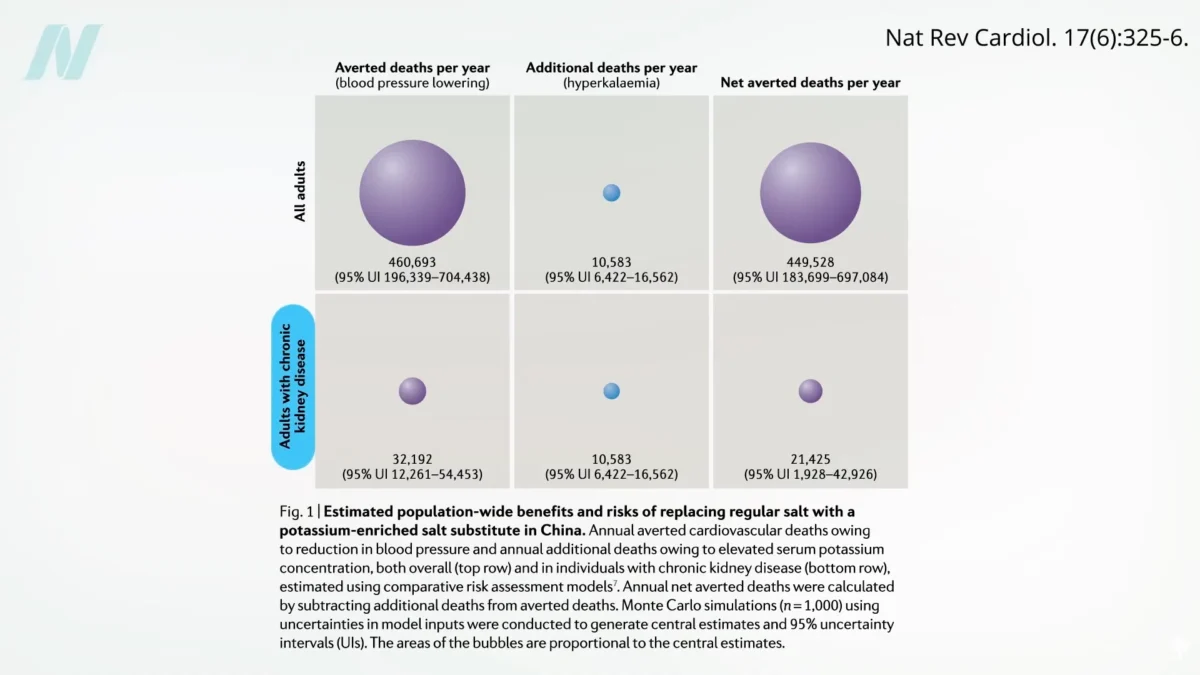
A small segment of the population may encounter complications with increased potassium intake, primarily individuals with severely impaired kidney function. This has historically led to a cautious approach in promoting potassium-based salt substitutes on a widespread scale. For individuals whose kidneys cannot effectively regulate potassium, it can indeed become a serious health concern.
This risk group includes individuals with:
- Known kidney disease: Impaired kidney function directly affects potassium excretion.
- Diabetes: Diabetes can lead to kidney damage, compromising its ability to regulate electrolytes.
- Severe heart failure: Compromised cardiac function can impact kidney function and potassium balance.
- Medications that impair potassium excretion: Certain drugs can interfere with the kidneys’ ability to eliminate potassium.
- Older adults: Kidney function naturally declines with age.
- Individuals with adrenal insufficiency: The adrenal glands play a role in regulating electrolytes, including potassium.
For individuals falling into these categories, or those who are unsure about their risk, a thorough kidney function test is paramount. Consulting a healthcare professional for personalized advice is essential.
Evolving Paradigms in Kidney Disease Management
Paradoxically, potassium’s potent ability to reduce deaths from high blood pressure extends even to individuals with kidney disease. This has prompted a significant shift in dietary recommendations for patients with chronic kidney disease (CKD). Previously, traditional advice often involved restricting fruits and vegetables due to their high potassium content. However, emerging evidence strongly supports the benefits of a fundamentally plant-based diet for individuals with CKD.
A whole-food, plant-based diet may not only help slow the progression of CKD but could also delay kidney failure. The practice of broadly restricting dietary potassium in kidney patients is now increasingly being reserved for those with documented hyperkalemia, defined as a blood potassium level of 6 mmol/L or higher. The realization is dawning that the key to halting the progression of CKD might, in fact, lie in embracing the produce aisle, rather than shunning it.
Conclusion: A Balanced Approach to Potassium Intake
The scientific understanding of potassium’s role in health, particularly in relation to blood pressure and cardiovascular well-being, continues to evolve. While potassium chloride salt substitutes offer a promising avenue for reducing sodium intake and increasing potassium consumption, their use requires careful consideration, especially for individuals with compromised kidney function.
The shift towards a greater appreciation for the benefits of potassium-rich plant foods, even for individuals with kidney disease, signifies a crucial advancement in nutritional science. By prioritizing whole, unprocessed foods and consulting with healthcare professionals, individuals can navigate the complexities of dietary potassium intake and make informed choices that support long-term health.
Doctor’s Note: In cases of mental health crisis, immediate support is available. The National Suicide Prevention Lifeline can be reached 24 hours a day, seven days a week, by calling 800-273-8255.
This article is the final installment of a three-part series. For further information, readers are encouraged to review the preceding articles: "The Mineral Intake Recommendations Only 1 in 6,000 U.S. Adults Meet" and "Are Potassium Chloride Salt Substitutes Worth Trying?"

