

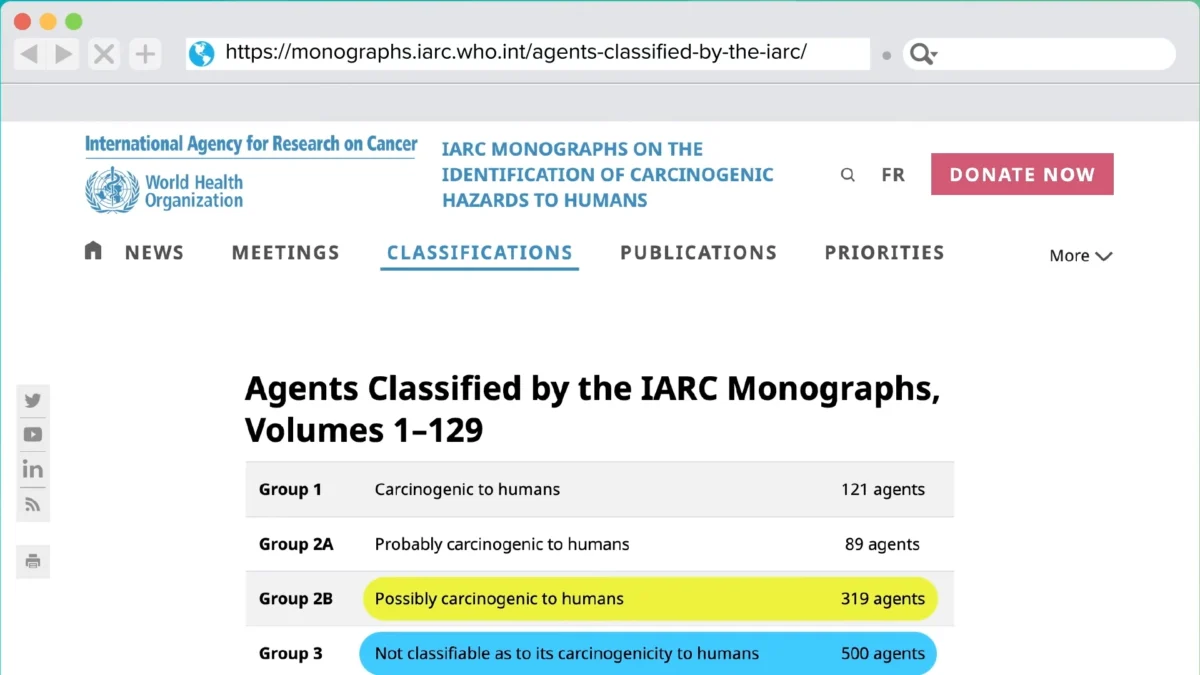
The scientific consensus that processed meats, including staples like bacon, ham, hot dogs, and various lunch meats, are carcinogenic to humans represents a significant public health finding with far-reaching implications. This determination, made by the International Agency for Research on Cancer (IARC), a specialized agency of the World Health Organization (WHO), has ignited robust reactions from the meat industry, governmental bodies, and public health organizations worldwide. The IARC’s classification places processed meat in Group 1, the highest category of carcinogenicity, indicating that there is sufficient evidence to conclude that its consumption causes cancer, specifically colorectal cancer.
Genesis of a Global Cancer Research Authority
The establishment of the IARC itself is rooted in a profound human tragedy and a call for global cooperation in combating disease. The agency’s origins trace back to a poignant letter from a grieving widower in 1963, who, devastated by his wife’s battle with cancer, urged governments to allocate a portion of their military budgets to the fight against cancer. This impassioned plea resonated, leading to the birth of the IARC within the WHO just 18 months later. Its primary mission, embedded in its foundational purpose, has always been cancer prevention through rigorous scientific evaluation.
The IARC’s Monographs: A Cornerstone of Carcinogen Evaluation
The IARC is globally recognized for its comprehensive "monographs," extensive reports that meticulously evaluate the carcinogenic potential of various agents. These publications are widely regarded as authoritative assessments in the scientific community. The 114th monograph, published in 2018, specifically focused on the carcinogenicity of red and processed meat. This landmark report was the culmination of an exhaustive review process, involving the deliberation of over 800 scientific studies by a panel of 22 experts from 10 different countries. After meticulous scrutiny of the scientific literature, the experts concluded that while red meat is "probably carcinogenic to humans" (classified as Group 2A), processed meat unequivocally belongs to Group 1, signifying a definitive causal link to cancer.
The Defining Evidence: Processed Meat and Colorectal Cancer
The classification of processed meat as a Group 1 carcinogen carries substantial weight. This designation means that, based on the best available scientific evidence, the consumption of these products is confirmed to cause cancer. The specific cancer most strongly linked to processed meat consumption is colorectal cancer, encompassing cancers of the colon and rectum. Globally, colorectal cancer stands as the second leading cause of cancer-related deaths, surpassed only by lung cancer, which is predominantly associated with smoking. In the United States, colorectal cancer is also the second leading cause of cancer mortality, and it is a growing concern for younger populations, claiming lives and causing significant illness earlier in life than previously understood. The definition of processed meat, according to the IARC, is broad and includes items such as bacon, ham, hot dogs, breakfast sausages, and even turkey deli slices, highlighting the widespread presence of these products in global diets.
Industry Backlash and Accusations of "Terrorism"
The IARC’s findings did not sit well with the meat industry. Immediately following the report’s release, industry representatives launched a vocal campaign to counter the scientific consensus. The North American Meat Institute, for instance, characterized the classification as a "dramatic and alarmist overreach." In Italy, an agricultural group went as far as to issue a press release with the inflammatory headline, "Just say no to terrorism on meat," framing the scientific evaluation as an aggressive attack.
This initial pushback quickly escalated into coordinated efforts to undermine the IARC’s credibility and funding. The Canadian meat industry actively lobbied the Canadian government, urging the Health Minister to cease all financial contributions to the IARC in response to its classification of meat products. Similarly, the U.S. meat industry undertook comparable actions to exert pressure on government officials. Internal industry documents and external analyses have revealed a pattern of corporate entities attempting to "discredit the agency and undermine financial backing," a strategy also observed in past campaigns by industries facing scrutiny over their products’ health impacts.
The Tobacco Industry Playbook: Corporate Strategies Against Scientific Findings
The tactics employed by the meat and chemical industries in their response to the IARC’s findings bear striking resemblances to strategies historically utilized by the tobacco industry to deny and obfuscate the links between smoking and cancer. The chemical industry, for its part, joined the chorus of dissent, labeling the IARC monographs as "dubious and misleading." This concerted effort to question the scientific integrity of the IARC and its findings reflects a broader pattern of corporate interests challenging scientific consensus when it conflicts with their economic objectives.
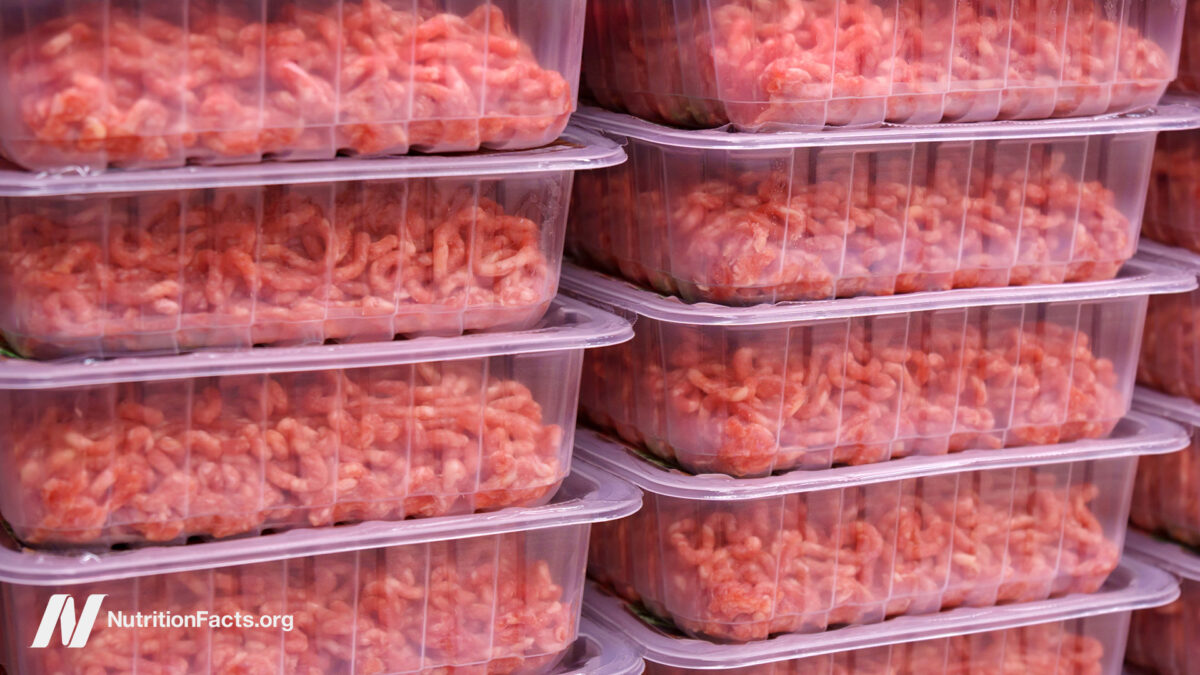
A common talking point disseminated by these industries suggests that the IARC is predisposed to labeling substances as carcinogenic, implying a bias. However, a closer examination of the IARC’s classification system and its published data reveals a different reality. The vast majority of substances evaluated by the IARC are ultimately categorized as "possibly carcinogenic to humans" (Group 2B) or lack sufficient data for a definitive determination. The agency specifically focuses its extensive evaluation efforts on agents for which there is already a significant body of scientific literature suggesting a potential carcinogenic hazard to humans, a methodology that naturally leads to a higher proportion of confirmed carcinogens within its evaluated list.
Governmental and Public Health Responses: Nuance and Divergence
The World Health Organization, as the parent body of the IARC, responded to the widespread queries and concerns following the meat and cancer report with a measured approach. The organization clarified that its role was not to dictate dietary choices but to provide scientific information. The WHO’s stance emphasized that while the report identified processed meat as a carcinogen, individuals retained the autonomy to make their own dietary decisions. The message was essentially: "The report just indicated that consuming less of these products can reduce the risk of a leading cancer killer. So, you like cancer? You do you." This approach highlights the delicate balance between scientific communication and individual liberty.
While the IARC functions as a research body evaluating evidence, the interpretation and dissemination of this information to the public often fall to national cancer organizations and health ministries. The American Cancer Society, for example, has been unequivocal in its stance on alcohol, stating, "it is best not to drink alcohol" in relation to cancer risk. However, regarding processed meats, their guidance has been more nuanced, suggesting that limiting intake might be sufficient.
In contrast, the European Commission has adopted a more direct and prescriptive approach. Their recommendations for cancer risk reduction advocate for diets rich in whole grains, pulses, fruits, and vegetables, while strongly advising the limitation of sugary, fatty, and salty foods. Crucially, they explicitly recommend avoiding soda, sausage, and other processed meats. This divergence in recommendations underscores the varied public health strategies employed globally in translating scientific findings into actionable advice for the public. The IARC itself, when questioned about a safe level of processed meat consumption, stated that it is currently unknown whether any such safe threshold exists, reinforcing the precautionary principle.
Broader Implications and Future Considerations
The IARC’s classification of processed meats as carcinogenic has profound implications for public health, food policy, and the global food industry. It reinforces the growing body of evidence linking dietary patterns to cancer risk and underscores the importance of evidence-based recommendations from credible scientific bodies. The sustained efforts by industry groups to challenge such findings highlight the ongoing tension between scientific research and corporate interests.
Furthermore, the discussion extends beyond cancer. Emerging research, such as studies on the effects of processed meat on lung function, suggests that the health consequences of consuming these products may be multifaceted, impacting various physiological systems. As scientific understanding evolves, the public health discourse surrounding processed meats is likely to intensify, prompting further scrutiny of dietary guidelines and the food industry’s practices. The continued work of organizations like the IARC remains critical in providing the scientific foundation for informed public health decisions and empowering individuals to make healthier choices.
The complex interplay between scientific discovery, industry lobbying, and governmental response in the context of processed meat and cancer serves as a potent case study in the challenges of translating scientific evidence into effective public health interventions in a world shaped by competing economic and societal interests. The ongoing dialogue and the need for clear, consistent public health messaging remain paramount in navigating these complex issues.

