

The allure of personalized genetic information, once confined to the realm of science fiction, is now readily available to consumers, promising tailored health insights and preventative strategies. However, a growing body of research and expert opinion suggests that the burgeoning field of "precision medicine," particularly as marketed through direct-to-consumer (DTC) genetic testing, may be overhyped and potentially misleading, serving vested interests more than genuine consumer well-being. The ease with which individuals can now access their genetic code, once a monumental scientific undertaking, has outpaced the rigorous validation of the interpretations and applications of this data, leading to concerns about accuracy, utility, and the potential for undue anxiety and costly, unnecessary medical interventions.
The Dawn of Accessible Genomics and Its Unforeseen Challenges
Two decades ago, sequencing the entire human genome was a Herculean feat, costing an estimated $100 million. Today, the price of a full genome sequence has plummeted to around $1,000, with partial sequencing available for as little as $100. This dramatic cost reduction has democratized genetic information, making services like 23andMe and AncestryDNA, which offer insights into ancestry, health predispositions, and even romantic compatibility, just a click away. This accessibility, however, has outpaced the scientific community’s ability to definitively validate the clinical utility and accuracy of many of these widely available tests. Consequently, consumers may be purchasing information that is not only useless but potentially harmful.
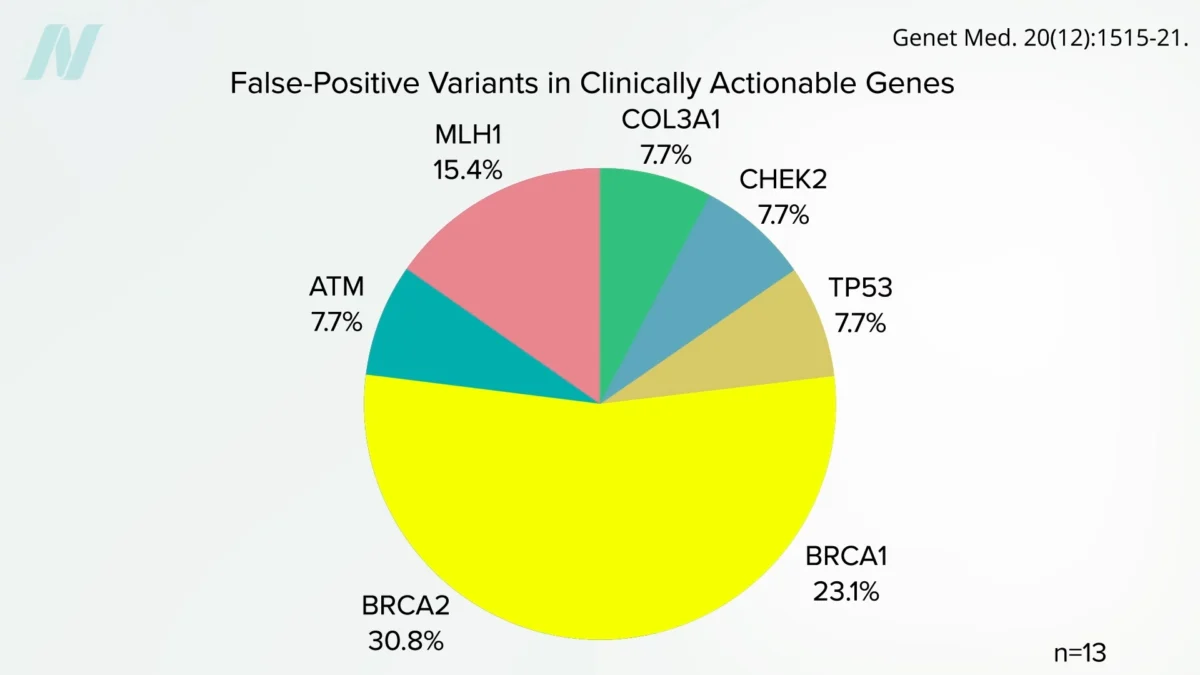
The demand for DTC genetic tests has surged, driven by the promise of proactive health management. Yet, independent scientific scrutiny has revealed an "alarmingly high false-positive rate" in many of these offerings. Research indicates that a significant percentage of test results incorrectly flag individuals as carrying high-risk genes, such as those associated with breast cancer (e.g., BRCA1 and BRCA2). Studies have documented false-positive rates as high as 40%, particularly concerning for genes like BRCA, famously discussed by Angelina Jolie. Beyond outright inaccuracies, some tests misclassify genetic variants, labeling them as high-risk when they are not, leading to unnecessary distress and potentially life-altering medical decisions.
The Economic Incentive Behind Potentially Flawed Results
The financial model of DTC genetic testing companies may inadvertently incentivize the delivery of "scary outlier results." By presenting dramatic or alarming findings, these companies can justify the cost of their tests and encourage consumers to purchase additional, often expensive, follow-up services. However, the psychological and medical ramifications of false-positive results can be severe. Individuals might experience heightened anxiety, undergo unnecessary invasive medical procedures, or make significant lifestyle changes based on inaccurate genetic predispositions. The hypothetical scenario of a preventive double mastectomy due to a falsely identified BRCA mutation underscores the critical importance of accuracy and robust validation in genetic testing.
Precision Medicine: A Promise Unfulfilled?
The concept of precision medicine, which aims to tailor medical treatment to individual characteristics, including genetic makeup, has been a cornerstone of recent healthcare initiatives. Genome-wide association studies (GWAS) have indeed identified thousands of common genetic variants linked to complex diseases. However, experts caution that these discoveries have not significantly improved predictive capabilities beyond traditional risk factors. For instance, while approximately 50 genes have been linked to an increased risk of type 2 diabetes, their collective impact on disease prediction is often overshadowed by lifestyle factors.
A 2014 study published in Nature Genetics (PMID: 24845081) highlighted that obese individuals with the lowest genetic predisposition for diabetes were still nearly five times more likely to develop the disease than normal-weight individuals with the highest genetic risk. This suggests that genetic susceptibility alone offers limited predictive power for complex conditions like type 2 diabetes, and focusing solely on genetics can send misleading messages. For individuals carrying excess body weight, regardless of their genetic profile, the primary intervention remains weight management. Current genetic knowledge regarding type 2 diabetes susceptibility has "no implications for decisions about who should be targeted for intensive lifestyle interventions," emphasizing that the need for healthy habits transcends genetic predispositions.
Questioning the Efficacy of Personalized Nutrition and Prevention Strategies
The notion that personalized dietary interventions can significantly improve blood sugar responses, potentially challenging the efficacy of universal dietary recommendations, has also come under scrutiny. While a widely publicized study suggested this personalized approach, a closer examination of the data revealed a lack of substantial interpersonal variation in blood sugar responses and no clear evidence that the personalized model outperformed current methods for detecting high blood sugar or standard dietary advice in managing post-meal glucose levels.

Furthermore, the idea that personalized genetic risk counseling can effectively motivate individuals to prevent diseases like diabetes has not been consistently supported by evidence. Despite claims that knowledge of individual genetic risk profiles can spur more rigorous engagement in preventative efforts, research indicates that such information has not demonstrably helped individuals at risk for diabetes. A study that randomized participants to receive genetic testing for predispositions to up to 40 diseases, even when marketed as a tool for health motivation, showed no measurable changes in diet or lifestyle, even in the short term. Similarly, studies on personalized nutrition insights, aiming to guide individuals on the benefits of specific foods like greens or cholesterol-lowering diets, have failed to demonstrate significant dietary changes or improvements in biomarkers like weight, belly fat, or cholesterol compared to control groups.
The "Personal Empowerment" Narrative and Vested Interests
The repeated emphasis on "personal empowerment" as a central benefit of genetic testing and precision medicine, while appealing for marketing purposes, is often a misnomer. Critics argue that this narrative can paradoxically leave patients more reliant on authority figures rather than truly empowering them. Moreover, the "personal" aspect is often overstated, as the known genetic contributions to complex diseases are typically small compared to the profound impact of lifestyle and environmental factors.
The emphasis on patient empowerment in precision medicine is strategically employed to garner political and public support for a vast and increasingly industrialized medical complex. This complex, involving trillions of dollars globally, benefits from the continued expansion of high-tech medical solutions. The argument that healthy living directly "threatens many powerful corporations" by reducing the demand for doctors and drugs provides a crucial context for understanding the current healthcare landscape.
The United States, despite spending a disproportionately large amount of its health budget on clinical care rather than preventative measures, continues to lag behind comparable nations in disease experience and life expectancy. This paradox highlights a system that prioritizes treating illness over preventing it. The promises of "overrated precision medicine" may, in fact, be serving to justify exorbitant healthcare expenditures within a finance-based medical system. While advanced technology is abundant, it often fails to address the fundamental drivers of poor health.
Returning to the Basics: The Enduring Power of Lifestyle
Ultimately, the most effective strategies for disease prevention and health improvement remain rooted in fundamental lifestyle choices. As succinctly put by one researcher, "Let’s start with the basics. Eat your broccoli, take the stairs, and don’t worry about whether you have a 5.6 percent or 7.7 percent lifetime risk for a grave disease because either way, a sensible lifestyle is the healthiest choice." The overwhelming scientific consensus points to the fact that diet, exercise, and other healthy habits are far more influential on overall health outcomes than the subtle genetic predispositions currently identifiable through consumer-level testing.
The Future of Genetic Information: Towards Responsible Application
The burgeoning field of genomics holds immense potential for medical advancement. However, the current landscape of DTC genetic testing and the broad promises of precision medicine necessitate a critical re-evaluation. Future advancements must be accompanied by rigorous scientific validation, transparent communication of limitations, and a focus on genuinely actionable insights. The medical and scientific communities, regulatory bodies, and consumers alike must engage in a thoughtful dialogue to ensure that genetic information serves as a tool for genuine empowerment and improved health, rather than a source of anxiety, misinformation, or a means to perpetuate an economically driven healthcare system. The path forward requires a commitment to evidence-based practice, ethical marketing, and a renewed appreciation for the foundational principles of public health and preventative care.
Doctor’s Note: This article is informed by research and discussions presented in the video "Friday Favorites: How Useful Is Personalized Nutrition?" which further explores the complexities and limitations of personalized health approaches.

