

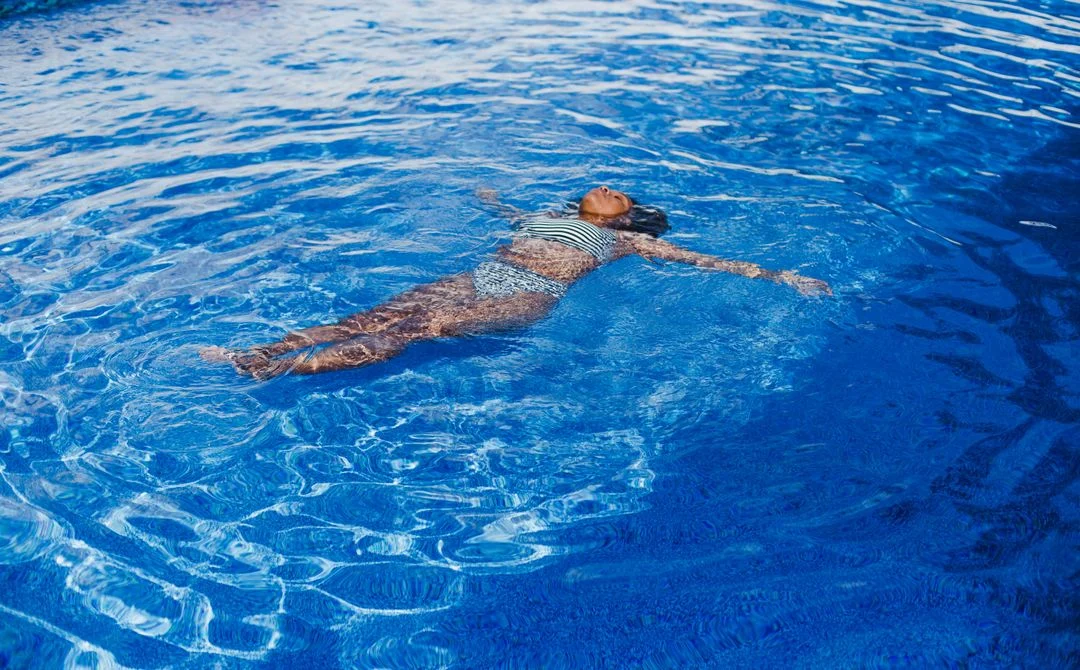
While traditional running remains a highly effective modality for cardiovascular fitness and weight management, its repetitive high-impact nature can exert significant stress on the musculoskeletal system, particularly as individuals age or accumulate mileage. The forceful impact with the ground, a hallmark of pavement running, provides an undeniable cardiovascular workout but simultaneously elevates the risk of common injuries such as knee pain, shin splints, plantar fasciitis, and even hip displacement or stress fractures. For athletes grappling with these adverse effects, or individuals nursing injuries that preclude energetic land-based movement, the strategic integration of water running, also known as aqua jogging or deep-water running, presents a compelling and increasingly popular alternative. This innovative cross-training method allows for comprehensive muscle engagement and robust cardiovascular conditioning without the detrimental gravitational impact, thereby safeguarding vulnerable joints, hips, and the spinal column. Its efficacy in muscle toning and overall fitness maintenance, devoid of undue stress, positions aqua jogging as a cornerstone for sustainable athletic longevity and effective rehabilitation.
The Impact of Traditional Running: A Growing Concern
The allure of running is undeniable, offering an accessible and efficient means of physical conditioning. However, the biomechanical forces at play during land-based running can lead to considerable wear and tear. Each stride can generate ground reaction forces equivalent to two to three times an individual’s body weight, which, over thousands of repetitions, can progressively degrade cartilage, strain ligaments, and inflame tendons. Epidemiological studies consistently report high rates of running-related injuries; estimates often suggest that between 30% and 70% of recreational runners experience an injury annually, with a significant proportion being recurrent. The knees, shins, and feet are disproportionately affected, accounting for a majority of reported ailments. For an aging population, the cumulative effect of these forces exacerbates pre-existing conditions like osteoarthritis or introduces new degenerative issues, often forcing a cessation or significant reduction in running activity. Even elite athletes, despite meticulous training and conditioning, are not immune, frequently employing periods of reduced impact to manage chronic niggles or acute injuries. This prevailing challenge underscores the critical need for effective, low-impact training alternatives that can maintain or enhance fitness levels without compromising musculoskeletal health.
What is Water Running? Unpacking Aqua Jogging
At its core, water running involves mimicking the natural running motion while submerged in water, typically in the deep end of a swimming pool, thereby eliminating ground contact. This seemingly simple act leverages the unique physical properties of water to create a profoundly different physiological experience. The primary mechanisms at play are buoyancy, hydrostatic pressure, and water resistance. Buoyancy, the upward force exerted by a fluid that opposes the weight of an immersed object, effectively negates gravity, reducing the impact on joints to near zero. Hydrostatic pressure, the pressure exerted by water at a given depth, uniformly compresses the submerged body, aiding venous return, reducing swelling, and potentially enhancing cardiovascular efficiency. Simultaneously, water’s inherent viscosity provides constant, multi-directional resistance, engaging muscles more thoroughly than air resistance during land running. This resistance requires greater muscular effort to perform movements at a given speed, leading to enhanced strength and endurance. While deep-water running (non-weight bearing) is the most common form, shallow-water running, where one’s feet lightly touch the bottom, offers a partial weight-bearing option, serving as an excellent transitional phase for rehabilitation.
Historical Context and Evolution of Aqua Jogging
The concept of using water for therapeutic exercise dates back millennia, with ancient civilizations recognizing its healing properties. However, the specific application of "aqua jogging" as a formalized cross-training and rehabilitative modality gained significant traction in the late 20th century. Early pioneers in sports medicine and physical therapy recognized the potential of water’s buoyant and resistive properties to facilitate recovery and maintain fitness for injured athletes. By the 1980s and 1990s, as sports science became more sophisticated, elite athletes and their coaches began incorporating aqua jogging into their training regimens. Track and field athletes, marathon runners, and triathletes, in particular, found it invaluable for active recovery, injury prevention, and maintaining cardiovascular fitness during periods of land-based rest or injury. The development of specialized equipment, most notably the flotation belt, revolutionized the practice, making deep-water running accessible and effective for a broader population. Initially seen as a niche activity primarily for rehabilitation, aqua jogging has evolved into a mainstream component of comprehensive fitness programs, supported by a growing body of scientific research validating its diverse benefits.
Mechanics of Aqua Jogging: Technique and Execution
Mastering effective aqua jogging technique is crucial to maximizing its benefits and ensuring a productive workout. The goal is to replicate the biomechanics of land running as closely as possible, albeit with adjustments for the water environment.
Deep Water Running Technique:
For deep-water running, a flotation belt is almost universally recommended, especially for beginners or those focusing on maintaining optimal form. This belt, worn around the waist, provides sufficient buoyancy to keep the head above water without requiring constant treading, allowing the individual to concentrate on running form.
- Posture: Maintain an upright posture, similar to land running, with a slight forward lean from the ankles. Avoid slouching or leaning too far back. Core engagement is paramount to stabilize the torso.
- Arm Motion: The arms should swing naturally at the sides, mirroring the motion used on a treadmill or track. Keep elbows bent at approximately 90 degrees, driving them forward and backward, not across the body. The water resistance will make this movement more challenging, contributing to upper body and core strength.
- Leg Drive: Focus on a strong, deliberate leg drive. Bring the knee high towards the chest (hip flexion) and then extend the leg fully behind the body (hip extension), pushing against the water. Emphasize a full range of motion, as this engages the hamstrings, glutes, and hip flexors effectively. Avoid simply pedaling or cycling; aim for a powerful, controlled stride.
- Foot Strike: Since there’s no ground to strike, concentrate on pushing water backward with the foot and lower leg, imagining a "foot strike" through the water. This provides resistance and contributes to propulsion.
Shallow Water Running Technique:
Shallow-water running, typically performed in water chest-deep, allows for partial weight-bearing and is often utilized as a bridge back to land running. The principles of posture, arm, and leg motion remain similar, but the feet may lightly touch the bottom of the pool. This allows for some proprioceptive feedback and gentle impact loading, preparing the body for full weight-bearing activities. Water shoes can provide better grip and comfort in this scenario.
Scientific Validation: Supporting Data and Research
The efficacy of aqua jogging is not merely anecdotal; it is increasingly substantiated by scientific research. A landmark 2003 study on deep-water running, published in the Journal of Strength and Conditioning Research, demonstrated its capacity to provide adequate cardiovascular activity, maintaining heart rate and oxygen consumption levels comparable to land-based running at similar perceived exertion. Subsequent research has further elucidated its physiological benefits:
- Cardiovascular Fitness: Studies indicate that aqua jogging can effectively maintain or even improve maximal oxygen uptake (VO2 max), a key indicator of aerobic fitness, in athletes unable to run on land. The combination of water resistance and hydrostatic pressure contributes to this cardiovascular challenge.
- Muscle Activation and Strength: Electromyography (EMG) studies have shown significant activation of major running muscles, including quadriceps, hamstrings, glutes, and calf muscles, during aqua jogging. The constant resistance of water provides a concentric and eccentric workout for these muscle groups, contributing to strength development without the impact.
- Injury Rehabilitation: Research consistently supports aqua jogging as a safe and effective method for rehabilitation from various injuries, including stress fractures, shin splints, patellofemoral pain syndrome, and Achilles tendinopathy. The reduced impact allows injured tissues to heal while maintaining conditioning.
- Reduced Physiological Strain: Despite providing a robust workout, aqua jogging typically results in a lower heart rate and perceived exertion compared to land running at similar intensities. This phenomenon is partly attributed to hydrostatic pressure, which aids venous return and reduces the workload on the heart.
- Caloric Expenditure: While variable based on intensity and individual factors, aqua jogging can burn a significant number of calories, making it a viable option for weight management and body composition improvement. The continuous resistance against movement increases metabolic demand.
These findings collectively underscore aqua jogging’s role as a scientifically validated training modality for both healthy individuals and those in recovery.
Benefits Beyond Rehabilitation: A Multifaceted Approach
While its rehabilitative prowess is widely recognized, aqua jogging offers a spectrum of benefits that extend far beyond injury recovery, making it a versatile tool for diverse populations.
- Injury Prevention: For regular runners, integrating aqua jogging into their training schedule can serve as a proactive measure against overuse injuries. It allows for high-volume training without the cumulative impact stress, providing a critical "active recovery" option that keeps the body moving and conditioned.
- Cross-Training Excellence: Aqua jogging is an unparalleled cross-training method for athletes in various disciplines. It enhances cardiovascular endurance, strengthens running-specific muscles, and improves overall stamina, complementing land-based training by introducing new stimuli and reducing monotony.
- Performance Enhancement: By allowing runners to focus purely on form and stride mechanics without the distraction of ground impact, aqua jogging can refine running technique. The continuous resistance can also improve muscular endurance and power, translating to more efficient and powerful strides on land.
- Accessibility and Inclusivity: Aqua jogging is remarkably accessible to a broad demographic. Seniors, individuals with arthritis, those struggling with obesity, or people with mobility limitations can engage in vigorous exercise safely. The buoyant environment reduces fall risk and pain, fostering greater participation in physical activity.
- Thermoregulation in Hot Climates: Exercising in water provides an inherent cooling effect, making aqua jogging an ideal choice for maintaining fitness during hot weather conditions when land-based exercise might pose heatstroke risks.
- Mental Well-being: The serene environment of a pool, combined with the rhythmic motion of aqua jogging, can be incredibly therapeutic. It offers a low-stress way to decompress, improve mood, and manage stress, contributing positively to overall mental health.
Designing an Aqua Jogging Workout Program
Implementing an effective aqua jogging program requires thoughtful consideration of intensity, duration, and progression. Whether for rehabilitation or performance enhancement, structured workouts yield the best results.
Beginner Protocols:
For those new to aqua jogging, the initial focus should be on mastering form and building endurance.
- Warm-up (5-10 minutes): Gentle movements like marching in place, easy arm swings, and dynamic stretches in the water.
- Main Set (20-30 minutes): Begin with continuous aqua jogging at a comfortably challenging pace. Aim for a perceived exertion of 5-6 out of 10. Focus on maintaining proper posture and form.
- Cool-down (5-10 minutes): Slow down the pace, followed by gentle stretches in the water.
Gradually increase duration by 5-10 minutes each week as stamina improves.
Intermediate/Advanced Workouts (Interval Training):
Once basic endurance is established, incorporating interval training can significantly boost cardiovascular fitness and mimic the demands of land running.
- Warm-up (10 minutes): Easy aqua jogging, dynamic stretches.
- Main Set (30-45 minutes):
- High-Intensity Intervals: Alternate 3-5 minutes of vigorous aqua jogging (perceived exertion 8-9/10, as if sprinting) with 1-2 minutes of active recovery (easy jogging, perceived exertion 3-4/10). Repeat this cycle 6-10 times.
- Tempo Runs: Maintain a consistently challenging pace (perceived exertion 7/10) for 15-20 minutes, simulating a land-based tempo run.
- Cool-down (10 minutes): Gradual decrease in intensity, followed by static stretching in the water.
Progression and Intensity:
To continuously challenge the body, consider:
- Increasing Duration: Extend the total workout time.
- Increasing Intensity: Accelerate the pace during work intervals or shorten recovery periods.
- Adding Resistance: Incorporate waterproof weights (ankle/wrist cuffs), resistance paddles, or aqua dumbbells to intensify muscular engagement.
- Varying Workouts: Introduce different types of aqua jogging sessions (e.g., long steady runs, interval training, hill simulation by increasing knee drive).
Always listen to your body, especially if recovering from an injury. Consultation with a health professional or physical therapist is strongly advised when using aqua jogging for rehabilitation purposes.
Essential Equipment for Aqua Jogging
One of the appeals of aqua jogging is its relatively minimal equipment requirements, making it an accessible activity.
- Swimsuit: A comfortable swimsuit is the primary necessity.
- Flotation Belt: For deep-water running, a high-quality flotation belt is arguably the most crucial piece of equipment. It keeps the body vertical and buoyant without requiring constant treading, allowing for focus on running form. Various designs exist, from simple foam belts to more ergonomic models.
- Local Pool Access: Access to a swimming pool with a deep end is fundamental.
- Optional Enhancements:
- Water Shoes: While not strictly necessary for deep water, water shoes can enhance comfort and grip in shallow water and protect feet from rough pool surfaces.
- Waterproof Weights: Ankle and wrist weights can be used to increase resistance and intensity for strength building.
- Resistance Paddles/Gloves: Hand paddles or webbed gloves can increase upper body resistance, engaging arm and shoulder muscles more profoundly.
- Aqua Dumbbells: Foam dumbbells offer additional resistance for arm and core exercises within the water.
These optional items allow for customization and progression of workouts, catering to individual fitness goals and preferences.
Expert Perspectives and Professional Endorsements
The value of aqua jogging is widely recognized and endorsed by professionals across sports medicine, physical therapy, and athletic coaching. Dr. Eleanor Vance, a prominent sports orthopedist based in Boston, often remarks, "For my patients recovering from lower extremity injuries, aqua jogging is an invaluable tool. It allows them to maintain cardiovascular fitness and muscle memory without the detrimental impact that could re-aggravate their condition. It’s truly a game-changer for active individuals who want to stay moving." Similarly, elite running coaches increasingly integrate water sessions into their athletes’ training schedules. Coach Marcus Thorne, who has guided several Olympic-level marathoners, states, "We utilize aqua jogging not just for injury recovery, but as a critical component of active recovery days and high-volume training blocks. It helps improve running economy by reinforcing proper form and allows for additional cardiovascular load without the breakdown associated with more mileage on the pavement." Physical therapists frequently prescribe aqua jogging in rehabilitation protocols, citing its ability to facilitate early mobilization, reduce pain, and improve range of motion in a safe, controlled environment. This broad professional consensus underscores aqua jogging’s legitimacy and effectiveness as a modern fitness and rehabilitation strategy.
Broader Implications and Future Outlook
The growing acceptance and scientific validation of aqua jogging carry significant implications for the broader fitness industry, public health, and athletic training paradigms. For the fitness industry, it represents a burgeoning market for specialized equipment, certified instructors, and structured class offerings. Community pools and fitness centers are increasingly recognizing the demand for aqua jogging programs, catering to diverse age groups and fitness levels. In public health, aqua jogging offers a powerful tool for promoting physical activity among populations who might otherwise be excluded from traditional exercise due to age, injury, or chronic conditions. Its low-impact nature makes it an ideal recommendation for individuals with osteoarthritis, osteoporosis, or those beginning a fitness journey from a sedentary lifestyle. Furthermore, as research continues to unravel the nuances of exercise physiology and the long-term effects of physical activity, low-impact alternatives like aqua jogging will likely gain even greater prominence. Innovations such as underwater treadmills and sophisticated aquatic resistance machines are pushing the boundaries of what’s possible in water-based training, promising even more refined and effective workouts in the future. The emphasis on sustainable, injury-preventing fitness methods is a clear trend, and aqua jogging is perfectly positioned at the forefront of this evolution, offering a pathway to lifelong activity and enhanced well-being.
In conclusion, aqua jogging transcends its initial perception as merely a rehabilitative exercise. It has firmly established itself as a robust, versatile, and scientifically supported training modality offering profound benefits for cardiovascular health, muscular strength, injury prevention, and performance enhancement. Its unique ability to harness the protective and resistive properties of water makes it an inclusive option for athletes, seniors, and anyone seeking a sustainable, low-impact path to improved fitness and overall well-being. As our understanding of human movement and health continues to evolve, aqua jogging will undoubtedly remain a cornerstone in the pursuit of active and injury-free living.

