

The human diet, in its modern iteration, presents a formidable challenge to public health. Among the myriad of dietary pitfalls, none looms larger or poses a more pervasive threat than excessive sodium intake, commonly referred to as high salt consumption. This dietary nemesis is not merely a minor inconvenience; it stands as the leading modifiable risk factor for a cascade of chronic diseases, contributing to millions of premature deaths annually. The primary mechanism through which high sodium exerts its lethal influence is by adversely affecting blood pressure, thereby escalating the risk of stroke, myocardial infarction, and debilitating kidney damage. Hypertension, or high blood pressure, a condition often dubbed the "silent and invisible killer" due to its insidious nature and lack of overt symptoms, remains one of the most potent independent predictors of mortality from leading causes of death worldwide.
Our evolutionary dietary heritage paints a starkly different picture from contemporary eating habits. Humans evolved on a regimen characterized by a high intake of potassium and a low intake of sodium. This ancestral dietary blueprint, rich in potassium and low in sodium, has been dramatically inverted. This profound shift is a direct reflection of a departure from traditional, plant-based diets that were naturally abundant in potassium and scarce in sodium. Such diets, replete with fruits, leafy greens, roots, and tubers, have been supplanted by a modern diet dominated by ultra-processed, sodium-laden foods that have been stripped of their potassium content. Potassium itself is now recognized as a "nutrient of public health concern," with an alarming statistic revealing that a staggering 98% of the U.S. population fails to meet the recommended minimum daily intake. The implications of this deficiency are significant; low potassium intake is independently implicated in the development of high blood pressure and cardiovascular disease. Despite compelling evidence, a significant gap persists in clinical practice, with few physicians routinely advising patients to increase their consumption of potassium-rich foods like fruits and vegetables as a primary strategy for blood pressure management, even though numerous meta-analyses have consistently demonstrated that higher potassium intake is associated with a reduced risk of stroke.
The Multifaceted Benefits of Potassium Beyond Blood Pressure
The protective effects of potassium extend beyond its well-documented impact on blood pressure. Research indicates a reduction in stroke risk that is independent of blood pressure modulation, underscoring potassium’s broader cardioprotective roles. These include its potential to inhibit clot formation, mitigate arterial stiffening, and reduce the generation of harmful free radicals within the body. In contrast, high sodium intake is linked to a significant 20% increase in the risk of premature death. Conversely, higher potassium intake is associated with a corresponding 20% reduction in the risk of premature mortality. This inverse relationship highlights the critical balance between these two electrolytes.
The inherent association of sodium with "junk" processed foods and potassium with nutrient-dense, whole foods like beans and greens raises a crucial question: is the observed benefit of low sodium and high potassium intake merely a marker for a healthier overall dietary pattern, characterized by greater consumption of plant-based foods and reduced intake of processed items? Scientific evidence provides a clear answer. Randomized controlled trials (RCTs) have unequivocally demonstrated that sodium reduction leads to a decrease in blood pressure. Similarly, RCTs have shown that supplementing with potassium can effectively lower blood pressure. This robust scientific backing has spurred interest in an alternative approach: the utilization of potassium chloride as a salt substitute, rather than relying solely on sodium chloride.
Potassium Chloride: A Promising Salt Substitute
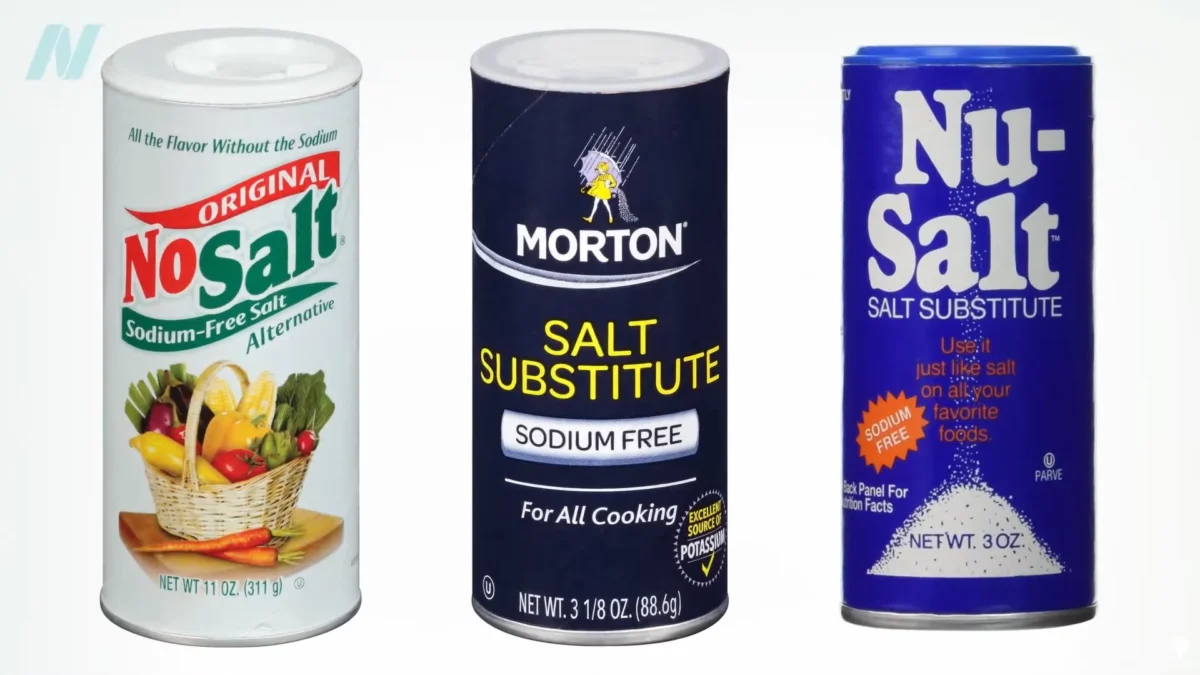
Potassium chloride, a naturally occurring mineral salt, is obtained through processes analogous to the extraction of common table salt. Given the widespread dietary imbalance of excessive sodium and insufficient potassium, potassium chloride presents itself as a potentially "win-win" solution. While the optimal strategy for increasing potassium intake remains the consumption of whole, healthy plant foods—which offer a comprehensive array of beneficial nutrients—the practicality and effectiveness of potassium chloride as a salt substitute are increasingly evident.
Current research, encompassing over 10 studies and 11 randomized controlled trials, indicates that substituting some regular salt with potassium chloride can lead to significant reductions in blood pressure among individuals with hypertension. This substitution strategy may also play a role in preventing the onset of hypertension. Salt substitutes have been shown to lower blood pressure, but ongoing investigations are crucial to determine their impact on the incidence of hypertension and, more importantly, on disease endpoints such as stroke and mortality. Rigorous testing is essential to validate these potential benefits.
Clinical Trials Illuminate the Impact of Salt Substitution
A pivotal randomized controlled trial provided compelling evidence for the efficacy of salt substitution. In this study, households had their regular salt replaced with a mixture containing a quarter portion of potassium chloride. Remarkably, at this concentration, the majority of participants were unable to discern the difference in taste, and some even expressed a preference for the modified salt. The impact on health outcomes was even more significant: the use of this partial potassium chloride substitute was associated with a halving of the risk of developing hypertension.
Further extending this line of inquiry, long-term observational studies have tracked individuals to assess the impact of salt substitution on cardiovascular disease mortality. In one such study involving five kitchens within a veterans’ retirement home, meals were prepared over approximately two and a half years using either regular salt or a 50/50 blend of potassium chloride, unbeknownst to the kitchen staff and residents. The group consuming the half-potassium salt blend experienced a remarkable reduction in their risk of dying from cardiovascular disease by approximately 40%. This intervention was also associated with an increased lifespan of nearly a year. The life expectancy difference observed in individuals aged 70 was substantial, equivalent to a perceived reversal of aging by more than a decade in terms of mortality risk.
More recently, a large-scale randomized controlled trial conducted in China, involving over 20,000 participants across 600 villages over a five-year period, further solidified these findings. Participants were randomly assigned to receive either a salt substitute composed of a quarter potassium chloride or regular salt. The results were profound: the salt substitute not only reduced the incidence of strokes and overall cardiovascular events but also significantly lowered the risk of death from all causes.
The Chinese Context and Global Implications
China serves as an ideal setting for such research, as up to 75% of the population’s sodium intake originates from salt added during home cooking or dining. In contrast, a substantial portion of sodium in the American diet is derived from prepackaged meats and processed foods. This highlights a critical opportunity for food manufacturers to voluntarily transition to potassium chloride-based salt substitutes. The question then arises: why has widespread adoption of these beneficial salt substitutes lagged, and why have consumers not embraced them more readily, especially given their comparable taste profiles and significant health advantages?
A review from the Mayo Clinic, titled "Achieving the Benefits of a High-Potassium, Paleolithic Diet, Without the Toxicity," suggests that salt substitution represents a viable pathway toward achieving the health advantages associated with a high-potassium, low-sodium diet, without the potential pitfalls. A commentary posing the question, "Is Salt Substitution Ready for Prime Time?" underscores the ongoing debate regarding the readiness of these products for widespread public adoption.
Addressing Safety Concerns and Future Directions
While the evidence supporting the benefits of salt substitution is compelling, concerns regarding potential risks warrant careful consideration. Discussions have emerged about the "inclusion of potentially fatal salt substitutes in the food supply." Such statements, while alarming, necessitate a balanced examination of the scientific evidence. The safety profile of potassium chloride, particularly for individuals with certain medical conditions, requires thorough investigation.
This article represents the second installment in a three-part series exploring the intricate relationship between salt and potassium in the human diet. The preceding segment, "The Mineral Intake Recommendations Only 1 in 6,000 U.S. Adults Meet," provided an overview of prevalent mineral deficiencies. The series concludes with an examination of the safety and efficacy of potassium chloride salt substitutes.
Further detailed exploration of the randomized controlled trials pertaining to sodium and its impact on blood pressure can be found in "The Evidence That Salt Raises Blood Pressure." The ongoing research into potassium chloride salt substitutes aims to provide a comprehensive understanding of both their benefits and potential risks, paving the way for informed dietary choices and public health strategies. The path forward necessitates continued scientific inquiry, robust public education campaigns, and potential policy interventions to facilitate the integration of healthier salt alternatives into the global food supply. The potential for a significant reduction in the global burden of cardiovascular disease and premature mortality hinges on our ability to effectively address the pervasive issue of excessive sodium consumption and promote the adoption of potassium-rich dietary patterns.

