

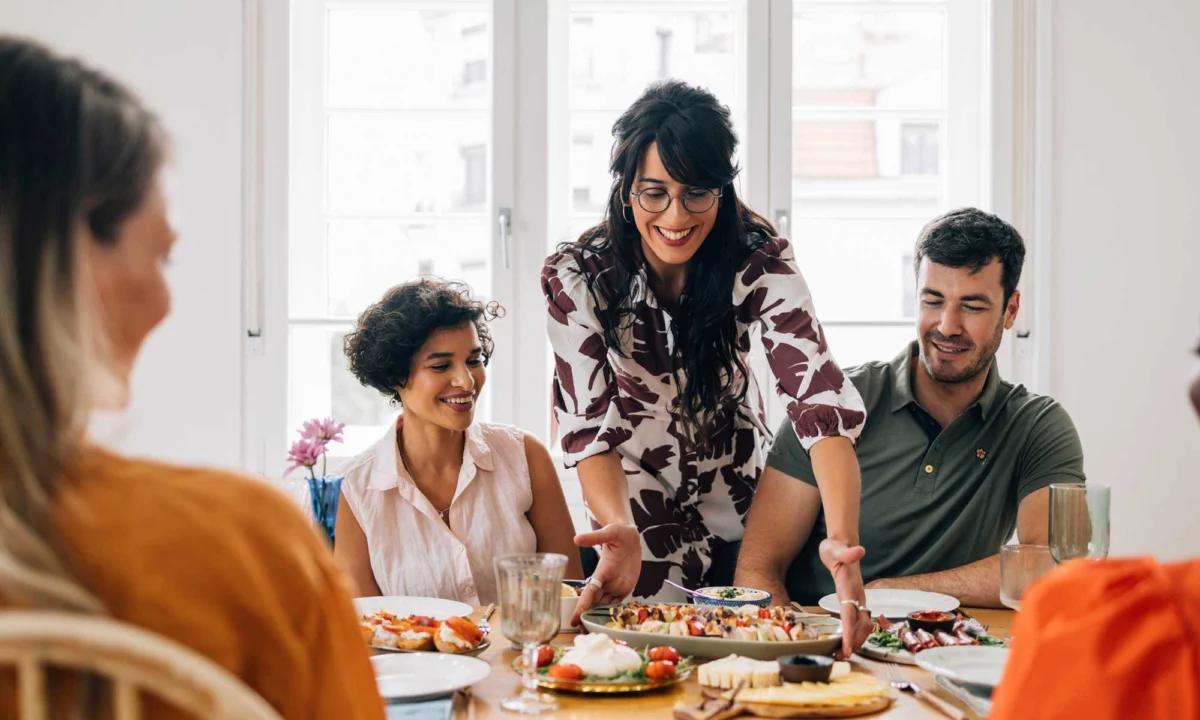
The landscape of alcohol consumption is undergoing a significant shift, with an increasing number of individuals consciously choosing to abstain or significantly reduce their intake. A comprehensive survey conducted in 2025 revealed a notable decline in alcohol consumption among adults, with only 54% reporting regular engagement with alcoholic beverages. This trend is largely attributed to a growing awareness of alcohol’s detrimental effects on overall health and well-being. Parallel to this rise in abstinence is a substantial segment of the population that, while not necessarily seeking complete sobriety, desires a more mindful and controlled approach to their alcohol consumption. However, achieving this balance within social contexts can present unique challenges.
"When individuals are in social settings such as clubs, bars, weddings, and informal gatherings with friends—all environments where group drinking is often the established norm—there can be a palpable sense of being excluded," explains Hilary Sheinbaum, a registered dietitian nutritionist and author of "Going Dry: A Practical Guide To Drinking Less and Living More." Sheinbaum elaborates that navigating these social scenarios without consuming alcohol can feel like a high-stakes endeavor, often leading to feelings of self-consciousness or pressure.
The prevailing societal normalization of alcohol as a default social lubricant can create a perception that opting out of a drink equates to opting out of the communal experience itself. "The reality is that you can still actively participate in social events and enjoy time with others without alcohol being the central focus," Sheinbaum emphasizes. This sentiment underscores the need for practical strategies that empower individuals to maintain their social connections while aligning with their personal health goals.
The Evolving Landscape of Alcohol Consumption
The decline in alcohol consumption is not a sudden phenomenon but rather a culmination of several years of shifting societal attitudes and increased public health discourse. Public health organizations have consistently highlighted the long-term health risks associated with excessive alcohol intake, including liver disease, cardiovascular problems, increased cancer risk, and mental health issues. These warnings, coupled with a growing body of scientific research, have empowered individuals to make more informed decisions about their alcohol habits.
Furthermore, the rise of social media and online communities has played a crucial role in destigmatizing conversations around sobriety and mindful drinking. Platforms have become hubs for sharing personal experiences, support networks, and practical advice, fostering a sense of collective action and reducing feelings of isolation for those choosing to drink less. This digital interconnectedness has amplified the voices of those advocating for healthier lifestyles and has contributed to the normalization of non-alcoholic alternatives.
Embracing a Low-Pressure Approach to Reducing Intake
For those aiming to moderate their alcohol consumption, a low-pressure, adaptable strategy is often more sustainable than rigid, all-or-nothing approaches. Sheinbaum suggests that offering oneself "grace during a dry month challenge" is a pivotal component of this strategy. While popular initiatives like Dry January and Sober October provide structured goals, their inherent limitations can sometimes feel constricting. The key, she notes, lies in incorporating flexibility and self-compassion.
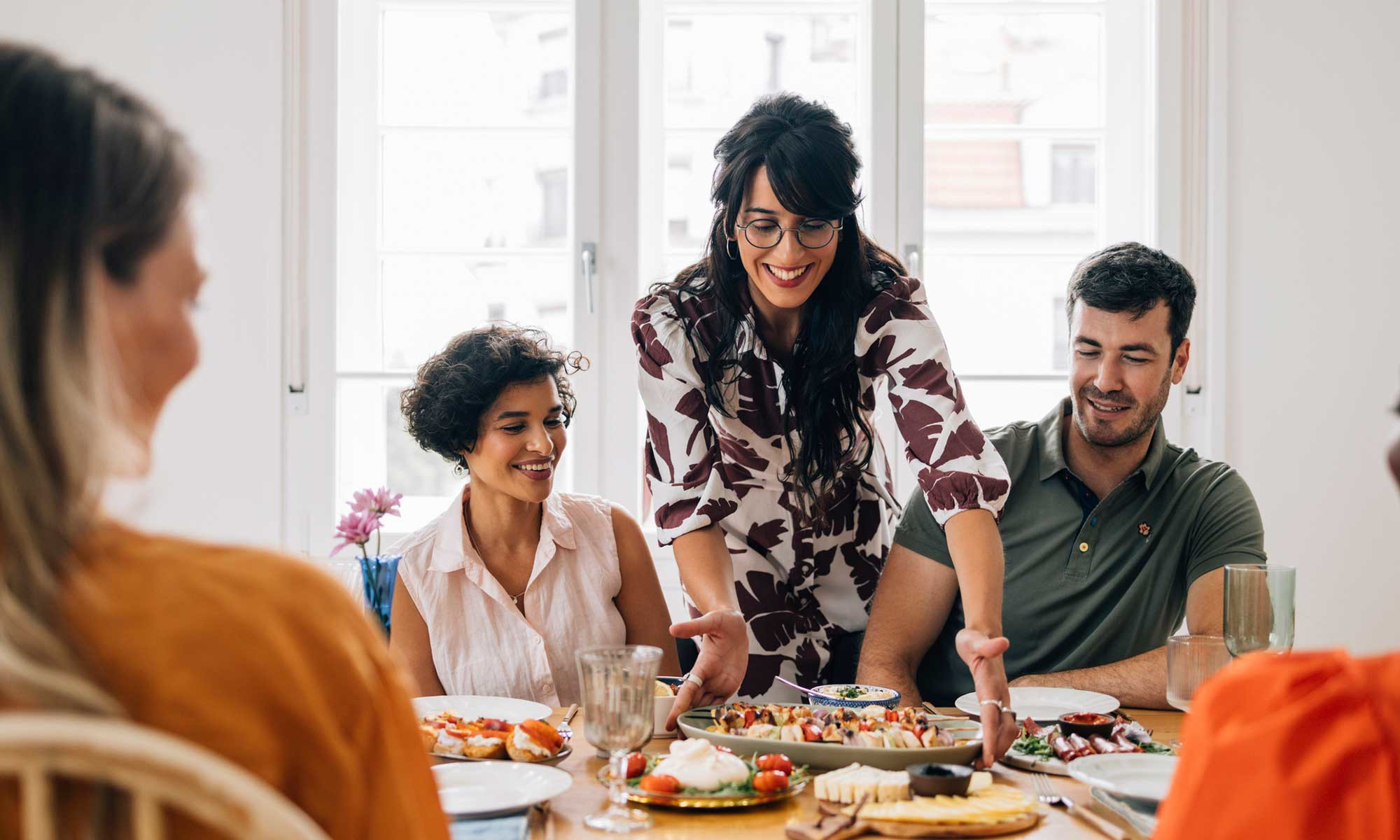
"If you slip up and have a drink, or a night of drinking, the focus should be on resuming abstinence the following day. This does not signify a complete derailment of your efforts," Sheinbaum advises. Acknowledging that an unplanned indulgence might not align with a month-long sober experiment does not negate the overall progress. "The fundamental objective is to reduce overall alcohol consumption and observe the resultant impact on one’s daily life and well-being," she states. This experiential learning, even with its unplanned detours, provides invaluable insights into personal patterns and triggers.
Another effective tactic promoted by Sheinbaum is the exploration and adoption of nonalcoholic beverages. "The beauty of nonalcoholic options is that they allow individuals to savor familiar flavors and the social ritual of holding a drink without the alcohol content," she explains. This can range from sophisticated mocktails and artisanal alcohol-free beers and wines to sparkling water with fruit infusions. The availability and variety of these alternatives have expanded dramatically, catering to a wide range of preferences and occasions.
Fostering Inclusive Social Interactions
A significant aspect of successfully reducing alcohol consumption while maintaining a vibrant social life involves proactively shaping the nature of social gatherings. Sheinbaum advocates for individuals to take the initiative in organizing events. "By assuming the role of the organizer, you gain the agency to select activities and venues that either do not feature alcohol or do not place it at the center of the experience," she suggests. This subtle yet impactful shift can fundamentally alter the social dynamic, moving the focus from consumption to genuine connection and shared experiences.
When alcohol is not the primary driver of a social event, opportunities for deeper engagement and bonding naturally emerge. Sheinbaum proposes several low-pressure social activity ideas that facilitate connection without the reliance on alcohol:
- Creative Workshops: Engaging in activities like pottery painting, cooking classes, or craft workshops provides a shared focus and a tangible outcome, fostering conversation and collaboration.
- Outdoor Adventures: Hiking, kayaking, exploring local parks, or organizing a group bike ride offers opportunities for physical activity and scenic enjoyment, with conversation flowing naturally during and after the activity.
- Game Nights: Board games, card games, or even collaborative video games can create a fun and competitive atmosphere that encourages interaction and laughter.
- Cultural Excursions: Visiting museums, art galleries, attending live music performances (that aren’t solely bar-focused), or exploring local festivals can provide stimulating shared experiences.
- Mindful Dining Experiences: Opting for restaurants with a strong emphasis on cuisine and ambiance, rather than just a bar scene, allows for focused conversation over a meal.
"There are myriad activities that can facilitate bonding among individuals without necessitating alcohol consumption," Sheinbaum adds, reinforcing the idea that a fulfilling social life is entirely achievable without relying on alcoholic beverages.
Cultivating a Supportive Social Environment for All
Beyond individual strategies, a collective responsibility exists in fostering social environments that are inclusive and welcoming to all, regardless of their drinking status. This involves consciously creating a low-pressure atmosphere where individuals feel comfortable making their own choices.
A crucial element in this is refraining from questioning or scrutinizing others’ decisions regarding alcohol. Inquiries such as, "Why aren’t you drinking?" or "Are you on a challenge?" can inadvertently create discomfort. As Sheinbaum points out, the reasons for abstaining from alcohol are diverse and deeply personal, encompassing health goals, medication regimens, pregnancy, mental health considerations, athletic training cycles, or simply personal preference. These are often private matters, and individuals should not feel obligated to disclose them.

Instead, the emphasis should be on normalizing neutral responses. When someone declines an alcoholic beverage, a simple acknowledgment and continuation of the conversation are sufficient. This subtle act of acceptance can significantly contribute to a more relaxed and inclusive atmosphere.
Furthermore, actively offering and promoting nonalcoholic options at gatherings can enhance inclusivity. Ensuring that sparkling water, alcohol-free beer and wine, and creatively crafted mocktails are readily available demonstrates a commitment to accommodating all guests and their preferences. This practice not only benefits those who choose not to drink but also encourages those who do drink to consider alternative beverages, potentially moderating their own intake.
The Broader Implications and Future Trends
The ongoing shift away from pervasive alcohol consumption has significant implications for public health, the hospitality industry, and social dynamics. As more individuals prioritize well-being, demand for nonalcoholic beverages and alcohol-free social experiences is likely to continue its upward trajectory. This presents an opportunity for businesses and event planners to innovate and cater to this evolving market.
The analysis of these trends suggests a move towards a more health-conscious and mindful society. The ability to socialize and celebrate without the reliance on alcohol signifies a maturation of social norms, where genuine connection and shared experiences are valued above ritualistic consumption. The ease with which individuals can now access information and support networks related to sober living further bolsters this trend.
The long-term impact of reduced alcohol consumption could manifest in improved public health outcomes, decreased rates of alcohol-related accidents and incidents, and a general enhancement of overall societal well-being. As individuals become more attuned to their bodies and minds, the pursuit of holistic health is likely to remain a dominant theme in lifestyle choices.
Conclusion: Embracing Flexibility for Sustainable Change
Ultimately, the endeavor to drink less should not translate into a reduction in social engagement or an increase in personal stress. Adopting a low-pressure mindset is instrumental in facilitating experimentation, adaptation, and the discovery of what truly resonates with an individual in real-time, without the burden of feeling deprived. The experiences and insights gained through mindful moderation, even with its occasional deviations, contribute to a more informed and empowered approach to alcohol consumption. This evolving perspective on social habits and personal well-being signals a promising future where health and connection can thrive in harmony.

