

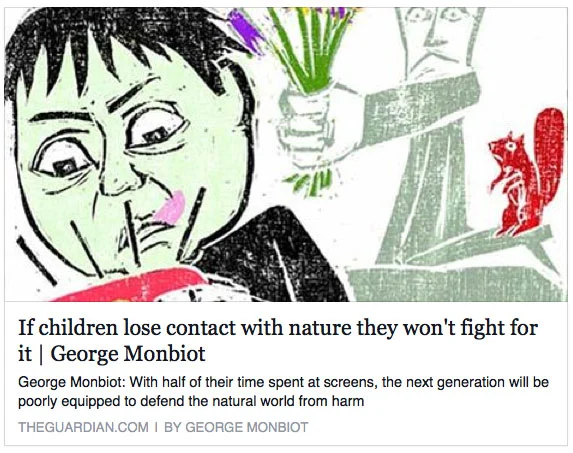
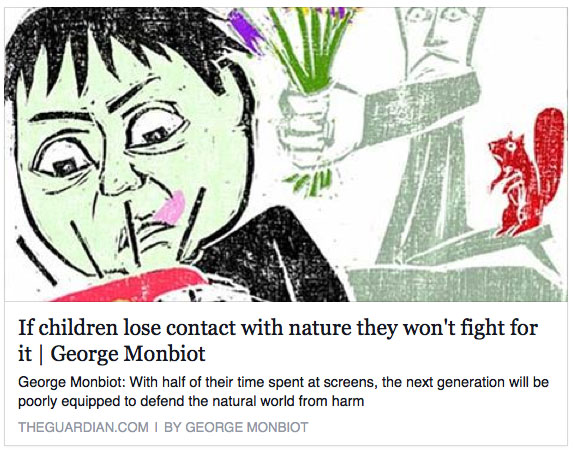
A recent commentary published in The Guardian, penned by environmental journalist George Monbiot, has ignited a significant debate regarding the perceived disconnect between contemporary youth and the natural world. Titled "If Children Lose Contact With Nature They Won’t Fight For It," Monbiot’s piece argues that a decline in direct engagement with nature among children will ultimately lead to a diminished capacity and motivation to advocate for its preservation. While the central premise of the article resonates with many in the environmental community, its proposed causality and proposed solutions have drawn nuanced critiques, suggesting a more complex interplay of factors at play and highlighting the potential of digital platforms in fostering environmental consciousness.
Monbiot’s core assertion is that a generation growing up with limited outdoor experiences will lack the fundamental emotional and experiential connections necessary to develop a deep-seated passion for environmentalism. He posits that the visceral understanding and appreciation that comes from direct interaction – the feel of soil, the scent of rain, the observation of wildlife – are the bedrock upon which a lifelong commitment to conservation is built. Without these formative experiences, he contends, the abstract concept of environmental protection will struggle to gain traction, leaving future generations ill-equipped to confront escalating ecological crises.
This perspective, while intuitively appealing, has been met with a counter-argument that emphasizes the evolving nature of engagement and the potential of digital media to serve as a bridge, rather than a barrier, to nature connection. Critics suggest that attributing the problem solely to "on-screen engagement" is an oversimplification of multifaceted societal shifts. They argue that while screen time is a significant factor, it is not the sole determinant of a child’s relationship with nature. Instead, a confluence of social, economic, and urban planning factors has demonstrably curtailed children’s unsupervised access to the natural world.
The Shifting Landscape of Childhood and Nature Exposure
Historically, children in many developed nations experienced a greater degree of freedom to explore their immediate surroundings, often including natural spaces like woods, fields, and streams. This unsupervised exploration provided ample opportunities for direct, unmediated contact with the environment. However, over the past few decades, a significant transformation has occurred.
Key Factors Contributing to Reduced Nature Exposure:
- Increased Parental Concern and Supervision: Heightened awareness of potential dangers, from traffic to stranger abduction, has led to a more supervised and restricted childhood. This often translates to fewer opportunities for independent exploration of natural areas.
- Urbanization and Habitat Loss: The relentless expansion of urban and suburban areas has diminished the availability of accessible natural spaces for many children. Green corridors and wild spaces are often fragmented or non-existent in densely populated environments.
- Academic Pressures and Structured Activities: The emphasis on academic achievement and a proliferation of organized extracurricular activities often leave children with less free time for unstructured play outdoors.
- Technological Advancements: While Monbiot identifies this as a primary culprit, the rise of digital entertainment has undeniably captured a significant portion of children’s leisure time, diverting attention from outdoor pursuits.
Data from various studies underscores this trend. For instance, research by the Natural England’s Monitor of Engagement with the Natural Environment (MENE) survey has consistently shown a decline in the proportion of children spending time in natural environments over the past decade. Similarly, reports from organizations like the Children & Nature Network in the United States highlight the growing "nature deficit disorder" and its potential implications for physical and mental well-being. A 2019 report by the World Wildlife Fund (WWF) revealed that, on average, children today spend less time outdoors than convicted criminals are allowed outside their cells. This stark statistic underscores the severity of the issue.
The Digital Divide: A Barrier or a Bridge to Nature?
Monbiot’s argument places a significant emphasis on the negative impact of digital devices, framing them as the primary driver of this nature deficit. He suggests that the allure of screens directly competes with and displaces time that could otherwise be spent outdoors. However, a growing body of evidence and expert opinion suggests a more nuanced perspective: digital platforms, when utilized thoughtfully, can actually serve as powerful tools for fostering nature connection and environmental literacy.
Amy Lenzo, an advocate for ecopsychology, articulates this counter-argument, suggesting that while Monbiot’s concern about children losing contact with nature is valid, the proposed solution of solely blaming digital engagement is "lazy and inaccurate." Lenzo contends that the digital realm, far from being solely a detractor, can also be a gateway to understanding and appreciating the natural world, particularly for individuals who may not have immediate access to natural environments or who, like herself, find inspiration through mediated experiences.
Lenzo draws a parallel to her own upbringing in the Arizona desert. Despite the "prickly" nature of her immediate environment, her passion for the natural world was ignited and nurtured through books. She argues that today’s digital "books" – encompassing multimedia, interactive platforms, and online communities – possess an even greater capacity to draw children into the "mystery and magic of the natural world." This perspective acknowledges that inspiration and education can take many forms, and that digital media offers a rich tapestry of resources for learning about ecology, biodiversity, and environmental issues.
The Power of Mediated Experience and Digital Engagement
The argument for digital platforms as facilitators of nature connection rests on several key points:
- Accessibility and Reach: The internet provides access to information, imagery, and experiences of the natural world that may be geographically inaccessible to many children. Virtual tours of rainforests, documentaries on marine life, and interactive simulations of ecosystems can offer profound learning opportunities.
- Enhanced Understanding and Engagement: Multimedia content, including high-definition videos, immersive virtual reality experiences, and interactive educational games, can make complex ecological concepts more understandable and engaging for young minds.
- Community Building and Advocacy: Online platforms facilitate the formation of communities around shared interests, including environmentalism. Children can connect with like-minded peers, participate in online campaigns, and learn about citizen science projects, fostering a sense of collective action and empowerment.
- Creative Expression and Storytelling: Digital tools allow children to express their understanding and appreciation of nature through various mediums, such as creating nature-themed art, writing digital stories, or producing short films. This creative outlet can deepen their connection and encourage them to share their insights with others.
Lenzo emphasizes that the goal is not to replace direct experience but to supplement and enhance it. She advocates for "imbuing our own online engagement with nature-connection." This involves consciously integrating elements that foster a sense of embodiment and connection, even when online. Examples include using sense-based language and photography to evoke the sensory experiences of nature, remembering the human element behind online interactions, and maintaining awareness of our physical presence within specific environments while engaging digitally.
The Undeniable Importance of Direct Nature Engagement
Despite the potential of digital tools, the fundamental importance of direct, personal engagement with the natural world remains paramount. Both Monbiot and Lenzo concur on this crucial point.
- Emotional and Psychological Benefits: Direct contact with nature is widely recognized for its positive impact on mental and physical health. Studies have linked time spent in nature to reduced stress, improved mood, enhanced cognitive function, and increased physical activity. The restorative qualities of natural environments are well-documented.
- Foundation for Conservation Ethic: As Monbiot argues, a personal relationship with nature serves as a powerful motivator for conservation and environmental activism. The axiom "we protect what we know and love" holds true. Experiencing the beauty, complexity, and interconnectedness of the natural world firsthand cultivates a sense of stewardship and a desire to safeguard it.
- Holistic Well-being: The inherent connection between humanity and the land is a fundamental aspect of human existence. Recognizing this belonging, as Lenzo eloquently states, "We are all of the land, and belong to it," fosters a sense of wholeness and ecological identity.
Broader Implications and Future Directions
The debate sparked by Monbiot’s article highlights a critical juncture in how we approach environmental education and engagement for future generations. It underscores the need for a multi-pronged strategy that acknowledges both the enduring value of direct nature experiences and the evolving landscape of digital interaction.
Key Implications:
- Rethinking Environmental Education: Educational institutions and environmental organizations must develop innovative approaches that bridge the digital and physical realms. This could involve integrating digital tools into outdoor learning experiences, developing interactive online educational modules that encourage offline exploration, and utilizing social media for citizen science initiatives.
- Urban Planning and Access to Nature: Policymakers and urban planners have a crucial role to play in ensuring equitable access to green spaces for all children, regardless of their socioeconomic background or geographical location. This includes creating and maintaining parks, nature reserves, and green corridors within urban areas.
- Parental and Societal Support: Fostering a culture that values and prioritizes nature connection for children requires a concerted effort from parents, educators, and the wider community. This involves encouraging outdoor play, limiting excessive screen time, and advocating for policies that support environmental education and access to nature.
The challenge lies in harnessing the vast potential of digital technologies without sacrificing the irreplaceable benefits of direct engagement with the natural world. The future of environmental advocacy and stewardship depends on cultivating a generation that not only understands the ecological challenges we face but also possesses a profound, lived connection to the planet they are called to protect. The conversation needs to move beyond a simple dichotomy of "screens versus nature" and towards an integrated approach that leverages the strengths of both to foster a generation of informed, passionate, and effective environmental stewards. The ability of children to fight for nature hinges not on a singular mode of engagement, but on a rich, diverse, and deeply felt connection that can be cultivated through a variety of pathways.

