

The traditional landscape of postpartum recovery has long been dominated by a singular focus on rest and the isolated performance of pelvic floor contractions, commonly known as Kegels. However, a growing body of evidence and clinical practice suggests that a more comprehensive approach—incorporating positional breathing, core reintegration, and progressive resistance training—is essential for the long-term physical health and functional stability of postpartum individuals. This shift in perspective moves away from viewing the postpartum period as a time of fragility and toward a structured rehabilitation process that prioritizes the restoration of the body’s "canister" mechanism.
The Biological Context of Postpartum Physical Shifts
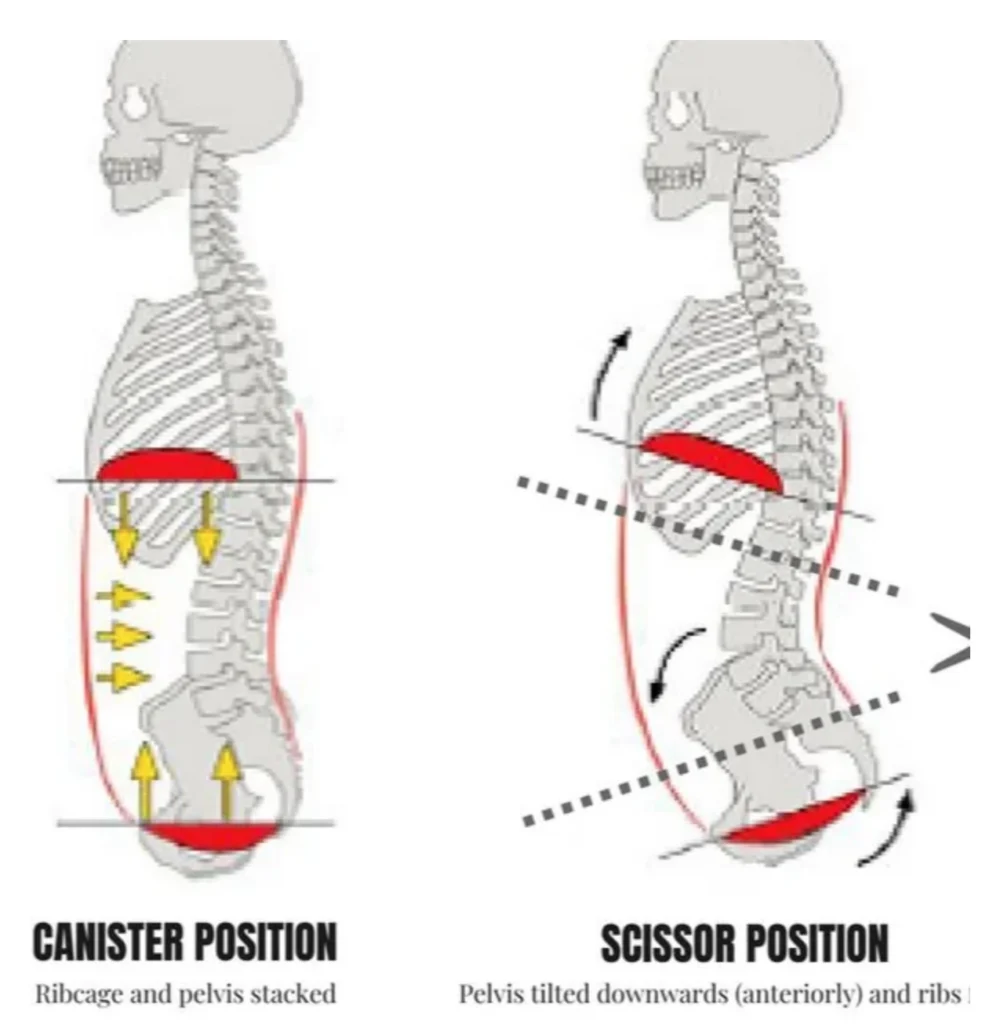
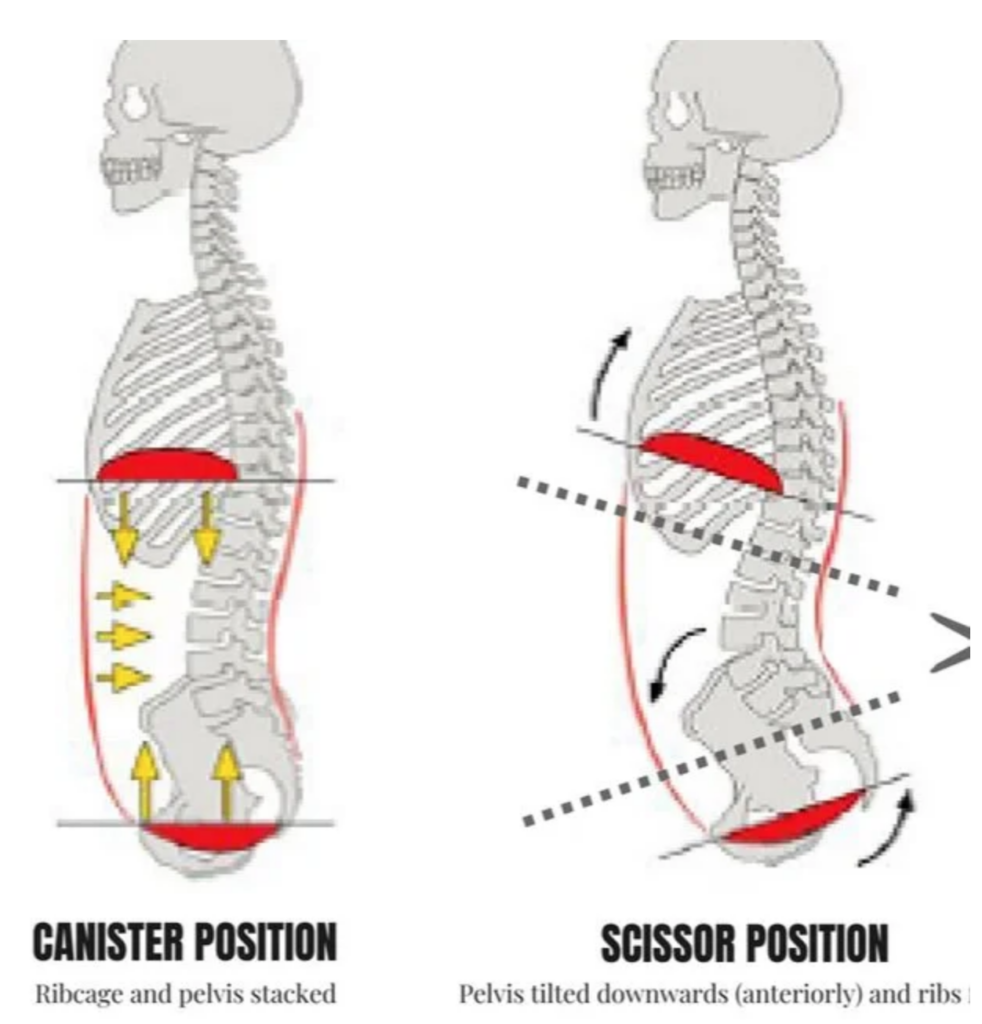
During pregnancy, the female body undergoes significant biomechanical and physiological alterations. As the fetus grows, the ribcage often flares outward to accommodate the expanding uterus, and the pelvis may shift into an anterior tilt. These changes can disrupt the optimal alignment of the diaphragm and the pelvic floor, which work in tandem to manage intra-abdominal pressure (IAP). Furthermore, the stretching of the linea alba can lead to diastasis recti, a separation of the rectus abdominis muscles, while the pelvic floor muscles endure months of increased load followed by the acute trauma of childbirth.
Clinical experts, including Dr. Sarah Duvall, a specialist in pregnancy and postpartum corrective exercise, emphasize that the recovery process is not merely about "getting back to the gym" but about retraining the nervous system and musculature to function as a cohesive unit. The primary goal is the restoration of the "canister" position, where the ribcage is stacked directly over the pelvis. This alignment allows for the most efficient management of pressure and force during both daily activities and athletic pursuits.
Chronology of Postpartum Recovery and Reintegration
The timeline for returning to physical activity is highly individual, yet it generally follows a phased approach designed to protect healing tissues while gradually introducing stress.
Phase I: The Immediate Postpartum Period (Weeks 0–6)
During this "fourth trimester," the focus remains on healing and light movement. Medical professionals generally advise against high-impact activities or heavy lifting during this window to allow for the involution of the uterus and the initial healing of any surgical incisions or perineal tears. The emphasis during this stage is on gentle diaphragmatic breathing and pelvic floor "connection" rather than "strengthening."

Phase II: Rebuilding the Foundation (Weeks 6–12)
Once cleared by a healthcare provider, the focus shifts to reconnecting the breath with the core. This is where positional breathing drills become paramount. Instead of traditional abdominal crunches, which can exacerbate pressure issues, individuals are encouraged to practice 360-degree breathing. This involves expanding the ribcage in three dimensions during inhalation and utilizing a controlled exhale to engage the deep core and lift the pelvic floor.
Phase III: Progressive Loading and Strength Training (Month 3 and Beyond)
As the foundation stabilizes, progressive overload is introduced. This stage is critical because the demands of motherhood—lifting an infant, carrying heavy car seats, and managing sleep deprivation—require significant functional strength. Strength training at this stage is not about achieving maximal lifts but about building the capacity to handle daily loads without symptomatic issues such as incontinence or pelvic organ prolapse.
The Science of the Canister and Positional Breathing
A central tenet of modern postpartum rehabilitation is the management of the "canister," the anatomical space bounded by the diaphragm at the top and the pelvic floor at the bottom. In an ideal state, these two structures move in sync: as the diaphragm descends during inhalation, the pelvic floor expands and moves slightly downward ("to the basement"); during exhalation, the diaphragm rises, and the pelvic floor naturally lifts and contracts ("to the ground floor").
Postpartum dysfunction often arises when this synergy is broken. Many individuals develop a habit of "bearing down" or holding their breath during exertion, which places excessive downward pressure on a healing pelvic floor. Training the body to maintain a "canister" position—reducing rib flare and ensuring the pelvis is not excessively tilted—is the first step in preventing long-term complications.
Data from the American Journal of Obstetrics and Gynecology indicates that pelvic floor muscle training can reduce the risk of urinary incontinence in late pregnancy and the early postpartum period by approximately 17% to 20%. However, experts argue that these results are optimized when the training is integrated into full-body movements rather than performed in isolation.
The Limitations of Isolated Kegel Exercises
While Kegels are a valuable tool for addressing pelvic floor weakness, they are frequently over-prescribed or performed incorrectly. An over-reliance on Kegels can lead to an "overactive" or hypertonic pelvic floor, where the muscles are perpetually contracted and unable to relax. A hypertonic pelvic floor can be just as dysfunctional as a weak one, leading to pelvic pain, urgency, and continued incontinence.

The integration of strength training provides a solution to this. By performing movements like squats or deadlifts with proper breathing cues, individuals teach the pelvic floor to contract and relax dynamically under load. This functional approach ensures that the muscles are not just strong in a stationary position but are capable of supporting the body during movement.
Transitioning to Functional Resistance Training
The transition from corrective breathing drills to traditional strength training is a critical juncture. Specialists recommend starting with bodyweight movements that emphasize timing. For example, in a bodyweight squat, the individual is taught to inhale on the descent—allowing the pelvic floor to expand—and exhale on the ascent, facilitating a natural contraction of the core and pelvic floor.
Once the timing of the breath is mastered, external resistance can be added. The "Goblet Squat" is often cited as an ideal introductory exercise because the front-loaded weight encourages a more upright torso and better ribcage-over-pelvis alignment. This prevents the "butt wink" or excessive arching of the back that can compromise the pelvic floor.
The goal of this training is twofold:
- Cementing Mechanics: Using load to reinforce the breathing patterns learned in earlier phases.
- Progressive Overload: Gradually increasing the capacity of the pelvic floor and core muscles to handle internal and external pressure.
Professional and Clinical Responses
The fitness and medical communities have begun to align more closely on these protocols. Organizations like the American College of Obstetricians and Gynecologists (ACOG) have updated their guidelines to emphasize that physical activity in the postpartum period is not only safe but highly beneficial for mental health and physical recovery.
Physical therapists specializing in the pelvic floor (PFPTs) have become essential collaborators for strength coaches. While a coach can manage the loading and exercise selection, a PFPT can provide internal assessments to ensure that the pelvic floor is responding correctly to the training. This multidisciplinary approach is becoming the gold standard for postpartum care in elite athletic circles and is gradually becoming more accessible to the general public.
Broader Implications and Public Health Impact
The implications of adopting a strength-based approach to postpartum recovery extend beyond individual fitness. On a public health level, addressing pelvic floor dysfunction and core instability early can prevent the need for more invasive interventions later in life. Pelvic organ prolapse and stress urinary incontinence are leading causes of surgery among aging women, and a significant portion of these cases can be traced back to unresolved postpartum issues.
Furthermore, there is a psychological component to this paradigm shift. For many years, postpartum women were given vague instructions to "be careful" or "do their Kegels," which often led to a fear of movement and a sense of disconnection from their bodies. By framing recovery as an athletic rehabilitation process, the industry empowers individuals to regain their strength and autonomy.
Analysis of Future Trends
As research continues to validate the safety and efficacy of postpartum strength training, several trends are likely to emerge:
- Integrated Care Models: A rise in "postpartum recovery centers" that house OB-GYNs, pelvic floor therapists, and specialized strength coaches under one roof.
- Wearable Technology: The development of biofeedback devices that help individuals monitor intra-abdominal pressure and pelvic floor engagement in real-time during exercise.
- Policy Changes: Increased advocacy for insurance coverage of postpartum physical therapy, recognizing it as a preventive measure for long-term health complications.
In conclusion, the recovery process after childbirth is a complex biomechanical journey that requires more than the avoidance of activity. By prioritizing positional breathing, the restoration of the "canister" alignment, and the gradual introduction of resistance training, postpartum individuals can rebuild a foundation that is not only functional but resilient. The move toward "lifting" as a form of "fixing" represents a significant advancement in women’s healthcare, ensuring that the postpartum period is treated as a transition toward strength rather than a permanent state of limitation.

