

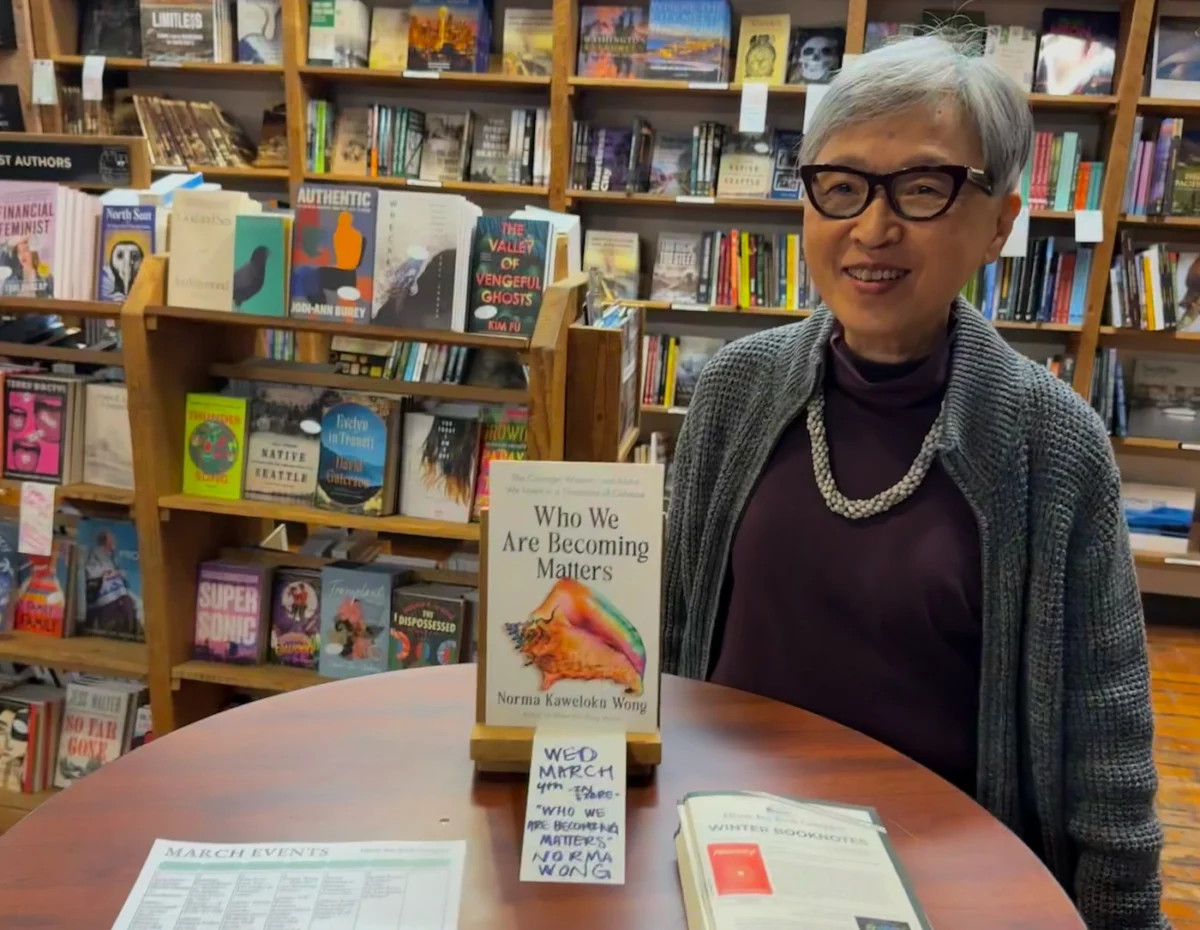
Norma Ryuko Kaweloku Wong Roshi, an esteemed figure at the intersection of Zen Buddhism, Native Hawaiian tradition, and public service, is emerging as a vital voice in contemporary discourse. In her latest book, Who We Are Becoming Matters: The Courage, Wisdom, and Aloha We Need in the Timeplace of Collapse, Wong articulates a profound message for navigating an era marked by significant global challenges. This message is further amplified through her new podcast, The Horizon Story, a platform designed to foster agency, interdependence, and indigeneity.
Wong, whose ancestry traces back to both Native Hawaiian and Hakka Chinese lineage, serves as the abbot of Anko-in, an independent branch temple of Daihonzan Chozen-ji. A former student of the late Tanouye Tenshin Rotaishi, her background is as multifaceted as her teachings. Prior to her current endeavors, Wong dedicated over three decades to electoral politics as a member of the Hawaii state legislature, a period that undoubtedly shaped her understanding of societal dynamics and the complexities of governance.
The genesis of The Horizon Story podcast, Wong explains, is rooted in a deep appreciation for oral traditions and the transmission of wisdom across generations. "Even though it is a foreign medium to me," she shares, "what I appreciate about doing the podcast… is that there’s something about it that mimics the oral tradition, which is the notion that you would be with people, and you would tell stories, and you would converse, and that that would be the way in which knowledge and wisdom would be translated across generations." The podcast, available in both audio and video formats, aims to be a conduit for reclaiming essential human qualities needed to face an uncertain future.
Conversations on Collaboration and Community
The initial episodes of The Horizon Story feature conversations with long-term collaborators, Nan Stoops and Naalehu Anthony. These dialogues offer a window into Wong’s collaborative spirit and the depth of her relationships.
Wong’s connection with Nan Stoops, forged approximately fifteen years ago, centers on a shared exploration of addressing human issues at their root cause, rather than merely reacting to their consequences. Stoops’ extensive work in combating gender-based violence has provided a fertile ground for these ongoing discussions, fostering a friendship that extends into profound collaboration.
Naalehu Anthony, whom Wong met around 2011, represents a generational bridge. As a Native Hawaiian man twenty years her junior, Wong views their collaboration as a profound gift, especially given her own path of not having had children. Anthony, a gifted communicator with a particular talent for articulating Indigenous narratives, partners with Wong in various initiatives within Hawaii. Their shared work underscores a commitment to amplifying voices and fostering understanding.
Books as Responses to a World in Flux
Wong’s literary contributions, When No Thing Works (published in 2024) and Who We Are Becoming Matters (released earlier this year), were both conceived during periods of significant national and global upheaval. She views these works not as detached observations but as intended responses to the exigencies of their respective publication times.
When No Thing Works emerged from Wong’s observation that established societal structures were increasingly failing to address contemporary challenges, coinciding with a deterioration in interpersonal relationships. While its publication fortuitously aligned with a consequential election, Wong emphasizes that the underlying issues transcended any single political event. The core problem, as she identifies it, is humanity’s persistent tendency to operate within rigid binaries, hindering the recognition of mutual wholeness and the potential for a more integrated world. This predicament, she argues, necessitates a reevaluation of humanity’s "generational job"—the collective responsibility of all people living on the planet at this moment.
The Concept of Wholeness and the Power of Art
Wong’s definition of "wholeness" extends beyond mere absence of imperfection. She posits that every being is born whole, and this inherent completeness can be eroded by self-sabotage, external circumstances, or a loss of connection—both to each other and to the universe. Cultivating and continually moving towards a more complete representation of this interconnectedness is crucial. Failure to do so can lead to a fragmentation of the self, where physical, spiritual, and intellectual aspects become disassociated, thus moving away from a state of wholeness.
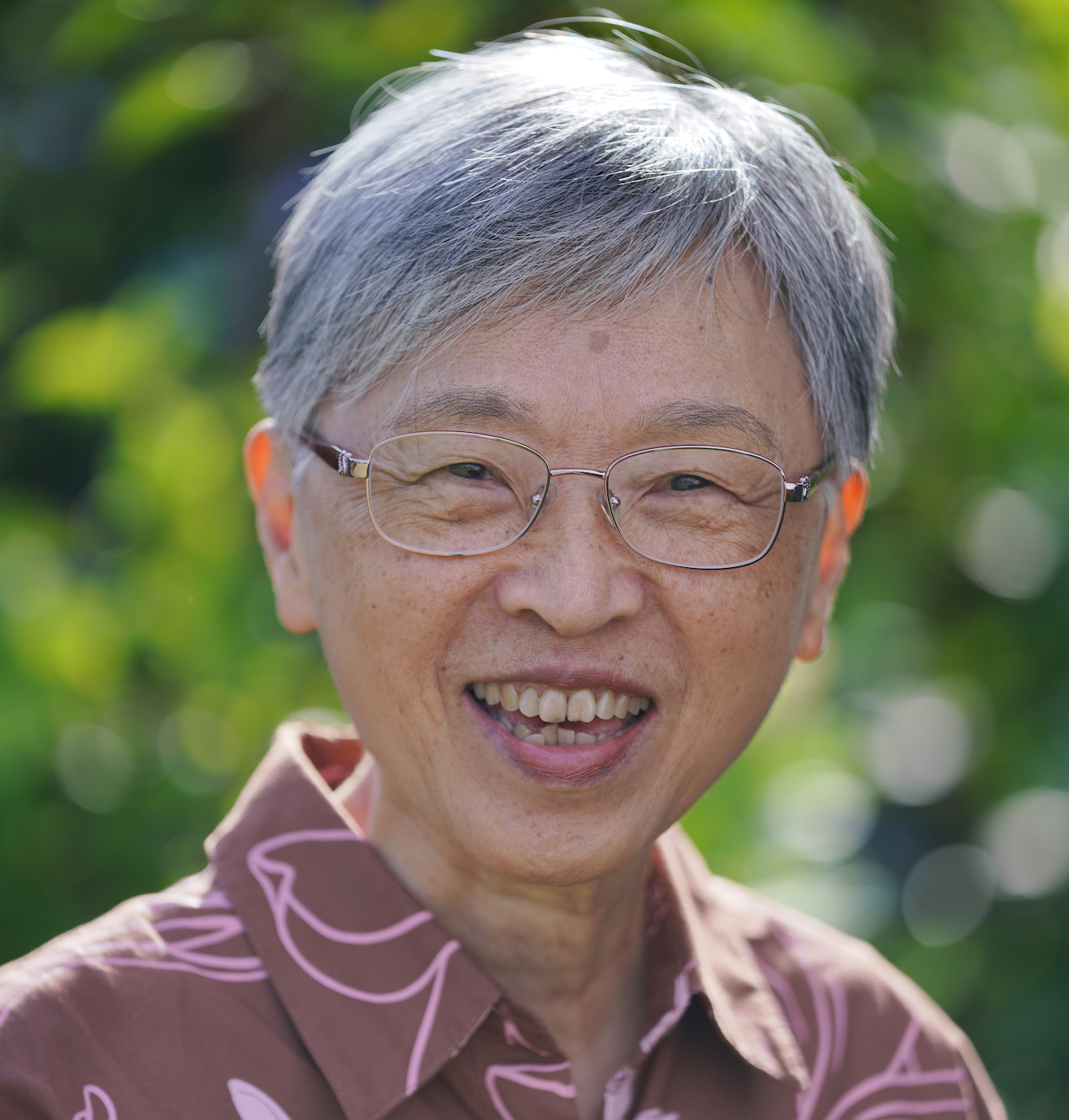
This concept of wholeness and the complexities of human experience find potent expression in Wong’s writing, which often incorporates poetry. She asserts that worldview can be more effectively conveyed through culture, poetry, and art than through analytical narratives. This perspective stems from a belief that adults often lose the innate poetic sensibility of childhood. Reclaiming this "artist’s voice" is akin to returning to a child-like mode of knowing—a "beginner’s mind" from a Buddhist perspective. This state allows for observation and wonder, not just about perfection but also about what is not working, fostering a sense of discovery that is best held within art. Wong draws a parallel to ancient China, where the integration of Buddhism with Daoism saw philosophical expression prioritized through art, as analysis, she contends, can strip away mystery, which is precisely where deeper understanding can emerge.
Intertwined Paths: Zen Buddhism and the Hawaiian Cultural Renaissance
Wong’s spiritual journey began around the same time as the vibrant Hawaiian Cultural Renaissance. She describes this period as a "happenstance" that profoundly shaped her identity. The renaissance, a broad resurgence of Native Hawaiian culture, touched upon various facets of life, including identity, music, art, ancient practices like open-ocean navigation, and language revitalization. This cultural efflorescence created a fertile ground for introspection and rediscovery.
It was within this milieu that Wong was introduced to her spiritual teacher. She found striking similarities between Zen Buddhist ways of knowing and Indigenous ways of knowing. While not yet deeply immersed in Buddhist philosophy, the Zen emphasis on cultivating internal stillness to achieve oneness with one’s surroundings resonated deeply. This practice, which involves listening to the natural world without judgment, mirrored what she intuitively understood of her Native Hawaiian ancestors’ way of life.
The ability to engage in such a practice in modernity, irrespective of political struggles surrounding indigeneity, recognition, or land rights, offered an experiential connection to her ancestral roots. This realization was transformative, leading to a renewal of spirit. Crucially, Wong experienced no need to choose between her Indigenous heritage and her chosen spiritual path, a freedom she deeply appreciated.
Illumination and the Agency of Becoming
Wong’s podcast explores the idea that an origin story illuminates who we are rather than determines our identity. She likens "illumination" to the literal experience of light. Standing in a dimly lit room versus standing in direct sunlight reveals different aspects of ourselves and alters our energy. This illumination, she explains, is both internal and external, a phenomenon of "light meeting light." When feeling low, an individual possesses the agency to seek out sources of illumination—be it literal sunlight, beauty, inspiration, music, laughter, or delicious food—to awaken something within and overcome timidity. This process of actively engaging with positive influences allows for a less constrained and more expansive understanding of oneself.
Climate Change and the Sangha of Humanity
For islanders like Wong, the effects of climate change are particularly palpable. She notes that the tangible realities of environmental shifts bring home the Buddhist concepts of change and impermanence with sharp clarity. More importantly, these realities compel a profound question: what is one’s responsibility to these changes? This responsibility extends beyond practical actions to encompass the challenge of maintaining relationships with fellow humans amidst significant global transformations.
Wong emphasizes that while individual actions are important, the greater imperative is for humanity to "arise" collectively. From a Zen Buddhist perspective, she suggests that the current moment may be precisely what generations of practice have been leading towards. She extends the concept of "sangha," typically referring to a Buddhist community, to encompass the "sangha of humanity," highlighting the need for collective action and shared responsibility in addressing existential threats.
Public Service as a Foundation for Teaching
Wong’s extensive history of public service in Hawaii has profoundly influenced her approach to community engagement as a teacher. Having entered both her spiritual path and public life concurrently, she has never viewed them as separate or conflicting. Both endeavors, she found, required a fundamental commitment to the "human cause in relationship to the universe."
This integrated perspective allowed her to think more broadly during her time in public office, fostering compassion for herself and others, and facilitating the decision-making process, even in difficult circumstances. The experience of engaging with the public through a podcast, she notes, feels akin to re-entering public life, suggesting a continued commitment to public discourse. Her overarching goal in walking this "public spiritual pathway" is to remind individuals, regardless of their station in life, of their inherent responsibility to cultivate their inner selves and how this inner cultivation relates to their broader service to humankind. She hopes to make this realization accessible and natural for others, just as it has become for her.

