

Onions, a ubiquitous staple in kitchens worldwide, are often lauded for their culinary versatility and distinct flavor. Beyond their gastronomic appeal, scientific inquiry has long sought to unravel their potential health-promoting properties. Recent years have seen a surge in research, particularly randomized controlled human trials, aiming to provide definitive answers regarding the benefits, or lack thereof, derived from incorporating onions into our diets. This extensive exploration delves into the findings of these rigorous studies, examining their implications for various aspects of human health, from antioxidant intake to bone density and metabolic regulation.
Antioxidant Powerhouse: Unveiling the Nutrient Density of Onions
At the core of many of the purported health benefits of onions lies their rich antioxidant content. Antioxidants are crucial compounds that combat oxidative stress in the body, a process implicated in cellular damage and the development of chronic diseases. Research consistently indicates that onions are a significant source of these vital nutrients, with a fascinating concentration found in their outer layers, just beneath the papery skin.
Studies have quantified this phenomenon, revealing significant disparities in antioxidant levels between the external and internal parts of the onion. For instance, white onions have demonstrated antioxidant concentrations in their outer layers that are more than ten times higher than those found in the inner core. This stark contrast underscores a common dietary practice: the discarding of these nutrient-rich outer segments, thereby forfeiting a substantial portion of the onion’s antioxidant potential.
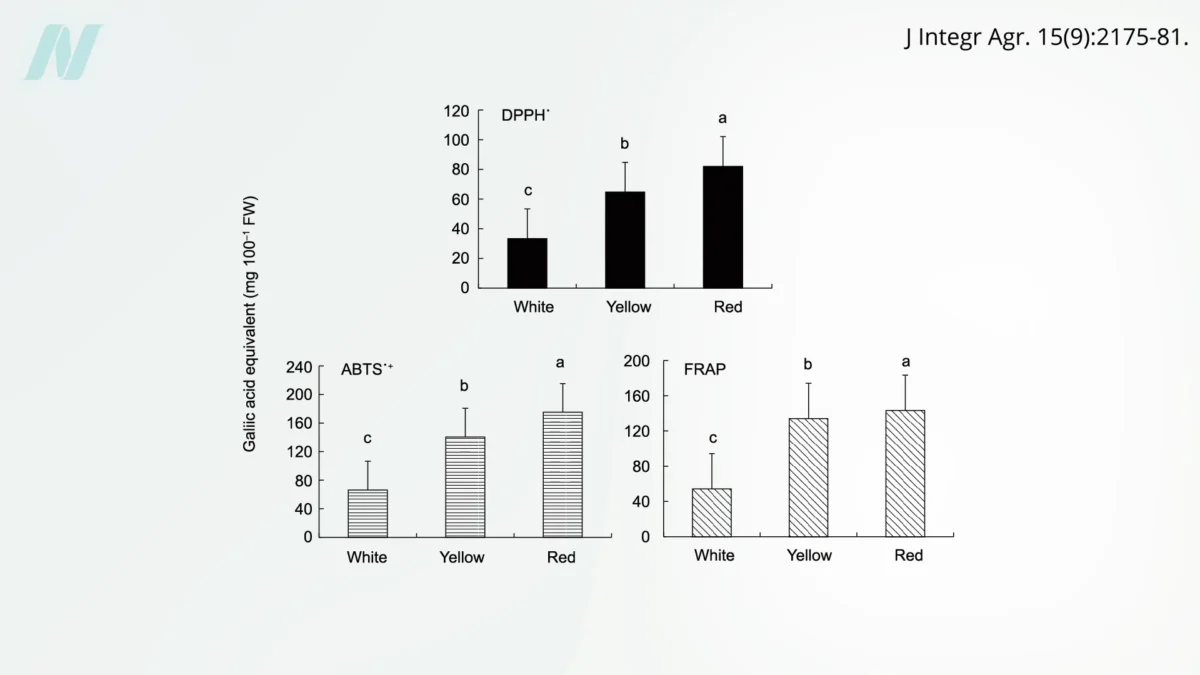
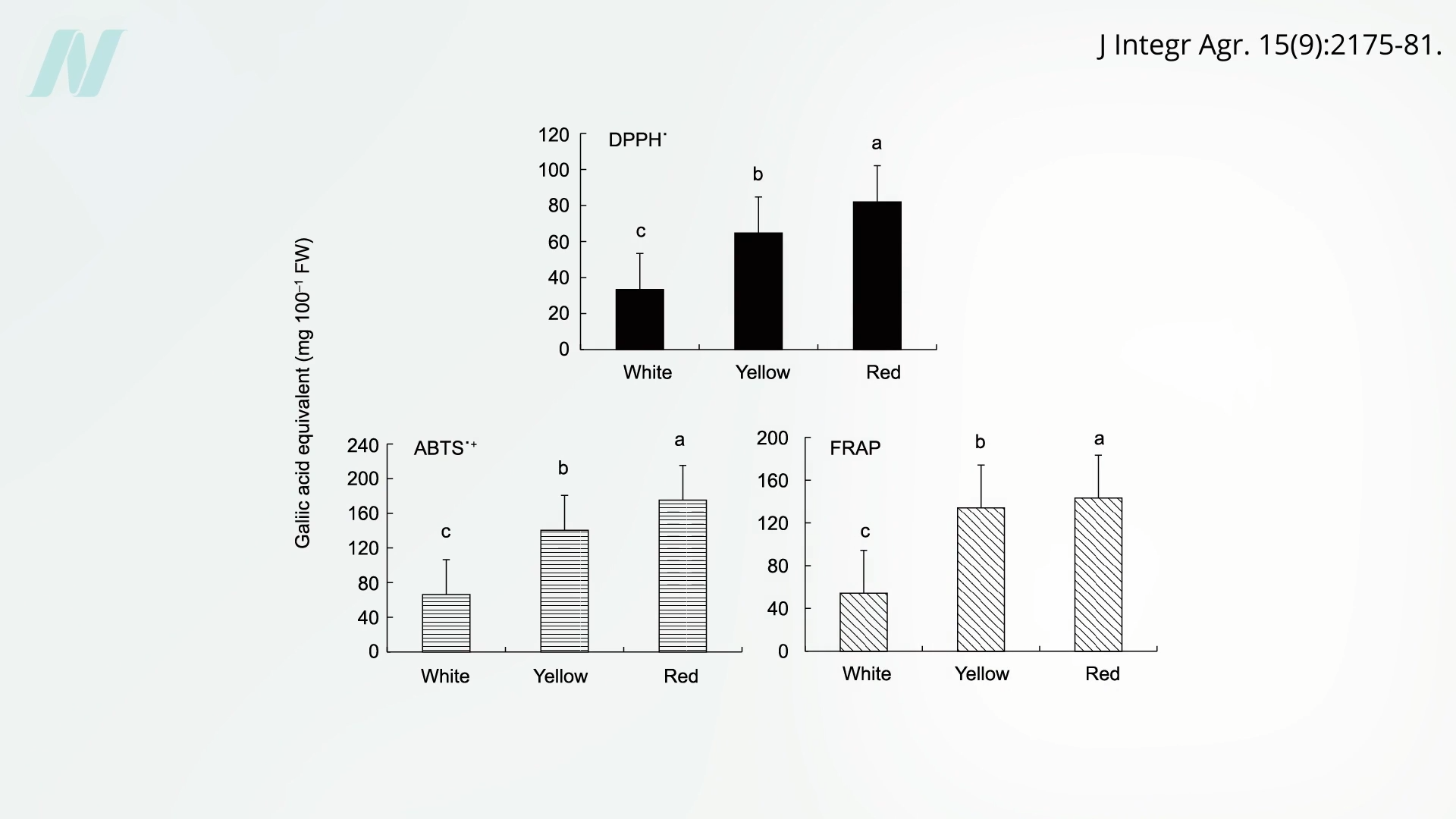
When comparing different onion varieties, a general trend emerges regarding their antioxidant capacity. Yellow onions typically exhibit higher antioxidant levels than white onions. However, red onions consistently outperform both, as evidenced by multiple antioxidant testing methodologies. This superior antioxidant activity in red onions can be attributed to their vibrant pigment, anthocyanins, which are potent antioxidants. The implications of this differential antioxidant distribution are significant for consumers seeking to maximize their nutrient intake from this humble vegetable.
Debunking Myths: Separating Science from Speculation in Onion Research
Despite the compelling evidence of onions as a source of antioxidants, the medical literature is replete with headlines that may overstate or misrepresent the scientific findings. A critical examination of these claims, grounded in the principles of randomized controlled trials, is essential to distinguish established benefits from anecdotal or preliminary observations.
One area that has garnered considerable attention is the impact of onions on testosterone levels in men. While some reviews have suggested a positive correlation, a closer inspection reveals that these assertions often stem from studies conducted on animal models, specifically examining the effects of onion juice following testicular torsion in rats. The relevance of such findings to human physiology remains tenuous, as what occurs in a rat undergoing a specific surgical procedure cannot be directly extrapolated to the hormonal balance of human males.

Crucially, human trials designed to investigate this claim have yielded different results. A notable randomized, double-blind, placebo-controlled study, which directly assessed the effects of onion extracts on aging males, found no significant impact on testosterone levels. This highlights a critical distinction: while animal studies can offer preliminary insights, only well-designed human trials can provide reliable evidence for the efficacy of dietary interventions in humans. The findings from such trials underscore the importance of rigorous scientific methodology in validating health claims associated with food products.
Fortifying Bones: The Promise of Onions for Bone Health
The intricate relationship between diet and bone health has long been a subject of intense research. In the context of onions, studies have explored their potential to contribute to improved bone density and a reduced risk of fractures, particularly in aging populations.
Observational data has provided intriguing clues. One study indicated that older women who consumed onions at least once daily exhibited a 5% greater overall bone density compared to those who ate onions less than once a month. While a 5% increase might seem modest, in the context of bone health, it translates to a potentially significant reduction in hip fracture risk, estimated to be over 20%, assuming a direct cause-and-effect relationship. This observation, while correlational, prompted further investigation into the direct impact of onion consumption on bone metabolism.
However, the path to establishing causality has been marked by a reliance on animal models, which, while informative, necessitate careful interpretation. A study demonstrating that daily onion administration for four weeks significantly boosted bone density in rats, for example, while positive in its findings, still pertains to rodent physiology. The extrapolation of these results to human bone health requires direct clinical validation.
Recognizing the limitations of animal studies and the need for natural remedies for osteoporosis, given the potential adverse effects of pharmacological treatments, researchers have turned to human trials. One such randomized controlled study involved participants consuming either onion juice or a placebo onion juice for eight weeks. The study observed an improvement in a specific marker of bone health. Nevertheless, a critical limitation of this particular trial was the insufficient follow-up period to definitively compare osteoporosis rates, underscoring the ongoing need for longitudinal studies to confirm these early positive indicators.
Allergies and Beyond: Examining Specific Health Outcomes
The broad spectrum of potential health benefits attributed to onions extends to various conditions, including allergies. Research has investigated whether shallots, a close relative of the onion, possess anti-allergic properties or can alleviate symptoms associated with allergic rhinitis.
A randomized trial involving 16 participants explored the efficacy of shallot supplementation. Patients were divided into two groups: one receiving a standard antihistamine, and the other receiving antihistamines alongside capsules containing dried shallot powder. After four weeks, the group that received shallots appeared to show some improvement. However, the study concluded that there was no statistically significant difference in the overall symptom severity between the two groups, leading to a categorization of this particular research avenue as an "#onionfail" in the absence of conclusive positive results.
Navigating Chemotherapy: Onions and Their Role in Cancer Treatment Support
The complex interplay between diet and cancer treatment has also been a focus of onion research. Specifically, studies have explored the potential of fresh yellow onions to mitigate the toxic side effects of doxorubicin, a potent chemotherapy drug used in the treatment of breast cancer.
Research has investigated whether consuming fresh yellow onions could reduce the damage to the liver and heart caused by doxorubicin. Unfortunately, the findings in this regard were not significant, indicating no discernible benefit in protecting these vital organs from the drug’s toxicity.
However, the same research uncovered a more promising role for onions in managing metabolic complications associated with doxorubicin-based chemotherapy. It was found that eating fresh yellow onion could help reduce elevated blood sugar levels and insulin resistance in breast cancer patients undergoing this treatment. Doxorubicin is known not only for its direct organ toxicity but also for its potential to induce insulin resistance, a condition that can have long-term health implications.
In response to these findings, researchers conducted a randomized, triple-blind, controlled clinical trial to further elucidate the impact of onion consumption on blood sugar and insulin resistance. Patients were allocated to consume either a whole onion per day or one-third of an onion per day for eight weeks. The results demonstrated a significant decrease in blood sugar and insulin resistance in the group that consumed the higher dose of onions. Conversely, while levels in the lower-dose group showed some increase, the higher-dose group experienced a notable reduction. These findings suggest a dose-dependent beneficial effect of onions in managing hyperglycemia and insulin resistance, particularly in the context of chemotherapy.
A Culinary Ally: Embracing Onions for a Healthier Lifestyle
The cumulative evidence from randomized controlled human trials, while revealing complexities and occasional disappointments, paints a picture of onions as a valuable component of a health-conscious diet. Their potent antioxidant profile, particularly concentrated in their outer layers, offers a foundational benefit that contributes to overall well-being.
While claims regarding testosterone enhancement have largely been unsubstantiated by human trials, the potential for onions to positively influence bone health, though requiring further robust longitudinal studies, remains an area of significant interest. The findings related to managing blood sugar and insulin resistance in the context of chemotherapy are particularly compelling, offering a natural and accessible dietary intervention for patients facing challenging treatment regimens.
The message from the scientific community, therefore, is one of cautious optimism and informed consumption. While not a panacea for all ailments, onions, when incorporated thoughtfully into one’s diet, can contribute to a healthier lifestyle. The minor inconveniences of potential onion breath and body odor are a small price to pay for the multifaceted health benefits that rigorous scientific inquiry continues to uncover. As research progresses, a deeper understanding of the mechanisms and optimal consumption patterns will further solidify the role of onions as a potent, affordable, and delicious ally in promoting human health.

