

The burgeoning field of precision medicine, hailed as a revolutionary approach to healthcare tailored to individual genetic makeup, is facing increasing scrutiny. Emerging evidence suggests that the promises of personalized genetic risk testing may be significantly overblown, potentially serving commercial interests more than genuine patient well-being. Direct-to-consumer (DTC) genetic testing, once a niche offering, has become widely accessible, with full genome sequencing costing around a thousand dollars and partial tests available for a fraction of that. Companies like 23andMe market these services for a range of purposes, from ancestry and health to relationships, promising insights that are now "just a click away." However, a growing body of research indicates that many of these tests lack proper validation, leading to results that are not only useless but potentially harmful, including inaccurate risk assessments and a cascade of unnecessary anxiety and medical interventions.
The Perils of Unvalidated Genetic Testing
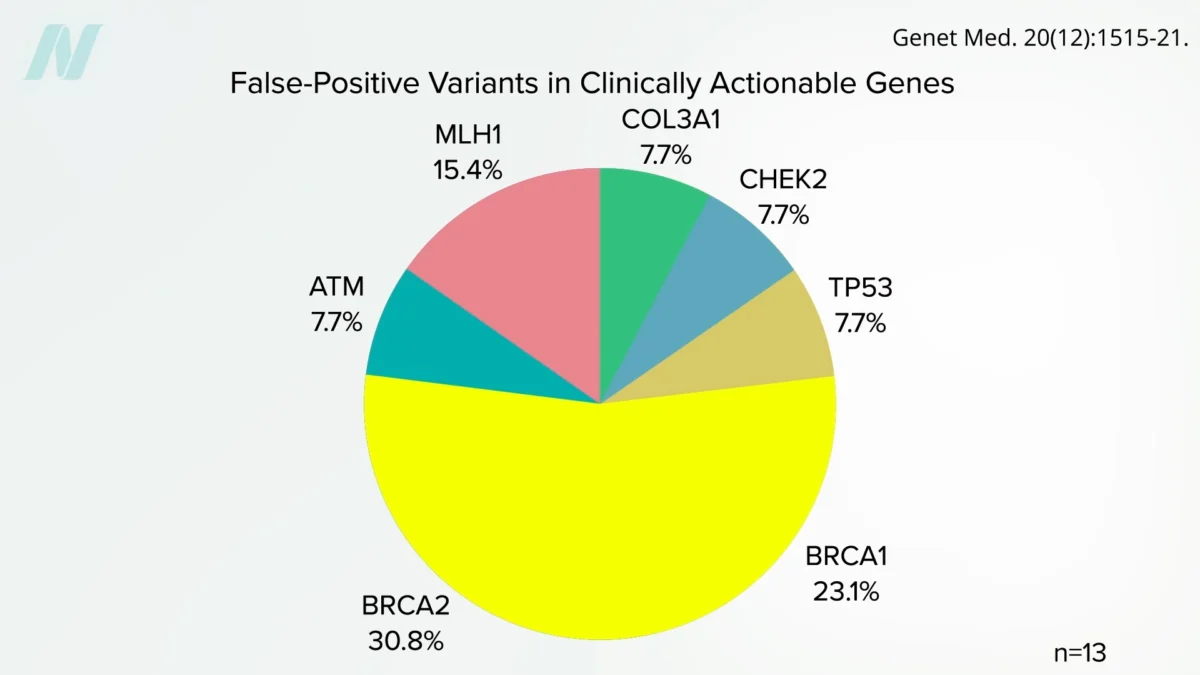
The allure of understanding one’s genetic predispositions is undeniable, driving a significant public demand for DTC genetic tests. Yet, when subjected to rigorous scientific evaluation, these tests reveal an "alarmingly high false-positive rate." Studies have found that as many as 40% of individuals are incorrectly informed that they carry high-risk genes, a significant concern given the potential for these results to trigger profound emotional distress and lead to drastic medical decisions.
A prominent example is the BRCA gene mutation, famously discussed by Angelina Jolie when she underwent a preventive double mastectomy. While awareness of BRCA mutations is crucial for some individuals, a substantial portion of DTC tests have been found to misidentify risk. This means individuals might be led to believe they are at high risk for certain cancers when they are not, or conversely, given a false sense of security. The financial incentive for companies to present alarming "outlier" results is evident; such findings can justify the cost of the initial test and encourage further, often unnecessary, diagnostic procedures and testing. The psychological toll of false-positive results—unnecessary stress, anxiety, and the contemplation of invasive medical procedures—cannot be overstated. The hypothetical scenario of undergoing a preventive double mastectomy based on an erroneous BRCA mutation diagnosis highlights the critical need for accuracy and robust validation in genetic testing.
Genome-Wide Association Studies: Limited Predictive Power
While genome-wide association studies (GWAS) have successfully identified thousands of common genetic variants associated with complex diseases, their practical utility in predicting individual risk remains limited. These studies, which map genetic variations to disease susceptibilities, have provided valuable insights into the genetic architecture of conditions like type 2 diabetes. However, researchers consistently find that the predictive power of these identified gene variants, even when considered collectively, does not significantly surpass that of traditional risk factors.
For instance, in the case of type 2 diabetes, approximately 50 genes have been linked to an increased risk. Despite this genetic knowledge, studies have shown that an obese individual with the lowest genetic predisposition to diabetes is still nearly five times more likely to develop the disease than a normal-weight individual with the highest genetic risk. This stark contrast underscores a critical point: genetic susceptibility alone is a poor predictor of disease onset when lifestyle factors are not considered. For obese individuals, this genetic information could paradoxically offer a false sense of security, diverting attention from the essential need for weight management and lifestyle changes. Consequently, current genetic insights into type 2 diabetes risk have "no implications for decisions about who should be targeted for intensive lifestyle interventions." The consensus among health professionals is that managing excessive body fat remains paramount for diabetes prevention, irrespective of an individual’s genetic profile.
The Myth of Personalized Nutrition Based on Genetics
The concept of personalized nutrition, where dietary recommendations are tailored to an individual’s unique genetic makeup, has gained considerable traction. However, scientific evidence supporting its efficacy over universal dietary advice is surprisingly scarce. A notable study that purported to demonstrate the superiority of personalized dietary interventions in improving blood sugar responses has been critically examined. Upon closer inspection, the study’s results did not conclusively show significant interpersonal variation in blood sugar responses that would validate a genetically personalized model. Furthermore, the model’s superiority to existing methods for detecting high blood sugar levels was not demonstrated, nor was it proven that personalized nutritional advice is inherently better than standard dietary guidance for managing post-meal blood sugar fluctuations.
Genetic Risk Counseling: A Faltering Motivator for Prevention
The idea that personalized genetic risk counseling can effectively motivate individuals to engage in disease prevention, particularly for conditions like diabetes, has also been met with skepticism from the scientific community. While proponents suggest that knowledge of one’s genetic risk profile can spur greater commitment to preventative efforts, available evidence largely fails to support this claim. Studies designed to assess the impact of genetic risk information on behavior change have yielded disappointing results.
One significant research effort involved randomizing individuals to receive genetic testing results that profiled their subtle differences in risk for up to 40 diseases, with companies like Navigenics aiming to "empower people with personal genetic insights to help motivate them to improve their health." However, these interventions did not translate into measurable changes in diet or lifestyle, even in the short term. Similarly, attempts to leverage personalized nutrition insights, such as identifying individuals who might genetically benefit from increased consumption of greens or specific dietary changes for cholesterol reduction, have not led to significant improvements in dietary habits or health biomarkers compared to control groups. The lack of discernible changes in weight, belly fat, cholesterol, or other key biomarkers after receiving personalized genetic information further undermines its purported motivational power.
The Broader Implications: Vested Interests and a Flawed System
When synthesizing the findings from numerous studies, a consistent pattern emerges: simply informing individuals about their DNA-based risk estimates, whether for lung cancer, dietary needs, or physical activity levels, does not reliably alter behavior. This conclusion directly contradicts the stated rationale behind major policy pushes, such as the 2015 presidential initiative for precision medicine, which aimed to empower individuals to take a more proactive role in their health management.
The emphasis on "personal empowerment" within precision medicine, while appealing from a marketing perspective, may be more about generating political and public support for a complex and increasingly industrialized medical-scientific complex. This system, which involves trillions of dollars globally, may be less concerned with fundamental health improvements and more with perpetuating its own economic momentum.

This is not a conspiracy theory, but rather an observation of how the current healthcare system operates. Healthy living practices, such as reducing sugar or meat consumption, directly threaten the profitability of powerful corporations within the pharmaceutical and healthcare industries. A healthier population inherently reduces the demand for doctors, medications, and expensive medical interventions. Despite this reality, the United States continues to allocate the vast majority of its health expenditures to clinical care—essentially, "cleaning up" the consequences of lifestyle-induced illnesses—rather than investing in preventative measures. This approach has led to the nation outspending other developed countries on healthcare while simultaneously experiencing poorer health outcomes and lower life expectancy.
The promises of "overrated precision medicine" appear to be serving established vested interests, justifying exorbitant healthcare expenditures within a finance-driven medical system. While the U.S. boasts advanced medical technology, this "whiz-bang technology" often fails to address the root causes of our collective health issues. As experts increasingly emphasize, a return to fundamental health practices—such as adopting a sensible diet and engaging in regular physical activity—is the most effective and sensible approach to well-being, regardless of an individual’s perceived genetic predispositions. Focusing on basic healthy habits, rather than the often unproven promises of personalized genetic insights, remains the most robust strategy for improving population health.
A Look Back: The Evolution of Precision Medicine Hype
The concept of precision medicine gained significant momentum in the early 2010s, fueled by advancements in genomic sequencing technology and a growing understanding of genetic variation. In 2015, President Barack Obama announced the Precision Medicine Initiative, a landmark program designed to accelerate research and bring personalized approaches to healthcare. The initiative aimed to collect vast amounts of health data, including genetic information, from a diverse cohort of Americans to enable a deeper understanding of disease and the development of tailored treatments.
This push for precision medicine was built on the promise of moving away from a one-size-fits-all approach to healthcare, recognizing that individual variability in genes, environment, and lifestyle significantly impacts health and disease. The initial vision was to equip patients and clinicians with more precise information for prevention, diagnosis, and treatment. However, the subsequent years have seen a growing divergence between the ambitious goals and the tangible, evidence-based outcomes, particularly concerning the direct-to-consumer market.
The Unfulfilled Promise of Personalization
The core appeal of precision medicine lies in its potential to personalize healthcare. This personalization is envisioned to manifest in several ways:
- Tailored Treatments: Developing drugs and therapies that are most effective for individuals based on their genetic makeup, minimizing side effects and maximizing efficacy.
- Predictive Risk Assessment: Identifying individuals at higher risk for certain diseases based on their genetic profile, allowing for early intervention and preventive strategies.
- Personalized Prevention: Guiding lifestyle choices, including diet and exercise, to mitigate individual health risks.
While progress has been made in specific areas, such as certain cancer treatments where genetic mutations are directly targeted, the broader application of genetic information for risk prediction and lifestyle guidance has proven more challenging. The complexity of gene-environment interactions, the multifactorial nature of most common diseases, and the limitations of current genetic testing technologies have all contributed to the gap between the promise and the reality.
The Financial Landscape of Precision Medicine
The precision medicine landscape is a multi-billion dollar industry, encompassing genetic testing companies, pharmaceutical firms developing targeted therapies, and diagnostic laboratories. This vast financial ecosystem inherently creates incentives for the continued promotion and expansion of precision medicine services. The significant investment in research and development, coupled with the potential for highly profitable targeted treatments, drives the industry forward.
However, critics argue that the focus on high-tech genetic solutions may divert resources and attention from proven, cost-effective public health interventions and lifestyle-based prevention strategies. The emphasis on genetic markers, while scientifically interesting, can overshadow the profound impact of socioeconomic factors, environmental exposures, and basic healthy living on population health outcomes. The system, as it stands, may be incentivized to invest in complex, individualized solutions rather than broad-based public health initiatives that could yield greater overall health benefits at a lower cost.
Looking Forward: A Call for Evidence-Based Healthcare
The ongoing debate surrounding precision medicine highlights the critical need for robust scientific validation and evidence-based decision-making in healthcare. While the potential of genetic information to transform medicine is undeniable, its application must be guided by rigorous research, clear regulatory oversight, and a commitment to patient well-being over commercial interests.
As consumers increasingly engage with DTC genetic testing, understanding the limitations and potential inaccuracies of these services is paramount. Consulting with qualified healthcare professionals and genetic counselors who can interpret results within a broader clinical context is essential. Ultimately, the pursuit of better health outcomes requires a balanced approach that integrates scientific advancements with the fundamental principles of healthy living and evidence-based preventative care. The allure of cutting-edge technology should not overshadow the proven effectiveness of basic, accessible health strategies.

