

Spinach has long been lauded as a nutritional champion, particularly for its iron content. The vibrant green leafy vegetable, popularized by cartoon characters like Popeye, has ingrained itself in the public consciousness as a go-to source for this essential mineral. However, a closer examination of its nutritional profile reveals a more nuanced reality: while spinach does contain iron, its absorption by the human body is significantly less efficient than commonly perceived, primarily due to the type of iron it offers and the presence of naturally occurring compounds that impede its uptake.
Understanding Iron in Our Diet
Iron is a vital mineral crucial for numerous bodily functions, most notably its role in transporting oxygen throughout the body via hemoglobin in red blood cells. Iron deficiency, or anemia, can lead to fatigue, weakness, impaired cognitive function, and a compromised immune system. The recommended daily intake of iron varies by age, sex, and physiological status, with adult women generally requiring more (around 18 mg/day) than adult men (around 8 mg/day) due to menstrual blood loss.
Dietary iron exists in two primary forms: heme iron and non-heme iron. Heme iron, found abundantly in animal-based foods such as red meat, poultry, and fish, is readily absorbed by the body. Absorption rates for heme iron can be as high as 25%. In contrast, non-heme iron, present in plant-based foods like spinach, grains, and legumes, is absorbed far less efficiently, with absorption rates typically ranging from 2% to 10%. This fundamental difference in bioavailability is a key factor in understanding spinach’s iron contribution.
A cup of cooked spinach, for instance, provides approximately 6 milligrams of iron, while a cup of raw spinach contains closer to 1 milligram. While these figures may seem substantial at first glance, the fact that this is non-heme iron significantly diminishes its practical impact on an individual’s iron status. The body’s ability to extract and utilize this form of iron is considerably lower.
The Role of Oxalates in Iron Absorption
Beyond the inherent bioavailability of non-heme iron, spinach contains another significant factor that can hinder iron absorption: oxalates. Oxalates, or oxalic acid, are naturally occurring compounds found in many plants, including spinach, rhubarb, and beet greens. These compounds have the ability to bind with minerals, including iron, in the digestive tract. When oxalates bind to iron, they form insoluble complexes that are then more difficult for the body to absorb and utilize.
The high oxalate content in spinach can therefore create a double challenge for iron uptake. Not only is the iron present in a less absorbable form (non-heme), but the oxalates further interfere with the absorption process. While some research suggests that the impact of oxalate-rich foods on iron absorption might be less pronounced than previously thought, particularly in the context of a varied diet, it remains a contributing factor to consider. The consensus among nutrition experts is that minimizing potential absorption inhibitors while maximizing enhancers is a prudent approach to optimizing nutrient intake.
Strategies to Enhance Iron Absorption from Spinach

Despite these challenges, it is important to emphasize that spinach remains a highly nutritious food, rich in fiber, folate, vitamin K, antioxidants, and other beneficial phytonutrients. The goal is not to eliminate spinach from the diet but rather to consume it in a way that maximizes its nutritional benefits, including its iron contribution.
One of the most effective strategies to enhance the absorption of non-heme iron from spinach and other plant-based sources is to pair them with foods rich in vitamin C. Vitamin C, or ascorbic acid, has been scientifically proven to significantly improve the absorption of non-heme iron. It achieves this by converting ferric iron (Fe3+), the oxidized form that binds to oxalates, into ferrous iron (Fe2+), a form that is more soluble and readily absorbed by the intestinal cells.
Incorporating vitamin C-rich foods into meals featuring spinach can therefore make a tangible difference. Examples of such pairings include:
- Salads: Adding bell peppers (especially red bell peppers, which are exceptionally high in vitamin C), strawberries, citrus fruits, or even a squeeze of lemon or lime juice to a spinach salad.
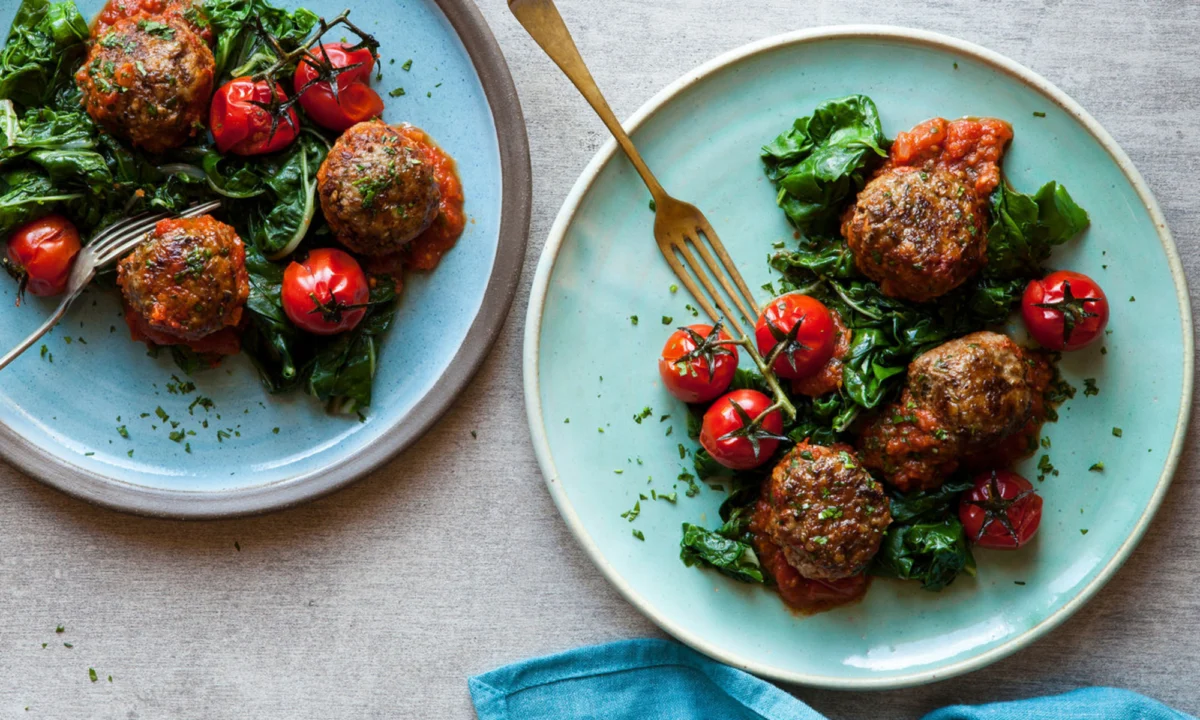
- Cooked Spinach: Serving cooked spinach alongside tomatoes, or squeezing fresh lemon juice over it after cooking.
- Smoothies: Blending spinach with fruits like oranges, kiwis, or berries.
Beyond vitamin C, other factors can influence iron absorption. Acidity in the diet generally promotes iron absorption, which is why vitamin C-rich foods are so beneficial. Conversely, certain compounds found in tea and coffee, known as polyphenols, can inhibit iron absorption. It is generally recommended to consume these beverages between meals rather than with iron-rich meals.
The Impact of Cooking Methods
The way spinach is prepared can also play a role in its nutrient content and the bioavailability of its minerals. Cooking can, to some extent, reduce the oxalate content of spinach. When spinach is boiled, a portion of the soluble oxalates can leach out into the cooking water. Therefore, if the cooking water is discarded, the oxalate content of the spinach consumed will be lower. This method of preparation can be particularly beneficial for individuals concerned about oxalate intake or those aiming to maximize iron absorption. However, it’s important to note that cooking does not eliminate all oxalates, and the nutritional value of boiled vegetables can also be affected by nutrient loss into the water.
Steaming and sautéing spinach, while preserving more of its water-soluble vitamins, may result in less oxalate reduction compared to boiling. Nevertheless, these cooking methods still offer a nutritious way to prepare spinach, and when combined with vitamin C-rich accompaniments, the overall benefit to iron intake can still be substantial.
Beyond Spinach: A Holistic Approach to Iron Intake
While understanding the limitations of spinach as an iron source is important, it should not overshadow the value of a diverse and balanced diet. For individuals actively seeking to increase their iron intake, relying solely on spinach is not the most effective strategy. A comprehensive approach that includes a variety of iron-rich foods is essential.
Rich Sources of Heme Iron:

- Red Meat: Beef, lamb, and venison are among the most potent sources of heme iron.
- Poultry: Chicken and turkey, particularly dark meat, provide good amounts of heme iron.
- Fish and Seafood: Oysters, clams, mussels, sardines, and tuna are excellent heme iron sources.
Beneficial Non-Heme Iron Sources:
- Legumes: Lentils, beans (kidney, black, chickpeas), and peas are packed with non-heme iron.
- Tofu and Tempeh: Soy-based products offer a good plant-based iron option.
- Fortified Cereals and Breads: Many breakfast cereals and bread products are fortified with iron.
- Nuts and Seeds: Pumpkin seeds, sesame seeds, and cashews are good contributors.
- Dark Chocolate: In moderation, dark chocolate can provide a surprising amount of iron.
- Dried Fruits: Raisins, apricots, and prunes offer concentrated sources of non-heme iron.
By incorporating a mix of these heme and non-heme iron sources into daily meals, individuals can build a robust dietary strategy for meeting their iron requirements. The synergy of consuming vitamin C with plant-based iron sources further amplifies the body’s ability to absorb this critical mineral.
The Role of Iron Supplements
For individuals diagnosed with iron deficiency or anemia, iron supplements often become a necessary component of treatment. Low iron levels are particularly prevalent among women due to physiological factors such as monthly menstruation, which leads to consistent blood loss. Additionally, strenuous physical activity, restrictive diets, and inadequate intake of heme iron sources can contribute to iron depletion.
The decision to take iron supplements, and the appropriate dosage, should always be made in consultation with a healthcare professional. A ferritin blood test is the most accurate way to assess iron stores and diagnose deficiency. High-dose iron supplements, while effective, can sometimes cause gastrointestinal side effects like constipation, nausea, or stomach upset. Choosing supplements formulated with chelated iron, such as iron bisglycinate, is often recommended as these forms are generally more gentle on the stomach and better absorbed.
Multivitamins that include iron can also be a convenient way to support daily iron intake. For instance, a comprehensive multivitamin might provide around 9 milligrams of chelated iron, alongside vitamin C to aid absorption and a broad spectrum of other essential vitamins, minerals, and antioxidants. Such products can serve as a foundational supplement for overall nutritional support.
Conclusion: A Nuanced Perspective on Spinach and Iron
In summary, while spinach is a nutritional powerhouse packed with vitamins, minerals, and beneficial plant compounds, its reputation as a primary iron source requires clarification. The iron it contains is primarily non-heme, which the body absorbs less efficiently than heme iron found in animal products. Furthermore, the presence of oxalates in spinach can further impede iron absorption.
To optimize iron intake from spinach and other plant-based foods, it is crucial to pair them with vitamin C-rich ingredients. Cooking methods like boiling, with water disposal, can also help reduce oxalate content. However, for individuals seeking to significantly increase their iron levels, a varied diet encompassing both heme and non-heme iron sources, alongside medical guidance for supplementation when necessary, remains the most effective approach. Spinach, therefore, should be viewed as a valuable contributor to a healthy, balanced diet, rather than the sole or primary solution for iron sufficiency.

