

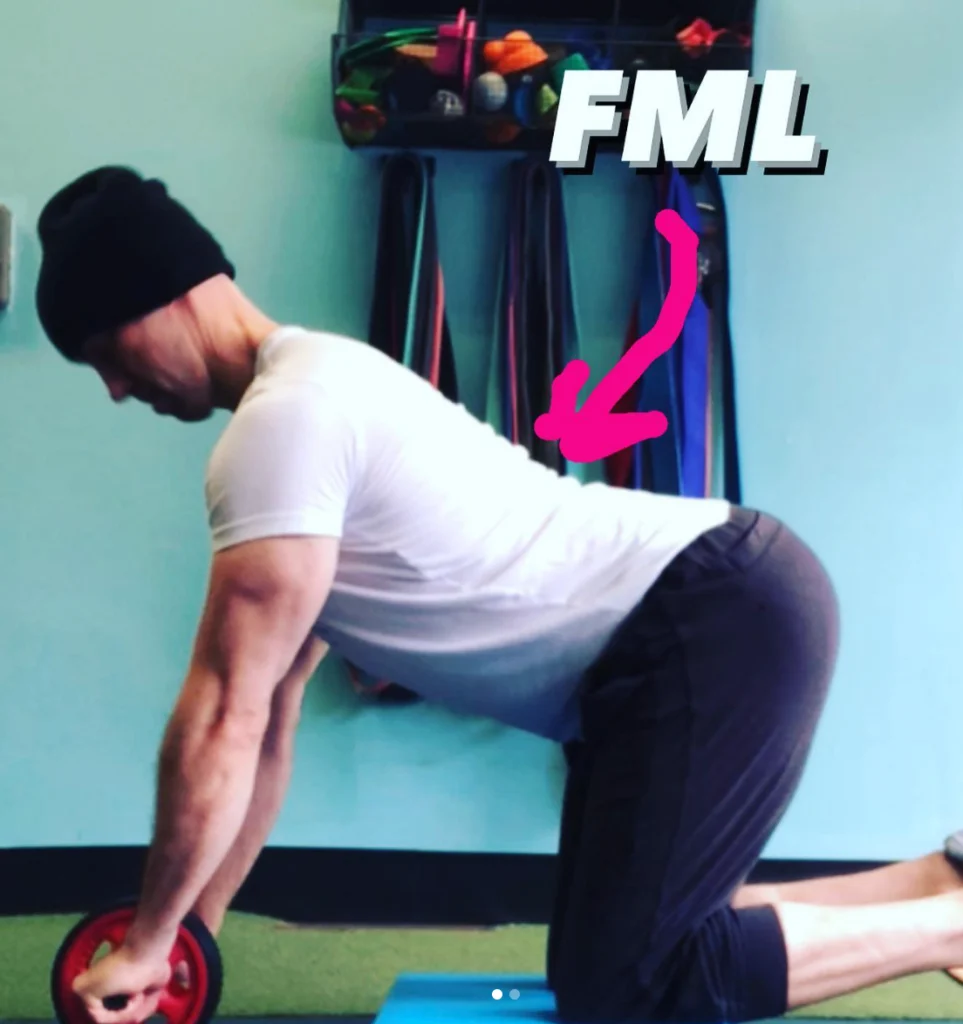
The ab wheel rollout has long been recognized by strength and conditioning professionals as a cornerstone exercise for developing anterior core strength, specifically targeting the body’s ability to resist spinal extension. While the exercise is a staple in high-performance athletic programs and commercial gyms alike, its execution is frequently compromised by poor biomechanics, leading to diminished results and an increased risk of lumbar spine injury. Recent insights from industry experts, including renowned strength coach Tony Gentilcore and Mike Volkmar, have highlighted the necessity of technical precision and the implementation of specific variations to accommodate different fitness levels. By shifting the focus from mere repetition to the quality of spinal alignment, practitioners can transform the ab wheel rollout from a potentially hazardous movement into a highly effective tool for long-term spinal health and athletic performance.
The Biomechanics of Anti-Extension Training
At its fundamental level, the ab wheel rollout is classified as an anti-extension exercise. Unlike traditional abdominal movements such as crunches or sit-ups, which prioritize spinal flexion, the rollout requires the core musculature to maintain a stable, neutral spine against the force of gravity and the lengthening lever arm of the body. The primary muscles involved include the rectus abdominis, the internal and external obliques, and the transverse abdominis, all of which must work isometrically to prevent the pelvis from tilting anteriorly.
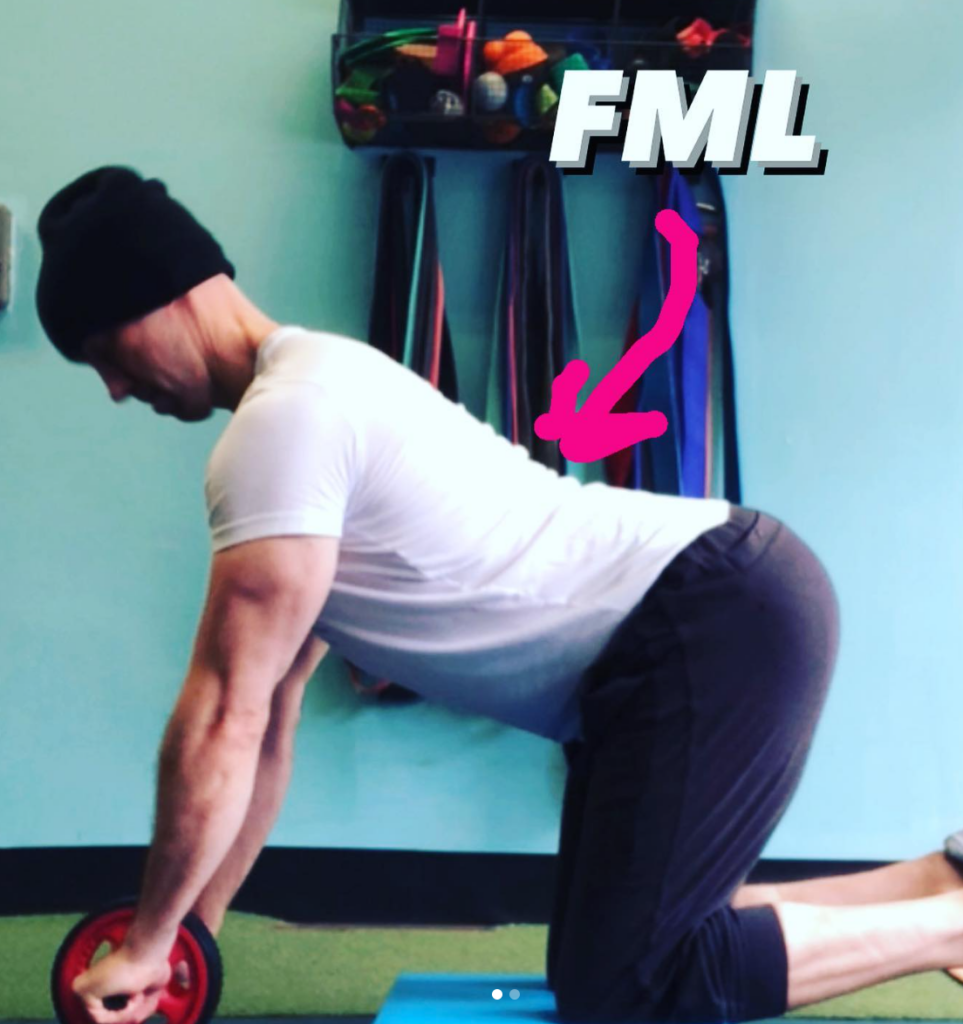
A common failure point in the standard rollout is the "aggressive arch" of the lower back. When an individual lacks the requisite core strength to stabilize the spine as they extend their arms forward, the lumbar spine often lapses into hyperextension. This position not only places the abdominal muscles in a disadvantaged, overstretched state—effectively neutralizing the exercise’s benefits—but also creates significant shear stress on the intervertebral discs and facet joints of the lower back. To mitigate this, experts suggest a "posterior pelvic tilt" setup, often cued as "bringing the belt buckle toward the chin." This slight flexion of the lower back serves as a protective buffer, ensuring that as the individual reaches the end-range of the movement, the spine settles into a neutral position rather than an injurious arch.
A Chronology of Core Training Evolution
The rise of the ab wheel rollout mirrors a broader shift in the fitness industry that began in the late 1990s and early 2000s. For decades, abdominal training was dominated by high-volume flexion exercises, largely influenced by bodybuilding aesthetics. However, as the field of sports science evolved, researchers such as Dr. Stuart McGill began publishing data suggesting that excessive spinal flexion could contribute to disc herniation and that the true function of the core was to stabilize the spine during movement.
By 2010, the "functional training" movement had fully embraced anti-extension and anti-rotation exercises. The ab wheel, a simple tool consisting of a wheel and an axle, saw a resurgence in popularity because it offered a higher level of difficulty and mechanical tension than the standard plank. However, the high entry barrier of the rollout led to a high rate of technical failure, prompting modern coaches to develop regressions and progressions that allow for a scalable approach to core stability.
Regression Strategies: The Incline Rollout for Beginners
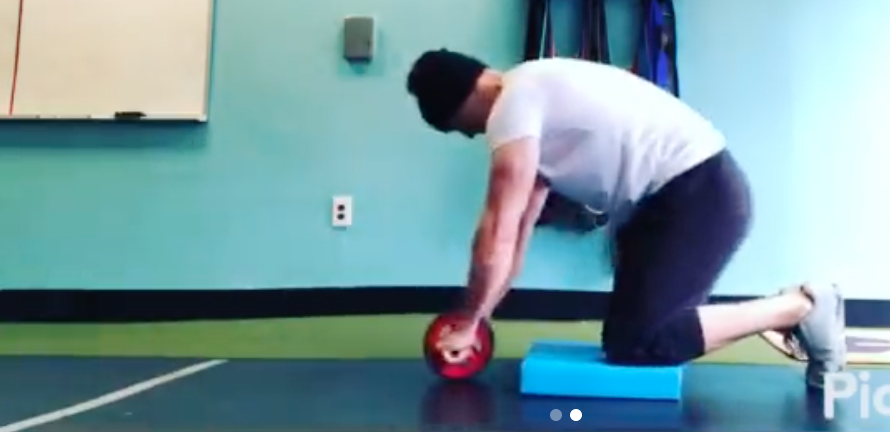
One of the most significant challenges in introducing the ab wheel to a novice is the "all-or-nothing" nature of the floor-based rollout. For many, the transition from a kneeling position to a full extension on the floor is too taxing, leading to a collapse of form. To address this, the "Incline Ab Wheel Rollout" has emerged as a preferred regression.
By performing the rollout on an inclined surface, such as a weight bench or a ramp, the angle of the body relative to gravity is altered. This reduces the total amount of body weight that the core must support at the furthest point of extension. The incline acts as a mechanical aid, preventing the individual from "falling" into their lower back. This variation allows clients to build the necessary neural patterns and muscular endurance required for the more demanding floor-based version without the immediate risk of lumbar strain. Industry data suggests that utilizing regressions like the incline rollout can increase client adherence to core programs by providing a sense of measurable progress and reducing exercise-induced discomfort.
Advanced Progression: The Anchored Rollout and Reciprocal Inhibition
For advanced trainees who have mastered the standard rollout, the "Anchored Ab Wheel Rollout"—a variation credited to strength coach Mike Volkmar—offers a sophisticated method for increasing intensity and improving muscular recruitment. In this variation, the individual’s ankles are anchored against a resistance band or a fixed point.
The mechanical brilliance of the anchored rollout lies in the principle of reciprocal inhibition. By pushing the ankles back against an anchor, the individual must actively engage their hamstrings. In the human body’s neuromuscular hierarchy, the activation of the hamstrings often leads to a decrease in the overactivity of the hip flexors (the psoas and iliacus). Since overactive hip flexors are a primary driver of anterior pelvic tilt and lower back arching, "turning off" the hip flexors through hamstring engagement allows the anterior core to work in isolation. This modification not only makes the exercise more challenging but also reinforces the "belt buckle to chin" pelvic position, ensuring the spine remains protected even under heavy loads.
Supporting Data on Core Stability and Injury Prevention
The importance of mastering these variations is supported by clinical data regarding the prevalence of lower back pain (LBP) in the general population. According to the World Health Organization, LBP is the leading cause of disability globally. Studies in the Journal of Orthopaedic & Sports Physical Therapy have indicated that individuals with chronic LBP often exhibit delayed activation of the transverse abdominis and poor control of pelvic tilt.
Furthermore, Electromyography (EMG) studies comparing various abdominal exercises have consistently ranked the ab wheel rollout among the highest for muscle activation. A study conducted by California State University, Sacramento, found that the rollout elicited significantly higher EMG activity in the rectus abdominis and obliques compared to traditional crunches and even some stability ball exercises. However, the researchers noted that this high activation is only beneficial if the spine remains stable, reinforcing the arguments made by coaches like Gentilcore regarding technical precision.
Professional Perspectives and Industry Impact
The move toward more nuanced abdominal training has been welcomed by the physical therapy community. Dr. Sarah Ellis, a sports physical therapist, notes that "the integration of regressions like the incline rollout allows us to bridge the gap between basic rehabilitation and high-level performance. It’s about meeting the patient where their current stability lies."
Similarly, the fitness industry has seen a shift in how equipment is marketed and used. The "one-size-fits-all" approach to the ab wheel is being replaced by a more educational framework. Gyms are increasingly providing ramps and bands to facilitate the variations discussed, acknowledging that a successful workout is defined by the quality of movement rather than the sheer difficulty of the task.
Broader Implications for Long-Term Athletic Development
The implications of optimized ab wheel training extend beyond the gym. For athletes in sports requiring high levels of torso rigidity—such as powerlifting, sprinting, and contact sports—the ability to resist spinal extension is a performance-enhancing trait. A stable core ensures that power generated by the lower body is efficiently transferred through the torso to the upper body without "energy leaks" caused by a collapsing spine.
Moreover, for the aging population, maintaining the ability to stabilize the pelvis is crucial for balance and gait. By utilizing the incline rollout as a safe entry point, older adults can strengthen their deep core muscles, potentially reducing the risk of falls and improving overall quality of life.
In conclusion, the ab wheel rollout remains one of the most effective tools in the fitness arsenal, provided it is executed with a deep understanding of spinal mechanics. The contributions of experts like Tony Gentilcore and Mike Volkmar have provided a roadmap for both beginners and elite athletes to navigate the complexities of core training. Through the use of posterior pelvic tilts, incline regressions, and anchored progressions, the fitness community can continue to push the boundaries of human performance while prioritizing the long-term health of the spine. As the industry continues to evolve, the focus remains clear: it is not the wheel itself that builds the core, but the discipline and technique of the person holding the handles.

