

The Historical Evolution of Kampgrounds of America
The history of KOA is inextricably linked to the rise of the American highway system. Founded in 1962 by Dave Drum in Billings, Montana, the organization was born out of a specific logistical necessity. As travelers flocked to the 1962 World’s Fair in Seattle, Drum realized there was a lack of reliable, amenity-rich stopping points for motorists. He converted his property along the Yellowstone River into a campground, offering hot showers, clean restrooms, and a small store—luxuries that were largely unavailable to campers at the time.
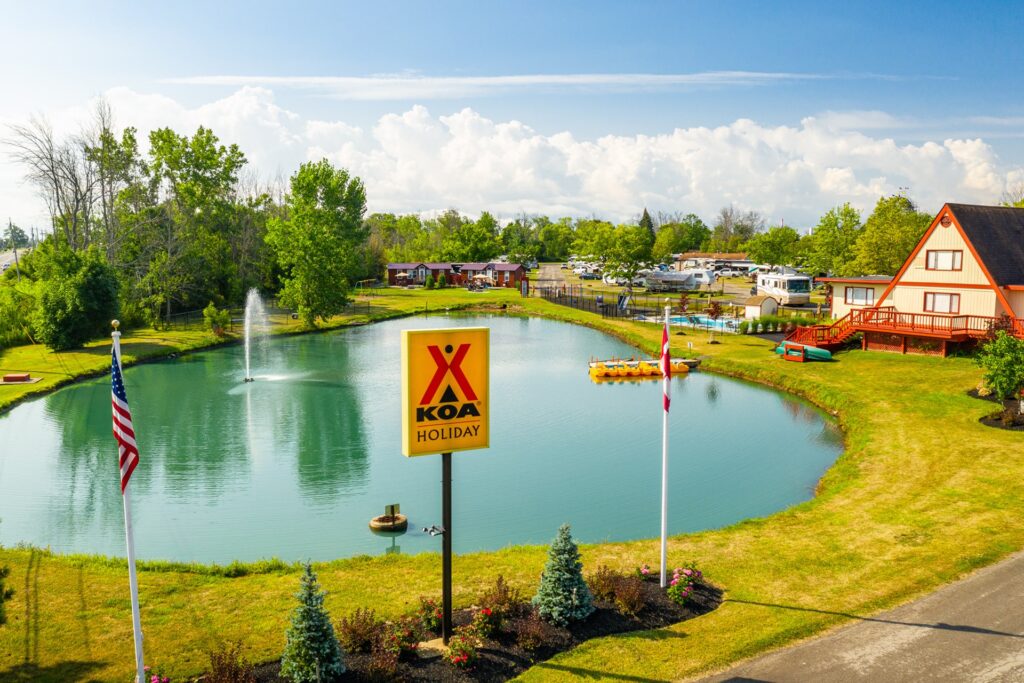
By 1963, the success of the Billings location led to the formalization of the franchise model, allowing local entrepreneurs to operate under the KOA brand. This move established the "Yellow Sign" as a beacon of consistency for road-trippers. Over the subsequent six decades, the organization transitioned from a simple overnight stop-off into a sophisticated hospitality network. Today, the brand is segmented into three distinct categories—Journey, Holiday, and Resort—designed to meet the specific needs of modern travelers ranging from cross-country "voyagers" to seasonal "snowbirds."
Analyzing the Triple-Tiered Campground Model
To maintain market dominance and cater to diverse traveler demographics, KOA implemented a branding strategy that categorizes sites based on their intended use. This segmentation allows RVers to align their choice of campground with their specific itinerary goals.
KOA Journey: The Strategic Stopover
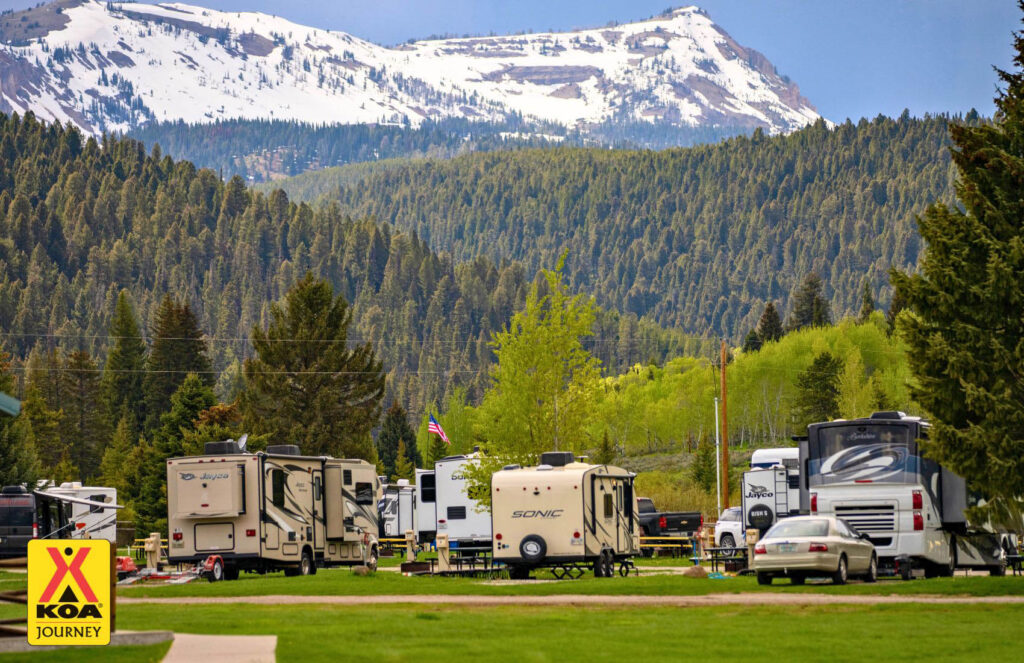
KOA Journey locations are typically situated near major highways and thoroughfares. These sites are engineered for efficiency, catering to the "Cross-Country Voyager" who requires a reliable place to rest during long-distance transit. Key features include well-lit environments, easy-access pull-through sites, and 24-hour check-in capabilities. While they offer standard amenities such as laundry facilities and basic convenience stores, their primary value proposition is proximity to the road and streamlined utility hookups.
KOA Holiday: The Regional Basecamp
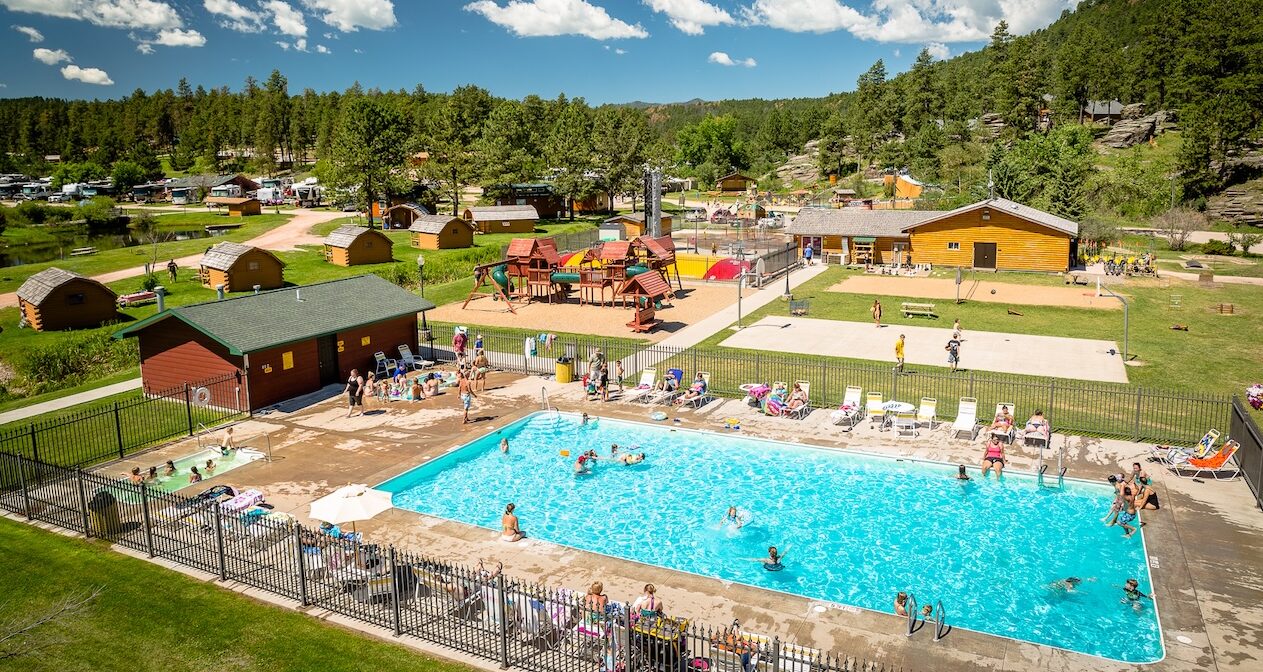
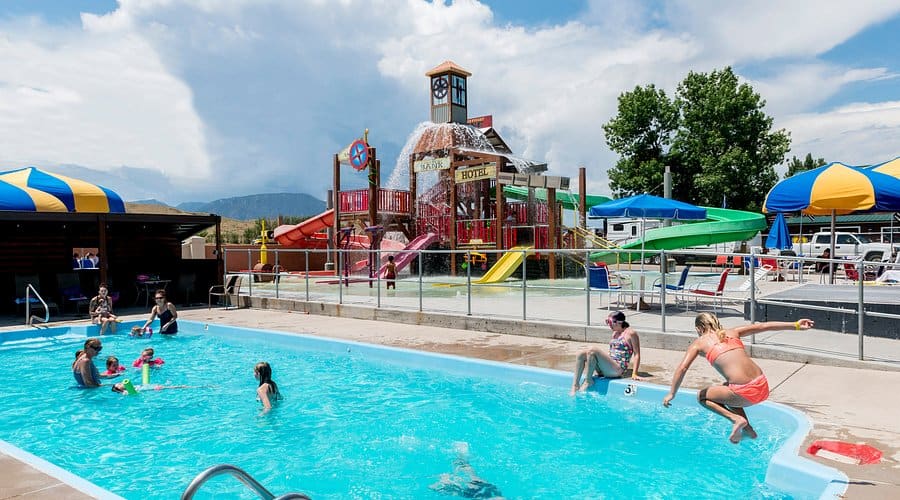
Positioned as a destination for the "Weekend Warrior" and "Family Vacationer," KOA Holiday sites are designed for stays lasting several days. These campgrounds are usually located near significant local attractions or natural landmarks. They offer expanded amenities, including upgraded patio sites, organized group activities, and enhanced recreational facilities like swimming pools and playgrounds. The objective of the Holiday tier is to serve as a hub for regional exploration.
KOA Resort: The All-Inclusive Outdoor Experience
The Resort tier represents the pinnacle of the KOA system, targeting the "Snowbird" and luxury traveler. These locations are designed to be destinations in their own right, often featuring high-end amenities such as on-site bistros, fitness centers, deluxe cabins, and expansive pool complexes. These sites cater to extended-stay travelers who prioritize community atmosphere and a high level of service, often remaining in one location for weeks or months at a time.
Technical Specifications and RV Infrastructure
For the modern RVer, the technical capabilities of a campsite are as critical as its location. KOA has invested heavily in infrastructure to accommodate the wide variety of rigs currently on the road, from 15-foot camper vans to 45-foot Class A motorhomes.
Hookup Dynamics
A central component of the RV experience is the "hookup," which refers to the connection of the vehicle to external utilities. KOA offers three primary configurations:
- Full Hookups: These sites provide integrated access to water, electricity (ranging from 30 to 50 amps), and sewer systems. This is the preferred option for long-term stays and larger vehicles with significant power demands.
- Partial Hookups: Typically offering water and electricity but lacking a dedicated sewer connection, these sites are common for smaller rigs or shorter stays.
- No-Hookup (Dry Camping): Primarily utilized by camper vans or travelers seeking a more primitive experience, these sites rely on the vehicle’s internal batteries and water tanks.
Site Geometry: Pull-Through vs. Back-In
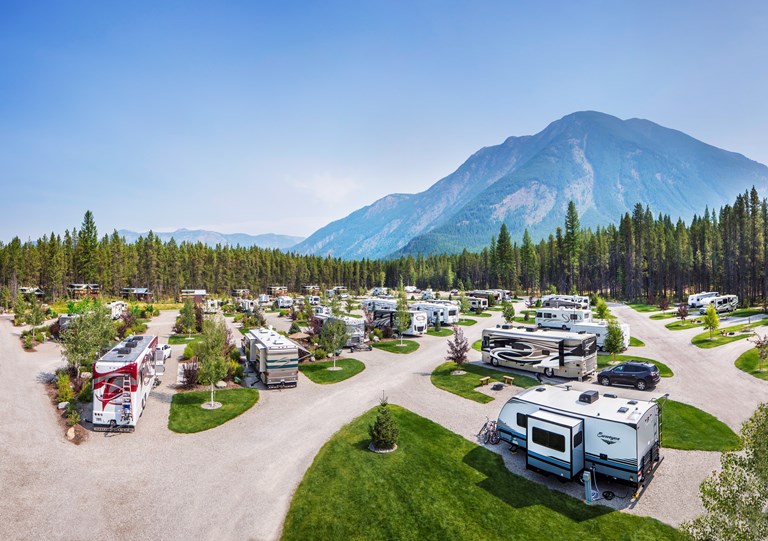
Logistics play a major role in site selection. Pull-through sites allow a driver to enter from one side and exit from the other, eliminating the need for complex reversing maneuvers—a critical feature for novice drivers or those towing large trailers. Conversely, back-in sites are often situated on the perimeter of the campground, offering increased privacy and unobstructed views of the surrounding landscape.
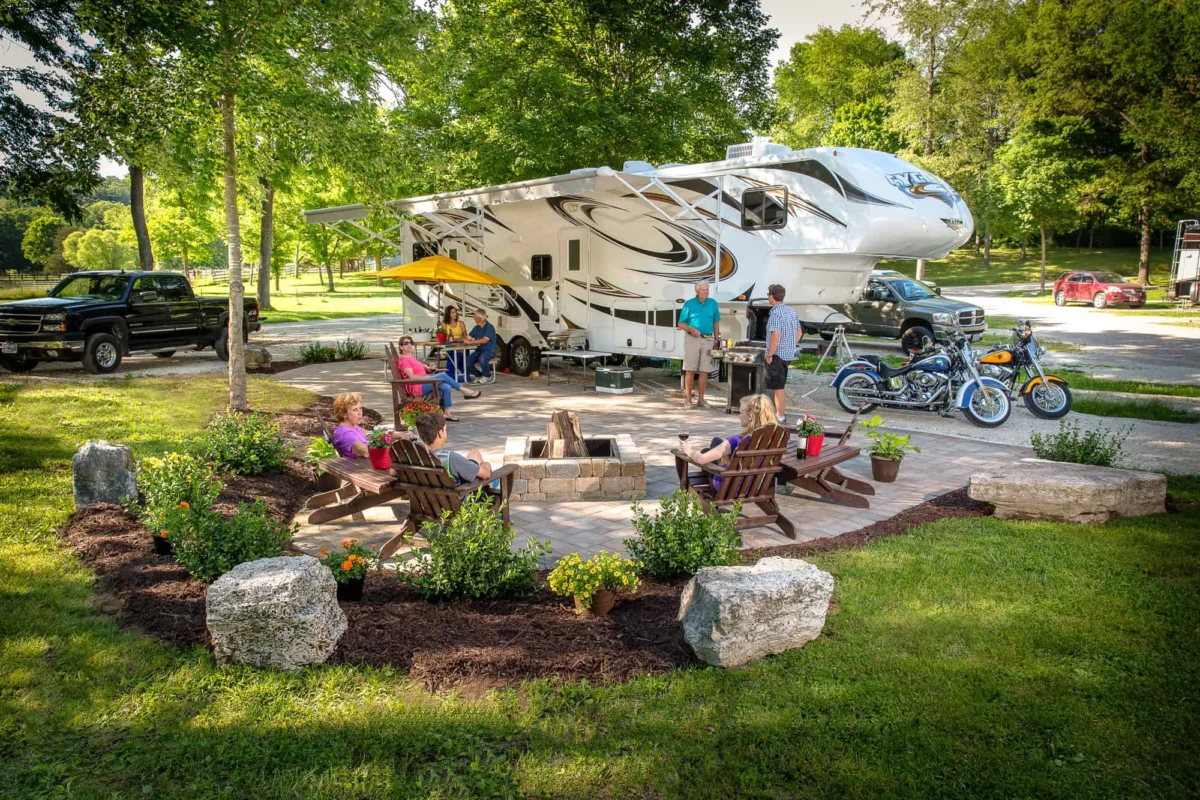
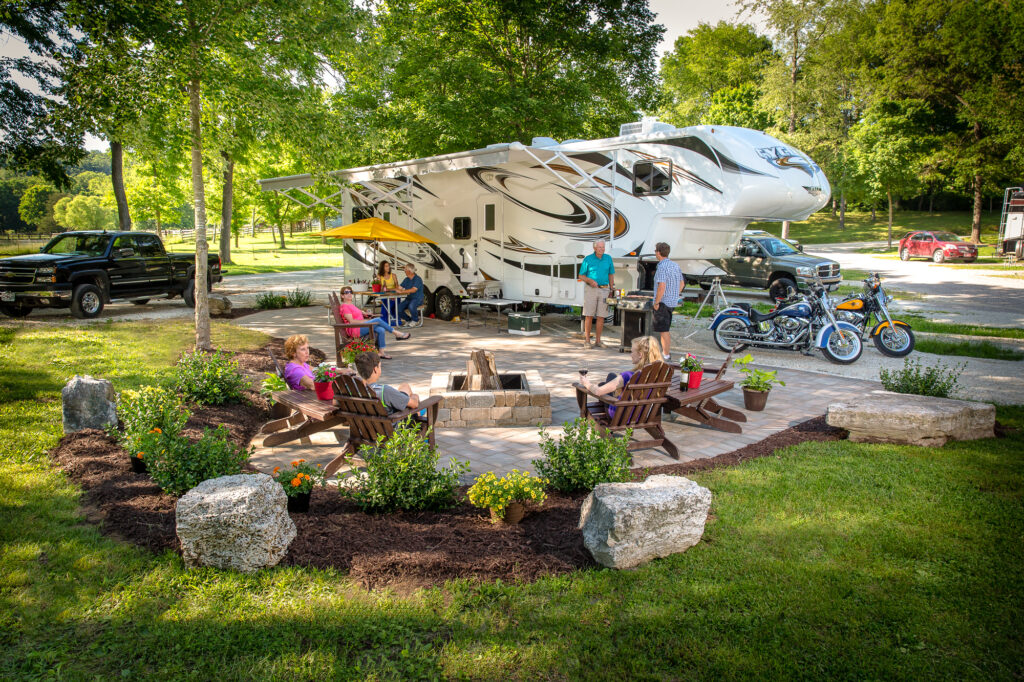
The introduction of the KOA Patio® site has further modernized the experience. These premium sites include extended hard-surface areas, high-quality outdoor furniture, and dedicated fire pits, bridging the gap between traditional camping and luxury hospitality.
Demographic Shifts and the Economic Impact of RVing
The RV industry contributes an estimated $140 billion to the U.S. economy annually, supporting nearly 680,000 jobs. Data from the RV Industry Association (RVIA) indicates that the average age of RV owners has dropped significantly, with Millennials and Gen X now making up a substantial portion of the market.
This demographic shift has influenced the amenities offered at KOA locations. There is a heightened demand for high-speed Wi-Fi, as the "digital nomad" movement has turned RVs into mobile offices. Furthermore, the emphasis on health and wellness has become a marketing cornerstone. Research suggests that spending time in natural settings can lead to reduced cortisol levels, improved sleep hygiene, and enhanced immune function. KOA has capitalized on this by ensuring most locations are situated near hiking trails, waterways, or wildlife viewing areas.
The Pet-Friendly Revolution: KampK9 and Paw Pens
A significant driver in the growth of RV travel is the ability to travel with pets. Industry surveys indicate that approximately 43% of RVers consider pet-friendly facilities a non-negotiable factor when choosing a campground. In response, KOA launched the KampK9® initiative, which provides fenced, off-leash dog parks at every location.
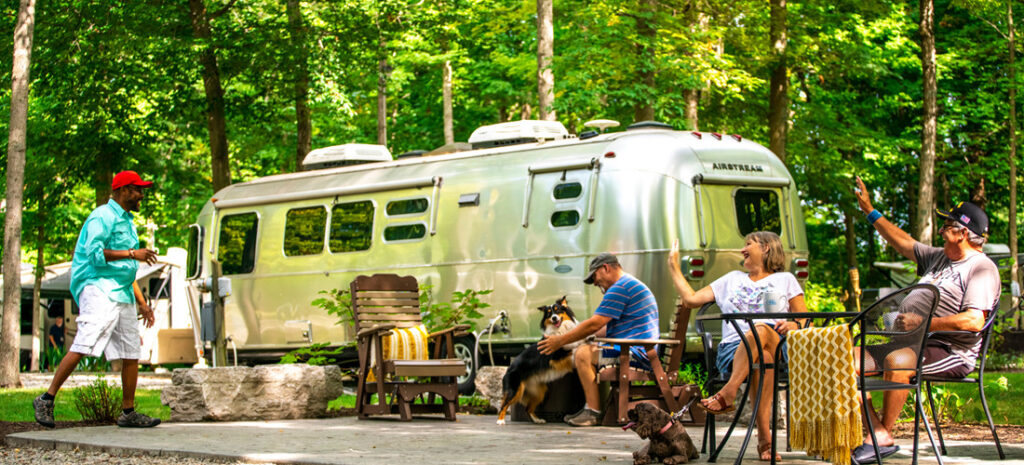
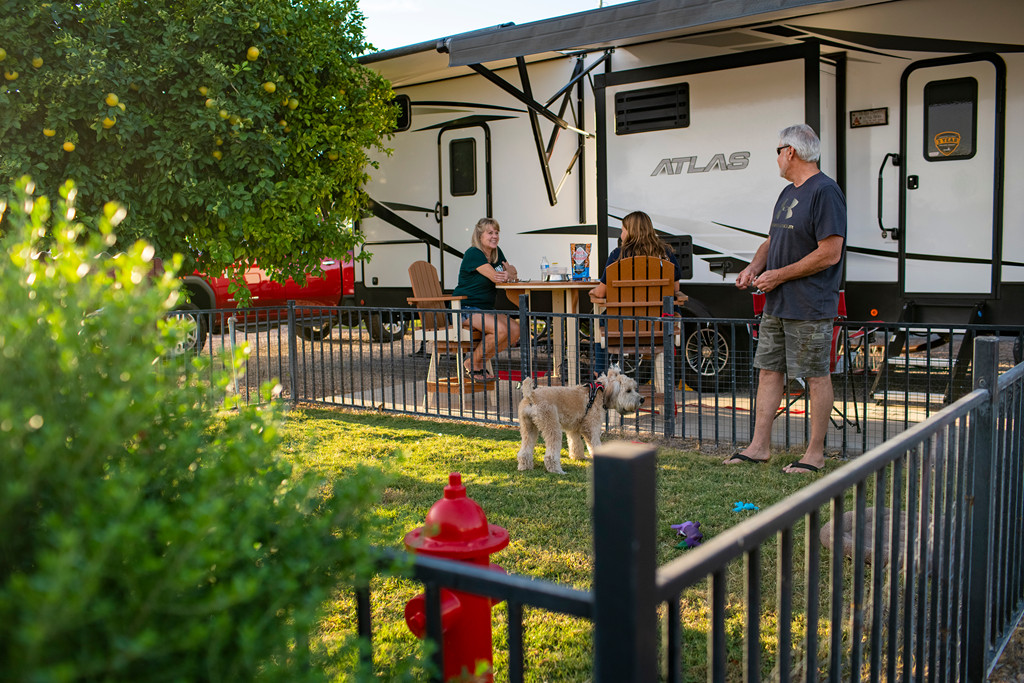
The brand has recently expanded this concept with the KOA Paw Pen™. These are private, fenced-in enclosures located directly at individual RV sites, allowing pets to roam freely within the owner’s immediate living space. This level of specialization addresses a specific pain point for pet owners and differentiates the franchise from public state or national park campgrounds, which often have stricter leash laws and fewer pet-specific amenities.
Administrative Streamlining and Loyalty Programs
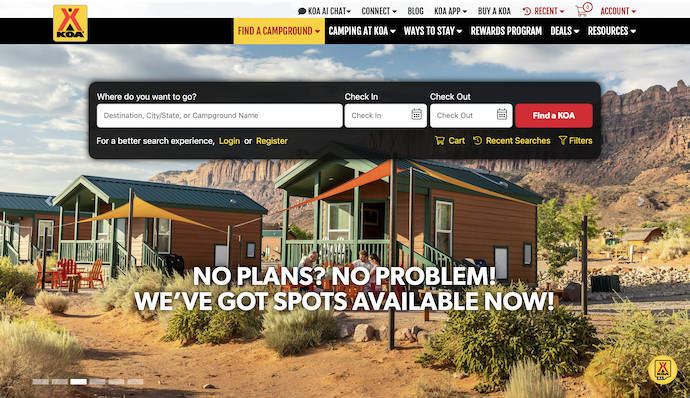
To compete with digital-first hospitality brands, KOA has modernized its booking and rewards infrastructure. The streamlined online platform provides real-time availability and transparent pricing, a departure from the historically fragmented nature of independent campground bookings.
The KOA Rewards Program serves as a customer retention tool, offering a 10% discount on nightly rates and a points-based system that can be redeemed for free stays. For the frequent traveler, these marginal gains represent significant annual savings, particularly for "full-timers" who reside in their vehicles year-round.
Operational Standards and Safety Protocols
The "Yellow Shirt" staff members are the human face of the KOA brand. These employees are trained to provide local expertise and technical assistance, contributing to the standardized service level that travelers expect. Safety is also a primary operational focus; campgrounds are generally gated or monitored, and specific policies regarding campfires and noise levels are enforced to maintain a family-friendly environment.
Campfire policies, in particular, have become a complex logistical issue due to varying regional drought conditions and environmental regulations. KOA manages this by providing on-site fire rings and selling treated firewood to prevent the spread of invasive species, such as the emerald ash borer, which can be transported in untreated wood.
Broader Implications for North American Tourism
The continued success of KOA reflects a broader trend in North American tourism: the desire for "attainable adventure." As international travel costs fluctuate and hotel prices in urban centers rise, the RV lifestyle offers a scalable alternative. It provides the autonomy of a private residence combined with the geographic flexibility of a traditional vacation.
Moreover, the franchise’s commitment to consistency has helped professionalize the outdoor hospitality sector. By providing reliable electricity, clean water, and waste management, KOA enables a wider demographic—including those who might otherwise be intimidated by traditional "roughing it"—to engage with the natural world. As the industry looks toward the future, the integration of electric vehicle (EV) charging stations and sustainable waste-reduction programs will likely be the next frontier in maintaining the brand’s relevance in an increasingly eco-conscious market.
In conclusion, RV camping at KOA represents more than just a logistical choice for travelers; it is a reflection of a changing cultural landscape that prioritizes flexibility, wellness, and the integration of modern technology with the great outdoors. Whether through a quick stop at a Journey location or a seasonal stay at a Resort, the framework provided by KOA remains a cornerstone of the North American road trip.

