

In an era defined by demanding schedules and the perpetual quest for optimal health, a growing body of scientific evidence underscores the unparalleled efficacy of compound exercises for achieving significant fitness milestones. For individuals with limited time seeking to elevate their physical conditioning to an advanced level, multi-joint movements represent a cornerstone strategy, offering a holistic approach to strength, endurance, and overall well-being. This method, long favored by elite athletes and functional fitness proponents, is increasingly recognized by the broader public health community for its efficiency and comprehensive benefits.
Understanding Compound Exercises: A Foundational Principle
At the core of effective physical training lies a fundamental distinction between exercise modalities: compound and isolation. Isolation exercises, as their name suggests, meticulously target and engage a single muscle group, often utilizing machines or specific free-weight movements to isolate bicep curls, triceps extensions, or calf raises. While these have a place in rehabilitation or highly specialized bodybuilding routines, their scope is inherently limited.
Conversely, compound exercises are dynamic, multi-joint movements that simultaneously engage multiple muscle groups across various joints. Examples include squats, deadlifts, push-ups, rows, and lunges. These movements mirror the natural, integrated patterns of human motion required for daily activities, sports, and complex physical tasks. The scientific rationale for prioritizing compound movements stems from their ability to activate a larger volume of muscle mass, leading to a cascade of physiological benefits that isolation exercises simply cannot replicate with the same intensity or efficiency. This distinction is crucial for understanding why compound exercises are lauded as a superior method for accelerated fitness progression.
The Evolution of Exercise Science and the Rise of Functional Training
The historical trajectory of exercise methodology reveals a fascinating pendulum swing. For millennia, human physical activity was inherently functional, driven by the necessities of survival, hunting, gathering, and labor. Early forms of organized physical culture, from ancient Greek gymnastics to military drills, emphasized multi-joint, full-body movements that built practical strength and endurance.
The late 19th and early 20th centuries saw the formalization of weightlifting and strength sports, with strongmen demonstrating feats of strength through complex lifts. However, the mid-20th century witnessed the proliferation of bodybuilding culture, which popularized the concept of isolating muscle groups to sculpt individual physiques. This era gave rise to specialized gym equipment designed to target specific muscles, leading many casual exercisers to adopt routines heavily reliant on isolation work.
By the late 20th and early 21st centuries, a paradigm shift began. Sports science and exercise physiology increasingly highlighted the limitations of isolation training for overall athletic performance, injury prevention, and functional capacity. The emergence of disciplines like CrossFit and a renewed focus on "functional fitness" brought compound movements back to the forefront. Research began to systematically validate the superior metabolic, hormonal, and neuromuscular responses elicited by exercises that mimicked real-world movements. This chronological re-evaluation solidified compound exercises as a cornerstone of evidence-based fitness programming, moving beyond anecdotal evidence to robust scientific backing.
Unpacking the Benefits: Beyond Mere Efficiency
The assertion that compound exercises are significantly more efficient than traditional workouts is substantiated by a wealth of scientific inquiry. Studies suggest they can be multiple times more effective in certain metrics, particularly for overall fitness gains and caloric expenditure. This heightened efficacy stems from several key physiological advantages:
- Elevated Caloric Expenditure and Metabolic Boost: Engaging larger muscle groups simultaneously demands significantly more energy. This leads to a higher caloric burn during the workout itself. Furthermore, the intense demand placed on the body by compound movements results in a greater Excess Post-exercise Oxygen Consumption (EPOC), often referred to as the "afterburn effect." This means the body continues to burn calories at an elevated rate for hours post-workout as it recovers, repairs tissues, and restores physiological balance. This metabolic advantage is a critical factor for individuals focused on weight management and body composition improvement.
- Superior Hormonal Response: Compound exercises, especially those involving heavy loads and large muscle groups, stimulate a more robust release of anabolic hormones such as growth hormone and testosterone. These hormones are vital for muscle protein synthesis, fat metabolism, and overall tissue repair and regeneration. This enhanced hormonal environment is conducive to accelerated muscle growth and improved body composition, which are less pronounced with isolation exercises that do not elicit the same systemic stress.
- Development of Functional Strength: Unlike strength built in isolation, functional strength translates directly to improved performance in daily life and athletic endeavors. Lifting a child, carrying groceries, climbing stairs, or performing complex sports movements all require multiple muscle groups to work in concert, not in isolation. Compound exercises train these synergistic movement patterns, enhancing coordination, balance, and proprioception (the body’s awareness of its position in space). This type of strength is paramount for maintaining independence and quality of life as one ages and for reducing the risk of injuries.
- Enhanced Neuromuscular Coordination: Performing complex compound movements requires intricate communication between the central nervous system and various muscle groups. This constant coordination refines motor skills, improves stability, and makes the body more adept at handling unexpected challenges. Improved neuromuscular efficiency means the body learns to recruit muscles more effectively and economically, leading to better performance and reduced energy waste.
- Time Efficiency: For individuals with demanding schedules, the ability to achieve comprehensive fitness results in less time is invaluable. A well-structured compound exercise routine can deliver a full-body workout that targets major muscle groups, cardiovascular endurance, and flexibility in a fraction of the time required by an isolation-based regimen. This makes consistent adherence to an exercise program more feasible and sustainable.
- Core Engagement and Stability: Nearly all compound exercises inherently demand significant core engagement to stabilize the spine and transmit force effectively. Movements like squats, deadlifts, and lunges are not just leg exercises; they are full-body movements that heavily recruit the abdominal and lower back muscles for stability, contributing to a stronger, more resilient core.
Expert Perspectives on Compound Movement Integration
"The metabolic demands of compound exercises are simply unparalleled," states Dr. Evelyn Reed, a sports physiologist and research fellow at the Institute of Human Performance. "When you engage multiple large muscle groups simultaneously, your heart rate elevates, oxygen consumption skyrockets, and the body enters a highly efficient fat-burning and muscle-building state. For overall health and fitness, it’s a far more potent stimulus than isolating a single muscle."
Elaborating on the functional aspect, Maria Chen, a certified strength and conditioning specialist, adds, "Our bodies are designed to move as integrated units. Compound exercises teach the body to function synergistically, which is critical not just for athletic performance but for mitigating the risks of injury in everyday life. They build resilient bodies capable of handling diverse physical challenges."
From a public health standpoint, Dr. David Kim, a physical therapist specializing in rehabilitative exercise, highlights the preventative potential: "Many common musculoskeletal issues, including back pain, stem from imbalances and weaknesses in foundational movement patterns. Incorporating compound movements, often starting with bodyweight, can address these deficits, strengthening the supportive structures and improving posture, thereby significantly reducing the incidence and severity of chronic pain."
Fundamental Compound Exercises: The Five Pillars of Bodyweight Strength
The beauty of compound exercises is their accessibility. Many highly effective movements require no specialized equipment, relying solely on bodyweight. This makes them ideal for home workouts, travel, or those just beginning their fitness journey. Here are five foundational bodyweight compound exercises that can form the core of a highly efficient routine:
-
Reverse Lunge with a Knee Drive:
- Muscles Engaged: Quadriceps, hamstrings, glutes, core, hip flexors.
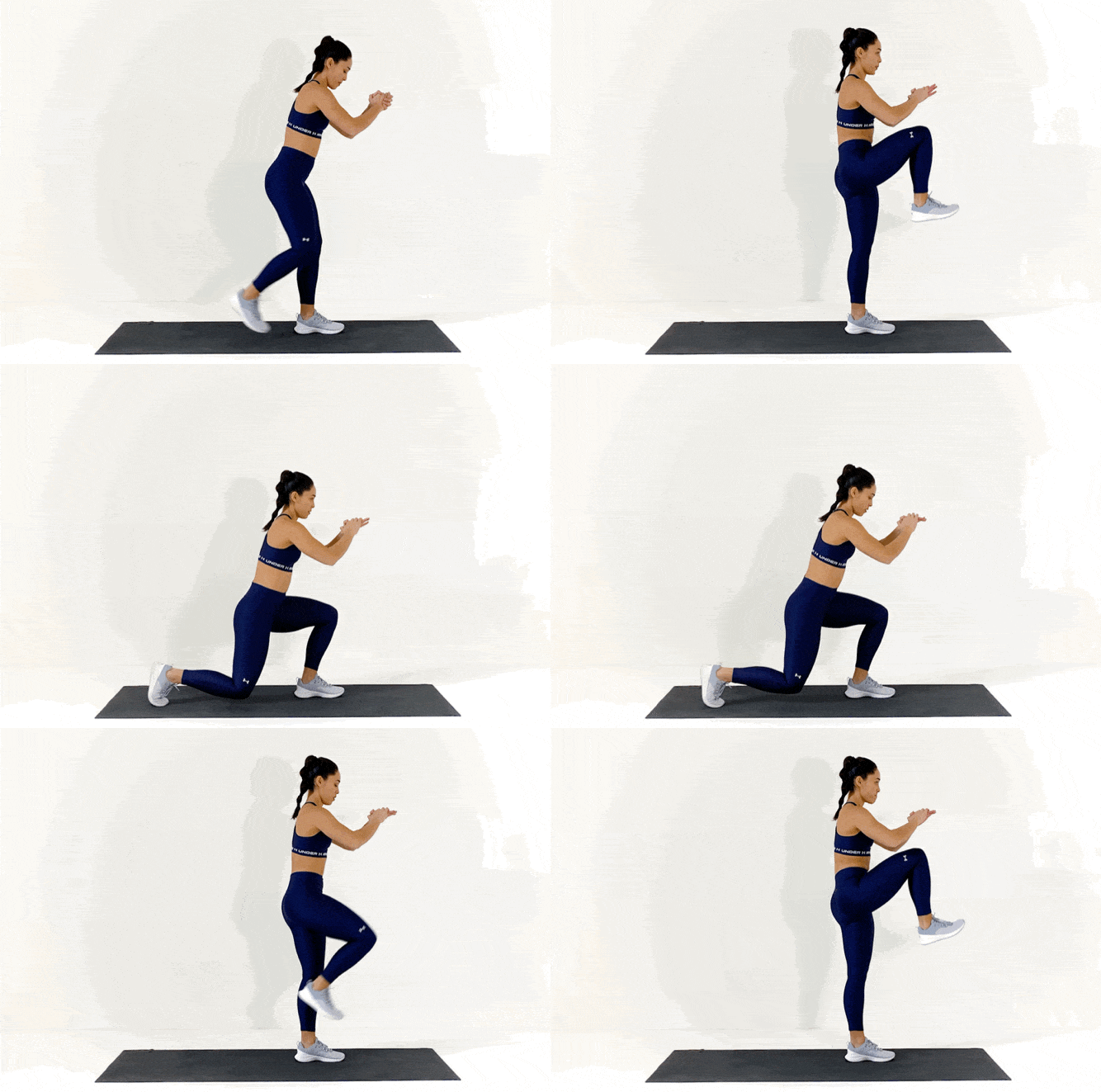
- Execution: Begin standing tall. Step one leg back into a lunge position, lowering your hips until both knees are bent at approximately a 90-degree angle. Ensure your front knee is directly above your ankle and your back knee hovers just above the ground. Drive through the heel of your front foot to return to standing, simultaneously bringing the back knee forward and up towards your chest in a controlled drive. Return the leg to the starting position or directly into the next lunge.
- Pro Tip: Maintain an upright torso throughout the movement. For an added challenge, hold dumbbells in each hand. This variation also incorporates a dynamic balance component, further engaging the core and stabilizers.
-
Burpees:
- Muscles Engaged: Full body – chest, shoulders, triceps, quadriceps, hamstrings, glutes, core, hip flexors.
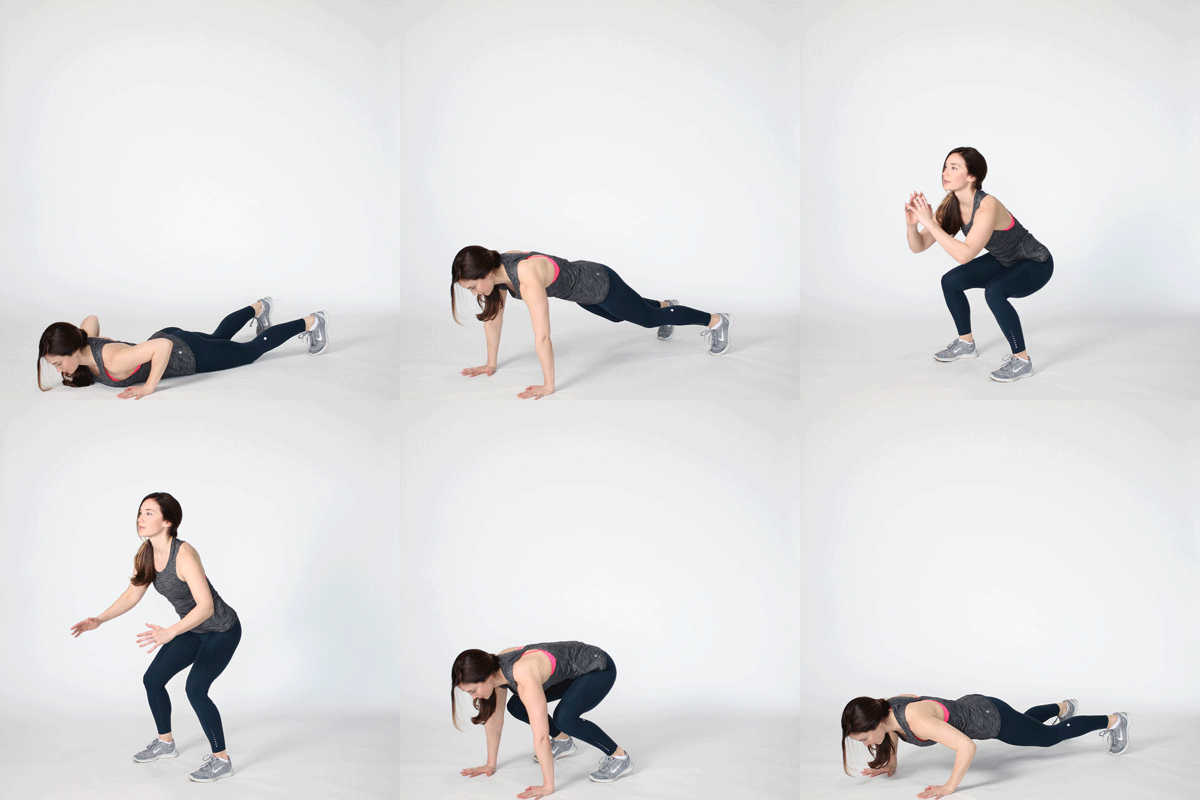
- Execution: Start standing. Drop into a squat position with your hands on the floor in front of you. Kick your feet back into a plank position, immediately performing a push-up (chest to the floor). Jump your feet back towards your hands. Explosively jump up into the air, reaching your hands overhead.
- Pro Tip: To scale for beginners, omit the push-up or jump, stepping feet back and forth instead of kicking. For advanced individuals, add a tuck jump at the top or perform a wider push-up. Keeping the core engaged throughout prevents sagging in the plank and maximizes power transfer.
-
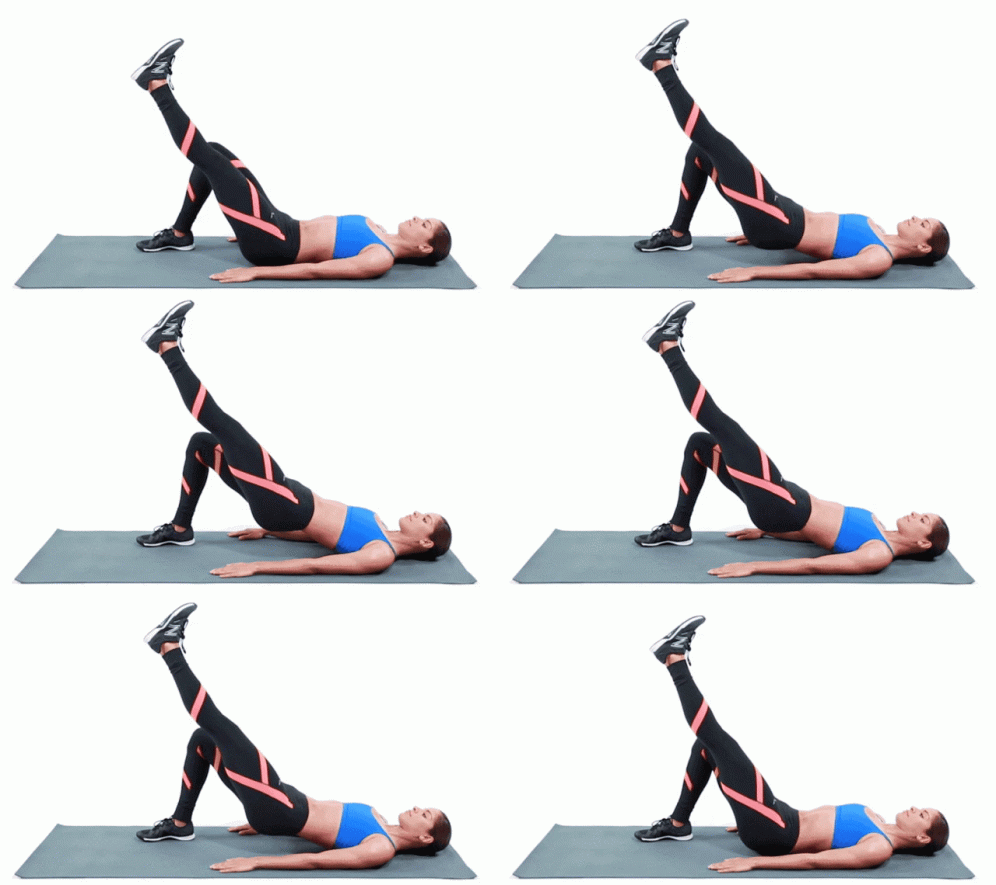
Single-Leg Bridge:
- Muscles Engaged: Glutes, hamstrings, lower back, core.
- Execution: Lie on your back with knees bent, feet flat on the floor close to your glutes. Extend one leg straight up towards the ceiling. Engaging your glutes, lift your hips off the floor until your body forms a straight line from your shoulders to your knee of the bent leg. Hold briefly, then slowly lower your hips back down.
- Pro Tip: Focus on squeezing the glute of the working leg at the top of the movement. Avoid arching your lower back excessively. Aim for 10-12 repetitions on each side, maintaining control. This exercise significantly challenges unilateral glute strength and core stability.
-
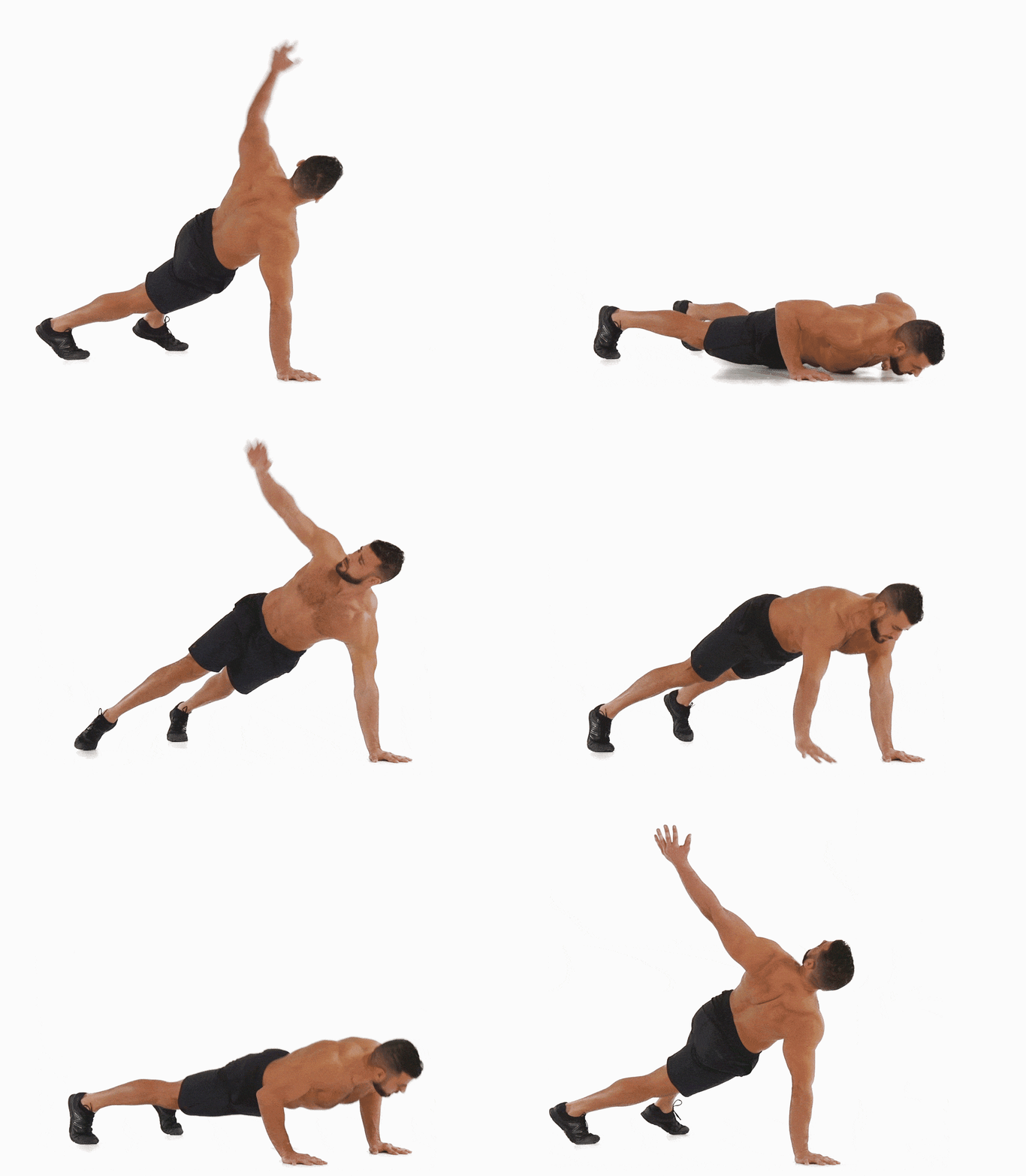
Push-Up and Rotate (T-Push-Up):
- Muscles Engaged: Chest, shoulders, triceps, core (obliques, transverse abdominis), back stabilizers.
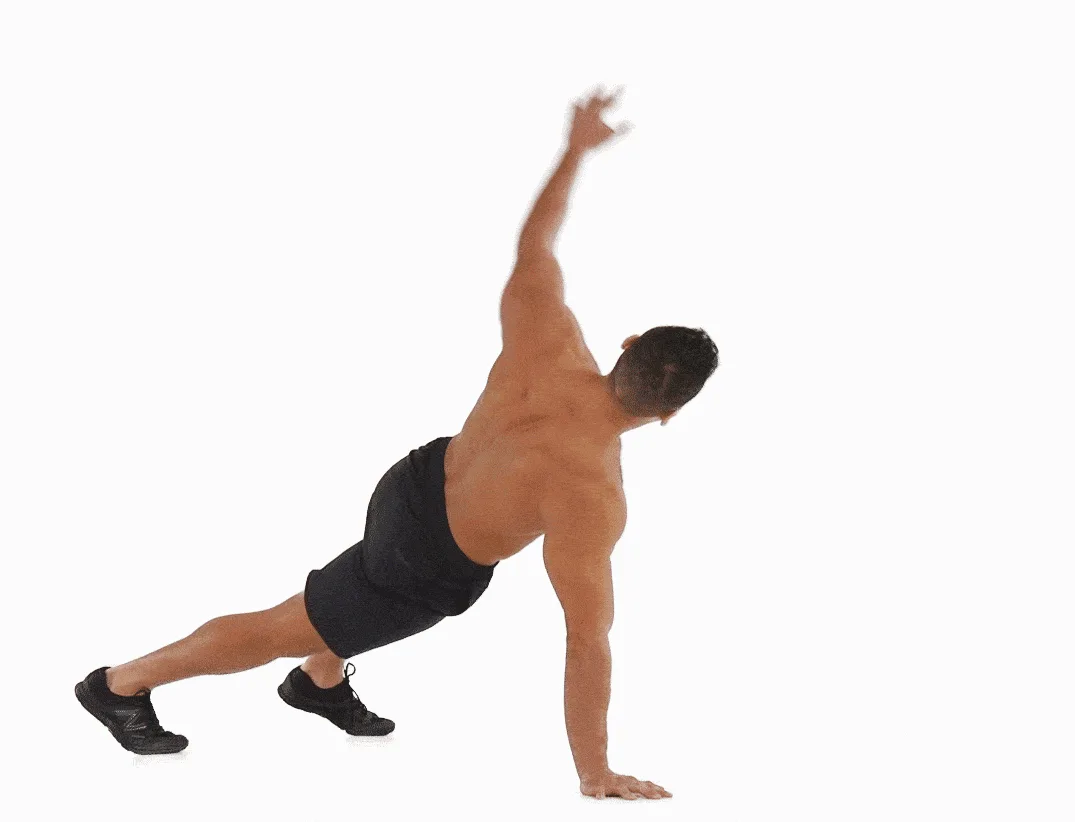
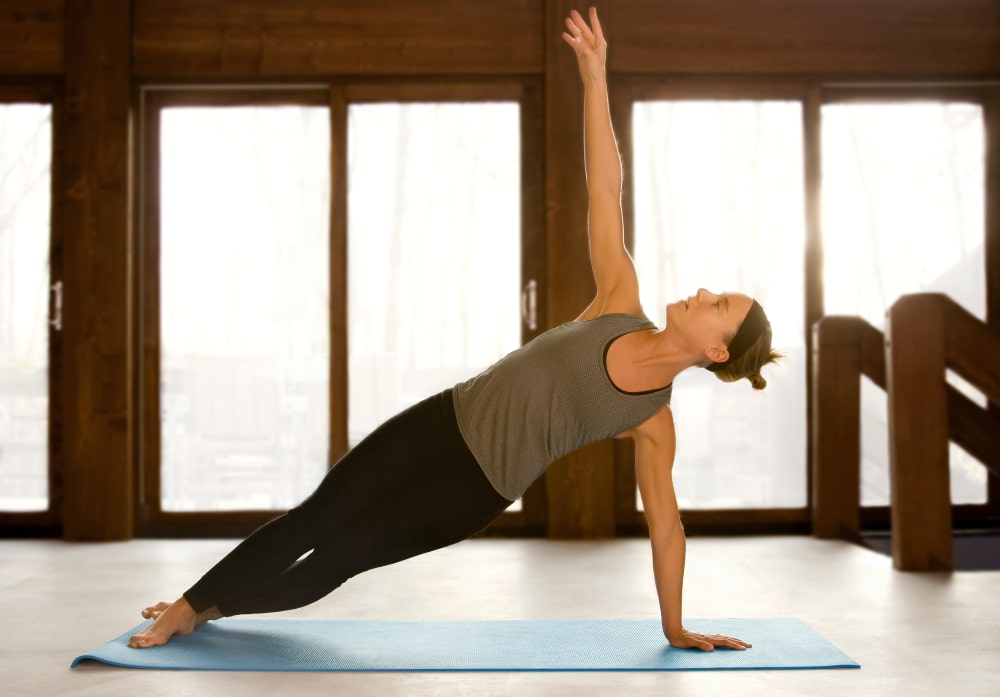
- Execution: Start in a high plank position, hands directly under shoulders, body in a straight line. Perform a standard push-up. As you push back up, shift your weight onto one hand and rotate your torso, extending the opposite arm straight up towards the ceiling, forming a ‘T’ shape with your body. Your gaze should follow your outstretched hand. Return to the plank position and repeat the push-up, rotating to the other side.
- Pro Tip: Keep your core tightly engaged throughout the rotation to maintain stability and prevent your hips from sagging. For beginners, perform the push-up on your knees and then rotate from a full plank. This exercise builds upper body strength and dynamic core rotational stability.
-
Air Squat:
- Muscles Engaged: Quadriceps, hamstrings, glutes, core, lower back.
- Execution: Stand with feet shoulder-width apart, toes pointed slightly out. Keep your chest up and back straight. Initiate the movement by pushing your hips back as if sitting in a chair, simultaneously bending your knees. Descend until your thighs are parallel to the ground or as deep as comfortable while maintaining good form. Drive through your heels to return to the standing position, squeezing your glutes at the top.
- Pro Tip: Ensure your knees track in line with your toes and do not collapse inward. For an added challenge, perform jump squats for a plyometric element or hold the bottom position for a few seconds to increase time under tension. The air squat is a fundamental movement pattern crucial for daily function and athletic performance.
Integrating Compound Exercises: A 15-Minute Blueprint
To truly experience the transformative power of compound exercises, integrating them into a structured routine is key. Even a concise 15-minute session can yield profound results. Consider a circuit format where you perform each of the five exercises back-to-back with minimal rest, then repeat the entire circuit 2-3 times. For instance:
- Reverse Lunges with Knee Drive: 10-12 reps per leg
- Burpees: 8-10 reps
- Single-Leg Bridges: 10-12 reps per leg
- Push-Up and Rotate: 8-10 reps per side
- Air Squats: 15-20 reps
Rest for 60-90 seconds between rounds. This high-intensity, full-body approach will engage your muscles, elevate your heart rate, and maximize the metabolic benefits within a remarkably short timeframe. For visual guidance and an intense full-body workout that promises to challenge your muscles and cardiovascular system in just 15 minutes with no equipment, numerous online resources and guided videos are available, such as those demonstrating the movements detailed above.
Prioritizing Safety and Proper Technique
While highly effective, compound exercises, due to their multi-joint nature and potential for higher intensity, necessitate a strong emphasis on proper technique to prevent injury and maximize benefits.
- Mastering Form: The best way to ensure correct execution is through professional guidance. Working with an experienced personal trainer or coach can provide invaluable real-time feedback, correct subtle form deficiencies, and introduce progressive modifications. They can spot potential issues before they lead to injury.
- Progressive Overload: Begin with bodyweight variations and master the movement pattern before adding external resistance (e.g., dumbbells, kettlebells). Gradually increase repetitions, sets, or resistance as strength improves.
- Warm-up and Cool-down: Always begin with a dynamic warm-up (e.g., light cardio, joint rotations, dynamic stretches) to prepare muscles and joints for activity. Conclude with a static cool-down to improve flexibility and aid recovery.
- Listen to Your Body: Differentiate between muscle fatigue and sharp, acute pain. Never push through pain. Rest, modify, or seek professional medical advice if discomfort persists.
- Starting Guidelines: For beginners, a general rule of thumb is to start with a weight or resistance level that allows for 10-15 repetitions per exercise while maintaining perfect form. As strength increases, you can gradually increase the challenge by adding more reps, sets, or resistance.
Broader Implications and Impact
The emphasis on compound exercises carries significant implications across various sectors:
- Public Health: Promoting accessible, efficient compound bodyweight routines can serve as a powerful tool in combating sedentary lifestyles and chronic diseases. The ease of execution without a gym membership lowers barriers to entry for many individuals.
- Fitness Industry: There’s a continued shift in gym design and programming towards functional training zones, away from isolated machine parks. Personal trainers skilled in teaching complex compound movements are increasingly in demand.
- Longevity and Quality of Life: Maintaining functional strength through compound exercises is crucial for healthy aging. It helps preserve mobility, balance, and the ability to perform activities of daily living independently, contributing significantly to a higher quality of life in later years.
- Mental Well-being: The challenge of mastering complex physical movements and witnessing tangible improvements in strength and capability can profoundly impact mental resilience, self-efficacy, and overall mood.
Frequently Asked Questions
What Are The Best Compound Exercises For Weight Loss?
For weight loss, compound exercises are superior due to their high caloric expenditure during and after the workout (EPOC effect) and their ability to build significant muscle mass. Muscle is metabolically active tissue, meaning it burns more calories at rest than fat. By building more muscle through compound movements, you effectively increase your basal metabolic rate, leading to greater long-term fat loss. Beyond the bodyweight exercises discussed, incorporating weighted compound movements like squats, deadlifts, and overhead presses with proper form can further amplify these effects. The 15-minute full-body workout outlined earlier is an excellent starting point.
What Are The Best Compound Exercises For The Legs?
Legs comprise some of the largest muscle groups in the body, and compound exercises are ideal for their development.
- Squats: Whether air squats, goblet squats, or barbell back squats, they are king. They work quadriceps, hamstrings, glutes, and engage the core for stability, making them incredibly effective for overall lower body strength and power.
- Lunges: Forward, reverse, or walking lunges target the quads, hamstrings, and glutes unilaterally, addressing muscular imbalances and improving balance.
- Deadlifts (bodyweight or weighted): A full-body hinge movement that heavily recruits the hamstrings, glutes, and lower back, while also engaging the core and upper back. For beginners, Romanian deadlifts with light weights or good mornings (bodyweight or light bar) can teach the hip hinge pattern safely.
- Step-ups: Excellent for targeting glutes and quads, also improving single-leg strength and stability. Incorporating these variations will ensure comprehensive leg development and functional strength.
What Are The Best Compound Exercises For Back Pain?
For individuals experiencing back pain, it is crucial to consult a healthcare professional or physical therapist before starting any new exercise regimen. However, certain compound movements, when performed with impeccable form and appropriate scaling, can strengthen the muscles supporting the spine and improve posture, thereby alleviating and preventing back pain.
- Squats (bodyweight or light weight): Focus on maintaining a neutral spine and proper hip hinge. Strengthening the glutes and legs can reduce strain on the lower back.
- Deadlifts (bodyweight or very light weight, or Romanian Deadlifts): Emphasize hinging at the hips rather than rounding the back. This builds strength in the posterior chain (hamstrings, glutes, lower back) which is vital for spinal support.
- Bird-Dog: While often seen as an isolation core exercise, it’s a functional movement that builds core stability and coordination without spinal loading, crucial for back health.
- Glute Bridges: Strengthens glutes and hamstrings, helping to support the pelvis and lumbar spine.
When performing any exercise with existing back pain, prioritize pain-free movement over range of motion or weight. Gradual progression and expert supervision are paramount.
The scientific consensus is clear: compound exercises offer a highly efficient, effective, and accessible pathway to superior fitness, functional strength, and overall well-being. By embracing these multi-joint movements, individuals can optimize their training time, achieve comprehensive physical development, and build a resilient body capable of meeting life’s demands.
Sources: Andrews E. (2015), Garber CE, et al. (2011), Hwang-Bo Kak, et al. (2013).

