

The dietary landscape for Americans is characterized by a critical imbalance, with an overwhelming majority failing to meet essential nutrient recommendations. Emerging data indicates that a staggering 99.99% of the U.S. population does not achieve the minimum recommended intake of potassium while simultaneously exceeding recommended sodium levels. This profound dietary deficit, particularly concerning the sodium-potassium balance, represents a significant public health challenge with far-reaching implications for chronic disease prevention and overall well-being.
The Pervasive Nature of Dietary Imbalance
The statistics paint a stark picture of a nation whose eating habits are fundamentally misaligned with optimal health. While potassium is crucial for numerous bodily functions, including blood pressure regulation and nerve function, its intake among Americans is alarmingly low. Conversely, sodium, a mineral essential in small quantities, is consumed in quantities far exceeding biological necessity and recommended limits. This dual deficiency and excess create a potent cocktail that undermines cardiovascular health and contributes to a cascade of other health issues.
The scope of this dietary failure extends beyond individual nutritional profiles. Worldwide, physical inactivity is a major contributor to lost healthy life years, accounting for over 10 million years of disability-free life annually. However, the impact of unhealthy diets dwarfs this figure, responsible for nearly 20 times that amount. Unhealthy dietary patterns are estimated to shave hundreds of millions of disability-free years off lives globally each year, highlighting the preeminent role of food choices in determining health trajectories.
Identifying the Culprits: The Deadly Dozen of Dietary Traps
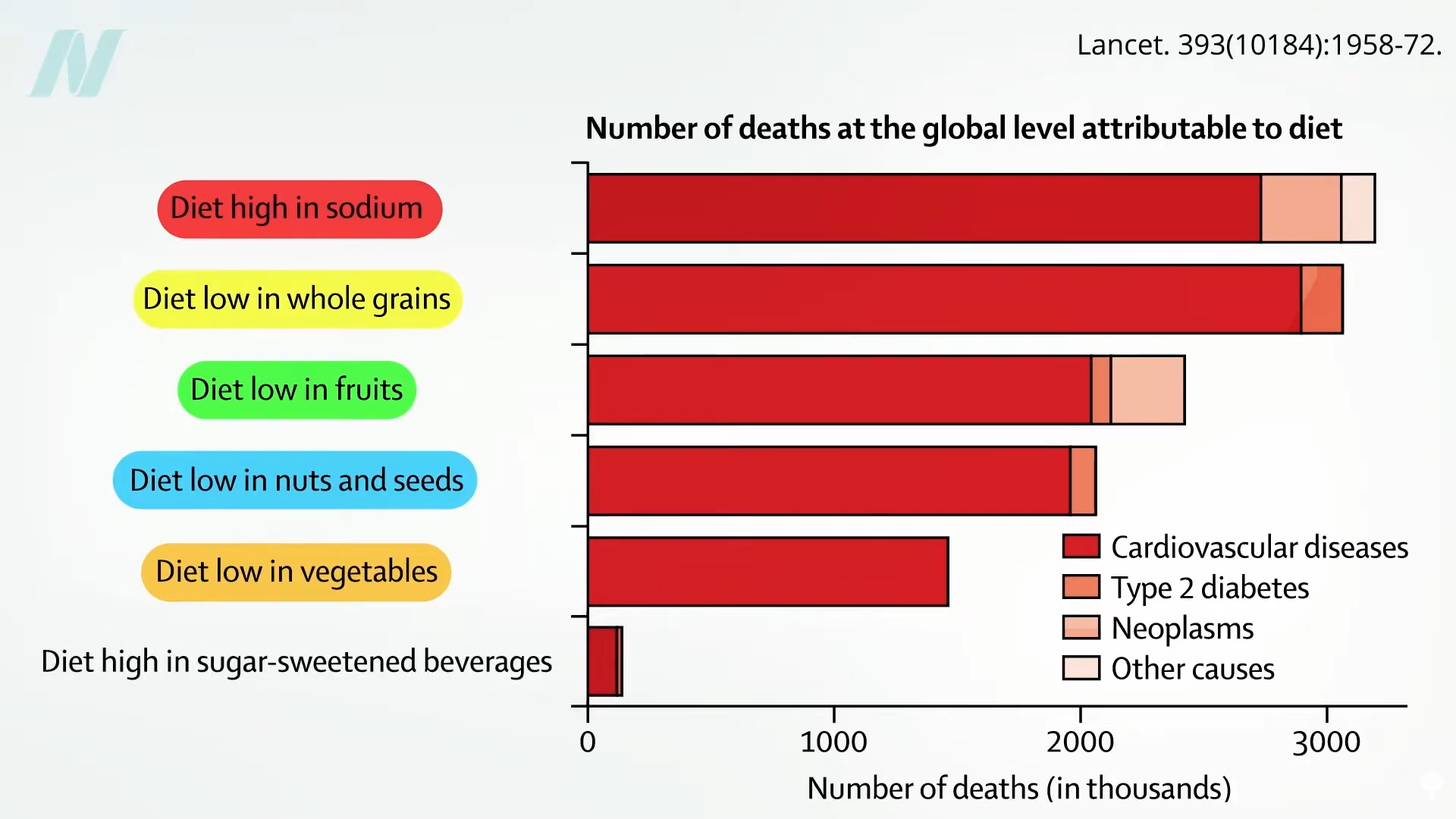
Research published in prominent medical journals, such as The Lancet, has identified the most detrimental aspects of modern diets. A significant finding is that four of the five deadliest dietary traps involve insufficient consumption of vital food groups: whole grains, fruits, nuts and seeds, and vegetables. This points to a widespread lack of nutrient-dense foods in the average American diet.
However, the most "fatal flaw," as identified by leading nutrition researchers, is the excessive intake of salt. The detrimental impact of high sodium consumption is estimated to be approximately 15 times deadlier than diets characterized by excessive soda consumption, underscoring its profound and widespread negative health consequences. This critical imbalance between sodium and potassium intake is not a new phenomenon but has been a growing concern over the past decade, with consumption patterns worsening rather than improving.

The Tyranny of Too Much Salt: A Public Health Crisis
The United States Food and Drug Administration (FDA) has previously acknowledged the gravity of the situation. A former commissioner of the FDA stated, "There remains no single more effective public health action related to nutrition than the reduction of sodium in the diet." This sentiment reflects a broad consensus among public health experts and organizations regarding the urgent need for interventions to curb excessive sodium consumption.
In response to this escalating crisis, national and international health organizations have actively advocated for policy changes. These have included calls for warning labels on salt packets and shakers. Such labels are intended to inform consumers about the serious health risks associated with high sodium intake, typically stating: "Too much sodium in the diet causes high blood pressure and increases risk of stomach cancer, stroke, heart disease, and kidney disease. Limit your use."
The Inflammatory Link: Salt’s Silent Damage
Beyond its well-established link to hypertension, excessive sodium intake has been implicated in exacerbating inflammatory processes within the body. Research indicates that sodium consumption is directly correlated with increased inflammation, a key factor in the development and progression of numerous chronic diseases.
For individuals suffering from autoimmune conditions, the impact of high sodium intake can be particularly severe. Studies have shown a significant link between sodium intake and increased disease activity in multiple sclerosis (MS), an inflammatory autoimmune nerve condition. Patients with medium to high sodium intakes have exhibited three to four times the exacerbation rate compared to those consuming less than a teaspoon of salt daily.
This inflammatory connection extends to other serious autoimmune diseases. Elevated sodium levels have been observed in the tissues of individuals with lupus, another debilitating autoimmune condition. Furthermore, research has correlated high sodium levels in the spinal cord of MS patients with disease severity and decreased structural integrity of neural tissues. These findings underscore the multifaceted damage that excessive salt can inflict on the body’s systems.
The Evolutionary Disconnect: Our Bodies vs. Modern Diets
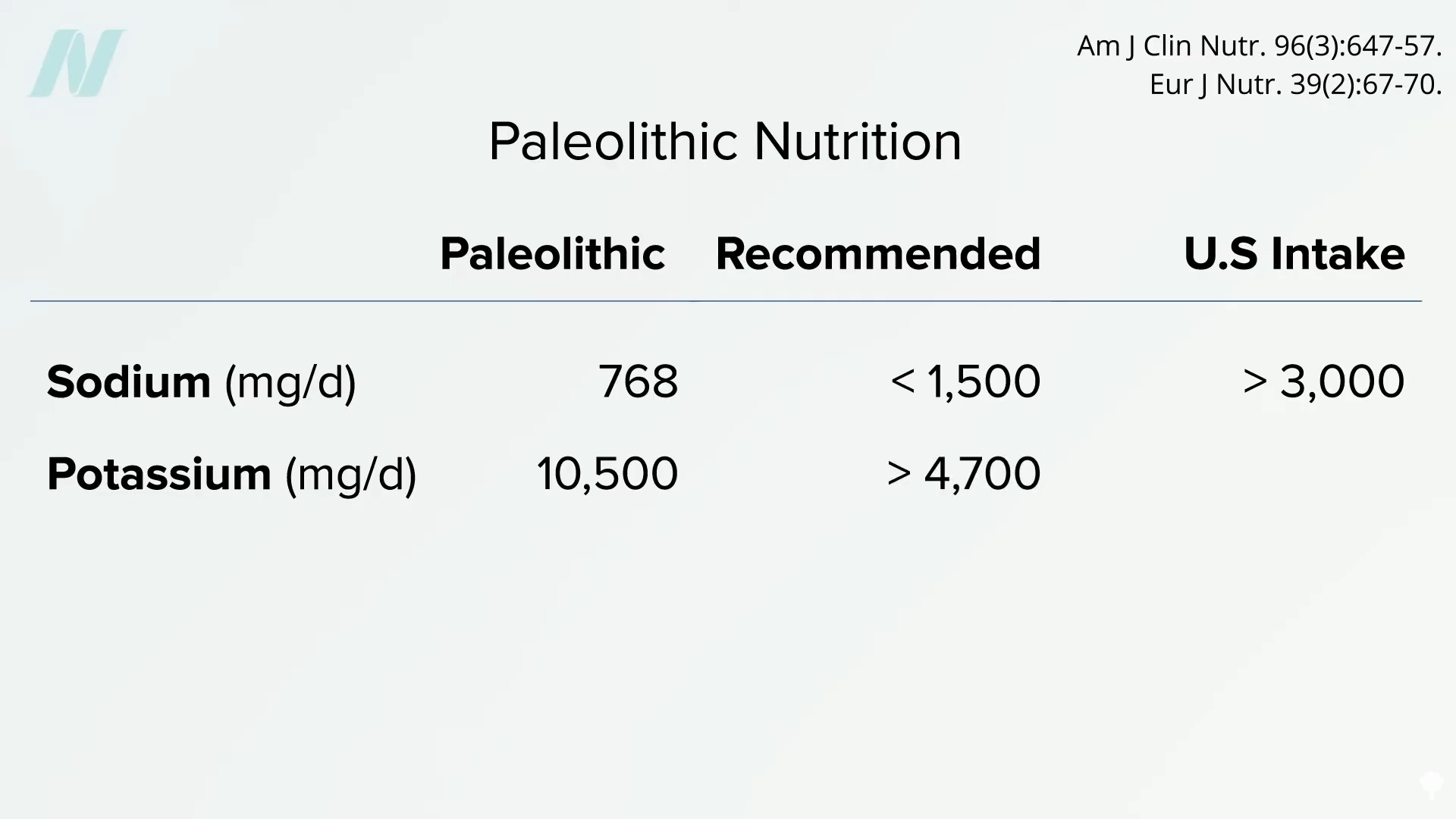
The human body evolved to function optimally on a significantly lower sodium intake than what is currently consumed. Scientific evidence suggests that our ancestors likely consumed around 750 mg of sodium per day, a stark contrast to modern dietary habits. The American Heart Association recommends limiting sodium intake to below 1,500 mg per day, a guideline that a significant portion of the population fails to meet.
In fact, more than 98.8% of Americans were found to exceed this 1,500 mg upper limit over a decade ago, a figure that is likely to have remained constant or worsened. This represents a profound evolutionary disconnect, where our biological systems are ill-equipped to handle the sheer volume of sodium present in contemporary processed foods and diets.
The Potassium Paradox: A Missing Element for Health
Compounding the issue of excessive sodium is the widespread deficiency in potassium. Potassium plays a vital role in counteracting the negative effects of sodium, helping to lower blood pressure and maintain fluid balance. Yet, less than 2% of U.S. adults consume the recommended daily minimum intake of potassium. This means that over 98% of Americans are subsisting on potassium-deficient diets, a situation that becomes even more alarming when compared to the dietary habits of our ancestors.
It is estimated that our ancestors consumed upwards of 10,000 mg of potassium daily. Current recommendations suggest obtaining at least half of that amount, yet the majority of the population falls far short of even this reduced target. This significant gap in potassium intake exacerbates the risks associated with high sodium consumption, creating a dangerous imbalance that predisposes individuals to chronic diseases.
A Chilling Statistic: The Combined Defiance of Recommendations
When the recommendations for both sodium and potassium intake are considered together, the picture becomes even more alarming. Fewer than 0.015% of individuals in the United States successfully meet both the sodium and potassium guidelines. This translates to a noncompliance rate of nearly 99.99%, meaning that only about 1 in 6,000 Americans achieves the recommended daily targets for these two critical minerals. This statistic is a powerful indicator of the systemic nature of the dietary crisis facing the nation.
The Role of Processed Foods and the "Crappy Food" Conundrum
The prevalence of high sodium content is inextricably linked to the types of foods commonly consumed. Sodium is a ubiquitous ingredient in highly processed and "crappy" foods, often used as a preservative and flavor enhancer. This raises a complex question for researchers: is increased salt intake merely a marker of an overall unhealthy diet, or does it have independent detrimental effects?
While it is challenging to isolate the direct impact of salt from other dietary factors, extensive research has established a clear cause-and-effect relationship between salt intake and high blood pressure. Numerous randomized controlled trials have demonstrated that reducing added salt in the diet leads to a measurable decrease in blood pressure, with the magnitude of reduction correlating with the degree of salt restriction.
Potential Mechanisms: Beyond Blood Pressure
The mechanisms by which salt exerts its negative effects are still being elucidated, but emerging research points to potential damage to the gut microbiome. The trillions of beneficial bacteria that reside in our digestive system play a crucial role in overall health, and evidence suggests that excessive salt intake may disrupt this delicate ecosystem. This disruption could contribute to increased inflammation and a compromised immune system.
The Search for Solutions: Salt Substitutes and Future Directions
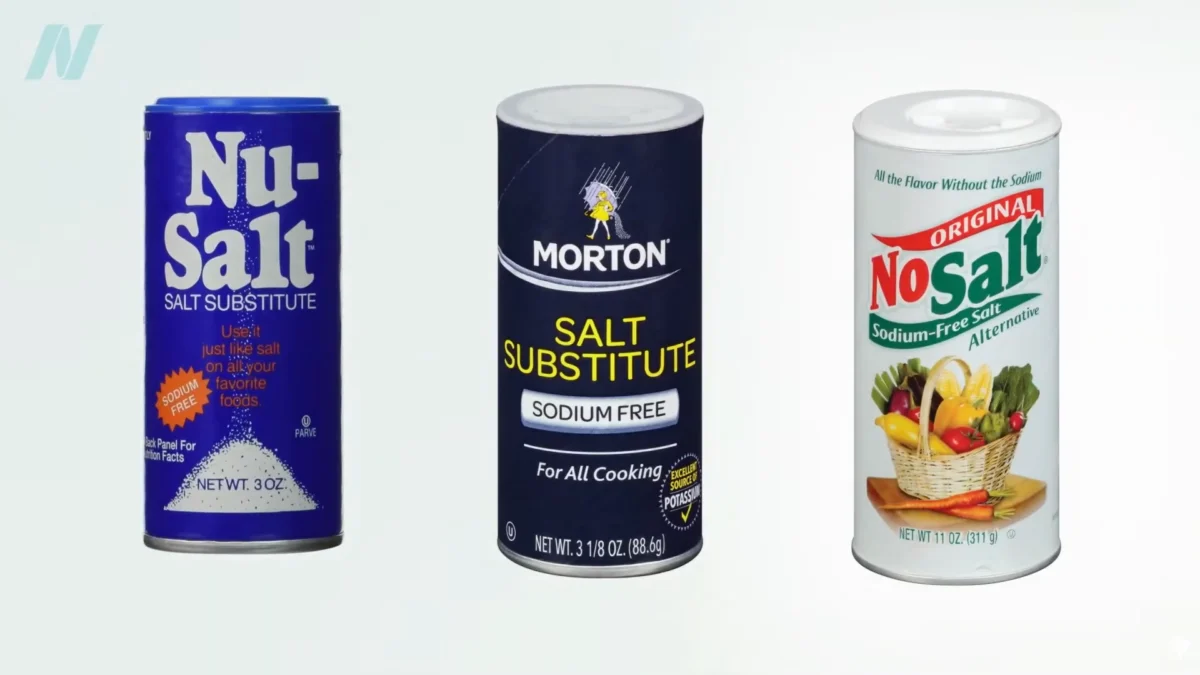
In light of these concerning trends, public health officials and researchers are exploring various strategies to mitigate the risks associated with high sodium and low potassium intake. One area of interest is the potential use of potassium-based salt substitutes. These products aim to provide a salty taste while simultaneously reducing sodium and increasing potassium intake.
Products that utilize potassium chloride instead of sodium chloride offer a seemingly straightforward solution. They promise the same gustatory experience while addressing the critical mineral imbalance. However, questions remain regarding their safety and efficacy. Are these substitutes truly a viable and beneficial alternative for the general population? The long-term health implications and potential side effects of widespread adoption of potassium-based salt substitutes are subjects of ongoing scientific inquiry.
This investigation into the effectiveness and safety of potassium chloride salt substitutes marks the first in a three-part series dedicated to exploring the intricate relationship between sodium, potassium, and dietary interventions. Future discussions will delve deeper into whether these substitutes are a worthwhile addition to the modern diet and the scientific evidence supporting their use.
The persistent disregard for recommended sodium and potassium levels underscores a critical public health imperative. The overwhelming majority of Americans are unknowingly jeopardizing their health through their dietary choices, highlighting the urgent need for widespread education, policy changes, and accessible healthier food options. The path forward requires a multifaceted approach, addressing both individual behaviors and the broader food environment to foster a healthier future for the nation.

