


Onions, a ubiquitous staple in kitchens worldwide, have long been lauded for their culinary versatility and potential health-promoting properties. While anecdotal evidence and traditional medicine have championed the benefits of this humble allium, a closer examination of rigorously conducted randomized controlled human trials provides a more nuanced understanding of what we can realistically expect from incorporating onions into our diets. This report delves into the scientific findings, separating substantiated claims from mere conjecture, and offers a comprehensive overview of the current research landscape.
Antioxidant Powerhouses: Unpacking Onion Composition
At the core of onion’s perceived health benefits lies its rich antioxidant profile. These compounds are crucial in combating oxidative stress, a process implicated in numerous chronic diseases. Research indicates that antioxidants are not uniformly distributed within the onion; they are predominantly concentrated in the outer layers, just beneath the papery skin. This is a critical detail, as a significant portion of consumers often discard these nutrient-dense outer layers, inadvertently losing a valuable source of these beneficial compounds.
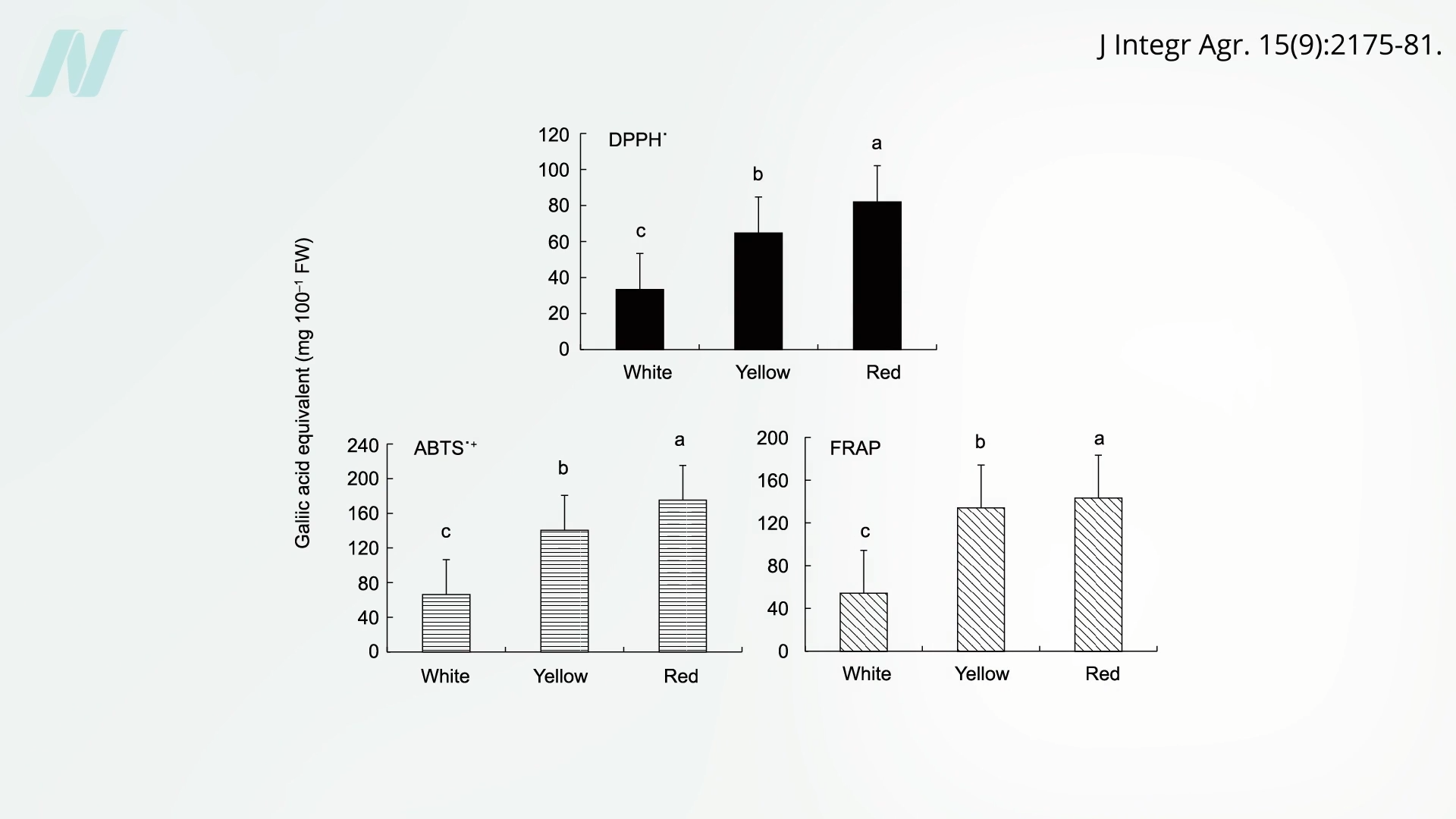
Studies comparing different onion varieties have yielded interesting results regarding antioxidant content. White onions, for instance, exhibit a remarkable concentration of antioxidants in their outer layers, often exceeding the inner core by more than tenfold. While white and yellow onions both offer considerable antioxidant activity, red onions consistently emerge as superior. Rigorous antioxidant testing across three distinct methodologies has shown red onions to possess a higher antioxidant capacity compared to their yellow and white counterparts. This finding, visually supported by comparative analyses, underscores the potential for red onions to be a more potent source of these protective compounds.
However, it is important to note that even yellow and white onions are far from nutritionally deficient. Their considerable antioxidant levels suggest that all common onion varieties contribute to the body’s defense against free radicals. The critical question then becomes: do these nutritional components translate into tangible clinical benefits for human health?
Debunking Myths: Testosterone and Onion Consumption
The medical literature is replete with headlines that promise miraculous health outcomes associated with onion consumption. One such claim frequently encountered pertains to the enhancement of testosterone levels in males. A review of scientific literature purportedly supporting this claim often references studies conducted on animal models, particularly rats. For example, research has investigated the effects of onion juice following instances of testicular torsion in rats. However, the relevance of such findings to human physiology is highly questionable. The complex hormonal systems in humans cannot be directly extrapolated from animal studies, especially those involving induced pathological conditions.
To address this discrepancy, human trials are essential. A pivotal randomized, double-blind, placebo-controlled study aimed to investigate the impact of onion extracts containing concentrated cysteine sulfoxides on aging males. The findings from this human trial were unequivocal: daily intake of onion extract for four weeks did not appear to significantly affect men’s testosterone levels. This scientific evidence directly contradicts the sensationalized claims, highlighting the critical need for human-specific research before drawing definitive conclusions about health benefits.

Bone Health: A Promising Avenue for Onions?
The impact of onions on bone health presents a more encouraging, albeit still developing, area of research. Observational studies have indicated a potential correlation between regular onion consumption and improved bone density. One notable study observed older white women who consumed onions at least once daily. These women exhibited a 5% greater overall bone density compared to their counterparts who ate onions no more than once a month. While a 5% increase might seem modest, in the context of bone health, it could translate to a significant reduction in the risk of fractures, particularly hip fractures, potentially decreasing risk by over 20%. This correlation warrants further investigation to establish causality.
Further research has explored the direct impact of onion consumption on bone density. In one study, the daily administration of onion for a period of four weeks led to a notable increase in bone density in rodent subjects. While this finding in rats is promising, it underscores a recurring theme in onion research: a reliance on animal models. The translation of these results to human health outcomes requires careful consideration and validation through human trials.
Recognizing the limitations of current drug therapies for osteoporosis, which can carry serious adverse side effects, scientists are increasingly turning to natural remedies. A randomized controlled trial was designed to investigate the potential of onion consumption in this regard. Participants were assigned to consume either onion juice or a placebo onion juice for eight weeks. The study reported an improvement in a specific marker of bone health. However, a critical limitation of this research was the insufficient follow-up period to definitively assess the impact on actual osteoporosis rates. This highlights the ongoing need for longer-term, human-focused studies to solidify the link between onions and bone health.
Allergies and Onions: Limited Evidence of Efficacy
The potential of shallots, a close relative of onions, to exhibit anti-allergy activity or provide therapeutic relief for allergic rhinitis has also been a subject of scientific inquiry. A randomized study involving sixteen participants sought to evaluate this. The participants were divided into two groups: one received standard antihistamine treatment, while the other received antihistamines in combination with capsules containing dried shallot powder. After four weeks, the group that included shallot powder appeared to show some improvement. However, upon statistical analysis, there was no significant difference in the overall symptom burden between the two groups. This outcome suggests that, based on current evidence, shallots may not offer a statistically significant advantage in alleviating allergy symptoms when used as an adjunct therapy.
Navigating Chemotherapy Side Effects: Onions and Breast Cancer Patients
The role of dietary interventions in mitigating the adverse effects of cancer treatments is a critical area of medical research. Specifically, the potential of fresh yellow onion consumption to decrease the toxic effects of doxorubicin, a potent chemotherapy drug used in breast cancer treatment, has been investigated. Doxorubicin is known to cause damage to vital organs such as the liver and heart.
Initial studies explored whether eating fresh yellow onion could reduce this organ damage. Unfortunately, these investigations did not find any significant benefit in mitigating liver or heart damage in breast cancer patients undergoing doxorubicin-based chemotherapy. However, a secondary finding from these studies revealed a more promising role for onions. It was observed that fresh yellow onion consumption helped to reduce elevated blood sugar levels and improve insulin resistance in these patients. This is particularly significant, as doxorubicin not only poses risks to the liver and heart but can also contribute to insulin resistance, a precursor to type 2 diabetes.
A Dose-Dependent Benefit: Onions and Blood Sugar Control
Building upon the observation of improved blood sugar control, researchers conducted a more targeted randomized, triple-blind, controlled clinical trial. This study aimed to precisely quantify the effect of onion intake on blood sugar and insulin resistance in breast cancer patients undergoing chemotherapy. Patients were randomized into two groups: one group consumed a whole onion daily, while the other consumed one-third of an onion daily for a period of eight weeks.
The results of this trial demonstrated a clear dose-dependent benefit. The group consuming a whole onion daily experienced a statistically significant decrease in both blood sugar levels and insulin resistance. In contrast, while blood sugar levels in the lower-dose group (one-third of an onion) showed some increase, they did not fall as dramatically as in the higher-dose group. This finding strongly suggests that the quantity of onion consumed plays a crucial role in achieving these metabolic benefits. The visual representation of these results, showing the divergence in blood sugar trends between the two groups, underscores the significance of this dose-response relationship.
Conclusion: Embracing Onions with Realistic Expectations
The scientific journey to understand the health benefits of onions has revealed a complex picture. While onions are undoubtedly a valuable source of antioxidants, particularly concentrated in their outer layers, the translation of these compounds into specific clinical benefits requires rigorous human testing.
Claims regarding testosterone enhancement have been largely debunked by human trials. Bone health shows promise, with observational studies indicating positive correlations and some preliminary evidence from human intervention, though more long-term studies are needed. Anti-allergy benefits from shallots appear limited based on current research.
Perhaps the most compelling evidence emerges from studies on breast cancer patients undergoing chemotherapy, where onions have demonstrated a capacity to improve blood sugar control and insulin resistance, particularly at higher daily intake levels.
In essence, while onions may not be a miracle cure for all ailments, they are a healthy and valuable addition to a balanced diet. The potential for beneficial effects on metabolic health, particularly in specific contexts, is supported by scientific evidence. As with any dietary component, the key lies in informed consumption and realistic expectations, understanding that while a little onion breath might be an occasional side effect, the potential health rewards, especially concerning blood sugar management, are increasingly becoming a reality. Continued research will undoubtedly further illuminate the multifaceted contributions of onions to human well-being.

