

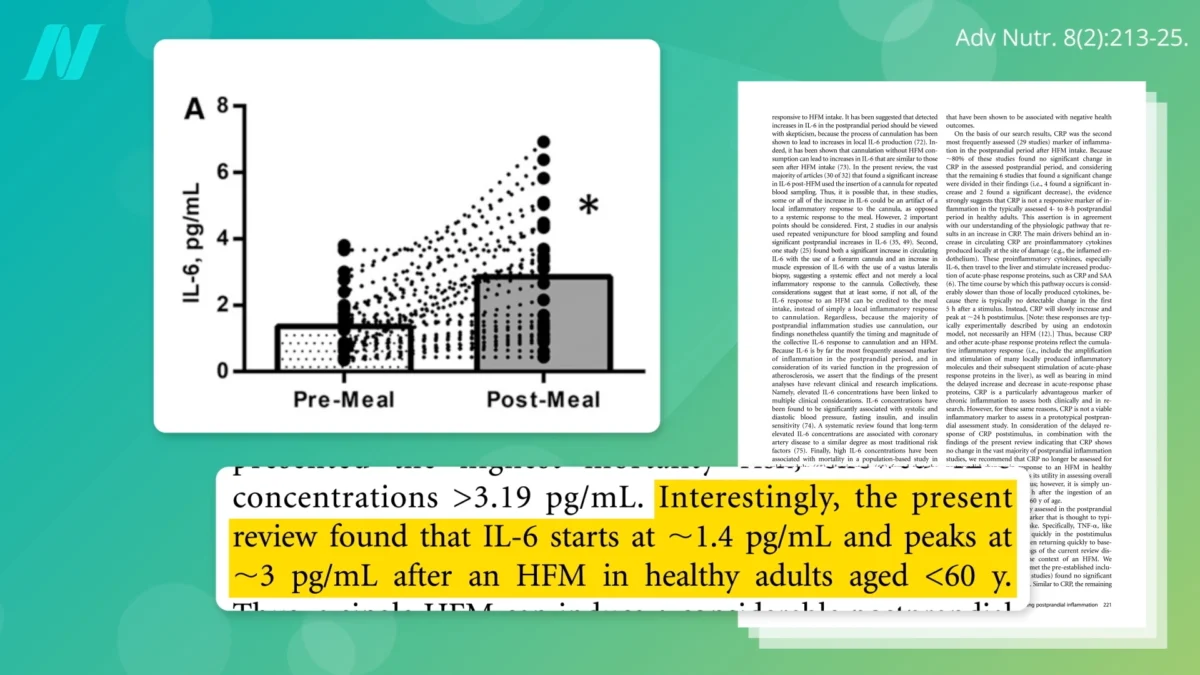
The body’s intricate defense system, designed to combat injury and infection, can be inadvertently triggered by something as commonplace as a meal. Emerging scientific understanding reveals that even a single, pro-inflammatory meal can initiate a cascade of inflammatory responses, with key markers like interleukin-6 (IL-6) potentially doubling within a mere six hours. This rapid physiological shift carries significant implications, as persistent low-grade inflammation is increasingly linked to a host of chronic diseases that represent leading causes of death and disability globally, including type 2 diabetes, obesity, and cardiovascular disease.
For years, the focus on diet and inflammation has largely centered on the long-term effects of habitually consuming pro-inflammatory foods, particularly those high in saturated fats. However, recent research underscores a more immediate concern: the acute inflammatory impact of individual meals. This suggests that dietary choices have a much more dynamic and rapid influence on our health than previously understood, with profound consequences for both acute well-being and the development of chronic conditions.
The Immediate Aftermath: A Rapid Rise in Inflammatory Markers
Studies investigating the physiological effects of meal consumption have consistently demonstrated a swift and significant elevation in inflammatory biomarkers. Interleukin-6 (IL-6), a cytokine known to play a crucial role in both acute and chronic inflammation, is frequently observed to spike dramatically following the ingestion of unhealthy meals. Research indicates that IL-6 levels can increase by as much as 100% within a six-hour window post-consumption. This rapid response is not confined to meals that are merely high in fat. Investigations have shown that meals rich in refined carbohydrates, such as those made with white flour and laden with added sugars, also trigger a pronounced inflammatory reaction.

A critical distinction has emerged in understanding the specific culprits within these meals. When study participants consumed pure butter fat, devoid of carbohydrates, a noticeable spike in inflammation was observed. This finding directly implicates dietary fat as a pro-inflammatory agent in its own right. Equally compelling, when individuals were given sugar water without any fat, a similar inflammatory surge occurred, demonstrating that added sugars also possess potent pro-inflammatory properties. This dual impact of both fat and sugar in triggering inflammation highlights the synergistic effect of these common ingredients found in many processed and fast foods.
The Significance of Transient Inflammation: A Gateway to Chronic Disease
The concern surrounding these transient inflammatory responses stems from the growing body of evidence linking persistent, low-grade inflammation to a wide spectrum of serious health issues. While an acute inflammatory response is a normal and necessary part of the body’s healing process, chronic inflammation can lead to ongoing tissue damage and dysfunction. Researchers suggest that this sustained state of heightened inflammation acts as an underlying factor in the development and progression of several high-mortality chronic diseases. The dietary choices we make, therefore, can either contribute to or help to mitigate this detrimental inflammatory process.
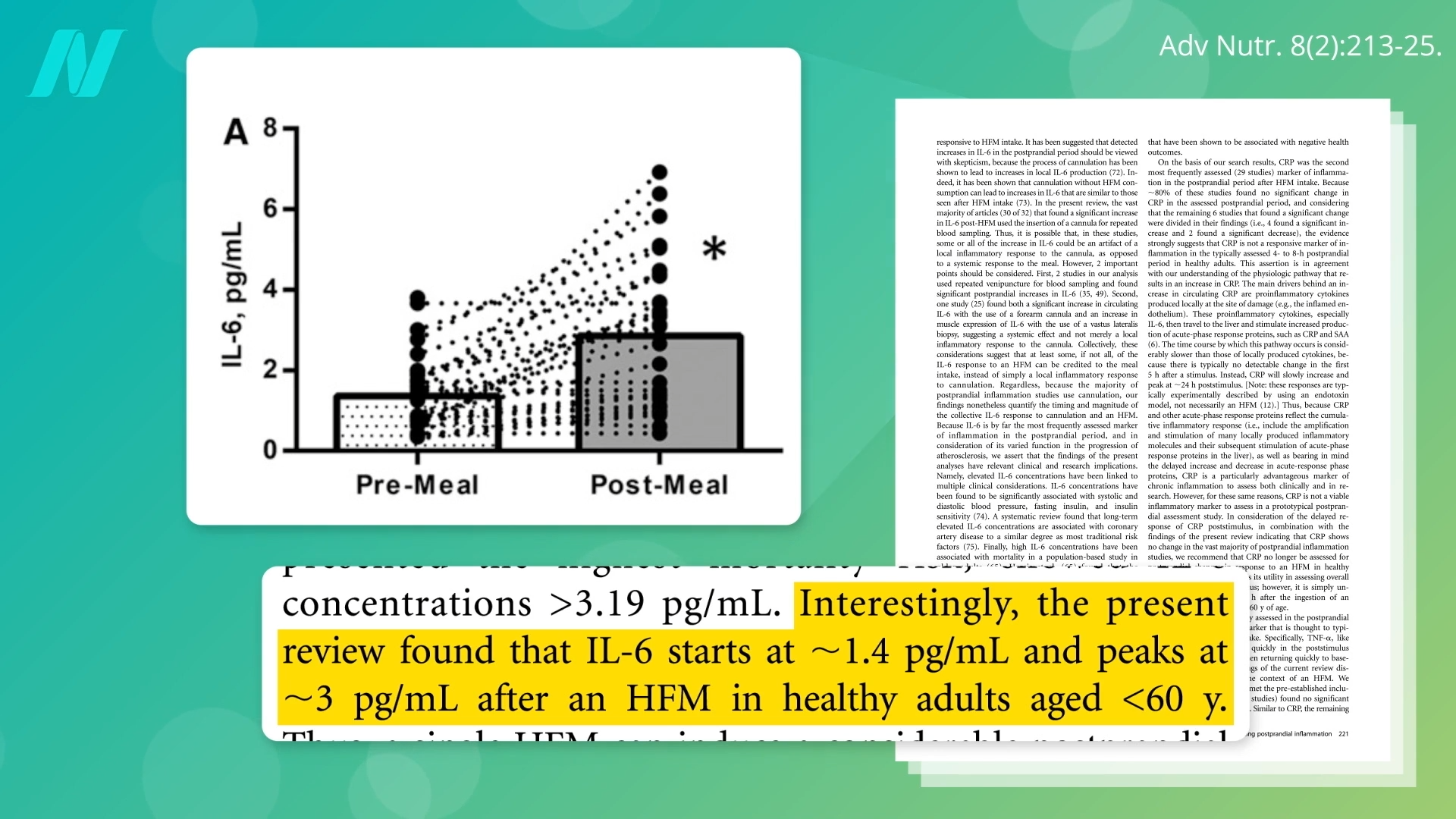
Data presented from research studies visually depict this phenomenon. Following the consumption of a pro-inflammatory meal, IL-6 levels have been observed to rise to approximately 3 picograms per milliliter (pg/mL). While this figure might seem modest in isolation, its implications are substantial. When IL-6 levels regularly reach or exceed this threshold, studies indicate a doubled risk of mortality. This elevated risk has been observed across diverse populations and study cohorts, underscoring its significance as a predictor of adverse health outcomes. The association is particularly strong with cardiovascular disease, the leading cause of death for both men and women globally, with the inflammatory impact rivaling that of well-established risk factors such as high cholesterol.
Identifying the Most Potent Inflammatory Triggers
The research points to specific food components and meal compositions as particularly effective in igniting this inflammatory cascade. While a comprehensive analysis of every food item is beyond the scope of a single report, the studies highlight a few key categories.
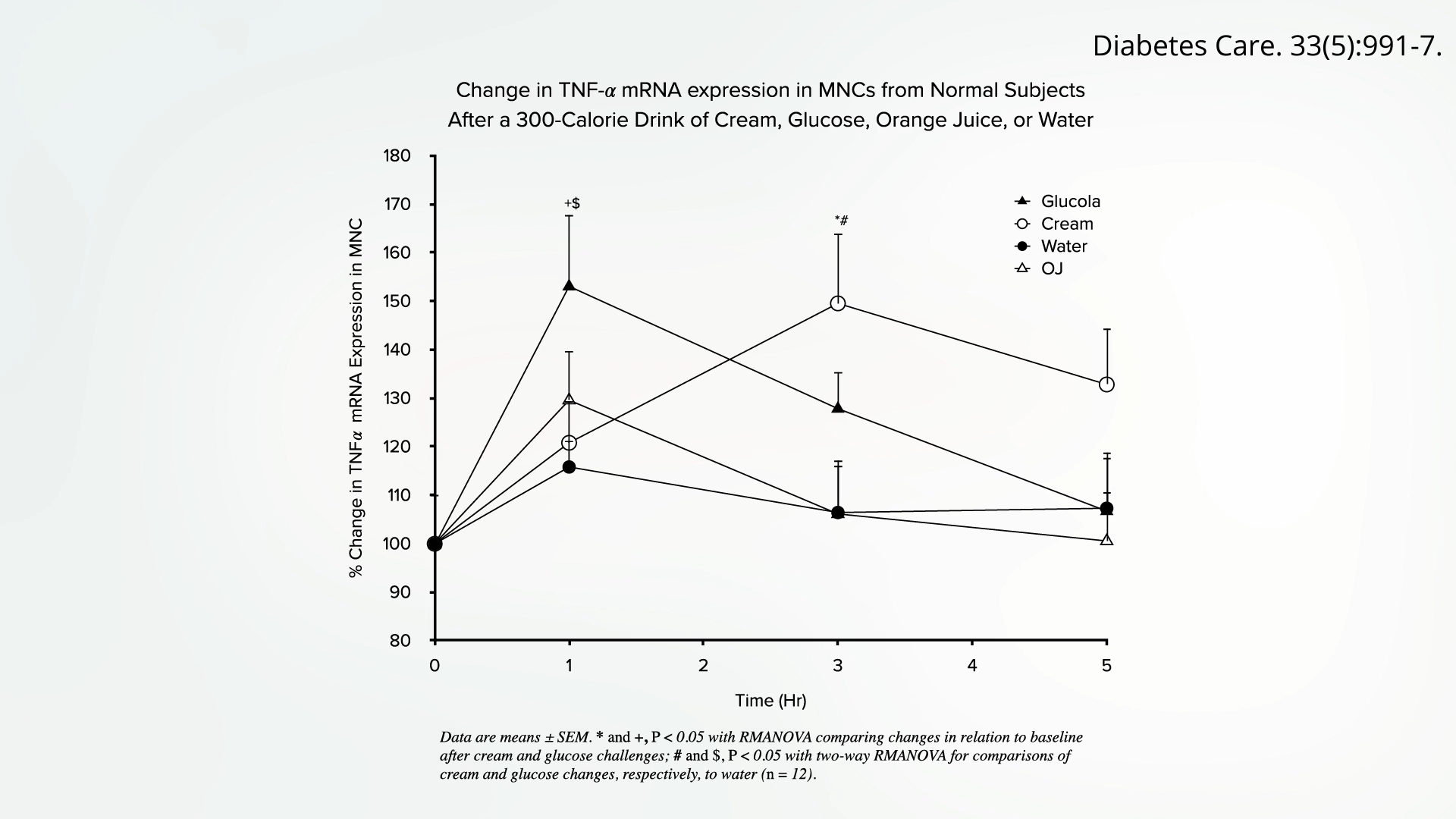
- Refined Carbohydrates and Added Sugars: As demonstrated in the research, meals high in refined carbohydrates like white flour and those with significant amounts of added sugars are potent triggers of inflammation. These ingredients are rapidly absorbed, leading to blood sugar spikes and subsequent inflammatory responses.
- High-Fat Meals: While pure fat can induce inflammation, meals that combine high fat content with refined carbohydrates appear to exert an even greater pro-inflammatory effect. The synergistic interaction between these macronutrients warrants further investigation, but current data suggest a combined impact.
- Certain Animal Products: While the term "high-fat meal" often conjures images of processed foods, research has also examined the inflammatory effects of various animal products. Studies involving fatty cuts of meat have consistently shown an increase in inflammatory markers such as IL-6, tumor necrosis factor (TNF), and C-reactive protein (CRP) within hours of consumption. Even remarkably lean meats, such as kangaroo steak, have been shown to elicit a significant inflammatory response when compared to plant-based alternatives. This suggests that components beyond mere fat content in animal products may contribute to inflammation.
Nuances in Dietary Impact: Not All Fats Are Equal
It is crucial to note that not all foods containing fat are inherently pro-inflammatory. A significant body of research has differentiated between the inflammatory potential of various fat sources. Whole plant foods, including nuts, have been repeatedly shown not to increase inflammatory markers, even when consumed in substantial quantities, such as a handful a day. This suggests that the matrix in which fats are consumed, along with other accompanying nutrients, plays a critical role.
Furthermore, the addition of certain plant-based fats can actually serve to mitigate inflammation. For instance, studies have indicated that incorporating half an avocado into a meal, even one that includes beef, can help to blunt some of the inflammatory response triggered by the meat. This highlights the potential for strategic dietary combinations to modulate the body’s physiological reactions to food.
The Lean Meat Paradox: Inflammation Beyond Fat Content
While conventionally, lean meats have been perceived as a healthier alternative to fattier cuts, research challenges this notion concerning inflammation. Studies comparing the inflammatory effects of wild game, known for its leanness, to conventionally raised meats have shown that while wild game may be less inflammatory than its store-bought counterparts, it is still pro-inflammatory. The consumption of fatty meats, regardless of their source, has been shown to elevate IL-6, TNF, and CRP levels within hours.
Intriguingly, even extremely lean animal proteins, such as kangaroo steak, have been observed to induce a strong inflammatory response. This suggests that factors beyond simple fat content, potentially including the presence of heme iron or other compounds found in animal muscle tissue, may contribute to the pro-inflammatory effects. When individuals consumed kangaroo steak, which is comparable in fat content to elk or moose, a similar pattern of increased inflammatory markers was observed within hours, mirroring the response seen with other animal-based meals. While these lean meats may be less inflammatory than fattier conventional options, they still contribute to the inflammatory load on the body.
Broader Implications and Future Directions
The findings underscore the profound and immediate impact of dietary choices on physiological well-being. The rapid onset of inflammation following a single meal suggests that consistent, healthy eating habits are paramount for long-term health. The implications extend to public health messaging, emphasizing the need for greater awareness regarding the inflammatory potential of common food items, particularly processed foods and those high in refined sugars and certain types of fats.
This body of research opens avenues for further investigation into the specific mechanisms by which different food components trigger inflammation. Understanding these pathways could lead to more targeted dietary recommendations and potentially novel therapeutic interventions for inflammatory diseases. The contrast between the pro-inflammatory effects of certain animal products and the anti-inflammatory or neutral effects of whole plant foods also reinforces the importance of plant-forward dietary patterns in disease prevention and management.
As the scientific community continues to unravel the complexities of diet and inflammation, the message is becoming increasingly clear: what we eat has a direct and rapid impact on our bodies’ internal environment. By making informed choices about the foods we consume, individuals can actively participate in managing their inflammatory responses and potentially mitigate their risk of developing serious chronic diseases. The next step in this ongoing dialogue will involve exploring which foods actively combat inflammation, offering a counterpoint to the triggers identified in current research.
Doctor’s Note: The insights presented here are drawn from peer-reviewed scientific literature and are intended to inform the public about the physiological effects of diet. For personalized dietary advice and management of chronic conditions, consultation with a qualified healthcare professional or registered dietitian is recommended.

