

Fasting and rigorous exercise have long been recognized for their potential to promote longevity, and emerging scientific research is highlighting a key player: the hormone FGF21. This potent molecule, characterized as a "systemic enhancer of longevity," can be naturally elevated through dietary choices, offering a less extreme path to harnessing its benefits. For over a century, the practice of fasting has been lauded not only for its ability to combat mental fatigue but also for its promise in "the prolongation of healthy longevity." Modern science is beginning to illuminate the biochemical pathways that might underpin these historical observations, with FGF21 emerging as a significant candidate for this connection.
The Science Behind FGF21: A Longevity Hormone
Fibroblast Growth Factor 21 (FGF21) is a hormone that plays a crucial role in regulating metabolism and has been increasingly linked to various aspects of aging and healthspan. Its ability to be boosted through lifestyle interventions like fasting and exercise positions it as a focal point for research into extending healthy lifespans. While prolonged fasting can significantly increase FGF21 levels, a growing body of evidence suggests that specific dietary modifications can achieve similar effects, making these benefits accessible to a broader population.
The research indicates that FGF21 levels can be influenced by macronutrient intake, particularly carbohydrates and protein. This discovery opens up avenues for dietary strategies that can support the body’s natural production of this longevity-promoting hormone.
Carbohydrate Intake and FGF21 Levels
One of the most direct dietary pathways to increasing FGF21 involves carbohydrate consumption. Studies have demonstrated that a diet rich in starchy foods can lead to a significant surge in FGF21 levels. The healthiest sources of these carbohydrates are likely to be whole grains and beans. This is partly attributed to the role of butyrate, a short-chain fatty acid produced by gut bacteria from the fermentation of dietary fiber. Butyrate has been shown to boost FGF21 production, and fiber-rich foods are the primary source of fuel for these beneficial gut microbes.
For example, research published in journals like PubMed has consistently shown a positive correlation between the intake of complex carbohydrates and circulating FGF21 concentrations. Whole grains, such as oats, quinoa, and brown rice, and legumes, including lentils, chickpeas, and black beans, provide not only the necessary fiber for butyrate production but also a steady release of glucose, which can signal the body to produce FGF21. This contrasts with simple sugars, which can lead to metabolic dysregulation and may not offer the same longevity benefits. The mechanism involves the stimulation of specific receptors in the gut and liver that trigger FGF21 release in response to nutrient availability.
The Impact of Protein Intake on FGF21
Perhaps one of the most compelling dietary revelations concerning FGF21 is the significant impact of protein intake, specifically the reduction of excessive protein consumption. Circulating FGF21 levels have been observed to increase dramatically following the adoption of a lower-protein diet. This reduction doesn’t necessarily mean severe protein restriction but rather bringing intake down from the often excessive levels consumed in many Western diets to amounts that align with recommended daily allowances.
Timeline of Research Findings on Protein Restriction and FGF21:
- Early Observations: Initial studies began to identify FGF21 as a key metabolic regulator.
- 2010s: A series of studies specifically investigated the relationship between dietary protein and FGF21.
- Mid-2010s: Research indicated that prolonged fasting boosted FGF21.
- Around 2015-2017: Studies began to demonstrate that reducing carbohydrate intake increased FGF21. Crucially, research emerged showing that reducing protein intake also significantly elevated FGF21 levels. One study, for instance, noted an increase of over 150% in FGF21 within four weeks of adopting a lower-protein diet.
- 2017-2018: Further investigations delved into the magnitude of these increases. A notable study involved men who typically consumed around 112 grams of protein daily. When their intake was reduced to 64 grams – still exceeding the recommended 56 grams for men – their FGF21 levels essentially doubled. This reduction, even when remaining above the recommended intake, led to a surprising outcome: increased body fat loss despite consuming significantly more calories.
This phenomenon challenges conventional dietary wisdom. The ability to lose body fat while consuming more calories is a tantalizing prospect, and FGF21 may provide a biological explanation. By "playing down protein to play up metabolism," individuals could potentially enhance fat-burning capabilities. This suggests that the quality and quantity of protein, rather than solely total calorie intake, play a critical role in metabolic regulation and FGF21 signaling.

The recommended daily allowance (RDA) for protein for most men is 56 grams per day. However, data from the U.S. Department of Agriculture (USDA) and other nutritional surveys consistently show that the average American male consumes well over 100 grams daily, with many exceeding 150 grams. This surplus intake, researchers posit, may not only be unnecessary but could also be detrimental to optimal metabolic function and FGF21 signaling.
Clinical Benefits of Modest Protein Reduction
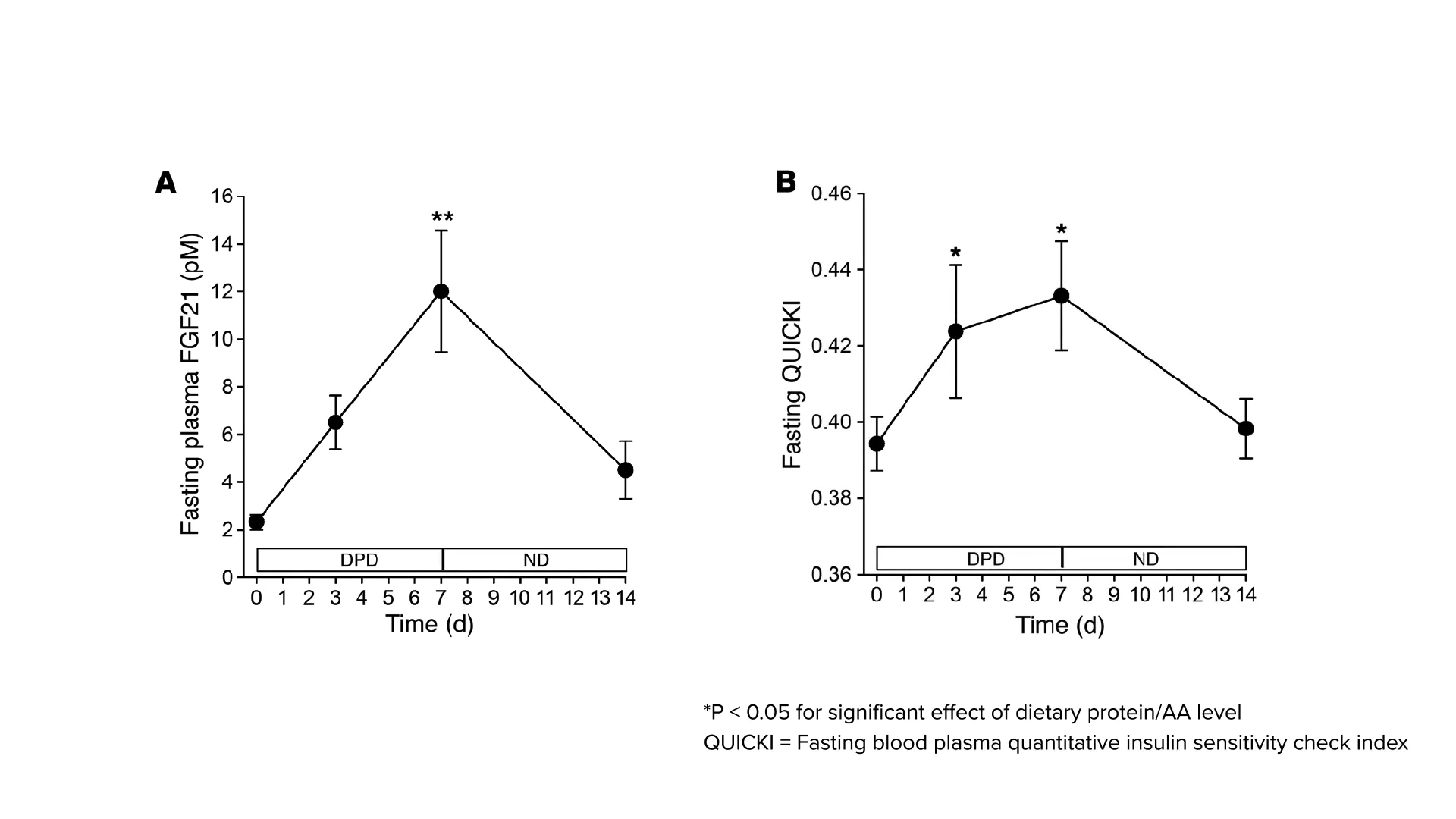
The implications of even modest protein restriction are significant. A study involving a reduction in protein intake found substantial clinical benefits. After a month and a half, participants showed positive changes. Another study reported even more dramatic results with less stringent protein restriction. When men reduced their protein intake to 73 grams per day, they experienced a sixfold increase in FGF21 levels within a single week. This was accompanied by a significant improvement in insulin sensitivity, a key indicator of metabolic health and a predictor of reduced risk for type 2 diabetes.
These findings have led researchers to conclude that "dietary protein dilution promotes our metabolic health." The growing body of evidence suggesting positive associations between lower protein intake and better health outcomes, including increased longevity and improved insulin sensitivity, is compelling. FGF21 appears to be a central mediator in these beneficial effects.
Interestingly, the protein intake levels studied in some of these trials, around 9% of total calories from protein, are comparable to the dietary patterns of populations historically known for their longevity, such as the Okinawans. This historical dietary context lends further weight to the idea that modern, high-protein diets may be contributing to metabolic and health challenges.
Methionine Restriction: A Specialized Protein Strategy
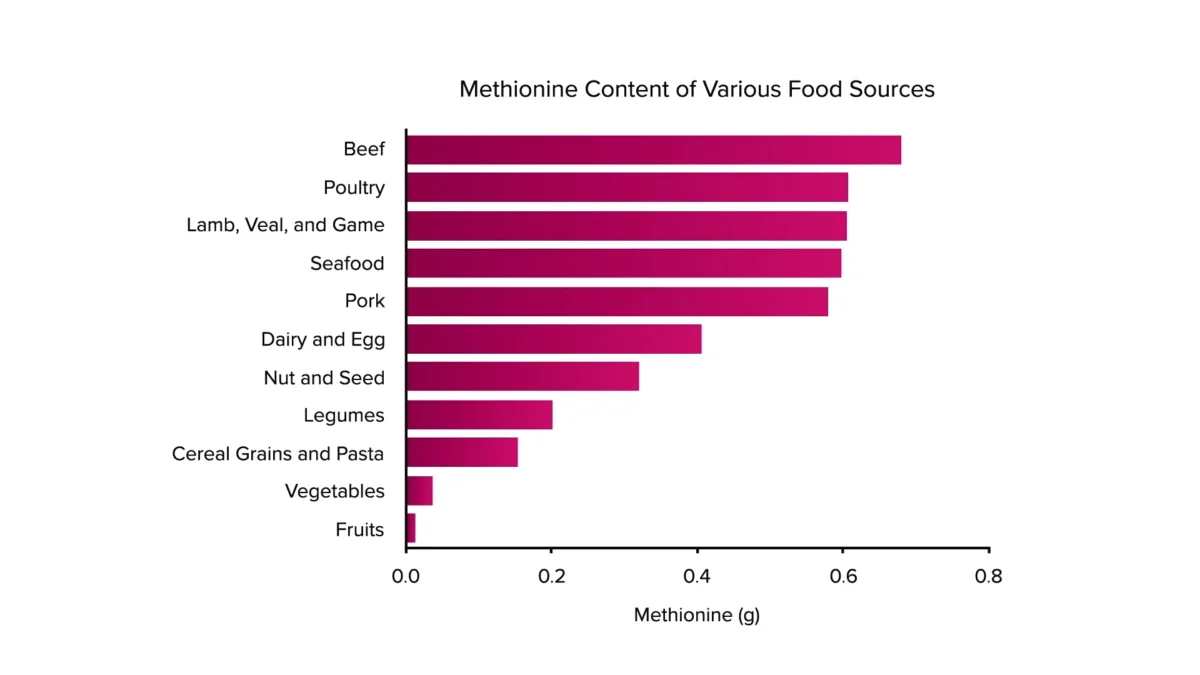
Beyond general protein intake, the restriction of specific amino acids, particularly methionine, is emerging as a powerful strategy for boosting FGF21 and promoting longevity. Methionine is an amino acid found predominantly in animal proteins. Consequently, reducing the consumption of animal-based foods can lead to methionine restriction.
Research indicates that methionine restriction significantly boosts FGF21 levels, to the extent that it has been termed "the most important mediator of metabolic reprogramming in methionine restriction." This suggests that the type of protein consumed is as important as the total quantity.
Methionine Content Comparison (Approximate):
- Meat: High methionine levels.
- Legumes (beans, split peas, chickpeas, lentils): Approximately three times less methionine than meat.
- Whole Grains: Lower methionine levels compared to meat.
- Fruits and Vegetables: Generally very low in methionine.
This understanding has profound implications for dietary choices. A shift away from high-methionine animal proteins towards plant-based protein sources like legumes and whole grains can facilitate methionine restriction, thereby promoting FGF21 production and its associated health benefits.
The Role of Plant-Based Diets in FGF21 Production
The evidence strongly suggests that strictly plant-based diets, particularly whole-food, plant-based (WFPB) diets, are associated with higher FGF21 levels and confer significant protective benefits against a range of chronic diseases. FGF21 has been proposed as a potential mediator of the protection from cancer, autoimmune diseases, diabetes, and obesity that is often observed in individuals following these dietary patterns.
This may explain the extraordinary results seen with WFPB diets in clinical practice. For instance, Dr. Caldwell Esselstyn Jr.’s groundbreaking work has demonstrated that coronary artery disease, the leading cause of death for men and women, can be significantly halted or even reversed with a whole-food, low-fat vegan diet. While cholesterol reduction plays a role, the profound benefits observed go beyond what can be achieved by cholesterol-lowering medications alone. This suggests a multitude of protective mechanisms at play, and FGF21 is emerging as a key component.
The impact of WFPB diets on FGF21 levels has now been directly investigated. A study comparing individuals on plant-based diets with omnivores found that vegans had markedly higher circulating FGF21 levels. Furthermore, when omnivores switched to vegetarian diets for just four days, their FGF21 levels increased by an astonishing 232%. This rapid and dramatic response underscores the powerful influence of dietary composition on FGF21 production.
The quality and quantity of protein in plant-based diets, characterized by lower methionine content and higher fiber, contribute to this effect. The absence of heme iron, a factor present in red meat that has been linked to increased oxidative stress and inflammation, may also play a role in the broader health benefits associated with plant-based eating.
Synthesizing the Findings: A Holistic Approach to Longevity
The collective research points towards a comprehensive dietary strategy for optimizing FGF21 levels and promoting longevity. This strategy involves:
- Prioritizing Complex Carbohydrates: Incorporating whole grains, legumes, and starchy vegetables to support butyrate production and provide sustained energy.
- Reducing Excessive Protein Intake: Shifting protein consumption towards recommended daily allowances, focusing on quality sources.
- Embracing Plant-Based Proteins: Replacing high-methionine animal proteins with legumes, nuts, seeds, and whole grains.
- Adopting a Whole-Food, Plant-Based Diet: This approach naturally incorporates many of the beneficial elements discussed, leading to higher FGF21 levels and a reduced risk of chronic diseases.
The "bottom line," as suggested by some research, is that various fasting approaches, while beneficial, may have limited efficacy for broad longevity and conditions beyond obesity unless combined with nutrient-dense diets. Moderate calorie intake, combined with predominantly plant-based, low-protein diets – by which is meant the recommended amount of protein – appears to be the most effective synergy.
Broader Implications for Public Health
The growing understanding of FGF21’s role in longevity and metabolic health has significant implications for public health initiatives and dietary guidelines. It suggests a paradigm shift away from focusing solely on calorie restriction or macronutrient ratios towards a more nuanced approach that considers the quality of food and its impact on hormonal signaling.
The potential for dietary interventions to naturally boost a hormone linked to extended healthspan offers a powerful, accessible, and sustainable pathway to improving population health. As research continues to unravel the complex interplay between diet, hormones, and aging, the evidence for the profound benefits of a whole-food, plant-based diet in promoting FGF21 production and enhancing longevity is becoming increasingly undeniable.
Further Reading:
For those interested in delving deeper into specific aspects of this research, the following resources are recommended:
- Life Extension with FGF21: An introductory overview of FGF21’s role in longevity.
- Methionine Restriction as a Life-Extension Strategy: Explores the impact of methionine restriction on lifespan.
- Starving Cancer with Methionine Restriction: Investigates the potential of methionine restriction in cancer therapy.

