

The enduring quest for a cure for cancer, a battle initiated with significant national fervor nearly 55 years ago, has largely overshadowed a critical aspect of disease management: prevention. This historical emphasis, predominantly directed towards therapeutic interventions rather than proactive measures, has yielded a sobering reality. Despite decades of intensive research and substantial financial investment, mortality rates from the most prevalent cancers in the United States have remained stubbornly high, a testament to the limitations of a strategy heavily reliant on late-stage interventions.
A Paradigm Shift in Understanding Cancer
A fundamental reevaluation of our approach to cancer is urgently needed. Cancer, particularly the common epithelial cancers such as lung, colorectal, breast, prostate, pancreas, and ovarian cancers – which collectively account for the majority of cancer-related deaths – is not an acute onset disease. Instead, these cancers are characterized by a remarkably long latency period, often spanning two decades or more. This means that the development of invasive cancer is a gradual process, with precancerous changes occurring silently over many years. The common perception of being "healthy" until the emergence of symptoms, such as a palpable lump or a positive mammogram, represents a significant misperception. This prolonged incubation period underscores the critical need to address the underlying biological processes long before they manifest as overt disease. The analogy of a barn with smoldering hay before it ignites serves as a potent reminder that the absence of visible flames does not equate to safety.
The Pharmaceutical Approach vs. Dietary Intervention
In response to the ongoing challenges in cancer control, the pharmaceutical industry has increasingly focused on chemoprevention – the use of medications to prevent disease. Similar to the extensive promotion of statins and blood thinners for the prevention of heart disease and strokes, there is a growing impetus to consider lifelong drug regimens for cancer prevention. However, this approach raises fundamental questions about long-term efficacy, potential side effects, and accessibility.
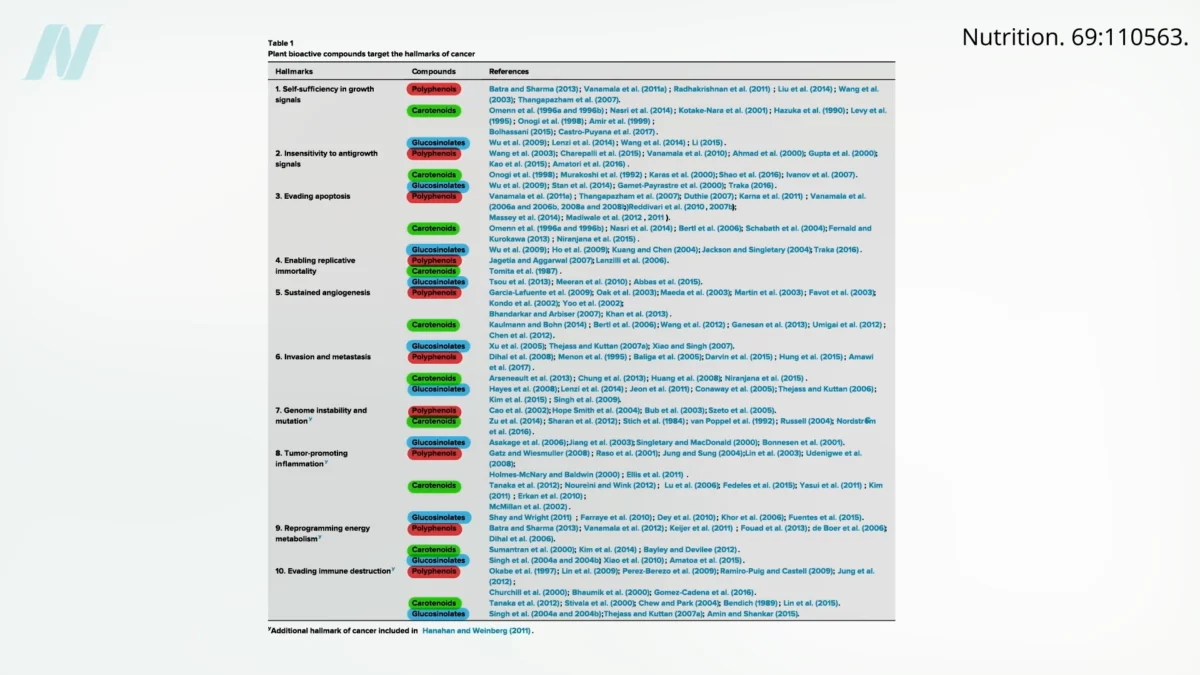
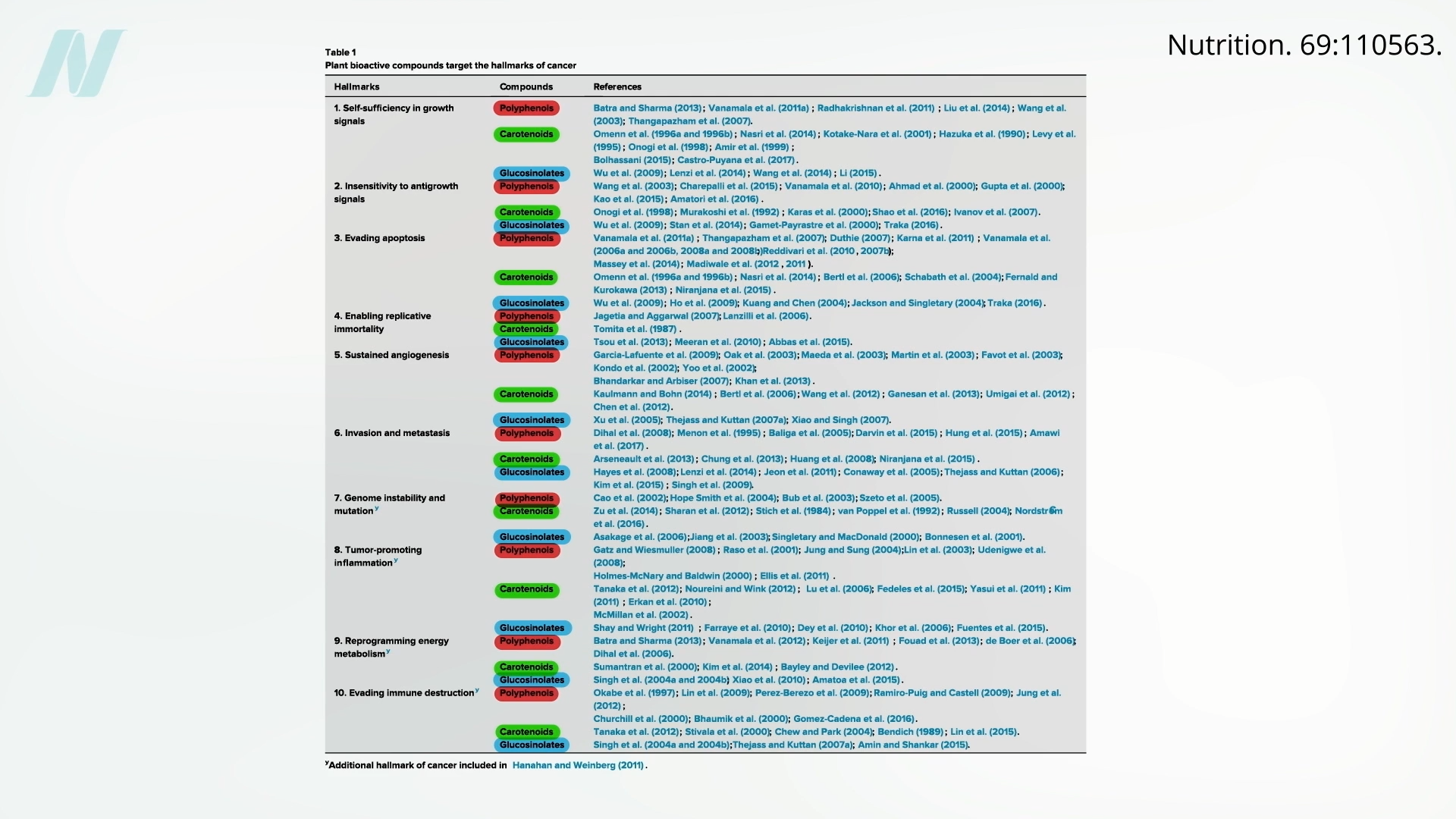
Conversely, a growing body of scientific evidence points towards the profound potential of diet and nutrition in both preventing and managing cancer. While the complexity of over 200 distinct cancer types presents a significant challenge, a unifying factor lies in their shared underlying biological mechanisms, known as the "hallmarks of cancer." These hallmarks, identified through extensive research and cited tens of thousands of times in biomedical literature, describe the fundamental capabilities that cancer cells acquire to grow and spread.
The Ten Hallmarks of Cancer
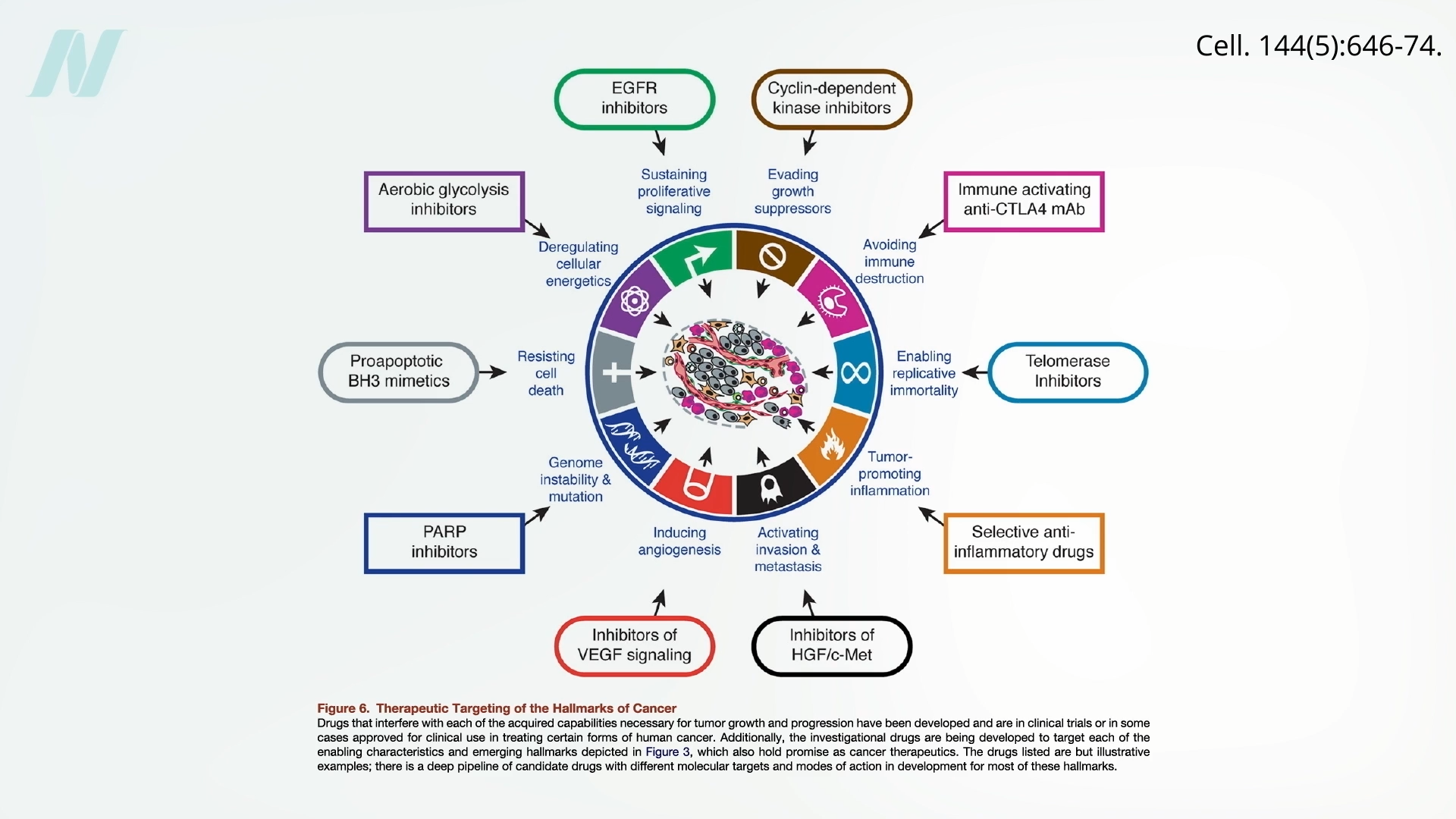
The ten identified hallmarks of cancer are:

- Sustaining proliferative signaling: Cancer cells often hijack signaling pathways to promote uncontrolled growth.
- Evading growth suppressors: They disable the body’s natural brakes on cell division.
- Resisting cell death: Cancer cells develop mechanisms to avoid programmed cell death (apoptosis).
- Enabling replicative immortality: They overcome the normal limits on cell division, becoming virtually immortal.
- Inducing angiogenesis: Cancer tumors stimulate the formation of new blood vessels to supply nutrients and oxygen.
- Activating invasion and metastasis: They gain the ability to invade surrounding tissues and spread to distant sites.
- Deregulating cellular energetics: Cancer cells reprogram their metabolism to fuel rapid growth.
- Avoiding immune destruction: They develop strategies to evade detection and elimination by the immune system.
- Genome instability and mutation: Their genetic material becomes unstable, leading to rapid accumulation of mutations.
- Tumor-promoting inflammation: Chronic inflammation can create a microenvironment conducive to cancer development and progression.
Historically, drug development has focused on targeting individual hallmarks. While advancements in chemotherapy have provided vital treatments, the development of drugs that can effectively and safely target multiple hallmarks simultaneously has proven elusive. This inherent limitation of pharmaceutical interventions highlights the potential advantages of a more holistic approach.
The Power of Plants: A Natural Cocktail of Bioactive Compounds
The investigation of plant-based foods as a means of cancer prevention and treatment is gaining significant traction within the scientific community. This interest stems from the understanding that fruits, vegetables, and other plant-based foods are rich in a complex array of bioactive compounds. Unlike single-target drugs, these natural compounds can work synergistically, potentially addressing multiple hallmarks of cancer concurrently.
Research has identified numerous compounds found in everyday plant foods, such as berries, leafy greens, and broccoli, that exhibit the ability to target various hallmarks of cancer, at least in laboratory settings (in vitro). For example, specific phytochemicals have demonstrated potential in:
- Inhibiting uncontrolled cell proliferation: Compounds like sulforaphane from broccoli and resveratrol from grapes have shown promise in slowing down the rapid division of cancer cells.
- Promoting apoptosis (programmed cell death): Certain flavonoids and polyphenols can induce cancer cells to self-destruct.
- Disrupting angiogenesis: Compounds found in green tea and berries may interfere with the formation of new blood vessels that feed tumors.
- Preventing metastasis: Some plant compounds have been observed to inhibit the ability of cancer cells to invade tissues and spread.
This multi-targeting capability of plant-derived compounds offers a compelling advantage over single-agent pharmaceutical approaches, which often struggle to achieve broad-spectrum efficacy without significant collateral damage to healthy cells.
Ideal Chemopreventive Agents: Plants Fit the Bill
When considering the ideal characteristics of a chemopreventive agent, plants emerge as remarkably well-suited candidates. An ideal agent would possess several key attributes:
- Selectivity: Targeting cancerous or precancerous cells while leaving normal cells unharmed.
- Safety: Producing minimal to no adverse side effects.
- Broad Spectrum: Effective against a wide range of cancer types.
- Accessibility: Easily incorporated into a daily diet.
- Availability: Readily obtainable in most regions.
- Affordability: Cost-effective for widespread adoption.
Whole plant foods demonstrably meet these criteria. Their complex matrix of thousands of bioactive compounds, acting in concert, offers a powerful, natural, and accessible approach to cancer prevention.
The Concept of Food Synergy: The Whole is Greater Than the Sum of its Parts
Much of nutritional science has historically adopted a reductionist approach, focusing on the impact of single dietary components or nutrients. While this methodology has been valuable in identifying the roles of specific foods or vitamins in disease, it may overlook the intricate interplay of compounds within whole foods. The concept of "food synergy" posits that the combined effect of multiple components in a food is greater than the sum of their individual effects.
A compelling study illustrates this principle. Researchers treated breast cancer cell lines with six different plant compounds individually, and then collectively, at concentrations typically found in the bloodstream after consuming foods like broccoli, grapes, soybeans, and turmeric. Individually, these compounds showed limited efficacy. However, when combined, they exhibited a remarkable synergistic effect:
- Suppressed breast cancer cell proliferation by over 80%.
- Inhibited cancer cell invasion and migration.
- Effectively halted cancer cell progression.
- Ultimately led to the complete eradication of cancer cells.
Crucially, this "phytochemical supercocktail" achieved these potent anti-cancer effects without causing any detrimental impact on normal, noncancerous cells. This finding strongly supports the notion that the complex interactions within whole plant foods can unlock powerful therapeutic and preventative potential.
Evidence-Based Foundation for Plant-Centric Prevention
The World Cancer Research Fund (WCRF) and the American Institute for Cancer Research (AICR) have conducted extensive reviews of the scientific literature on diet, nutrition, and cancer. Their conclusions, based on the most comprehensive analyses ever published, consistently highlight that the foundation of cancer prevention lies not in pills, but in plants.
This evidence-based perspective advocates for a dietary pattern that emphasizes:
- Whole grains: Providing fiber, vitamins, and minerals that support overall health and may play a role in cancer prevention.
- Vegetables and fruits: Rich in antioxidants, vitamins, minerals, and phytochemicals with known anti-cancer properties.
- Legumes (beans and lentils): Offering fiber, protein, and a range of beneficial compounds.
Conversely, the recommendations consistently advise reducing the consumption of:
- Alcohol: A known carcinogen linked to several types of cancer.
- Sugary drinks (soda): Associated with increased risk of obesity and certain cancers.
- Red and processed meats: Classified as carcinogenic or probably carcinogenic to humans.
- Highly processed junk foods: Often high in unhealthy fats, sugar, and sodium, and low in essential nutrients.
Broader Implications and Future Directions
The shift in focus from a solely therapeutic paradigm to a robust prevention strategy, centered on dietary patterns, carries significant implications for public health policy, healthcare systems, and individual well-being.
Public Health Policy and Investment
A greater allocation of research funding towards understanding and promoting plant-based nutrition for cancer prevention could yield substantial long-term benefits. This includes supporting large-scale epidemiological studies, clinical trials investigating the efficacy of whole-food diets, and public health campaigns designed to educate and empower individuals to make healthier food choices. Investing in prevention is often more cost-effective in the long run than managing the downstream consequences of untreated or advanced diseases.
Healthcare System Adaptation
Healthcare providers can play a crucial role in integrating nutritional counseling into routine patient care. This involves training medical professionals to provide evidence-based dietary recommendations and facilitating access to registered dietitians and nutritionists who can offer personalized guidance. A proactive approach to health, incorporating nutritional strategies, can lead to improved patient outcomes and reduced healthcare burdens.
Individual Empowerment and Lifestyle Choices
Ultimately, the power to significantly reduce cancer risk lies with individuals. By embracing a diet rich in whole plant foods and limiting consumption of known carcinogens and processed items, individuals can actively participate in their own health. This empowers a shift from a reactive approach to disease management to a proactive strategy of disease prevention, fostering a culture of wellness.
The historical trajectory of cancer research, heavily weighted towards finding cures, has undoubtedly led to life-saving treatments. However, the persistent burden of cancer necessitates a rebalancing of priorities. The burgeoning scientific evidence supporting the role of plant-based diets in cancer prevention offers a powerful and accessible pathway forward. By recognizing plants as the true foundation of cancer prevention, and by adopting dietary patterns that harness their inherent protective properties, we can move towards a future where cancer is not only treated but, more importantly, prevented.
Doctor’s Note: This article synthesizes current research and expert consensus on the role of diet in cancer prevention. For further exploration, numerous videos and articles on cancer prevention and treatment are available through related resources, offering in-depth information on specific dietary strategies and scientific findings.

