

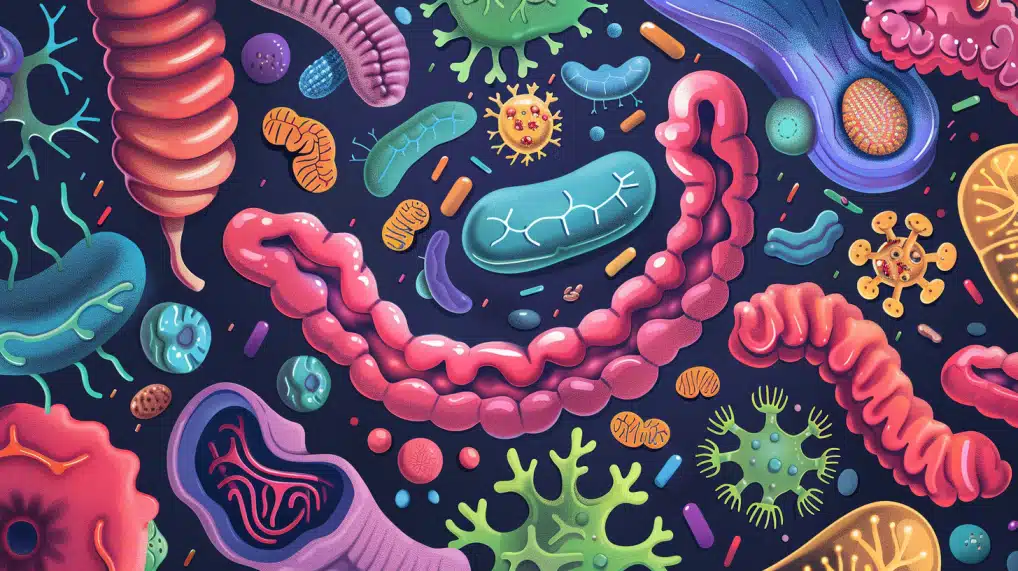
The intricate relationship between the gut microbiome and major depressive disorder (MDD) is gaining significant attention within the scientific community, with emerging research highlighting crucial sex-specific disparities in microbial composition and its potential impact on MDD, underscoring the necessity of integrating sex as a biological variable in future studies. This burgeoning field of research, exemplified by a comprehensive 2024 review published in Frontiers in Psychiatry by Niemela et al., is transforming our understanding of MDD’s pathophysiology and opening new avenues for personalized diagnostics and therapeutics.
The Gut-Brain Axis: A Deeper Dive into MDD’s Biological Roots
Major Depressive Disorder is a complex and debilitating mental health condition affecting millions worldwide, characterized by persistent sadness, loss of interest, and a range of physical and cognitive symptoms. Despite decades of research, its exact causes remain elusive, and current treatments, while effective for many, do not work for everyone. This challenge has propelled scientists to explore novel pathways, leading to an intensified focus on the "gut-brain axis"—a bidirectional communication system linking the central nervous system with the enteric nervous system of the gut. This axis involves neural, endocrine, immune, and metabolic signaling pathways, through which the trillions of microorganisms residing in our intestines (the gut microbiome) can profoundly influence brain function, mood, and behavior.
The gut microbiome comprises a vast ecosystem of bacteria, archaea, fungi, and viruses, whose collective genetic material (the metagenome) far exceeds that of the human host. These microorganisms play vital roles in digestion, nutrient absorption, immune system development, and the production of neuroactive compounds like short-chain fatty acids (SCFAs) and neurotransmitter precursors. Disturbances in this delicate ecosystem, known as dysbiosis, have been implicated in a wide array of health conditions, including inflammatory bowel disease, obesity, and increasingly, neuropsychiatric disorders like anxiety and depression. The scientific community has been increasingly recognizing the gut microbiome as a potential key player in mental health since the early 2000s, with significant acceleration in research over the last decade due to advancements in sequencing technologies.
Unveiling Sex-Specific Microbial Signatures in Depression
The 2024 review by Niemela et al. meticulously synthesized existing studies examining the link between the gut microbiome and MDD, with a specific emphasis on identifying and characterizing sex-specific differences. This focus is critical, as MDD itself exhibits sex differences in prevalence, symptom presentation, and treatment response, with women being diagnosed with depression at roughly twice the rate of men. Historically, medical research has often overlooked sex as a biological variable, leading to a generalized understanding of diseases that may not accurately reflect distinct biological realities. The review’s findings represent a significant step towards rectifying this oversight in mental health research.
-
Altered Microbiome Diversity: A Mixed Picture
One of the fundamental metrics for assessing the health of a microbial community is its diversity. The review explored both alpha diversity (richness within a single sample) and beta diversity (differences in composition between samples). While one study reported a reduction in alpha diversity among MDD subjects, suggesting a decreased richness in the microbial community compared to controls, the majority of reviewed studies found no significant changes in alpha diversity between individuals with MDD and healthy controls. This nuanced finding suggests that while the sheer number of different species might not always be altered, the types and proportions of these species are.Indeed, significant differences in beta diversity were consistently observed between MDD subjects (both males and females) and healthy controls across multiple studies. This indicates that the overall composition of the gut microbiome is distinctly altered in MDD, with individuals suffering from depression possessing microbial community structures that are measurably different from those of healthy individuals. This alteration in the structure of the microbial community, even if the total richness remains similar, points to a functional shift that could impact host health.
-
Distinct Microbial Profiles Across Sexes
A cornerstone finding of the review was the unequivocal evidence of significant sex-specific differences in the microbiome of individuals with MDD. Females with MDD displayed notable variations in the relative abundance of major bacterial phyla such as Actinobacteria, Firmicutes, and Bacteroidetes when compared to healthy controls and, crucially, to male MDD subjects. For instance, imbalances within the Firmicutes-to-Bacteroidetes ratio, a commonly investigated marker, often varied distinctly by sex in depressed individuals.In stark contrast, male MDD patients exhibited changes primarily in Bacteroidetes and Firmicutes clusters, without the pronounced shifts observed in Actinobacteria seen in females. These findings powerfully underscore the presence of sex-specific microbial signatures associated with MDD, suggesting potential unique pathways through which the gut microbiome influences the disorder differently in males and females. This divergence could be attributed to a myriad of factors, including hormonal differences (e.g., estrogen’s impact on gut permeability and immune function), genetic predispositions, dietary patterns, and differential stress responses between sexes, all of which can shape the gut environment.

-
Correlating Bacteria with Symptom Severity
Beyond general compositional changes, the review identified significant correlations between the presence and abundance of specific bacterial genera and the severity of depressive symptoms in MDD subjects. For females, certain genera were consistently associated with increased depressive symptoms, while others appeared linked to reduced symptoms, hinting at protective or exacerbating roles played by specific microbes.Similarly, among male MDD subjects, distinct bacterial genera were found to correlate with depression severity. This gender-dependent influence of specific microbial taxa on the manifestation of depressive symptoms provides granular insight into the gut-brain axis. It suggests that therapeutic interventions targeting the microbiome might need to be tailored not just to the individual, but specifically to their sex, considering the unique microbial landscape that might be contributing to their depressive state. For example, specific species known to produce anti-inflammatory compounds or neurotransmitter precursors might be depleted in one sex but not the other.
-
Pioneering Diagnostic Biomarkers
Perhaps one of the most exciting translational implications of the review’s findings lies in the potential diagnostic role of microbial markers. The analysis revealed promising results, with the identification of sex-specific gut microbiota signatures capable of differentiating MDD patients from healthy controls. The diagnostic performance of these microbial signatures, as assessed by the area under the receiver operating characteristic curve (AUC), showed high sensitivity, with AUC values ranging from 0.79 to 0.92 for females and 0.79 for males with MDD. An AUC value above 0.75 is generally considered good, while values above 0.90 are excellent, indicating a strong ability to distinguish between groups.This finding suggests the potential utility of microbial markers as a novel, non-invasive diagnostic tool for MDD, offering a measurable biological signature for a disorder traditionally diagnosed based on subjective symptom reporting. Emphasizing the importance of considering gender differences in the development of such biomarkers is paramount, as a ‘one-size-fits-all’ microbial diagnostic panel would likely miss crucial information or perform suboptimally across sexes.
The Role of Gut Dysbiosis in Depression Risk: A Sex-Modulated Equation
The review also delved into the long-term implications of gut health, touching upon the relationship between an initial diagnosis of dysbiosis and the subsequent risk of developing MDD within a five-year timeframe. A particularly striking finding was the stronger association found between dysbiosis and the diagnosis of MDD in males compared to females. This suggests that gut microbiome imbalances may indeed predispose individuals to MDD, but crucially, this risk appears to be modulated by sex.
For men, a disrupted gut microbiome might act as a more direct and potent risk factor for developing depression, potentially due to sex-specific immunological responses, stress coping mechanisms, or metabolic pathways influenced by the microbiome. This insight is critical for understanding the etiology of MDD and for developing targeted preventive strategies. If certain microbial profiles are predictive of future MDD, especially in a sex-specific manner, interventions could be initiated earlier to mitigate risk.
Beyond Correlation: Addressing the Causality Conundrum
While the findings from the Niemela et al. review and numerous other studies are highly compelling, it is crucial to address the skepticism surrounding the causal relationship between gut microbiome alterations and depression. Despite the intriguing correlations identified, the evidence remains largely associative rather than definitive proof of causality. This distinction is vital in scientific discourse and for the responsible development of clinical applications.
-
Correlational vs. Causal Relationships: One of the critical limitations of current gut microbiome research, as highlighted in the broader scientific discussion, is its heavy reliance on correlation studies. While these studies have successfully identified differences in gut microbiome composition between individuals with MDD and healthy controls, they often fall short of establishing a direct causal link. The presence of dysbiosis or specific bacterial taxa associated with depression does not inherently mean that these microbiome alterations cause depression. It could be that depression itself, or factors contributing to depression, lead to changes in the microbiome.
-
Potential Confounding Factors: The complexity of the human microbiome and its interaction with various bodily systems means that numerous confounding factors could influence both gut microbiome composition and depression. These include:

- Dietary Habits: Individuals with depression often have different dietary patterns (e.g., higher intake of processed foods, lower fiber) which can directly impact gut microbial diversity and function.
- Lifestyle Factors: Sedentary lifestyles, sleep disturbances, and smoking are common in depression and can also alter the microbiome.
- Medication Use: Antidepressants, antibiotics, and other medications commonly prescribed to individuals with MDD can significantly influence gut microbial composition. It’s challenging to disentangle whether observed microbiome changes are a cause or an effect of medication.
- Stress and Inflammation: Chronic stress, a known precursor and exacerbator of depression, can directly impact gut permeability and microbial balance. Similarly, systemic inflammation, often elevated in MDD, can influence the gut ecosystem.
- Genetic Predisposition: Both microbiome composition and susceptibility to MDD have genetic components, which could create a spurious correlation if not adequately controlled for.
-
Establishing Causality: To truly establish a causal link between gut microbiome alterations and depression, experimental studies that manipulate the microbiome and observe resultant changes in depressive symptoms are required. While animal studies, particularly in germ-free mice or through fecal microbiota transplantation, have shown that manipulating the gut microbiota can influence behavior, anxiety, and stress responses, translating these findings to human depression remains a significant challenge. Furthermore, even if altering the gut microbiome can impact depressive symptoms, it does not necessarily mean that dysbiosis causes depression in the first place; it could be a contributing factor or part of a feedback loop. Future human research will require rigorous longitudinal studies, carefully controlled dietary and lifestyle interventions, and potentially fecal microbiota transplantation trials in clinical settings, with stringent controls for confounding variables.
Implications for Future Research and Clinical Practice
The findings from the Niemela et al. review, despite the caveats regarding causality, carry profound implications for the future of mental health care, particularly through the lens of personalized medicine.
-
Advancing Diagnostic Tools: The identification of sex-specific microbial signatures opens the door for developing novel, non-invasive diagnostic tools for MDD. Imagine a future where a stool sample could provide valuable insights into an individual’s depression risk or help confirm a diagnosis, potentially complementing traditional psychological assessments. Such biomarkers could enable earlier detection, particularly in individuals with atypical presentations or those at high risk, leading to more timely and effective interventions. The high AUC values reported suggest that this is not merely a theoretical possibility but a tangible goal for clinical development.
-
Tailored Therapeutic Strategies: Understanding the unique microbial profiles associated with MDD in males and females could revolutionize treatment. Instead of a ‘one-size-fits-all’ approach, clinicians might be able to prescribe personalized interventions. For instance, specific probiotic or prebiotic formulations could be developed to target the microbial imbalances observed in male versus female MDD patients. Dietary interventions, which are known to influence the microbiome, could also be customized based on an individual’s microbial signature and sex, potentially enhancing the efficacy of conventional antidepressant therapies. Adjunctive therapies like those explored in related research, such as specific probiotics for women with depression alongside SSRIs, underscore this potential.
-
Unlocking Pathophysiological Mechanisms: Research into gut microbiome abnormalities offers invaluable insights into the complex pathophysiology of depression. By elucidating the precise mechanisms through which the gut microbiome influences brain function and mood—such as through the production of neuroactive metabolites, modulation of inflammation, or direct signaling via the vagus nerve—scientists can identify new therapeutic targets within these pathways. This could pave the way for the development of innovative drugs or non-pharmacological interventions aimed at modulating the gut-brain axis, moving beyond current neurotransmitter-centric models of depression.
-
Proactive Prevention Approaches: Understanding the relationship between gut dysbiosis and depression risk, particularly the sex-modulated nature of this association, opens significant opportunities for preventive measures. For individuals identified as being at risk of developing MDD, interventions aimed at maintaining or restoring a healthy gut microbiome could serve as a proactive strategy. This approach could be particularly beneficial in early life stages, where the gut microbiome is more malleable, and the potential for preventive interventions to have a long-lasting impact on mental health trajectories is greater. Public health campaigns promoting gut-healthy diets could become a component of mental health promotion.
The Broader Call for Sex-Integrated Research
The consistent theme across these findings is the critical importance of integrating sex as a biological variable in all future research on the gut microbiome and MDD. The observed differences in microbial composition, diagnostic potential, and risk associations between males and females with depression are too significant to ignore. The scientific community is increasingly advocating for this approach, recognizing that a failure to account for sex differences can lead to an incomplete understanding of disease, suboptimal diagnostic tools, and less effective treatments. This paradigm shift ensures that research findings are generalizable and applicable to the diverse population affected by MDD, paving the way for truly equitable and effective mental health care.
Conclusion: A New Frontier in Mental Health
The 2024 review by Niemela et al. provides compelling evidence that the gut microbiome plays a significant, and sex-specific, role in major depressive disorder. From altered microbial diversity and distinct compositional changes in males and females to the potential for microbial biomarkers in diagnosis and sex-modulated risk associations, the findings illuminate a complex and promising frontier in mental health research. While the journey from correlation to causation demands continued rigorous investigation, the implications for personalized medicine, novel diagnostics, and targeted therapies are profound. As research in this area continues to mature, it promises to revolutionize our approach to understanding, preventing, and treating depression, offering new hope for individuals grappling with this challenging condition by leveraging the hidden world within our gut.

