

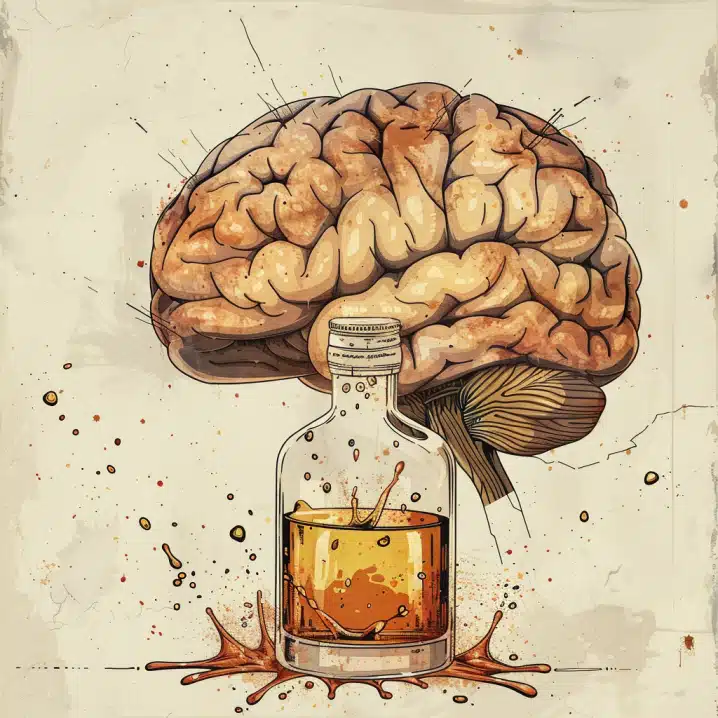
Alcohol’s pervasive effects on the human brain, particularly among the elderly, have long been a focal point of rigorous scientific inquiry, driven by a growing global aging population and the associated public health challenges. A groundbreaking recent study emanating from Gothenburg, Sweden, has significantly advanced this understanding, providing critical new insights into precisely how varying levels of alcohol consumption impact brain structure in individuals aged 70 and over. This comprehensive research sheds crucial light on the intricate and often detrimental relationship between alcohol intake and the aging brain, offering invaluable information that stands to benefit healthcare professionals, policymakers, and the general public in fostering healthier aging.
A Deeper Look into the Gothenburg H70 Birth Cohort Study
Published in the European Archives of Psychiatry & Clinical Neuroscience in 2023, the study, led by Olof Lindberg et al., represents a significant contribution to geriatric neuroscience. The primary objective of the Gothenburg H70 Birth Cohort Study was to systematically investigate the association between current alcohol use and brain structure within a substantial, population-based sample of 70-year-olds residing in Gothenburg. Specifically, researchers aimed to delineate how different amounts of weekly alcohol consumption influence critical brain parameters: cortical thickness, subcortical volumes, and white matter integrity in older adults. This longitudinal cohort study, with its rich historical data, provides a robust platform for examining such complex relationships over time.
The methodology employed in the study was meticulous, involving a large cohort of participants who underwent detailed assessments. Participants provided self-reported data on their weekly alcohol consumption, which was then correlated with advanced neuroimaging techniques, primarily Magnetic Resonance Imaging (MRI). These MRI scans allowed for precise measurements of brain structural integrity, including cortical thickness (the outer layer of the brain responsible for higher cognitive functions), subcortical gray matter volumes (deeper brain structures involved in motor control, emotion, and memory), and white matter integrity (the network of nerve fibers that facilitate communication between different brain regions). The combination of comprehensive demographic data and high-resolution neuroimaging offers a powerful lens through which to observe the subtle, yet significant, changes alcohol can induce in the aging brain.
The Immediate Impact: Short-Term Effects and Mechanisms
Before delving into the long-term structural changes, it is important to understand the immediate, short-term effects of alcohol on the brain. These effects are highly variable, influenced by the amount consumed, an individual’s unique tolerance levels, and various physiological factors such as metabolism, body weight, and liver function. Short-term effects can manifest as a spectrum of changes, ranging from subtle alterations in mood and behavior, such as euphoria or disinhibition, to more pronounced impairments in cognitive and motor functions, including slowed reaction times, impaired judgment, reduced coordination, and slurred speech.
At a mechanistic level, alcohol (ethanol) acts as a central nervous system depressant. It primarily exerts its effects by modulating neurotransmitter systems in the brain. Ethanol enhances the activity of gamma-aminobutyric acid (GABA), the brain’s main inhibitory neurotransmitter, leading to the sedative and anxiolytic effects associated with alcohol consumption. Concurrently, alcohol inhibits the activity of N-methyl-D-aspartate (NMDA) receptors, which are crucial for excitatory neurotransmission, learning, and memory formation. This dual action disrupts the delicate balance of neural activity, leading to the observed short-term cognitive and motor impairments. Furthermore, alcohol can interfere with other neurotransmitter systems, including dopamine (affecting pleasure and reward pathways), serotonin (influencing mood), and opioid systems, contributing to its complex psychoactive profile.
Why Focus on Elderly Brain Volume and Structure?
Understanding the precise effects of regular alcohol use on brain volume and structure in the elderly population is of paramount importance for several compelling reasons. As individuals age, the brain naturally undergoes a process of atrophy, characterized by a gradual decrease in brain volume and a decline in cognitive functions. Introducing external factors like alcohol consumption can exacerbate these age-related changes, potentially accelerating cognitive decline and increasing the risk of neurodegenerative diseases.
Firstly, the elderly are often more vulnerable to the effects of alcohol due to age-related physiological changes, including reduced body water content, decreased liver metabolism, and increased brain sensitivity to alcohol. This means that even moderate amounts of alcohol can have a more pronounced effect on an older person compared to a younger individual. Secondly, alcohol-related brain damage can significantly impair an older person’s independence and quality of life, increasing the risk of falls, medication interactions, and exacerbating existing health conditions. Thirdly, with an increasing life expectancy globally, a larger proportion of the population will be living into older age, making research into factors that preserve brain health in later life critically important for public health planning and resource allocation. Finally, distinguishing between normal age-related brain changes and those specifically induced by alcohol consumption is crucial for accurate diagnosis and intervention strategies in clinical settings.
Major Findings: A Critical Threshold Revealed
The Gothenburg study yielded several pivotal findings that refine our understanding of alcohol’s impact on the aging brain. The most striking discovery was the identification of a non-linear relationship between alcohol consumption and structural brain changes. This implies that the brain’s response to alcohol is not simply a direct, proportional decline with increasing intake, but rather exhibits a critical threshold beyond which significant damage becomes evident.

1. The 250 Grams Per Week Threshold for Brain Structure Changes:
The study established that self-reported alcohol consumption above 250 grams per week is distinctly associated with significant cortical thinning in various regions of the brain and widespread changes in white matter integrity. This threshold is a key takeaway, suggesting that consumption below this level might not produce observable structural changes, while exceeding it initiates a measurable impact. To contextualize, 250 grams of pure alcohol is approximately equivalent to:
- 20-25 standard drinks (where a standard drink contains about 10-12 grams of alcohol).
- Roughly 2 bottles of wine (at 12.5% ABV, a standard 750ml bottle contains about 75g of alcohol).
- About 10 pints of standard beer (at 4% ABV, a pint contains about 18-20g of alcohol).
- Approximately 8-9 shots of spirits (at 40% ABV, a 45ml shot contains about 18g of alcohol).
For individuals consuming more than this identified threshold, cortical thinning was specifically noted in the bilateral superior frontal gyrus, the right precentral gyrus, and the right lateral occipital cortex. These findings suggest that these particular brain regions are notably vulnerable to alcohol-related damage in older adults.
2. Distinct Patterns of Cortical Thinning:
The areas identified with cortical thinning provide crucial clues about the types of cognitive functions most susceptible to alcohol-induced damage. The superior frontal gyrus, for instance, plays a vital role in higher-order cognitive functions such as decision-making, planning, problem-solving, and social behavior. Thinning in this region could directly impact these executive functions, potentially leading to impaired judgment and reduced capacity for complex thought. The precentral gyrus is crucial for motor control, while the lateral occipital cortex is involved in visual processing. Damage here could subtly affect motor coordination and visual perception.
Notably, the study found a predilection for the right hemisphere in the observed cortical thinning. This observation lends further support to the "right hemisphere hypothesis," a long-standing theory that posits the right side of the brain is more profoundly affected by chronic alcohol use than the left. This hypothesis is grounded in clinical observations of cognitive deficits often associated with right hemisphere functions, such as visuospatial difficulties, impaired emotional processing, and difficulties with non-verbal communication, in individuals with alcohol use disorders. The Gothenburg findings provide structural evidence for this hypothesis in an elderly population.
3. Degradation of White Matter Integrity:
Beyond cortical thinning, participants who exceeded the 250g weekly alcohol threshold also exhibited significant degradation in white matter integrity. This was evidenced by reduced Fractional Anisotropy (FA) and increased Mean Diffusivity (MD) spread across numerous white matter tracts throughout the brain. FA is a measure of the directionality of water diffusion in white matter, indicating the integrity and organization of nerve fibers. A reduction in FA suggests disorganized or damaged white matter. Conversely, MD measures the overall magnitude of water diffusion, with an increase often indicating damage to the myelin sheath or axons.
These changes are profoundly significant because white matter tracts are the brain’s critical communication pathways, facilitating rapid and efficient information transfer between different brain regions. A degradation in white matter integrity essentially means the brain’s internal communication network is becoming less efficient and potentially damaged. While the study did not directly measure cognitive outcomes linked to these white matter changes, the observed structural degradation strongly suggests potential impacts on a wide range of cognitive and functional capabilities, including processing speed, memory, and executive functions, given the indispensable role of white matter in facilitating seamless brain communication.
4. No Significant Effect on Subcortical Structures:
An interesting and somewhat counter-intuitive finding was the absence of significant changes in subcortical gray matter structures across the different levels of alcohol consumption examined. This particular finding suggests that, at the consumption levels observed in this study, alcohol’s impact predominantly targets cortical thickness and white matter integrity, rather than causing measurable volumetric changes in deeper brain structures like the hippocampus, thalamus, or basal ganglia. This specificity of impact could indicate different vulnerabilities of various brain regions to alcohol or suggest that subcortical structures might be affected at much higher or more prolonged exposure levels than those typically seen in a general elderly population sample.
The Non-Linear Relationship and Individual Variability
The identification of a 250g weekly alcohol threshold and the non-linear nature of its impact are crucial for public health messaging. It challenges the notion of a simple dose-response curve, where any increase in alcohol invariably leads to more damage. Instead, it suggests a point of inflection where the risk of significant structural damage escalates dramatically.
However, it is equally important to acknowledge the profound individual variability in how alcohol affects the brain. Factors such as genetics, overall body size and composition, biological sex, general health status, nutritional intake, and the presence of comorbidities (e.g., cardiovascular disease, diabetes) can significantly influence an individual’s susceptibility to alcohol-related harm, even at levels below the 250g threshold. For instance, individuals with a genetic predisposition to certain neurological conditions or those with pre-existing vascular issues might experience adverse effects at lower consumption levels. Similarly, women often metabolize alcohol differently than men due to differences in body water content and enzyme activity, potentially making them more vulnerable to its effects at equivalent intake levels.
The non-linear relationship implies that there might be a "safe" or "low-risk" zone of consumption, followed by a rapid increase in risk once the threshold is crossed. This underscores the need for personalized advice and highlights that blanket recommendations may not be suitable for everyone. For older adults, who are already experiencing age-related changes, vigilance regarding alcohol intake becomes even more critical.
Applications and Implications of the Findings
The implications of this Gothenburg study are far-reaching, influencing individuals, healthcare professionals, and public health policy.

For Individuals:
The findings provide concrete, evidence-based guidance for older adults regarding alcohol consumption. They empower individuals to make more informed decisions about their drinking habits, particularly if they wish to mitigate the risk of alcohol-related brain damage and preserve cognitive health in later life. Understanding the 250g threshold can serve as a practical benchmark, encouraging those who exceed it to consider reducing their intake. This knowledge fosters a proactive approach to brain health, emphasizing moderation as a key strategy.
For Healthcare Professionals:
This research equips general practitioners, neurologists, geriatricians, and other healthcare providers with more specific data to counsel their elderly patients. Rather than vague recommendations, professionals can now refer to a quantifiable threshold. This allows for more targeted screening, risk assessment, and personalized advice regarding alcohol use. It also highlights the importance of incorporating discussions about alcohol consumption into routine geriatric health assessments and provides a stronger basis for advocating for reduced intake in patients at risk or those already exhibiting early signs of cognitive decline.
For Public Health and Policy Makers:
The study provides robust evidence that can inform public health campaigns and guidelines aimed at promoting healthy aging. Policymakers can leverage these findings to develop more nuanced and effective recommendations for alcohol consumption among the elderly, potentially leading to revised national guidelines. Emphasizing specific thresholds rather than general "moderate" drinking advice can make public health messages more impactful and actionable. Furthermore, this research underscores the need for increased awareness campaigns targeting older adults about the specific risks of alcohol to brain health, potentially reducing the societal burden of alcohol-related cognitive impairment.
Potential for Reversibility of Effects Through Decreased Alcohol Intake?
A crucial question arising from these findings is whether the observed structural changes in the brain, particularly cortical thinning and white matter degradation, are reversible if an individual reduces or ceases alcohol consumption. While the Gothenburg study primarily focused on identifying the effects, the broader scientific literature offers encouraging insights into the brain’s remarkable capacity for plasticity and recovery.
Brain Plasticity and Recovery: The human brain possesses a degree of neuroplasticity, meaning it can adapt and reorganize itself throughout life. This inherent capacity suggests that some alcohol-induced changes might not be permanent. Research indicates that the brain can initiate repair mechanisms following cessation of harmful substances. New neural connections can form, and existing ones can strengthen or reorganize, potentially leading to functional improvements.
Evidence from Previous Studies: A growing body of evidence from studies on individuals with Alcohol Use Disorder (AUD) who achieve abstinence suggests that significant improvements in brain structure and function can occur. For instance, studies have shown that brain volume, particularly in gray matter, can partially recover after prolonged abstinence. White matter integrity has also been observed to improve, although the extent of recovery can vary depending on the duration and severity of prior alcohol use, as well as the individual’s age and overall health. While these studies often focus on more severe forms of alcohol misuse, they provide a hopeful precedent for individuals who consume above the 250g weekly threshold identified in the Gothenburg study.
Potential Areas for Recovery: Specific areas like the prefrontal cortex, which is affected by cortical thinning in the Gothenburg study, have shown some capacity for recovery in volume and function post-abstinence. Improvements in white matter integrity, indicated by changes in FA and MD, suggest that the brain’s communication pathways can also partially repair themselves, potentially leading to better cognitive processing and motor function. However, the extent of recovery can be highly variable and may be more challenging in older adults whose brains naturally have reduced plasticity compared to younger individuals. The precise degree of reversibility for the specific changes observed in the 70-year-old cohort by Lindberg et al. would require dedicated longitudinal studies following individuals who reduce their alcohol intake after exceeding the threshold.
Conclusion: A Call for Informed Moderation in Later Life
The Gothenburg H70 Birth Cohort Study provides compelling and specific evidence linking weekly alcohol consumption exceeding 250 grams to significant structural changes in the brains of older adults, specifically cortical thinning in critical regions and degradation of white matter integrity. This research refines our understanding of the threshold at which alcohol begins to exert measurable harm on the aging brain, challenging previous, often more generalized, recommendations.
The findings underscore the profound importance of a cautious, informed, and personalized approach to alcohol consumption, particularly as individuals enter their senior years. While the potential for some degree of recovery through decreased intake offers a glimmer of hope, prevention remains paramount. Recognizing the non-linear relationship between alcohol intake and its potential brain impacts is crucial for informed decision-making by individuals and for the development of effective, evidence-based health advisories by public health bodies. As the global population ages, prioritizing brain health through responsible lifestyle choices, including mindful alcohol consumption, becomes an increasingly vital component of promoting overall well-being and maintaining cognitive vitality throughout the lifespan. Continued research, especially longitudinal studies tracking changes after intervention, will further enhance our understanding and guide future public health strategies.

