

Germany serves as the historical and cultural epicenter of the modern Christmas celebration, offering an immersive experience that blends centuries-old traditions with a sophisticated tourism infrastructure. From the snow-capped peaks of the Bavarian Alps to the illuminated historic squares of Dresden and Nuremberg, the Federal Republic of Germany transforms during the Advent season into a multi-sensory landscape of light, music, and culinary heritage. For international travelers, the season offers more than mere sightseeing; it provides a deep dive into the customs that have shaped global holiday observances, supported by a robust economic framework and a commitment to authentic craftsmanship.
The Historical Evolution of the German Christmas Market
To understand the contemporary appeal of a German Christmas, one must look to the late Middle Ages. The tradition of the "Weihnachtsmarkt" (Christmas Market) originated as a practical necessity. In the 14th century, these gatherings were primarily winter markets where citizens could purchase food, meat, and supplies to survive the harsh cold months. Over time, these markets evolved into festive community events.
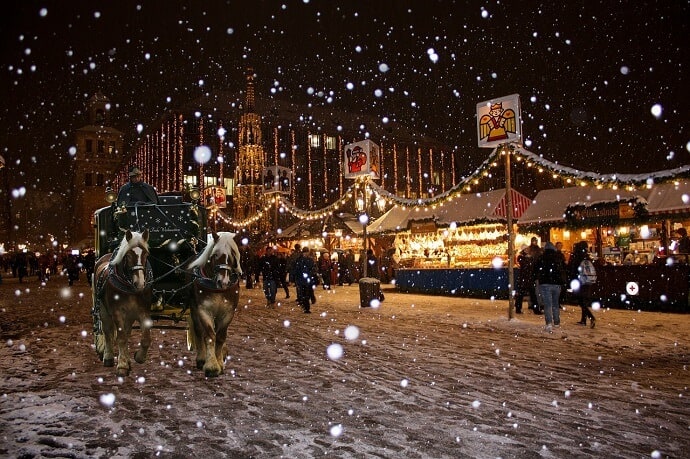
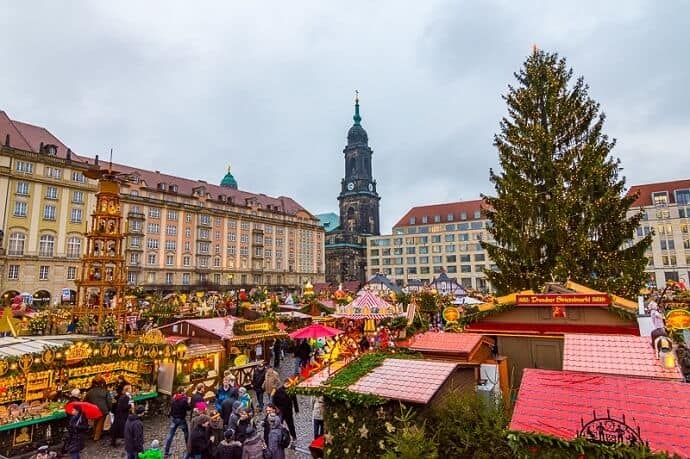
The Dresden Striezelmarkt, established in 1434 under a decree by Elector Frederick II, is officially recognized as the oldest Christmas market in Germany. Initially a one-day meat market, it has grown over nearly six centuries into a massive cultural event that attracts millions. Similarly, the Nuremberg Christkindlesmarkt, first mentioned in writing in 1628, has maintained a strict adherence to traditional aesthetics, banning plastic decorations and pre-recorded music in favor of handmade wooden crafts and live brass ensembles. This commitment to historical continuity is a primary driver for the millions of tourists who choose Germany as their holiday destination.
Economic Impact and Tourism Data
The German Christmas season is a significant pillar of the national economy. According to data from the German Retail Federation (HDE), the months of November and December account for approximately 20% of annual retail turnover, often exceeding 100 billion Euros. The Christmas markets themselves are a vital sub-sector.
Industry analysts estimate that there are over 2,500 Christmas markets held across Germany annually, attracting approximately 160 million visitors from around the world. These markets do not only generate revenue through the sale of goods but also stimulate the hospitality and transportation sectors. The German National Tourist Board (GNTB) has noted a consistent year-over-year increase in international "overnight stays" during the December period, with significant growth from the North American and Asian markets.
Cultural Foundations: Beyond the Commercial Experience
While the markets are the visible face of the season, the underlying traditions provide the emotional resonance that visitors find so compelling. German Christmas customs are a unique blend of religious observance and folklore.
- The Advent Wreath (Adventskranz): A tradition credited to Johann Hinrich Wichern, a Protestant pastor in Hamburg in 1839, the wreath serves as a chronological countdown to Christmas Eve. This custom has since permeated Western culture, but experiencing it in its country of origin, where wreaths are often made of real fir branches and heavy beeswax candles, offers a distinct sense of authenticity.
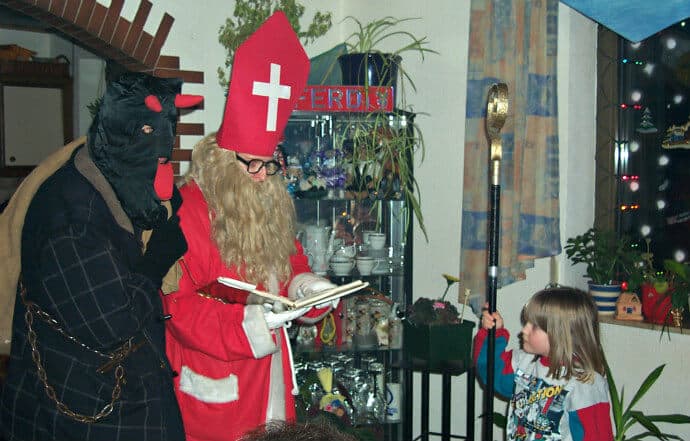
- St. Nicholas and Krampus: On the night of December 5th, children across Germany place newly cleaned boots (Nikolaus-Stiefel) outside their doors. According to tradition, St. Nicholas fills the boots of well-behaved children with nuts, fruits, and sweets. In the Alpine regions of Southern Germany and Bavaria, this tradition is accompanied by the "Krampuslauf," where masked, devilish figures represent the darker side of the folklore, punishing those who have misbehaved.
- The Christkind: In many parts of Germany, particularly the south and west, it is the "Christkind" (Christ Child)—often depicted as a young woman with golden hair and wings—who brings gifts, rather than Santa Claus. This tradition dates back to the Protestant Reformation, when Martin Luther sought to shift the focus of gift-giving away from the Catholic Saint Nicholas to the birth of Jesus.
Regional Highlights: A Tapestry of Festive Cities
Germany’s federal structure allows for diverse regional interpretations of the holiday season, making it possible for travelers to experience vastly different atmospheres within a single trip.
- Nuremberg: Often cited as the most famous market in the world, the Nuremberg Christkindlesmarkt is celebrated for its "Prune Men" (Zwetschgenmännle)—small figurines made of dried plums—and its strict quality controls. The market is opened every year by the Christkind, who delivers a prologue from the balcony of the Church of Our Lady.
- Dresden: The city is synonymous with the "Dresdner Christstollen," a heavy fruit bread that has its own protected geographical indication under EU law. The annual Stollenfest features a giant cake paraded through the streets, weighing several tons, which is then sliced and sold for charity.
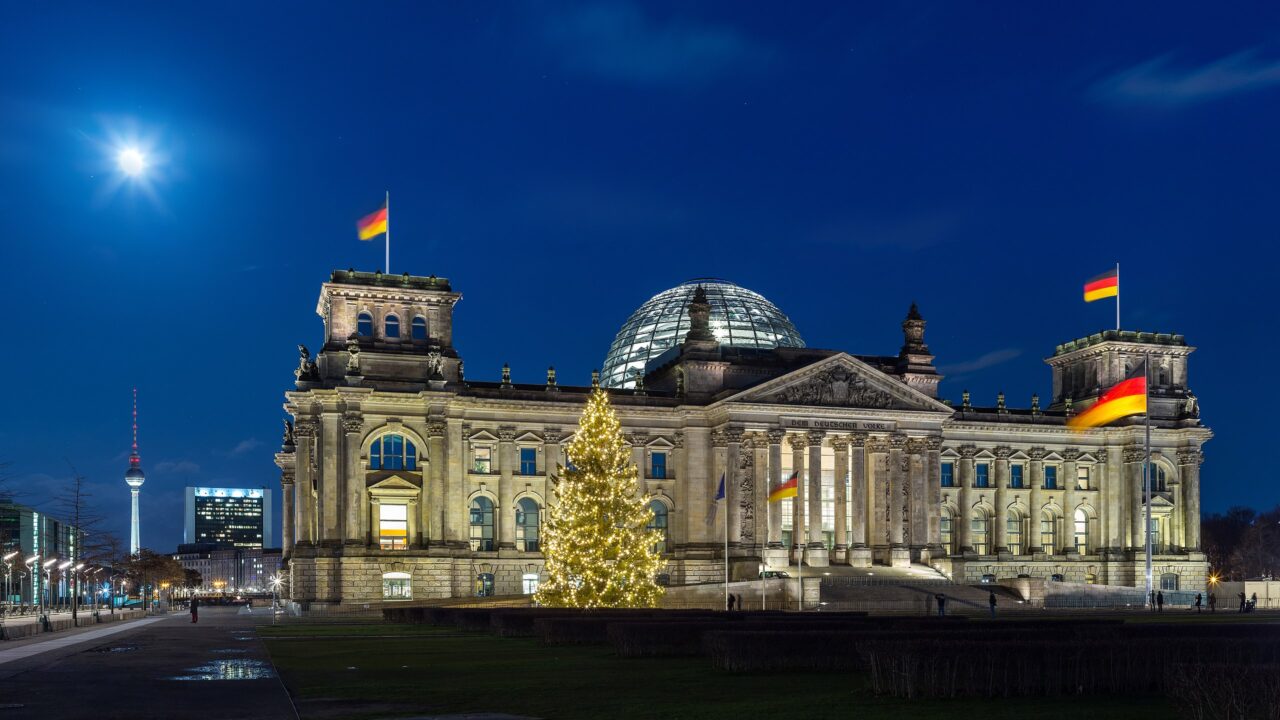
- Berlin: As the capital, Berlin offers over 80 different markets ranging from the traditional (Gendarmenmarkt) to the avant-garde and sustainable. Berlin’s ability to mix 18th-century architecture with 21st-century light installations makes it a hub for modern holiday seekers.
- Rothenburg ob der Tauber: This medieval walled town is the home of the Käthe Wohlfahrt Christmas Village and a year-round Christmas Museum. During December, the "Reiterlesmarkt" transforms the town into a living museum of 16th-century German life.
Logistics and Modern Connectivity for the International Traveler
Navigating Germany during the peak winter season requires strategic planning. The country’s infrastructure is well-equipped to handle the influx of tourists, but the integration of modern technology has become essential.
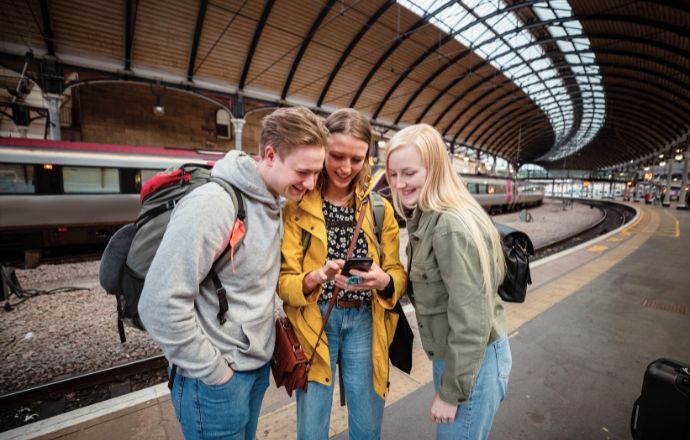
The rise of digital connectivity tools, such as the Germany eSIM, has revolutionized the visitor experience. High-speed mobile data allows travelers to access real-time schedules for the Deutsche Bahn (German Railways), which operates an extensive network of high-speed ICE trains connecting major market hubs. Furthermore, digital maps and translation apps have lowered the barrier for international visitors to explore smaller, "hidden gem" towns like Goslar or Quedlinburg, where English may be less commonly spoken than in Berlin or Munich.
Official tourism bodies have also emphasized sustainability in recent years. Many markets have transitioned to LED lighting to reduce energy consumption and utilize a "Pfand" (deposit) system for ceramic glühwein mugs. Visitors pay a few Euros extra for their first drink; they can then return the mug to reclaim their deposit or keep it as a souvenir, significantly reducing single-use waste.
Culinary Heritage as an Intangible Asset
The German Christmas experience is inextricably linked to its culinary offerings. These are not merely snacks but are considered part of Germany’s intangible cultural heritage.
- Glühwein: This mulled wine, heated with cinnamon, cloves, star anise, and citrus, is the social glue of the Christmas market. Historical records suggest that the oldest known glühwein mug belonged to a German nobleman in 1420.
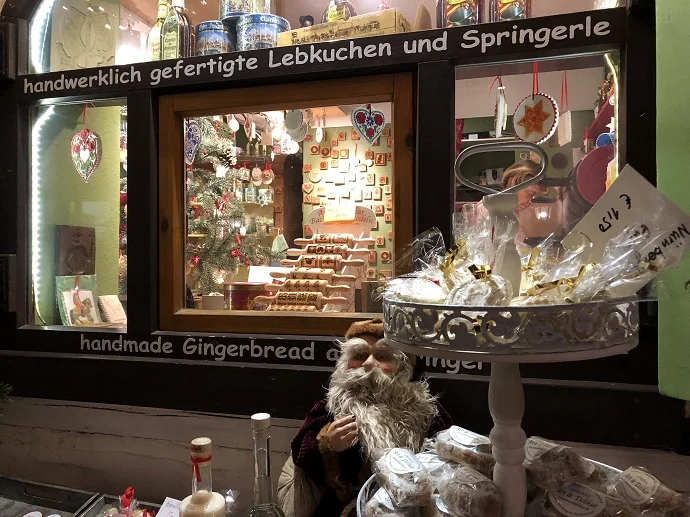
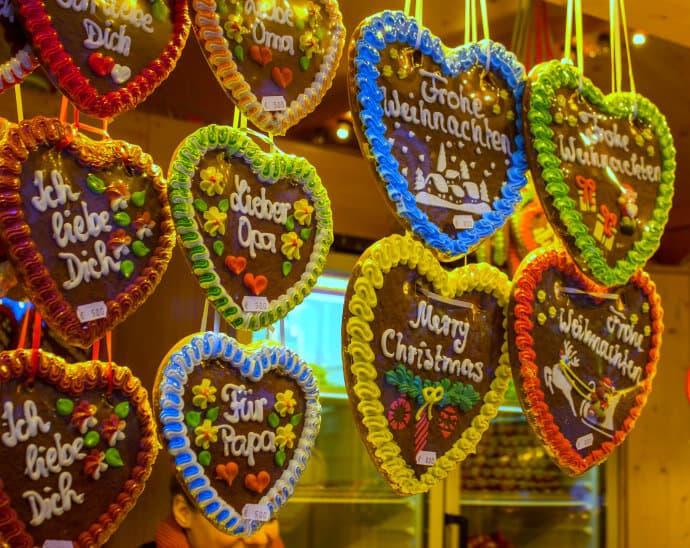
- Lebkuchen: Often compared to gingerbread, Nuremberg Lebkuchen is a sophisticated spice cake that has been baked by monks since the 14th century. Its high nut content and lack of flour (in the "Elisen" variety) make it a premium delicacy.
- Gebrannte Mandeln: The scent of cinnamon-roasted almonds is a signature of the German winter. Vendors use traditional copper kettles to caramelize the sugar, a process that has remained unchanged for decades.
Broader Implications and Global Influence
The German celebration of Christmas has had a profound impact on global culture. The tradition of the Christmas tree (Tannenbaum) was popularized internationally in the 19th century, notably by Queen Victoria’s husband, the German-born Prince Albert. Today, the "German-style" Christmas market is a template exported to cities as far-flung as Chicago, Birmingham, and Tokyo.
However, industry experts argue that the original German markets remain incomparable due to the "Heimat" (homeland) feeling—a sense of belonging and traditional comfort that is difficult to replicate elsewhere. The German National Tourist Board continues to promote the season as a period of "Slow Travel," encouraging visitors to stay longer and engage more deeply with local communities.
As the world becomes increasingly digitized and globalized, Germany’s Christmas season offers a rare opportunity for travelers to reconnect with tangible history. The combination of economic vitality, preserved folklore, and a welcoming atmosphere ensures that Germany remains the premier destination for those seeking the quintessential spirit of the holiday. Whether through a steaming mug of glühwein in a snow-dusted square or the choral echoes of a centuries-old cathedral, the German Christmas remains a timeless testament to cultural endurance and festive joy.

