

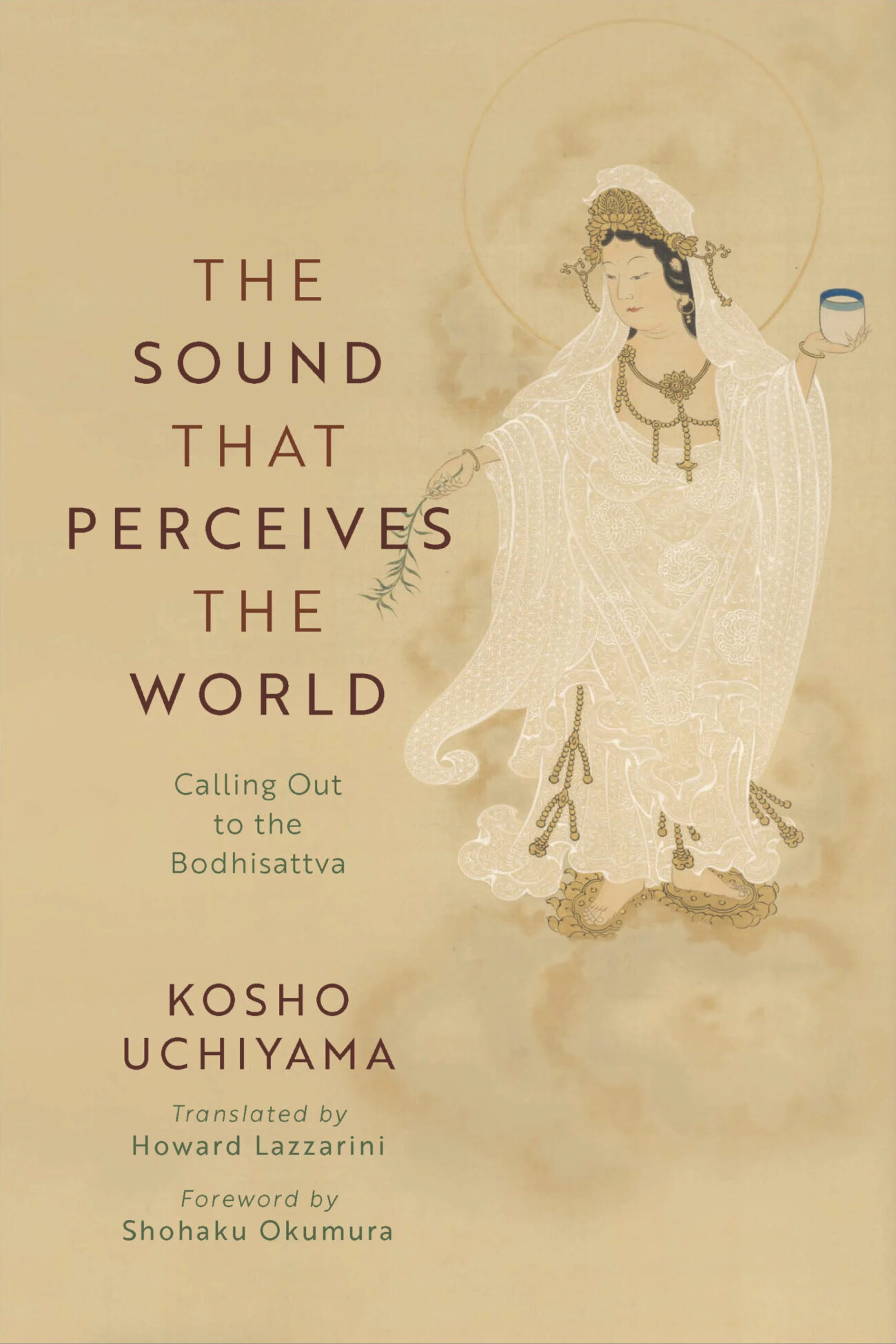
In an era saturated with external clamor, a profound exploration emerges from the wisdom traditions, urging a re-evaluation of the pervasive "noise pollution" not in our surroundings, but within the very architecture of our minds. This discourse, drawing heavily on Buddhist philosophy, posits that the incessant stream of thoughts, inherently linguistic and dualistic, creates a form of internal cacophony far more disruptive than any external din. The practice of chanting, particularly the invocation of Kanzeon Bosatsu, is presented not merely as a ritualistic act, but as a potent method for quieting this inner turmoil and accessing a deeper, more unified mode of perception.
The Unseen Cacophony: Internal Noise and the Linguistic Trap
The genesis of this internal noise, as articulated in the source material, can be traced to the fundamental human reliance on language to process experience. Thoughts, invariably "clothed in words," reflect the linguistic frameworks of our upbringing and environment. An individual may think in Japanese, another in English, and in cases of prolonged bicultural immersion, even dream in multiple languages. This linguistic scaffolding, while essential for conveying meaning, also binds our cognition to a system of sound and definition.
The core argument is that the transition from abstract meaning to articulated thought involves the inherent auditory nature of words. When thoughts arise, they are perceived as sounds, constructing mental imagery through this sonic representation. This internal vocalization, even in the absence of external speech, manifests as a constant internal monologue. Examples of these internal dialogues include queries about future actions ("What should I do?"), assessments of situations ("Maybe it’s like this or that?"), expressions of personal feelings ("I don’t like that guy"), desires ("I want to buy that"), and even existential weariness ("I’m tired of living"). These thoughts, regardless of their explicit verbalization, coalesce into meanings that adopt "agreed-upon forms," often rooted in sound.
The Dualistic Nature of Thought: Grasping, Rejecting, and the Human Yardstick
This internal linguistic framework, the article contends, is primarily driven by fundamental human tendencies: grasping and rejecting, picking and choosing, loving and hating. These are the very mechanisms through which we engage with and make sense of the world, employing what is termed the "human yardstick." The sounds that arise from these thought processes are characterized as "discriminating, dualistic sounds of the human experience." They represent our inherent nature’s continuous act of measuring, evaluating, and reacting to reality based on personal preferences and ingrained biases.
This constant internal evaluation, fueled by desire and aversion, can lead to significant psychological distress. The narrative suggests that when individuals become excessively attached to satisfying their personal desires, they can inadvertently create their own unhappiness. This self-induced suffering can manifest as feelings of insult, a desire for revenge, or an overwhelming sense of dissatisfaction, driving them towards "hysterical outbursts." Similarly, romantic attachments, when viewed through this lens of grasping and wanting to possess, become another source of internal noise and potential turmoil.
Kanzeon: The Sound That Perceives Beyond Discrimination
In stark contrast to this internal cacophony, the practice of chanting the name of Kanzeon Bosatsu (Avalokitesvara, the Bodhisattva of Compassion) is presented as an antidote. The act of chanting is described as taking refuge in "the sound of the One Who Perceives the Sounds of the World." True perception, as distinguished from our usual mode of cognition, occurs before the application of our personal yardsticks, before we begin to grasp or reject.
This profound perception is "separate from discriminations and dualistic thinking," representing a state of awareness prior to the mind’s tendency to categorize and judge. Taking refuge in this sound means finding solace and guidance in a realm beyond our discriminating intellect. It signifies an entrustment in the unity of mind and body, a complete surrender to this non-dualistic sound. When one chants "Namu Kanzeon" (I take refuge in Kanzeon) with their entire being, becoming one with this sound, the true essence of Kanzeon—the Sound That Perceives the World—is actualized.
The universality of this practice is emphasized: chanting other sacred names, such as "Namu Kie Sanbo" (I take refuge in the Three Treasures: Buddha, Dharma, Sangha) or "Namu Amida Butsu" (I take refuge in Amida Buddha), can serve the same purpose, provided the intention stems not from selfish desires but from a genuine aspiration for liberation. The Lotus Sutra defines Kanzeon as the "Perceiver of the Cries of the World," highlighting the bodhisattva’s compassionate responsiveness to the suffering of all beings, an act performed with an attitude separate from the "petty self."
Broader Resonance: Poetry, Music, and the Universal Sound
The concept of Kanzeon is further extended to encompass forms of art that resonate with a similar quality of universal perception. Poetry and music, when imbued with a spirit of profound insight and compassion, can be seen as manifestations of Kanzeon. The Japanese proverb, "Keep sunshine in your heart and a song on your lips," reflects this idea, suggesting that such expressions can provide comfort and solace precisely because they tap into this universal mode of perception.
However, the article cautions against reducing these practices or art forms to mere diversions or hobbies. When individuals engage with religious practices, music, or even artistic pursuits like flower arranging or the tea ceremony with an attitude driven by ego, the desire for self-satisfaction, or social status, they miss the profound meaning. For instance, playing sports solely for victory or prestige, or engaging in the tea ceremony for social climbing, transforms these potentially spiritual practices into manifestations of dualistic thinking and selfish desires.
The Transformative Power of Embodied Practice: Posture and Energy Diffusion
Beyond the auditory realm of chanting, the article introduces the significance of physical posture and disciplined action in managing internal states. Drawing a parallel with a dog that, when confined, barks hysterically due to pent-up energy, the text suggests that humans, too, can become agitated and consumed by "evil passions, carnal desires, and wild ideas" when this internal energy lacks a healthy outlet.
Engaging in physical activity, whether it be organized sports for younger individuals or more refined practices like flower arranging or preparing matcha for older ones, serves to dissipate this excess energy. These activities, when undertaken with the right attitude—one of dedication and mindfulness rather than competition or social ambition—can be powerful tools for diverting the mind from its habitual patterns of craving and self-centeredness.
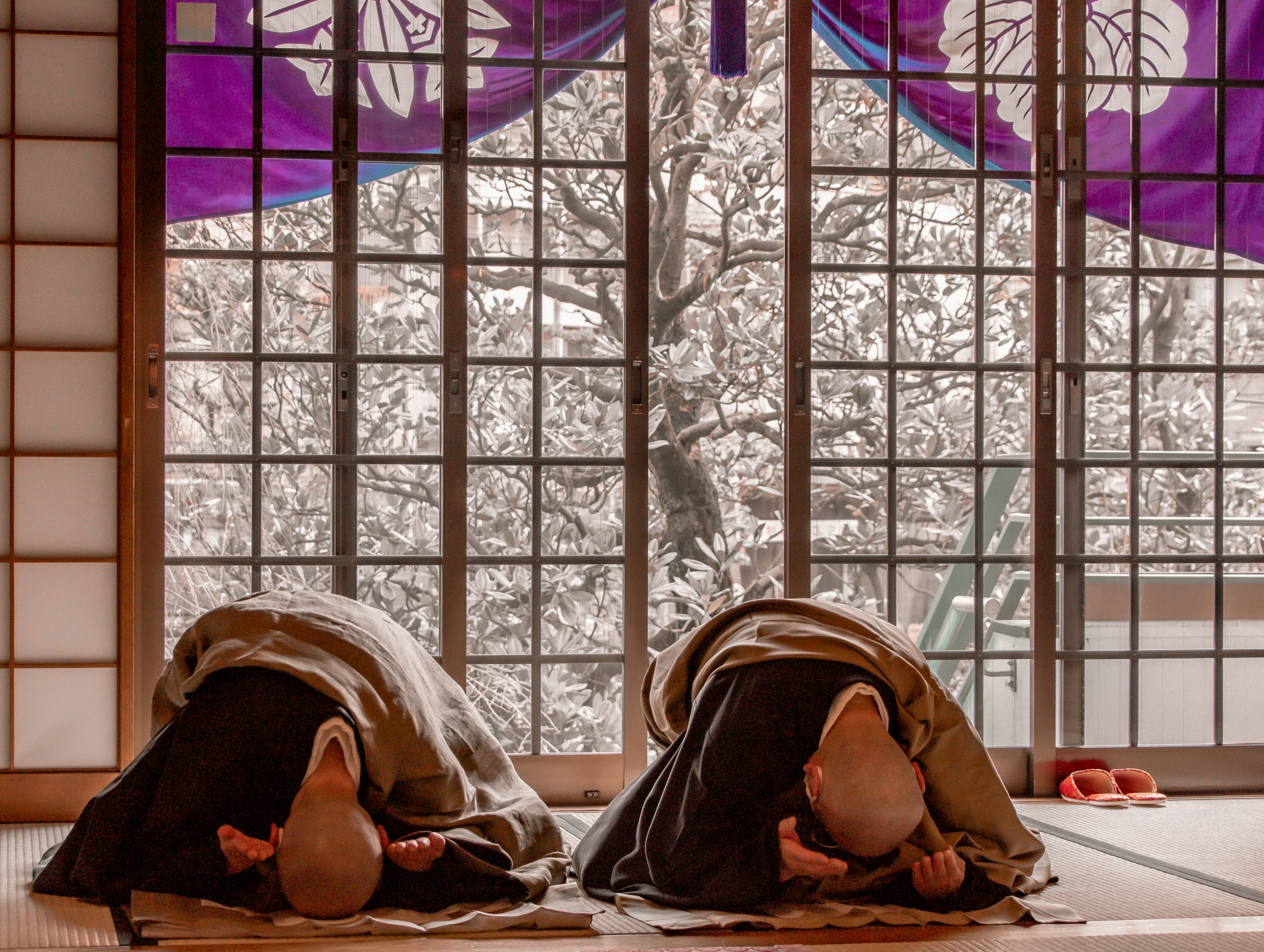
The ultimate embodiment of this principle, according to the text, lies in the practice of zazen, particularly the full lotus posture. Zazen is presented not just as a method for spiritual development, but as the "Zazen Posture That Perceives the World," an extension of the Kanzeon principle into the physical realm. It is a dignified, pious posture that can "penetrate the entire universe," offering a direct means to manage the body and mind, and to return to the "true form of the self."
Historical Roots and the Deeper Meaning of Practice
The article underscores that the integration of physical activity and spiritual practice is not a modern invention but a recurring theme throughout human civilization. Ancient Greek sporting events were consecrated to the gods, music in many cultures originated for religious purposes, and practices like the tea ceremony and flower arranging historically began as offerings to the Buddha. These actions, rooted in ancient traditions, served as ways to channel human "delusions" through physical engagement dedicated to the divine.
Crucially, the text warns against a superficial understanding of these practices. To view them merely as means to transform delusions or achieve spiritual health risks losing their true meaning. When undertaken with the correct attitude, these practices become the "Sound That Perceives the World" or the "Zazen Posture That Perceives the World." They transcend their individual forms to become expressions of the universe’s inherent harmony and the profound stillness of the self.
Conclusion: Returning to the True Self Through Sound and Stillness
In essence, the article advocates for a paradigm shift in how we understand and address the pervasive "noise pollution" of our inner lives. By moving beyond the linguistic and dualistic confines of our habitual thinking, and by embracing practices that foster unity of mind and body—such as chanting, mindful engagement with art and nature, and the disciplined practice of zazen—we can cultivate a profound sense of peace and clarity. The journey to discovering the "true form of the self" is intimately linked to this embrace of universal sound and posture, transforming human sentiment into an echo of the cosmos itself. The call to chant the name of Kanzeon, or to sit in silent meditation, is an invitation to experience the profound quietude that underlies all existence, a stillness that is both the source and the destination of our spiritual journey.

