

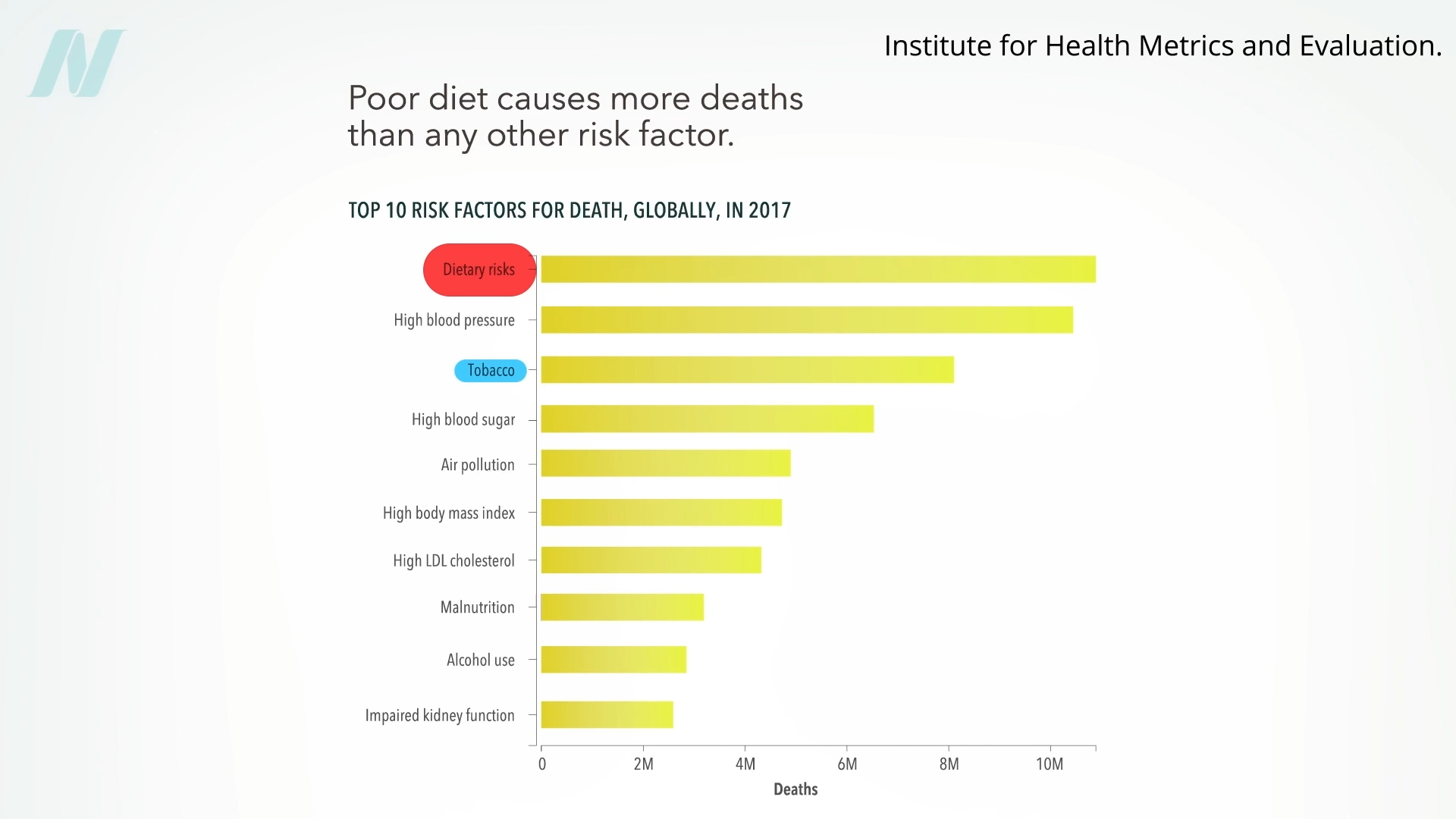
A monumental study, hailed as the most extensive investigation into risk factors for death in human history, has unequivocally pinpointed diet as a primary culprit in global mortality, surpassing even the devastating toll of cigarettes. While tobacco products are estimated to claim approximately 8 million lives annually, the collective impact of human dietary habits results in millions more fatalities. This stark reality underscores the critical need to re-examine our food choices, moving beyond commonly perceived dietary villains like processed meats, sugary snacks, and sodas, to address the fundamental nutritional deficits and excesses that pose the greatest threat to public health.
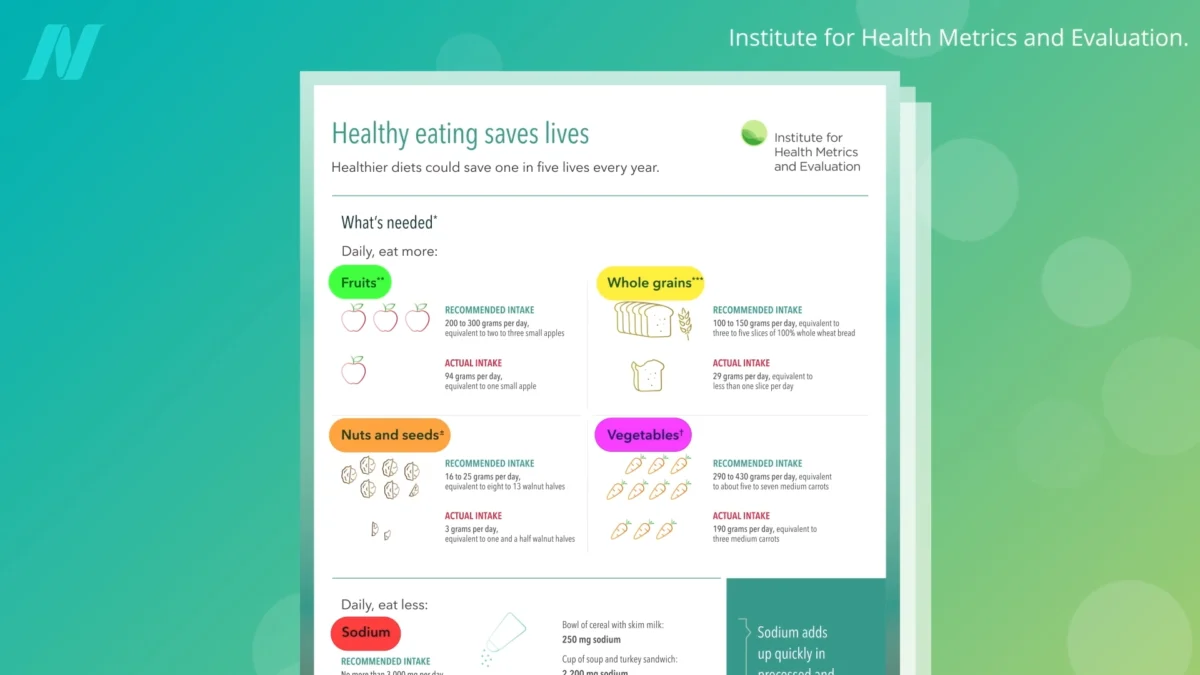
The five most significant dietary contributors to premature death, as identified by this landmark research, are a deficiency in fruits, whole grains, and vegetables, coupled with an excessive intake of salt and a lack of nuts and seeds. This comprehensive assessment, which has informed global health strategies and public awareness campaigns, highlights the profound influence of these five factors on longevity and overall health outcomes. The data, visualized in accompanying graphical representations and detailed in accompanying multimedia presentations, serves as a potent reminder of the preventable nature of a substantial portion of global mortality.
The Protective Power of Nuts: Unpacking the Evidence
The association between nut consumption and a reduced risk of mortality is not a novel finding, but the scale and rigor of recent studies have solidified its significance. Decades of observational data and numerous interventional trials have consistently demonstrated the cardioprotective effects of nuts. These studies have shown that incorporating nuts into one’s diet can lead to tangible improvements in vascular function, a critical factor given that cardiovascular diseases remain a leading cause of death worldwide. Beyond their impact on arterial health, nuts have been shown to exert a multifaceted positive influence on the human body. They play a crucial role in improving glycemic control, thereby aiding in the management and prevention of type 2 diabetes. Furthermore, nuts contribute to lowering LDL ("bad") cholesterol levels, a key biomarker for cardiovascular risk. Their anti-inflammatory properties help to combat chronic inflammation, a root cause of many degenerative diseases. The reduction of oxidative stress, a process that damages cells and contributes to aging and disease, is another significant benefit. Additionally, nuts serve as a valuable source of prebiotics, nourishing the beneficial bacteria in the gut microbiome, which is increasingly recognized as integral to overall health and immunity.
This extensive body of evidence has prompted scientific inquiry into the specific types of nuts and their unique contributions. While all nuts offer a rich profile of nutrients, including healthy fats, fiber, vitamins, and minerals, some research suggests variations in their specific health impacts. For instance, walnuts have been highlighted for their particularly potent effects on artery function, attributed in part to their high omega-3 fatty acid content. However, the broad category of "nuts" generally encompasses a wide array of tree nuts and peanuts, all contributing to the observed mortality benefits.
The Peanut Butter Paradox: An Emerging Question
While the health advantages of nuts are well-established, a curious anomaly has emerged concerning peanut butter, a widely consumed product derived from peanuts. In the United States, peanut butter accounts for approximately half of all peanut consumption, making its nutritional profile and health implications a subject of considerable public interest. Despite its popularity, the direct link between peanut butter consumption and mortality has not been as thoroughly investigated or as definitively established as that of whole nuts.
This gap in understanding prompted researchers to delve deeper, utilizing data from the National Institutes of Health-AARP study. This ambitious initiative, considered the largest prospective health and diet study ever undertaken, meticulously tracked the health and dietary habits of over half a million individuals since the 1990s. The sheer magnitude of this dataset provides an unparalleled opportunity to examine subtle associations between dietary components and long-term health outcomes.
Key Findings: Nuts Show Protective Association, Peanut Butter Does Not

The analysis of the NIH-AARP study data yielded a significant finding: overall nut consumption was associated with a statistically significant protection against all-cause mortality. This translated to individuals who regularly consumed nuts living, on average, longer lives. More specifically, nut eaters exhibited a reduced likelihood of succumbing to a range of serious diseases, including various forms of cancer, cardiovascular disease, liver disease, respiratory ailments, kidney disease, and even infectious causes, suggesting a potential enhancement of immune function.
However, a striking contrast emerged when the researchers examined peanut butter consumption. Despite controlling for a multitude of confounding factors, no comparable association was found between peanut butter intake and a reduced risk of mortality. In essence, for the purpose of extending lifespan, peanut butter, as a distinct food item, did not appear to confer the same protective benefits as whole nuts.
Investigating the Discrepancy: Potential Explanations
The absence of a mortality benefit associated with peanut butter consumption, even after rigorous statistical adjustments, has sparked considerable scientific debate and investigation. Researchers have explored several plausible explanations for this paradox:
Lifestyle Factors and Confounding Variables
One initial hypothesis was that individuals who consume peanut butter might, on average, engage in less healthy lifestyle behaviors. The researchers meticulously controlled for a wide array of these potential confounding variables, including higher rates of meat consumption, cigarette smoking, and lower levels of physical activity. They also adjusted for alcohol consumption, intake of fruits and vegetables, educational attainment, and other socioeconomic factors. Even after accounting for these lifestyle differences, the association between peanut butter and reduced mortality did not materialize. This suggests that the discrepancy is not simply a matter of peanut butter consumers having generally unhealthier habits. The researchers noted that while sugar intake was not explicitly controlled for in all analyses, the possibility of higher consumption of sugary accompaniments, such as jelly in peanut butter sandwiches, could be a contributing factor, though not the sole explanation.
Processing and Additives
Another avenue of investigation centers on the processing of peanuts into peanut butter. While whole nuts are often consumed in their natural state, peanut butter frequently undergoes processing that can involve the addition of ingredients such as trans fats, oils, salt, and sugar. These additives, particularly unhealthy fats and excess sugar, can negate or even counteract the inherent health benefits of peanuts. While it is true that some nuts are also consumed with added oil, sugar, and salt (e.g., roasted and salted nuts), the ubiquity of these additions in commercially produced peanut butter warrants careful consideration. The study authors acknowledge that the comparison is complex, as not all peanut butter is formulated with these additives, and some nuts are also prepared in ways that reduce their healthfulness.
The "Peanut" Classification: A Botanical Nuance?
A more fundamental question arises from the botanical classification of peanuts. Technically, peanuts are legumes, not true nuts, which are typically tree-derived. This distinction has led some to speculate whether peanuts themselves possess inherently different nutritional profiles compared to tree nuts, or if their legume status plays a role in their divergent health associations. However, extensive meta-analyses, which aggregate the findings of multiple studies, have consistently demonstrated that whole peanuts, when consumed in their unadulterated form, exhibit the same beneficial effects on health as other nuts. This finding effectively rules out the botanical classification as the primary driver of the peanut butter paradox.
The Intact Cellular Structure Hypothesis
Perhaps the most compelling explanation for the observed difference lies in the physical form of the food and the integrity of its cellular structure. As detailed in comprehensive dietary guides, such as "How Not to Diet," the process of consuming whole or chopped nuts, even with thorough chewing, results in the release of nutrients from intact cellular structures. These structures, when passing through the digestive system, deliver a rich supply of prebiotic compounds that nourish beneficial gut bacteria. This prebiotic effect is crucial for maintaining a healthy gut microbiome, which plays a vital role in digestion, nutrient absorption, immune function, and even mental well-being.
When peanuts are ground into a paste to create peanut butter, this cellular integrity is largely disrupted. The breakdown of cellular walls means that the prebiotic components may not be delivered to the gut in the same effective manner. This loss of intact cellular structure could significantly diminish the beneficial impact on gut flora, a key mechanism through which nuts contribute to overall health and longevity. This hypothesis also raises the intriguing question of whether variations in peanut butter texture, such as chunky versus smooth, might influence these effects, with chunky varieties potentially retaining more structural integrity.
Recommendations for Optimal Health and Longevity
Based on the compelling evidence, health professionals and researchers strongly recommend the inclusion of nuts in the regular diet. To maximize the health benefits and enhance the likelihood of living a longer and healthier life, it is advisable to consume nuts at least three times per week. The preferred forms are raw nuts over salted or toasted varieties, and whole or chopped nuts rather than nut butters, to preserve the integrity of their cellular structure and minimize the intake of potentially harmful additives.
Broader Implications and Future Research
The findings concerning the peanut butter paradox have significant implications for public health messaging and dietary recommendations. It underscores the importance of not just the type of food consumed, but also its form and processing. While peanut butter remains a source of protein and healthy fats, its association with longevity appears to be diminished compared to whole nuts, likely due to processing and the loss of cellular integrity.
This research also highlights the complex interplay of factors that contribute to health outcomes. While whole foods like nuts offer a wealth of benefits, the addition of processed ingredients can alter their nutritional value and impact. Future research could further explore the specific mechanisms by which processing affects the bioavailability of nutrients and the prebiotic potential of various nut products. Investigations into the long-term health effects of different types of nut butters, considering variations in ingredients and processing methods, would also be valuable.
The overarching message from this body of research is clear: a diet rich in whole, unprocessed foods, including a generous intake of nuts, is a cornerstone of a long and healthy life. While the popular appeal of peanut butter is undeniable, understanding the subtle differences in its health impact compared to its whole nut counterpart is crucial for making informed dietary choices.
Doctor’s Notes and Related Inquiries:
- The Healthiest Nut: While all nuts offer benefits, walnuts have garnered particular attention for their exceptional impact on arterial function, largely attributed to their rich omega-3 fatty acid content. Further exploration of specific nut varieties can offer tailored nutritional insights.
- Nuts and Weight Management: A common concern is whether nuts contribute to weight gain due to their calorie density. However, a substantial body of evidence, often referred to as "the weight of evidence," indicates that nuts are not inherently fattening and can, in fact, be part of a healthy weight management strategy when consumed in moderation. Their satiating properties and nutrient profile can contribute to feeling fuller for longer, potentially reducing overall calorie intake.
- Further Reading: For those seeking to deepen their understanding of weight management principles, the book "How Not to Diet" offers comprehensive, evidence-based strategies. Proceeds from such publications are often directed to charitable causes, reinforcing a commitment to public health and well-being.

