

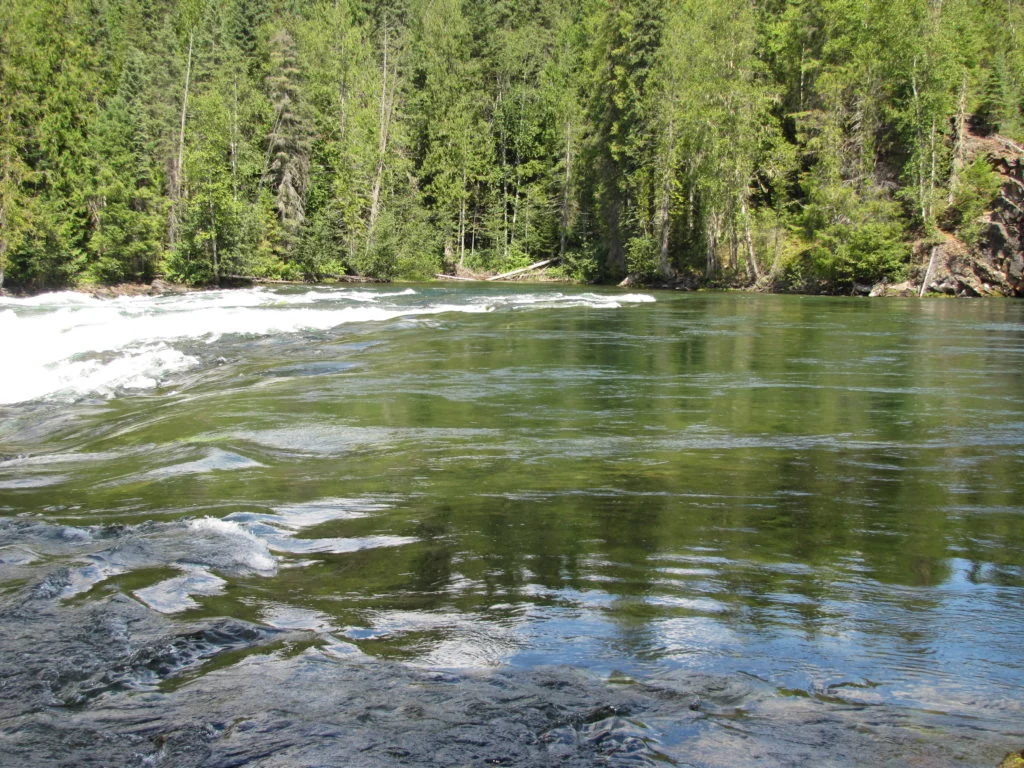
Wells Gray Provincial Park, a vast expanse of protected wilderness nestled within the Caribou Mountains of British Columbia, Canada, stands as a testament to the raw power and intricate beauty of the natural world. This sprawling sanctuary, covering over 5,250 square kilometers, is a dramatic landscape sculpted by ancient geological forces, characterized by soaring mountains, pristine lakes, winding rivers, and dense, verdant forests. Its rich biodiversity supports a remarkable array of wildlife, including iconic species such as grizzly bears, black bears, moose, and a vibrant population of fish and birds. However, it is the park’s spectacular abundance of waterfalls that truly defines its grandeur, with approximately 39 officially named major cascades and countless smaller, unnamed falls gracing its terrain, a direct consequence of its unique geological past. Among these natural marvels, Helmcken Falls commands particular reverence, ranking as the fourth-largest waterfall in Canada and standing at an impressive height roughly three times that of the renowned Niagara Falls.
The park’s geological narrative is intrinsically linked to its dramatic topography and the formation of its numerous waterfalls. Wells Gray is situated on a plateau that was heavily shaped by past volcanic activity and glacial erosion. The Clearwater River, a major artery flowing through the park, has carved its path through layers of basalt, a dark volcanic rock, creating dramatic cliffs and canyons. Over millennia, the erosive power of the water, combined with the distinct rock strata, has led to the formation of these magnificent waterfalls, each with its own unique character and scale. The sheer volume of water that tumbles over these precipices is a constant reminder of the dynamic forces at play in shaping our planet.
A Sanctuary of Biodiversity and Natural Wonders
The ecological significance of Wells Gray Provincial Park extends far beyond its breathtaking waterfalls. The park serves as a critical habitat for a wide range of flora and fauna. Its diverse ecosystems, ranging from valley bottoms to alpine meadows, support a complex web of life. For instance, the park’s forests are home to species like the western red cedar, Douglas fir, and lodgepole pine, providing shelter and sustenance for numerous animals. The waterways teem with various salmon species, trout, and other fish, forming a vital part of the food chain. Birdwatchers are drawn to Wells Gray for its abundant avian life, including eagles, ospreys, and a variety of waterfowl.
While the larger mammals often capture public attention, the park also hosts an astonishing diversity of smaller creatures. The mention of "more than 30 species of mosquito" in the region, though perhaps startling, underscores the intricate and often overlooked components of this ecosystem. These insects, while sometimes a nuisance to visitors, play crucial roles in pollination and as a food source for other animals. The park’s vastness and relative remoteness contribute to its status as a vital refuge for species that may be declining in other areas due to human encroachment and habitat loss. Conservation efforts within Wells Gray are paramount to preserving this rich biodiversity for future generations.
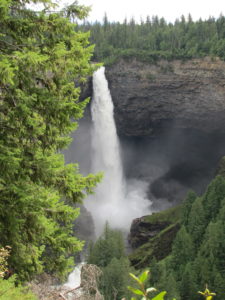
Helmcken Falls: A Majestic Spectacle
Helmcken Falls, the crown jewel of Wells Gray, plunges an astounding 141 meters (463 feet) in a single, dramatic drop. This colossal cascade is significantly taller than Niagara Falls, which measures approximately 51 meters (167 feet) at its crest. The sheer volume of water that thunders over the basalt cliff creates a constant mist that can be seen and felt from considerable distances, often producing vibrant rainbows on sunny days. The roar of the water is deafening, a visceral experience that underscores the immense power of nature. The falls are fed by the Murtle River, which originates from the glaciers and snowfields in the surrounding mountains.
The accessibility of Helmcken Falls has made it a focal point for visitors to Wells Gray. A well-maintained trail leads to an overlook, offering unparalleled views of the falls. During the spring melt, the volume of water is at its peak, creating an even more spectacular display. In winter, the spray freezes, transforming the area into an ice cave adorned with icicles, offering a different, yet equally captivating, perspective. The park’s management, overseen by BC Parks, ensures that visitor access is balanced with the need to protect the fragile environment surrounding the falls, with designated viewing areas and strict guidelines to minimize human impact.
The Philosophical Dimensions of Waterfalls
Beyond their aesthetic and ecological importance, waterfalls offer profound opportunities for contemplation and learning. The experience of witnessing a waterfall—breathing in its cool mist, feeling the vibrations of its roar, and observing the relentless flow of water—can evoke a sense of awe and deep connection to the natural world. As the original text suggests, a waterfall can be perceived as a "living being," a dynamic entity constantly in motion, shaping its surroundings. The very word "waterfall" encapsulates a specific moment in the journey of a river, a powerful and beautiful form that water assumes at a particular place.
This transient nature of the waterfall serves as a potent metaphor for the impermanence of all things. When viewed on a vast geological timescale, a waterfall is a fleeting event in the life of a river system. Similarly, on a human timescale, everything, including ourselves, can be understood as temporary manifestations. A tree, for example, is a temporary form taken by sunlight, water, and chemical elements over centuries. Humans, in turn, are ephemeral shapes formed by food, water, and air, existing for less than a century. The waterfall, in this context, becomes a profound symbol of life’s continuous cycle of transformation and impermanence, a story written in an instant of immense natural power.
The Deceptive Calm Before the Storm
A particularly striking characteristic observed at many waterfalls is the deceptive stillness of the water upstream from the cascade. Often, the river flows smoothly and calmly, with no outward indication of the dramatic drop and turbulent chaos that awaits just around the bend. This serene surface belies the accelerating current and the inevitable plunge. The transition from placid water to a maelstrom of energy, chaos, and beauty is sudden and dramatic, a powerful illustration of how seemingly stable situations can rapidly transform.
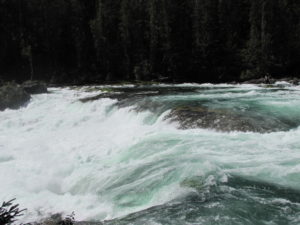
This phenomenon offers a compelling analogy for human affairs and societal dynamics. Just as a river can appear calm above a waterfall, life can proceed smoothly for individuals and societies. However, as individuals age, they may experience a gradual decline in health, leading to an accelerating rate of systemic failure. Similarly, societies can experience a slow but steady increase in the pace of technological and social change. This acceleration can be imperceptible at first, much like the increasing speed of the river. Eventually, a threshold may be reached, leading to a period of profound disruption and chaos. Those who are further downstream in this process may find themselves caught in the maelstrom, while those who are farther upstream may still perceive their surroundings as stable and secure.
The lesson embedded in this natural observation is one of vigilance and awareness. By "listening with an alert mind," individuals and societies can potentially detect the subtle signs of approaching change and turbulence before they become overwhelming. This might involve recognizing the early indicators of systemic stress, understanding the accelerating pace of societal shifts, or simply being attuned to the subtle changes in our environment and relationships. The ability to anticipate and adapt to these transitions, much like a swimmer moving to the safety of the riverbank, can be crucial for navigating periods of profound change.
Broader Implications and Conservation Imperatives
The existence and preservation of places like Wells Gray Provincial Park are of immense importance, not only for their intrinsic natural value but also for the lessons they offer humanity. The park serves as a vital natural laboratory, a place where scientific research can be conducted to better understand ecological processes, biodiversity, and the impacts of climate change. Its protected status ensures that these delicate ecosystems can continue to thrive, providing essential ecosystem services such as clean water, carbon sequestration, and habitat for wildlife.
The ongoing management of Wells Gray Provincial Park involves a delicate balance between providing public access for recreation and education and ensuring the long-term protection of its natural resources. BC Parks employs a range of strategies, including trail maintenance, visitor education programs, and habitat restoration initiatives, to achieve this balance. The park’s designation as a provincial park underscores the commitment of the British Columbia government to safeguarding these natural treasures for the benefit of current and future generations.
The philosophical insights gleaned from observing natural phenomena, such as the dynamics of a waterfall, have been a source of inspiration and wisdom for centuries. In an increasingly complex and rapidly changing world, the profound, yet often simple, lessons offered by nature become ever more relevant. Wells Gray Provincial Park, with its majestic waterfalls, diverse wildlife, and ancient landscapes, stands as a powerful reminder of our interconnectedness with the natural world and the enduring wisdom that can be found in its quiet observation. As human activities continue to impact natural environments globally, the preservation of such pristine areas is not just an ecological imperative but also a necessity for maintaining our connection to the fundamental rhythms of life and the profound lessons they impart.

