

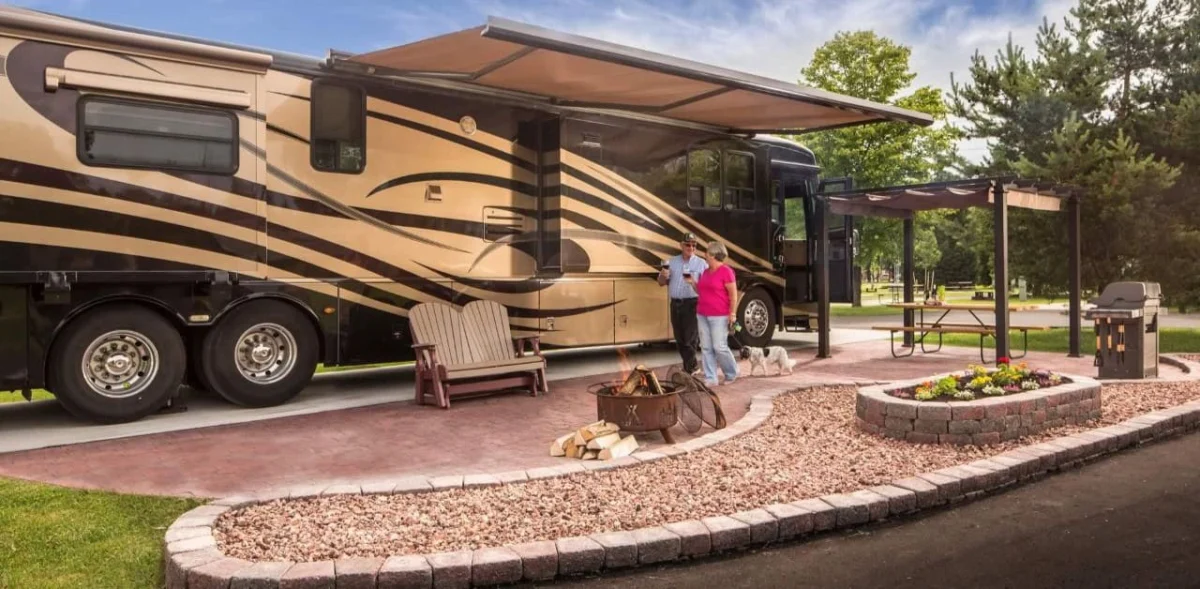
According to data from the RV Industry Association (RVIA), more than 11.2 million households in the United States now own an RV, a figure that has grown significantly over the past decade. For many of these owners, the winter months are not a time to winterize and store their vehicles, but rather an opportunity for extended travel. The selection of a winter "home base" is a critical decision for these travelers, as these campgrounds serve as more than just a place to park; they become temporary communities where social infrastructure, reliable utilities, and access to outdoor recreation are paramount.
The Evolution of the Snowbird Phenomenon
Historically, the snowbird lifestyle was associated primarily with retirees seeking to avoid the physical rigors of northern winters. However, the modern landscape of seasonal migration has evolved. The rise of remote work and the "digital nomad" movement has introduced a younger cohort to the snowbird circuit. This shift has placed new demands on campground infrastructure, particularly regarding high-speed internet and professional amenities.

The timeline for this migration typically begins in late September and peaks in November, with many travelers remaining in their southern destinations until March or April. Planning for these stays often begins six to twelve months in advance, as premium sites at highly-rated campgrounds are frequently booked a year out. The following seven locations, all part of the Kampgrounds of America (KOA) network, have been identified as top-tier destinations for the current winter season based on their infrastructure, regional climate, and community engagement programs.
1. Tucson KOA Resort, Arizona: A Desert Hub for Socialization
Tucson remains a cornerstone of the Southwestern snowbird experience. The Tucson KOA Resort is strategically positioned to offer a balance of natural desert beauty and urban convenience. The facility is notable for its commitment to sustainable energy, featuring massive solar structures that provide shade for RV sites while generating power for the resort.
The resort’s infrastructure includes two swimming pools and a 9-hole mini-golf course, but its primary appeal for long-term guests is the social atmosphere. The on-site Steak Rush Grill provides a communal dining option that reduces the logistical burden of meal preparation for seasonal residents. Beyond the gates, the proximity to Saguaro National Park and the Arizona-Sonora Desert Museum offers a robust itinerary for those interested in Southwestern ecology and geology.

2. St. Petersburg/Madeira Beach KOA Holiday, Florida: Coastal Access and Urban Connectivity
Florida remains the most popular destination for winter migrants, and the St. Petersburg/Madeira Beach KOA Holiday represents the premium end of the Gulf Coast experience. Located adjacent to a mangrove-lined bayou, the campground offers a unique ecological setting while remaining minutes away from the white-sand beaches of the Gulf of Mexico.
A key feature of this location is its integration with local transit and fitness infrastructure. The 38-mile Pinellas County Fitness Trail, a "rails-to-trails" project, runs alongside the property, providing a flat, paved route for cycling and walking. For the seasonal traveler, this provides a vital outlet for physical activity. The resort also addresses the need for tranquility with an adult-only hot tub, catering to the demographic that prefers a quieter environment away from family-oriented recreational areas.
3. South Padre Island KOA Holiday, Texas: Tropical Latitude and Water Sports
For snowbirds seeking the warmest possible temperatures in the continental United States, South Padre Island is a primary target. The South Padre Island KOA Holiday is situated on the Laguna Madre Bay, offering direct water access that is rare for many inland campgrounds.

The facility’s amenities are geared toward an active lifestyle, featuring rentals for hydrocycles and kayaks. A significant logistical advantage for this location is the Metro shuttle, which stops at the campground entrance. This free service allows seasonal residents to explore the island’s dining and shopping districts without the need to unhook or move their primary RV, a major consideration for those settled into long-term sites.
4. Myrtle Beach KOA Resort, South Carolina: Coastal Heritage and Natural Shade
While South Carolina offers a slightly cooler winter than Florida or Arizona, Myrtle Beach remains a favorite for those who prefer a temperate climate without the intense heat of the deep south. The Myrtle Beach KOA Resort is an established facility, characterized by its 40-year-old pine trees which provide a natural aesthetic often missing from newer, more concrete-heavy RV parks.
The resort’s connection to the Withers Swash tidal basin allows for waterfront views and activities in a more secluded setting than the main tourist strips. The inclusion of a Kamp K9 dog park reflects a broader trend in the industry: the increasing number of travelers who bring pets on their seasonal migrations. For these travelers, pet-friendly infrastructure is often a non-negotiable requirement for a multi-month stay.

5. Okeechobee KOA Resort, Florida: Freshwater Recreation and Active Communities
Inland Florida offers a different experience than the coastal regions, often characterized by a focus on freshwater fishing and organized sports. The Okeechobee KOA Resort is a sprawling facility that functions more like a private club than a standard campground. It features its own 9-hole golf course, driving range, and putting green.
The resort’s proximity to Lake Okeechobee, the largest freshwater lake in Florida, makes it a premier destination for anglers. Furthermore, the facility maintains a rigorous social calendar, including live concerts and themed parades. This level of organized activity is a response to the "loneliness epidemic" often cited by seasonal travelers; by providing built-in social structures, the resort ensures that guests remain engaged with their community throughout their stay.
6. New Bern KOA Holiday, North Carolina: Historical Context and Riverine Landscapes
For snowbirds who enjoy the "shoulder" climate of the Mid-Atlantic, the New Bern KOA Holiday offers a scenic retreat on the Neuse River. New Bern, the former colonial capital of North Carolina, provides a rich historical backdrop for travelers interested in architecture and American history.

The campground features a 250-foot private fishing pier, catering to those who prefer river fishing over the more turbulent Atlantic waters. This location is particularly appealing to "half-backs"—travelers who originally moved to Florida but found it too hot or crowded, and have since moved halfway back up the coast. The milder winters here allow for outdoor activity without the humidity of the tropical south.
7. Townsend/Great Smokies KOA Holiday, Tennessee: The Mountain Winter Alternative
Challenging the notion that all snowbirds seek palm trees, the Townsend/Great Smokies KOA Holiday caters to a demographic that appreciates the "Peaceful Side of the Smokies." While the temperatures are lower than in Arizona or Florida, the region offers a stunning winter landscape and access to the Great Smoky Mountains National Park.
The campground has institutionalized its winter program, offering monthly rates that include all utilities, laundry, and Wi-Fi. This transparency in pricing is a significant draw for travelers on fixed incomes. The proximity to Cades Cove—a valley known for its wildlife viewing and historic structures—provides a serene environment for those who find the beach-centric snowbird scene too loud or commercialized.

Data and Economic Impact Analysis
The economic impact of these seven locations and the broader snowbird migration cannot be overstated. According to a study by the Outdoor Industry Association, the outdoor recreation economy contributes $1.1 trillion to the U.S. GDP. Seasonal campers are a high-spending segment of this economy. Unlike short-term weekend campers, snowbirds integrate into the local economies of their host cities, frequenting local grocery stores, medical facilities, and restaurants for months at a time.
For instance, in Arizona, the winter visitor industry is estimated to bring in over $1 billion annually. In Florida, the influx of seasonal residents helps stabilize the hospitality sector during the off-peak months for traditional family vacations. The campgrounds themselves have had to adapt to this economic reality by upgrading their infrastructure to "resort-grade" standards to compete for these lucrative long-term contracts.
Infrastructure and Industry Standards
The reliance on established networks like KOA is a strategic choice for many snowbirds. The "Yellow Sign" has become a proxy for a certain standard of reliability. For a traveler committing to a 90-day stay, the assurance of "full hookups"—meaning dedicated connections for water, 30/50-amp electricity, and sewer—is essential.

Furthermore, the industry is seeing a shift toward "all-inclusive" utility models. As electricity prices fluctuate, many campgrounds are moving away from metered electric for long-term guests and instead folding those costs into a flat monthly rate. This provides the traveler with predictable monthly expenses, a crucial factor for retirees managing retirement portfolios.
Broader Implications and Future Outlook
The current state of winter camping reflects a broader societal trend toward mobility and the prioritization of experiences over stationary assets. However, this growth also presents challenges. Environmental advocates have raised questions about the carbon footprint of large RVs and the impact of concentrated seasonal populations on local water and waste systems. In response, many of the top-rated campgrounds are implementing water conservation programs and expanding their recycling capabilities.
Looking ahead, the demand for these "winter escapes" is projected to grow by an additional 5-7% annually over the next five years. This will likely lead to further expansion of existing campgrounds and the development of new "luxury RV resorts" that blur the line between traditional camping and high-end hospitality.

For the snowbird, the choice of a winter campground remains a deeply personal decision that balances climate, cost, and community. Whether it is the desert vistas of Tucson or the historic rivers of North Carolina, these seven locations represent the gold standard in modern seasonal migration, providing the necessary infrastructure for a winter spent in motion rather than in hibernation. As the first frosts begin to settle in the north, the southward trek continues, reinforcing the RV’s status as a primary tool for American geographic and social exploration.

